When a Pipe Bursts in a $1.5M Home, Every Hour Counts
A burst pipe in Wesley Hills moves fast — or the damage doesn’t stop. We respond 24/7, handle your insurance, and restore your home from start to finish.
I needed a professional consultation explanation of procedure for safe removal of Asbestos in my apartment complex. Without having an account yet, I was very impressed with the caring, knowledgeable and generous advice offered by Jessica, and will look forward to doing business in the future. Thank you so much! I feel much more informed about a sometimes scary endeavor. Peace. Nancy Silva Mineola, NY.
Mia Munoz
Used this company to clean up some water flood in my house. They were fast and easy to work with.very professional, Would recommend to anyone!
Nini Valle
Great company, had a flood and they responded quickly and efficiently. Billed my insurance company directly. I highly recommend this company!
joe colapietro, jr
I had pipe freeze in my basement right before a snow storm and they made to within an hour to help start the clean up process. They we by our side throughout the entire process and even helped with the insurance company. They did such a great job with the cleanup, repair, remidiation, I contracted them to perform the repairs and finishes in the basement. They came with enough manpower and material to get the job done. Leo and Jessica were nothing but a pleasure to deal with!!
Cristian Arredondo c
I had some water damage in my home and Green Island was able to take care of my issue quickly and effectively. I am very pleased with the work they did. They responded quickly and were very professional.
Michael M
Outstanding service! From the office to the field crew everyone was friendly, helpful and responsive. I highly recommend Green Island Group.
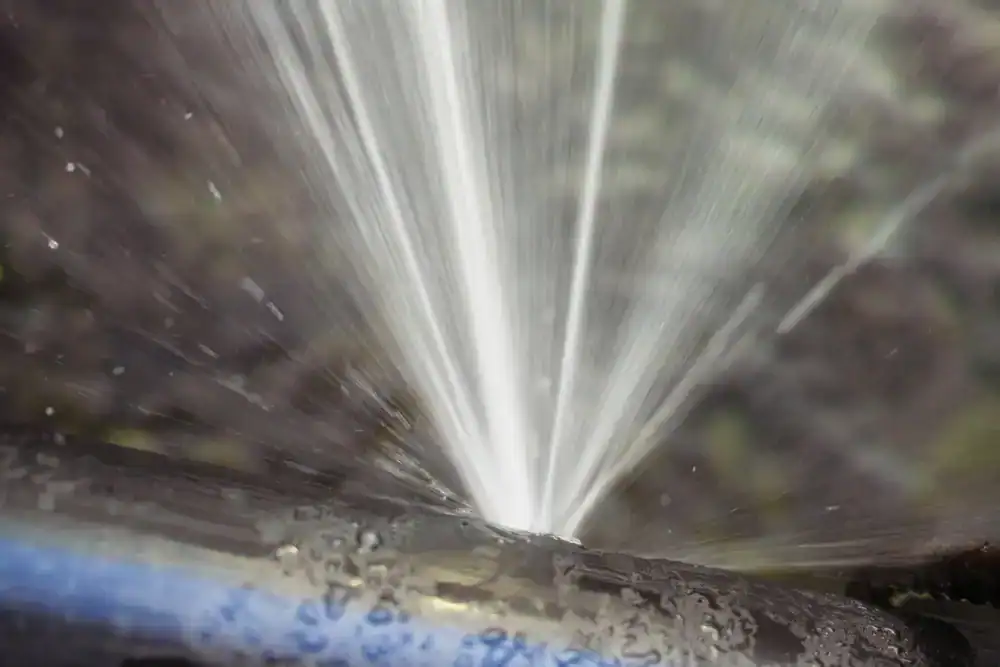
A burst pipe doesn’t just leave water on the floor. It gets into the walls, under the subfloor, and into the framing — and in Wesley Hills, where a significant portion of homes were built in the early 1970s, that means you’re dealing with materials that absorb fast and dry slow. If the moisture isn’t fully extracted and the structure isn’t properly dried, you’re looking at mold inside your walls within 24 to 48 hours. By the time you smell it, it’s already been growing.
Wesley Hills sits at over 500 feet of elevation at the foothills of the Ramapo Mountains. During the hard cold snaps that hit this area in January and February — when temperatures drop into the teens and stay there for days — pipes in exterior walls, crawl spaces, and garages are genuinely at risk. When those pipes thaw, the failure doesn’t always happen gradually. It happens all at once, and the water doesn’t wait.
What you get when the job is done right isn’t just a dry house. It’s documented proof — moisture readings, drying logs, post-remediation verification — that the work was completed to a standard that holds up when you sell. In a community where homes are worth what Wesley Hills homes are worth, that documentation matters.
12 Years Serving Wesley Hills and the Surrounding Area
We’ve been handling water damage, mold remediation, and full structural restoration across Rockland County for over 12 years. That means we’ve worked through the winters here, in homes like yours throughout Wesley Hills, and we know what a burst pipe in a 1960s or 1970s Ramapo-area home actually looks like behind the drywall.
We’re NYS and NYC M/WBE certified — not self-declared, but formally audited by state agencies. We’ve held contracts with the NYS Office of General Services. We carry full liability insurance and workers’ compensation. These aren’t credentials we collected for a website. They’re the baseline of what a legitimate restoration company looks like when it shows up at your door.
What separates us from the franchise operators that also show up in your search results is simple: we handle everything. Emergency extraction, structural drying, mold remediation, asbestos abatement for older homes, and full reconstruction — one company, one contract, one point of contact from the first call to the finished room.
From Emergency Call to Finished Room — Here's Our Process
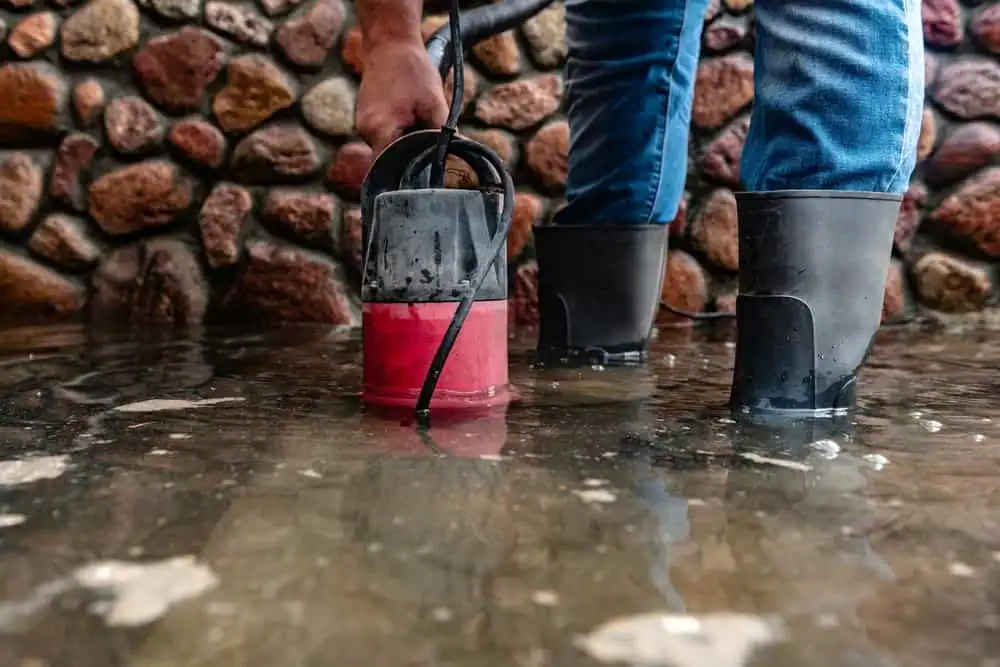
When you call, someone answers. Not a voicemail, not a callback queue — a real dispatch. A crew gets mobilized and heads your way. The first thing we do on-site is stop the bleeding: locate the source, assess how far the water has traveled, and begin extraction. In a Wesley Hills home with a crawl space or a finished basement, that assessment goes deeper than the surface, because water in this type of construction migrates in ways that aren’t always visible.
Once the water is out, the drying process begins. This isn’t pointing a fan at a wet wall. It’s calibrated equipment — industrial dehumidifiers, air movers, moisture meters — placed and monitored based on actual readings, not guesswork. If your home was built before 1978, which is true for a significant portion of Wesley Hills’s housing stock, we’ll also assess for asbestos-containing materials before any walls are opened. That step protects you legally and keeps the project moving without a surprise stop.
After the structure is dry and any hazardous materials are properly addressed, reconstruction begins. Drywall, flooring, framing — whatever the water damaged gets rebuilt. Throughout the process, we handle all documentation and communication with your insurance carrier. You’re not managing two contractors and a claims adjuster at the same time. You’re just getting your home back.
Burst pipe repair in Wesley Hills isn’t just a plumbing call — it’s a restoration project. Once the pipe is fixed, you’re dealing with everything the water touched: insulation, framing, drywall, flooring, and sometimes the structural components underneath. Our scope covers all of it.
Emergency water extraction and structural drying are the starting point. From there, we use moisture mapping to identify every area where water has migrated — including spaces you can’t see. In homes along the Mahwah River corridor or in lower-lying sections of Wesley Hills, groundwater and foundation seepage can compound a burst pipe event, and that gets factored into the assessment. If mold has already begun, we handle remediation in-house under New York State’s Article 32 licensing requirements — not subcontracted, not skipped.
For homes built in the 1960s and 1970s — and there are a lot of them in Wesley Hills given the median build year of 1971 — we offer in-house asbestos abatement when pipe insulation, floor tiles, or joint compound tests positive. This is the step that most restoration companies either skip or subcontract, and it’s the one that can derail a project for weeks if it’s not handled properly from the start. We carry it all the way through to full structural reconstruction, with 0% APR financing up to $200,000 available if you need to move before the insurance timeline does.
Does homeowners insurance actually cover burst pipe damage in Wesley Hills, NY?
In most cases, yes — but the details matter. Standard homeowners insurance policies typically cover sudden and accidental water damage from a burst pipe, which includes the cost of drying, remediation, and structural repairs. What they often don’t cover is the pipe replacement itself, or damage that resulted from a slow leak that went unaddressed over time. The distinction between “sudden” and “gradual” damage is where most claim disputes happen.
In Wesley Hills, where homes carry median values above $1.5 million, the scope of a burst pipe claim can be substantial. Adjusters work on their own timeline, and the documentation you provide — moisture readings, drying logs, a clear scope of work — directly affects how your claim is evaluated. We work directly with all major insurance carriers, handle all of that documentation, and advocate for the full scope of what your home needs. You don’t have to figure out your policy language at 2 AM in January.
How quickly can mold start growing after a pipe bursts in my home?
The EPA and FEMA both put the mold growth window at 24 to 48 hours after a water intrusion event — and that clock starts when the water hits the material, not when you notice it. In a home with drywall, wood framing, and insulation, those materials absorb moisture quickly and create exactly the conditions mold needs to establish itself.
The reason this matters so much in Wesley Hills specifically is the housing stock. Homes built in the early 1970s — which is right around the median build year for this village — often have materials that are more porous and harder to dry than newer construction. If water gets behind a wall in that type of home and isn’t extracted and dried professionally, mold can be well-established before you ever see discoloration on the surface. That’s why the response time on a burst pipe isn’t just about the water — it’s about what happens inside the wall if you wait.
My Wesley Hills home was built in the 1970s — should I be worried about asbestos during repairs?
It’s a fair concern, and it’s one worth taking seriously. Asbestos-containing materials were standard in residential construction through the mid-1970s — pipe insulation, floor tiles, ceiling tiles, and joint compound were all commonly manufactured with asbestos during that era. If your home was built before 1978, there’s a real possibility those materials are present somewhere in the structure.
When a burst pipe requires opening walls for remediation, disturbing asbestos-containing materials without proper abatement isn’t just a health risk — it’s a violation of New York State law. The NYS Department of Labor requires licensed contractors for asbestos abatement work, and individual workers must hold state-issued certifications. We handle asbestos testing and abatement in-house, which means the process doesn’t stop while you wait for a separate subcontractor to schedule an inspection. For Wesley Hills homeowners in older homes, this is one of the most important questions to ask any restoration company before work begins.
What's the difference between a plumber and a water damage restoration company?
A plumber fixes the pipe. A restoration company handles everything the water damaged after the pipe broke. These are two different scopes of work, and they require different equipment, different licensing, and different expertise.
Once the pipe is repaired, you’re left with wet walls, soaked insulation, saturated flooring, and potentially compromised framing. Drying that out properly requires industrial-grade extraction and dehumidification equipment, calibrated moisture meters, and a structured drying process that gets verified before walls are closed back up. If mold has started, that requires a licensed mold remediation contractor under New York State law. If asbestos materials were disturbed, that requires a licensed abatement contractor. And if structural components need to be rebuilt, that requires a general contractor with experience in post-water-damage reconstruction. We cover all of those phases under one contract, which matters a lot when you’re trying to get your home back to normal without managing four different vendors and an insurance adjuster at the same time.
How long does burst pipe water damage restoration typically take?
The drying phase alone typically takes three to five days when done with professional equipment, though that can vary based on how far the water traveled and what materials were affected. A finished basement in a Wesley Hills home, for example, can take longer to dry than an unfinished space because there are more layers — flooring, drywall, insulation — that all need to reach acceptable moisture levels before the next phase begins.
After drying is complete and any mold or asbestos issues are addressed, reconstruction timelines depend on the scope. Replacing drywall and flooring in a single room might take a few days. More extensive structural damage can take several weeks. The honest answer is that the timeline is driven by what the water actually did, not a standard estimate. What we can tell you is that nothing gets closed up until the moisture readings confirm it’s ready — because cutting that step short is how you end up with mold inside a newly rebuilt wall six months later.
Can I dry out burst pipe water damage myself instead of hiring a professional?
You can try, but the risk is that consumer fans and dehumidifiers don’t have the capacity to dry building materials from the inside out — they move surface air, not moisture trapped inside drywall and framing. A wall can feel dry to the touch and still have moisture readings well above the threshold where mold grows. Without calibrated equipment and actual readings, there’s no way to know when the structure is genuinely dry.
In Wesley Hills, where homes are worth well over a million dollars and where a future buyer’s attorney will ask about any water damage history, the documentation piece matters as much as the drying itself. A professional restoration company provides drying logs and post-remediation verification that prove the job was done to IICRC standards. That documentation protects your home’s value and your ability to sell it without complications. If you DIY the drying and mold shows up during a home inspection two years from now, the cost of addressing it at that point — and the impact on your sale — will far exceed what professional restoration would have cost the day the pipe burst.