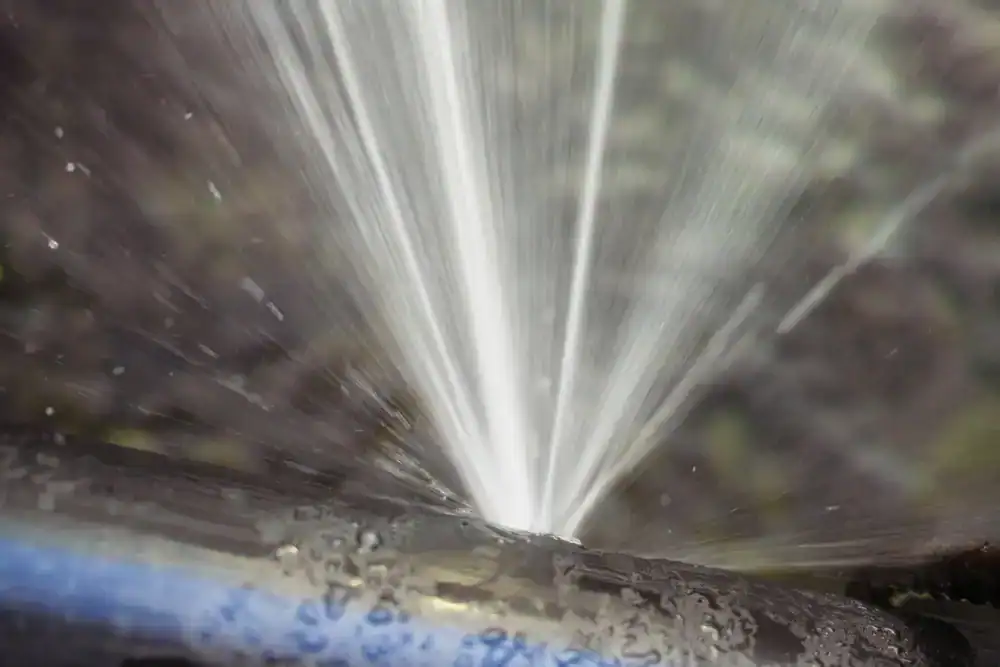
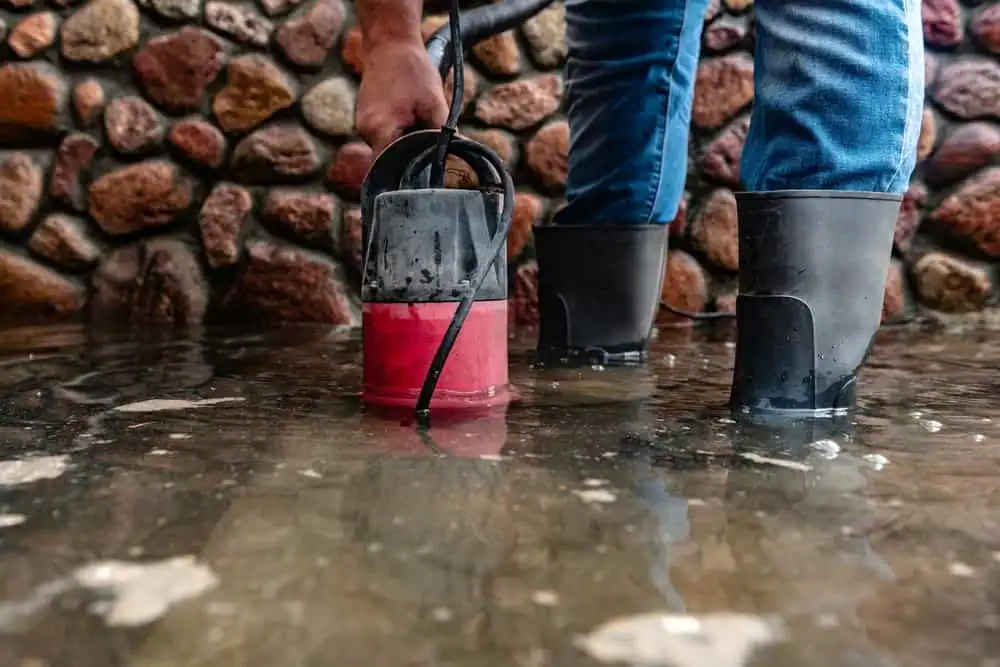
When a Piermont Winter Breaks Your Pipes, Here's What Happens Next
We respond 24/7 to burst pipe emergencies in Piermont — handling everything from emergency water extraction to full reconstruction under one roof, one call, and one point of contact.
I needed a professional consultation explanation of procedure for safe removal of Asbestos in my apartment complex. Without having an account yet, I was very impressed with the caring, knowledgeable and generous advice offered by Jessica, and will look forward to doing business in the future. Thank you so much! I feel much more informed about a sometimes scary endeavor. Peace. Nancy Silva Mineola, NY.
Mia Munoz
Used this company to clean up some water flood in my house. They were fast and easy to work with.very professional, Would recommend to anyone!
Nini Valle
Great company, had a flood and they responded quickly and efficiently. Billed my insurance company directly. I highly recommend this company!
joe colapietro, jr
I had pipe freeze in my basement right before a snow storm and they made to within an hour to help start the clean up process. They we by our side throughout the entire process and even helped with the insurance company. They did such a great job with the cleanup, repair, remidiation, I contracted them to perform the repairs and finishes in the basement. They came with enough manpower and material to get the job done. Leo and Jessica were nothing but a pleasure to deal with!!
Cristian Arredondo c
I had some water damage in my home and Green Island was able to take care of my issue quickly and effectively. I am very pleased with the work they did. They responded quickly and were very professional.
Michael M
Outstanding service! From the office to the field crew everyone was friendly, helpful and responsive. I highly recommend Green Island Group.
Stop the Damage Before It Becomes a Bigger Problem
A burst pipe doesn’t give you time to comparison shop. The moment water starts moving through your walls, subfloor, and insulation, the clock is running. The EPA is clear that mold can begin growing on wet building materials within 24 to 48 hours. In Piermont, where more than a quarter of the housing stock was built before 1950, that window matters more than it does almost anywhere else. Older framing, original plaster walls, and period insulation absorb moisture faster and dry slower than modern construction — which means the damage compounds quickly if extraction doesn’t start soon.
Piermont’s position on the Hudson River adds another layer. This isn’t a village that deals with water damage only in winter. Between tidal flooding, storm surge, and the kind of nor’easters that have historically pushed water into the lowest-lying streets near the waterfront, water intrusion in Piermont can happen in any season. Hurricane Sandy alone caused upwards of $20 million in damage in the village. When you call us, you’re not getting a crew that treats every job like a generic suburban water damage call. You’re getting a team that understands what it means to work in a flood-sensitive, historically built, high-value waterfront community — and responds accordingly.
What you get on the other side of this process is a home that’s been properly dried, documented, and restored. Not patched. Not partially treated. Fully brought back — with the kind of attention that a home valued at over $730,000 deserves.
Twelve Years Serving Piermont and the Hudson Valley
We’ve been handling environmental restoration across the Hudson Valley for over 12 years. That’s not a number we throw out for effect — it’s the reason we’ve built the kind of reputation in Rockland County that doesn’t need a lot of explaining when someone’s standing in a flooded basement at midnight.
We’re NYS and NYC M/WBE certified, fully insured including liability and workers’ compensation, and we hold the NYS Mold Remediation Contractor License required under Article 32 of New York State Labor Law. We’ve also worked with the NYS Office of General Services — the same state apparatus that Piermont has engaged directly through its Waterfront Resiliency Commission and flood resilience planning grants. That’s what working at this level looks like.
Piermont is a specific kind of community — small, tight-knit, historically grounded, and sitting right on the river. We’ve worked in Piermont and throughout Rockland County long enough to know the difference between a hillside Victorian off Rockland Road and a waterfront property near the pier. That difference matters when we’re figuring out how to approach your job.
From the Moment You Call to the Day You Walk Back In
When you call, we dispatch. That’s the first thing — not a callback window, not a next-business-day appointment. If it’s 11 PM on a Wednesday and a pipe just let go in your home near the Mine Hole district or up on one of Piermont’s hillside streets, we move. The first crew on site is focused entirely on stopping the damage from spreading: water extraction, containment, and an initial assessment of what’s been affected.
From there, we run a full moisture mapping process using calibrated equipment to identify exactly where water has traveled — including inside wall cavities, under flooring, and into structural framing. This step matters especially in Piermont’s older homes, where water can wick through horsehair plaster and old-growth lumber in ways that aren’t visible on the surface. If your home was built before 1980 and we need to open walls, we’ll assess for asbestos-containing materials before any demolition begins — that’s not optional under New York State law, and it’s something we handle in-house without needing to bring in a separate contractor.
Once the structure is dried to IICRC standards, reconstruction begins. Drywall, flooring, insulation, trim — whatever the damage required us to remove gets replaced. We also handle the insurance documentation throughout the entire process, communicating directly with your carrier so you’re not managing that on top of everything else. By the time we’re done, the goal is simple: your home looks and functions the way it did before the pipe failed.
One Contractor for the Emergency, the Remediation, and the Rebuild
Most homeowners who go through a burst pipe event don’t realize until they’re in the middle of it that the emergency extraction company and the reconstruction company are usually two different businesses. That means two contracts, two schedules, two sets of handoffs, and a gap in the middle where accountability disappears. We handle all of it — emergency water extraction, structural drying, mold remediation, asbestos abatement when required, and complete reconstruction — as a single contractor from start to finish.
For Piermont homeowners specifically, the asbestos piece is worth understanding. More than 26% of homes in the village were built before 1950. Pre-1980 construction in Piermont routinely included asbestos in pipe insulation, floor tiles, ceiling tiles, and joint compound. When a burst pipe requires opening walls or ceilings, New York State law requires licensed asbestos abatement before remediation work proceeds if asbestos-containing materials are present or suspected. We hold that license in-house, which means no delays waiting on a subcontractor and no legal gray areas for you as the homeowner.
We also offer financing up to $200,000 at 0% APR — which matters in situations where insurance disputes delay payment or where coverage gaps exist. In a market where waterfront properties in Piermont often carry both standard homeowners insurance and separate flood insurance, the claims process can take time. You shouldn’t have to wait on a check before starting remediation that needs to happen today. Our financing means you can move immediately, and settle the financial side on your timeline.
Does homeowners insurance actually cover burst pipe damage in Piermont, NY?
In most cases, standard homeowners insurance does cover sudden and accidental burst pipe damage — including the cost of water extraction, drying, and repairs to the structure. What it typically does not cover is the pipe itself, or damage caused by gradual leaks that went unaddressed. The key word is “sudden” — if the pipe failed quickly and you reported it promptly, you’re generally in a covered scenario.
Where it gets more complicated in Piermont is when flooding is involved. If a pipe burst coincides with a storm surge or tidal flooding event — both of which are documented, recurring risks in this village — standard homeowners insurance will not cover the flood-related portion of the damage. That falls under a separate flood insurance policy, typically through the National Flood Insurance Program. Sorting out which policy covers which damage, and documenting the loss correctly for each carrier, is exactly the kind of process we manage on your behalf. We work directly with insurance carriers so you’re not navigating two separate claims processes alone.
How fast does mold start growing after a burst pipe in an older home?
The EPA documents that mold can begin growing on wet building materials within 24 to 48 hours of a water intrusion event. That’s not a worst-case scenario — that’s the standard timeline under normal indoor conditions. In an older Piermont home with original plaster walls, wood subfloors, and period insulation, conditions are often more favorable for mold growth than in modern construction because those materials retain moisture longer and dry more slowly.
The practical implication is that the time between discovering a burst pipe and starting professional extraction is not a window you can afford to stretch. A pipe that fails at 9 AM when you leave for the city and is discovered at 7 PM when you return has already been releasing water for ten hours. The mold clock is well underway. Getting a crew on site the same night — not the next morning — is the difference between a remediation job and a mold remediation job layered on top of a water damage job. Those are not the same cost or the same timeline.
What happens if my Piermont home was built before 1980 and a pipe bursts inside a wall?
If your home was built before 1980 — and in Piermont, more than a quarter of the housing stock predates 1950 — there’s a real possibility that the walls, ceilings, or pipe insulation in your home contain asbestos. This is common in pre-1980 construction throughout the Hudson Valley: pipe wrap insulation, floor tiles, ceiling tiles, and joint compound from that era frequently tested positive for asbestos-containing materials.
Under New York State law, licensed asbestos abatement is required before remediation or demolition work proceeds if asbestos-containing materials are identified or reasonably suspected. This is not optional, and it’s not something a general contractor or a restoration company without the proper license can skip. We hold the required NYS asbestos abatement license and handle this in-house — meaning you don’t need to find a separate abatement contractor, wait on their schedule, or add another layer of coordination to an already stressful situation. We assess, abate if needed, and proceed with remediation without the gap that hiring two separate companies creates.
How long does burst pipe water damage restoration take from start to finish?
The honest answer is that it depends on how much water moved, where it went, and what it touched. A contained pipe failure in a finished basement with modern construction might be fully dried and reconstructed within one to two weeks. A burst pipe in a pre-1940 Piermont home with original plaster walls, old-growth framing, and multiple affected rooms — especially if asbestos testing and abatement are required — can run three to five weeks or longer for full reconstruction.
The structural drying phase alone typically takes three to five days under professional conditions using commercial-grade dehumidifiers and air movers, and that timeline can extend in Piermont’s older homes where dense original materials hold moisture longer. We don’t move to reconstruction until moisture readings confirm the structure has dried to IICRC standards — rushing that step is how you end up with mold growing inside newly installed walls. We’ll give you a realistic timeline after the initial assessment, and we’ll keep you informed throughout rather than leaving you guessing.
Can a burst pipe in Piermont cause flooding even if it's not near the Hudson River?
Absolutely. Burst pipe flooding is entirely separate from river flooding — it’s an internal plumbing failure, not a weather event, and it can happen anywhere in Piermont regardless of proximity to the waterfront. The most common scenarios in Piermont’s hillside residential areas involve pipes that run through exterior walls or unheated crawl spaces, which are the first to freeze during the cold snaps that push temperatures into the teens and single digits each January and February.
What makes Piermont’s hillside homes particularly vulnerable is the combination of older plumbing configurations and the exposure those homes have to prevailing winter winds off the Palisades ridge. Pipes running through west-facing exterior walls in a pre-1960 colonial or craftsman bungalow are in a genuinely high-risk position during a hard freeze. The failure often doesn’t become visible until the pipe thaws and water starts moving — which can happen quickly once temperatures rise. If you’ve had any rooms that felt unusually cold near exterior walls this winter, that’s worth paying attention to before the next freeze cycle.
Does Green Island Group handle burst pipe jobs in Piermont directly, or do they subcontract the work?
We handle the full scope of work directly — emergency extraction, structural drying, mold remediation, asbestos abatement, and reconstruction are all performed under one contractor, not farmed out to a network of subcontractors. This matters for a few reasons that are specific to how restoration jobs actually go in practice.
When work is subcontracted, accountability gets fragmented. If the drying crew says the structure is ready and the reconstruction crew finds moisture two weeks later, there’s a gap between those two parties that the homeowner ends up navigating. We own every phase of the job, which means one team is accountable for the outcome from the first hour of emergency response through the final inspection. For Piermont homeowners — in a village where homes are valued well above $700,000 and where the consequences of incomplete remediation can surface during a future property sale — that single point of accountability isn’t a minor detail. It’s the thing that determines whether the job was actually done right.