When Putnam Valley Pipes Fail in Winter, the Clock Starts Immediately
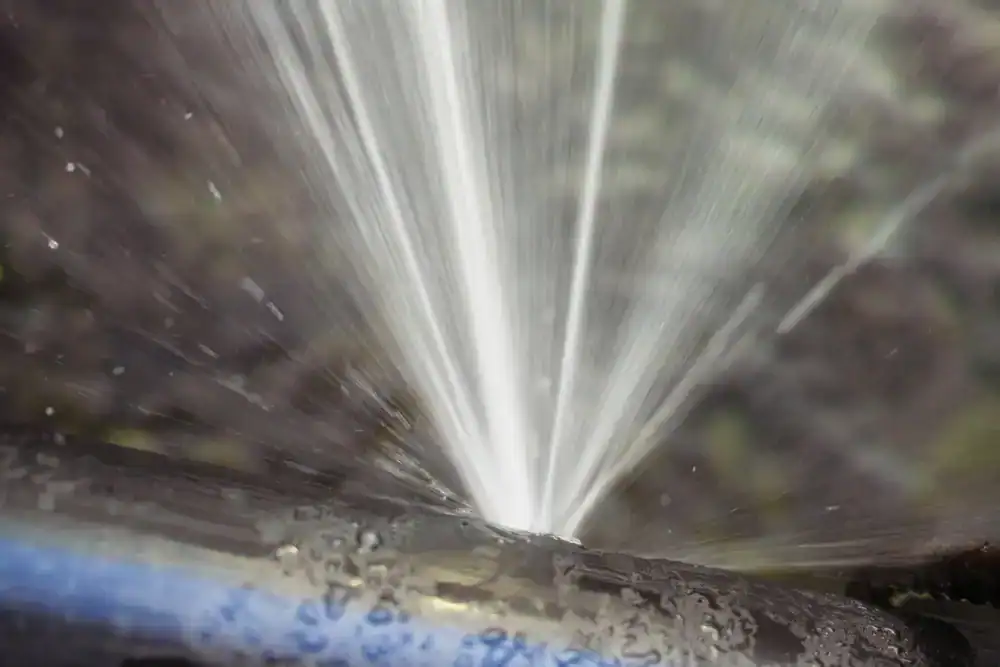
A burst pipe in Putnam Valley doesn’t wait for business hours — and neither do we. We handle burst pipe repair and full water damage restoration, 24/7, so you’re not managing this alone at 2 AM on a frozen night when temperatures have dropped below 20°F.
I needed a professional consultation explanation of procedure for safe removal of Asbestos in my apartment complex. Without having an account yet, I was very impressed with the caring, knowledgeable and generous advice offered by Jessica, and will look forward to doing business in the future. Thank you so much! I feel much more informed about a sometimes scary endeavor. Peace. Nancy Silva Mineola, NY.
Mia Munoz
Used this company to clean up some water flood in my house. They were fast and easy to work with.very professional, Would recommend to anyone!
Nini Valle
Great company, had a flood and they responded quickly and efficiently. Billed my insurance company directly. I highly recommend this company!
joe colapietro, jr
I had pipe freeze in my basement right before a snow storm and they made to within an hour to help start the clean up process. They we by our side throughout the entire process and even helped with the insurance company. They did such a great job with the cleanup, repair, remidiation, I contracted them to perform the repairs and finishes in the basement. They came with enough manpower and material to get the job done. Leo and Jessica were nothing but a pleasure to deal with!!
Cristian Arredondo c
I had some water damage in my home and Green Island was able to take care of my issue quickly and effectively. I am very pleased with the work they did. They responded quickly and were very professional.
Michael M
Outstanding service! From the office to the field crew everyone was friendly, helpful and responsive. I highly recommend Green Island Group.
What Your Home Looks Like When the Water Is Actually Gone for Good
The moment a pipe bursts, water doesn’t stay where you can see it. It moves into subfloor material, wall cavities, insulation, and any crawl space it can reach — and in a lot of Putnam Valley homes, that means unheated crawl spaces and aging framing that were never built to handle this kind of saturation. Many of the homes along Lake Oscawana, Lake Peekskill, and Roaring Brook Lake started as summer cottages. The plumbing was routed for three seasons, not for February nights when temperatures along the Taconic corridor drop well below 20°F. That history matters when water gets in.
When the restoration is done correctly — not just dried on the surface but properly extracted, dried to measured moisture levels, and treated where mold risk exists — you get your home back. Not a version of it with soft floors and a faint smell, but the actual thing. Dry walls. Intact structure. No mold clock ticking in the background. For a home worth over half a million dollars, that outcome isn’t a luxury — it’s the only acceptable result.
The difference between a $6,000 job and a $30,000 job is often just time. Mold can begin growing on wet building materials within 24 to 48 hours. Getting professional equipment in place before that window closes is what keeps a manageable water loss from becoming a full remediation and rebuild.
12 Years of Showing Up in Putnam Valley When Others Won't
We’ve been doing full-service environmental restoration across the Hudson Valley for over 12 years, and that includes Putnam Valley specifically — the rural roads off the Taconic State Parkway, the lake communities, the older homes near Tompkins Corners, and the converted cottages that line Oscawana Lake Road. This isn’t a franchise with a territory map. We’re a company that has physically worked in homes like yours, in the specific conditions Putnam Valley presents, for more than a decade.
We’re NYS and NYC M/WBE certified — a government-administered credential that requires financial auditing, documentation, and state-level verification. It’s not a badge you buy. We also carry full liability insurance and workers’ compensation, which protects you the moment a crew walks through your door. And with a 100% satisfaction guarantee backed by 12-plus years of standing behind completed work in this market, the decision to call doesn’t have to feel like a gamble.
From the Emergency Call to a Finished Home — Here's Exactly How We Handle It
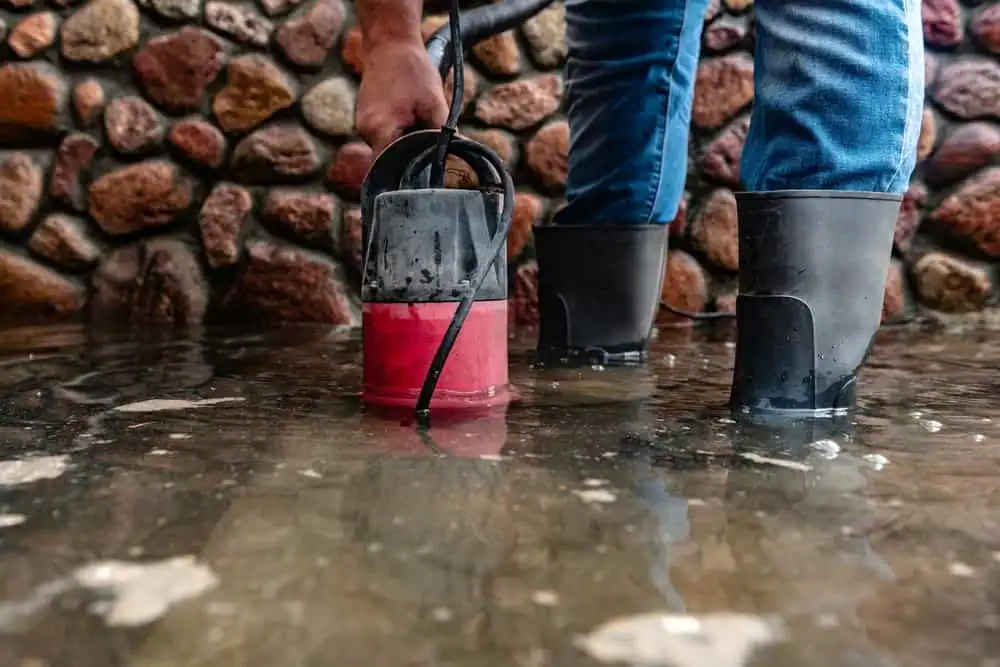
It starts with the call. We dispatch 24 hours a day, seven days a week — and when you’re off Peekskill Hollow Road or on a private drive near Roaring Brook Lake, response time actually matters. A crew arrives, assesses the full scope of the water intrusion, and gets extraction equipment running. The goal in the first hours is simple: stop the spread and document everything.
Documentation isn’t just for your records. It’s what your insurance adjuster needs to process the claim correctly. We handle that communication directly — we work with all major carriers, build the scope in the format adjusters require, and advocate for your coverage rather than leaving you to figure out what you’re owed. For homeowners managing a disrupted household, that alone removes the most stressful part of the process.
Once extraction and structural drying are complete, the scope becomes clear. In Putnam Valley’s older homes — nearly 30% were built before 1939 — opening walls sometimes means encountering asbestos-containing materials in pipe insulation or joint compound. We handle abatement in-house, so there’s no second contractor to schedule and no delay waiting for clearance before remediation can proceed. After abatement and remediation, the rebuild happens under the same roof. Permits through the Putnam Valley Building Department are managed as part of the project. You end up with one company, one finished result.
Frozen Pipe Repair and Mold Remediation Putnam Valley
Full Restoration Scope Built for Putnam Valley's Specific Risk Profile
Most contractors in this market handle one piece of the job. A plumber fixes the pipe. A remediation company dries the walls. A general contractor closes everything back up. You’re left coordinating three separate companies while living with open walls and an unresolved insurance claim. We cover the entire scope — water extraction, structural drying, mold remediation, asbestos abatement, and full reconstruction — under one contractor, one project manager, and one insurance claim.
Our service is built around what Putnam Valley homes actually face. The elevated terrain along the Taconic corridor means pipes in exterior walls and unheated spaces are under freeze stress that lower-elevation Westchester towns don’t experience at the same level. The lake community housing stock — homes originally designed for summer use along Lake Oscawana and Lake Peekskill — carries real vulnerability in the January-February cold snap window. And the proportion of pre-war and pre-1980 homes in Putnam Valley means asbestos identification isn’t a hypothetical — it’s a standard part of the assessment process here.
We offer financing up to $200,000 at 0% APR, which means you can start remediation immediately even if the insurance claim is still being processed. Waiting on a claim to clear before starting work is one of the most expensive decisions a homeowner can make — and it doesn’t have to be yours.
What should I do the moment I discover a burst pipe in my Putnam Valley home?
The first thing to do is shut off the main water supply to stop additional flow. If you don’t know where your shutoff is, find it now — before an emergency — because in an older Putnam Valley home, it’s often in a basement or crawl space that isn’t easy to access under pressure. Once the water is off, call a restoration company, not just a plumber. A plumber will fix the pipe, but they won’t address the water that’s already spread into your walls, subfloor, and insulation.
Do not run fans and assume the area will dry on its own. Consumer fans don’t generate the airflow or temperature differential needed to dry structural materials to safe moisture levels. In a home with a crawl space or unheated basement — common throughout Putnam Valley’s lake communities — moisture that isn’t professionally extracted tends to migrate further and faster than it looks. The 24-to-48-hour mold window starts from the moment water makes contact with organic building material, not from when you notice it.
Does homeowners insurance cover burst pipe damage in New York, and how does the claim work?
Standard homeowners insurance policies in New York typically cover sudden and accidental water damage from a burst pipe — meaning the pipe failed unexpectedly, not because of a maintenance issue that went unaddressed. What’s covered usually includes water extraction, structural drying, mold remediation if it results directly from the covered event, and the cost to repair or rebuild damaged materials. What’s not covered is the pipe itself, which falls under a plumber’s scope.
The claims process requires documentation that meets your carrier’s standards — moisture readings, photos, a written scope of damage, and in some cases an adjuster visit before work begins. We handle this process directly. We document the damage in the format carriers require, communicate the scope on your behalf, and work through the adjuster process so you’re not left negotiating a five-figure claim on your own while also managing a household that’s been turned upside down. For a home in Putnam Valley where median values exceed $523,000, getting the claim right matters.
Why are homes near Lake Oscawana and Lake Peekskill more vulnerable to burst pipes in winter?
A large portion of the homes along Putnam Valley’s three lakes — Oscawana, Peekskill, and Roaring Brook — were originally built as seasonal summer cottages. They were designed for use from roughly Memorial Day through Labor Day, which means the plumbing was often routed through spaces that aren’t heated in winter: crawl spaces under the floor, uninsulated exterior walls, and utility areas that see outside temperatures when the heat is running but nobody is near those spaces. When these homes were converted to year-round use — a transition that’s been happening across Putnam Valley for decades — the plumbing configurations often weren’t updated to match.
Add in the elevation factor. The terrain along the Taconic State Parkway through Putnam Valley sits at nearly 1,200 feet above sea level. That means temperatures here run colder and freeze periods last longer than in lower-elevation communities to the south. When a cold snap drops temperatures below 20°F for multiple consecutive nights — which happens regularly in this part of Putnam County — pipes in those original cottage configurations are under real stress. The combination of the original routing and the elevation exposure is why burst pipe calls from the lake communities tend to spike in January and February.
How do I know if there's asbestos in my home before restoration work begins?
If your home was built before 1980, there’s a meaningful chance that asbestos-containing materials are present somewhere in the structure. In Putnam Valley, where nearly 30% of homes predate 1939 and a large additional share were built before 1980, this isn’t a remote possibility — it’s a standard part of the pre-remediation assessment. Asbestos was commonly used in pipe insulation, floor tiles, ceiling tiles, joint compound, and roofing materials through the late 1970s.
Under New York State law, any contractor performing mold or water damage remediation that involves disturbing potential asbestos-containing materials must either test first or treat the materials as asbestos-containing and handle them accordingly. Proceeding without proper identification creates legal liability for the homeowner and health risk for anyone in the home during the work. We handle asbestos abatement in-house, which means the identification, testing, and abatement happen as part of the same project — no separate contractor to find, no scheduling gap between abatement clearance and the start of remediation. For older Putnam Valley homes, this in-house capability isn’t a bonus feature. It’s a practical necessity.
How long does burst pipe restoration typically take from start to finish?
The timeline depends on how much water moved, where it went, and what it touched. A contained event — a pipe that failed in a finished basement, caught within a few hours, with water limited to a defined area — can be extracted and dried within three to five days using commercial drying equipment. Once moisture readings confirm the materials are back to acceptable levels, repairs can begin.
A larger event — one where water spread through multiple rooms, soaked into subfloor material, or sat undetected for a day or more before discovery — takes longer. Structural drying alone can run five to ten days depending on the material assemblies involved. If mold remediation is required, that adds time. If asbestos abatement is needed before walls can be opened, that step happens first and adds a few days to the front end of the project. In Putnam Valley, where a meaningful share of homes have crawl spaces and older construction that holds moisture differently than newer builds, it’s worth planning for the longer end of the range rather than assuming the fastest scenario. We’ll give you a realistic timeline after the initial assessment — not a number designed to get you to commit.
Can we handle the full rebuild after water damage, or just the remediation?
Full rebuild is part of what we do — it’s not a hand-off. After extraction, drying, and any required abatement or mold remediation, the reconstruction phase brings your home back to the condition it was in before the pipe failed. That means closing walls, replacing flooring, restoring ceilings, and finishing to match the existing interior. The Putnam Valley Building Department requires permits for structural reconstruction work, and we manage that process as part of the project.
This matters because most restoration companies in the Putnam County market stop at remediation. They extract the water, dry the structure, and leave you with open walls and a referral to a general contractor you’ve never met. Finding, vetting, and scheduling a second contractor while living in a partially demolished home — and coordinating that contractor’s scope with an open insurance claim — is a real burden. Having one company carry the project from the emergency call through the finished room removes that burden entirely. For Putnam Valley homeowners dealing with a significant water loss in a home worth half a million dollars or more, that single-contractor continuity is worth a great deal.