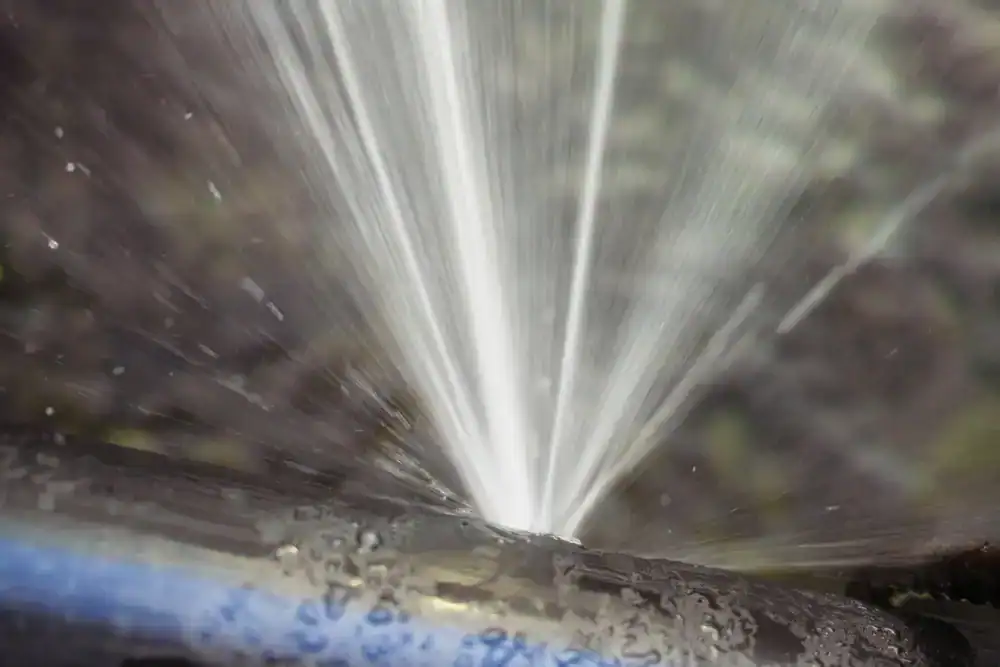
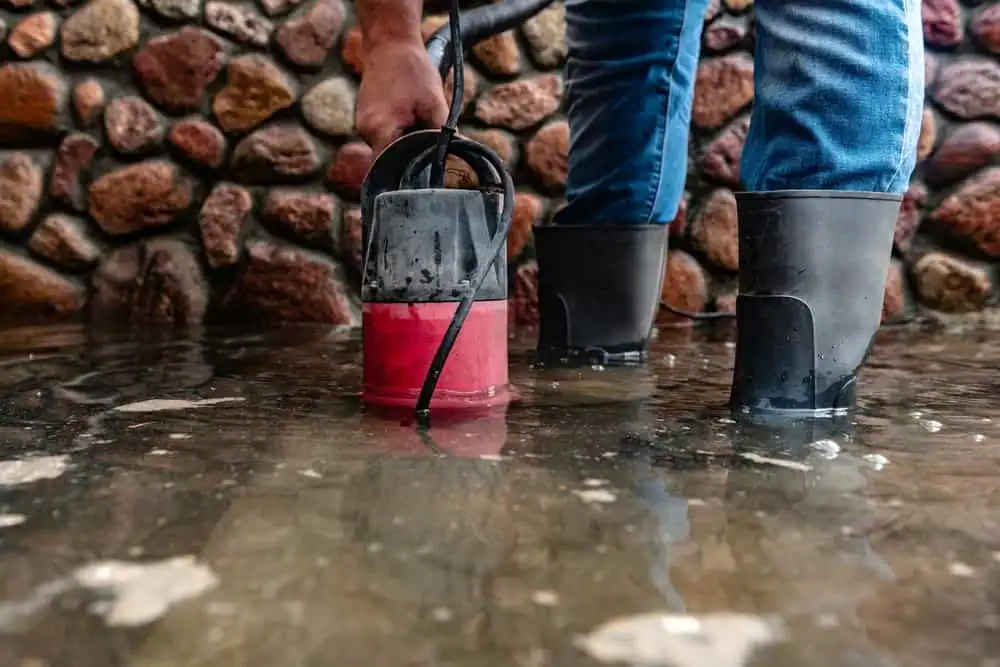
When Putnam County Winters Break Your Pipes, Here's What Happens Next
One call gets a crew moving — not a voicemail, not a callback window. We handle burst pipe repair in Mahopac, NY from emergency extraction straight through to finished restoration, and we work directly with your insurance so you don’t have to.
I needed a professional consultation explanation of procedure for safe removal of Asbestos in my apartment complex. Without having an account yet, I was very impressed with the caring, knowledgeable and generous advice offered by Jessica, and will look forward to doing business in the future. Thank you so much! I feel much more informed about a sometimes scary endeavor. Peace. Nancy Silva Mineola, NY.
Mia Munoz
Used this company to clean up some water flood in my house. They were fast and easy to work with.very professional, Would recommend to anyone!
Nini Valle
Great company, had a flood and they responded quickly and efficiently. Billed my insurance company directly. I highly recommend this company!
joe colapietro, jr
I had pipe freeze in my basement right before a snow storm and they made to within an hour to help start the clean up process. They we by our side throughout the entire process and even helped with the insurance company. They did such a great job with the cleanup, repair, remidiation, I contracted them to perform the repairs and finishes in the basement. They came with enough manpower and material to get the job done. Leo and Jessica were nothing but a pleasure to deal with!!
Cristian Arredondo c
I had some water damage in my home and Green Island was able to take care of my issue quickly and effectively. I am very pleased with the work they did. They responded quickly and were very professional.
Michael M
Outstanding service! From the office to the field crew everyone was friendly, helpful and responsive. I highly recommend Green Island Group.
Your Mahopac Home Back to Normal — No Second Contractor Needed
A burst pipe in Mahopac isn’t just a plumbing problem. The moment water starts moving through your walls, it’s a race — and the clock starts at 24 to 48 hours before mold can take hold in your drywall, insulation, and subfloor. Getting the right crew there fast isn’t a preference, it’s the variable that determines how much this costs you and how long you’re living with the disruption.
A lot of Mahopac’s housing stock was never designed for the winters it now faces year-round. The lake cottages around Lake Mahopac and Lake Secor were built as summer retreats — minimal insulation, plumbing that wasn’t configured for hard January freezes. When those pipes fail, water doesn’t just sit in one place. It travels. It gets into crawl spaces, under floors, and inside walls that look perfectly fine from the outside. If you’re in one of those converted cottages or a mid-century ranch off Route 6, the scope of what you’re dealing with can grow quickly — especially if the break happened overnight or while the house was empty.
What you get when the job is done right is simple: dry walls, no hidden moisture, no mold, and a home that looks and functions the way it did before. We take the project all the way through reconstruction — new drywall, flooring, paint — so you’re not left managing a second contractor while your house sits half-finished.
12 Years Serving Mahopac and Putnam County — We Still Answer at 2 AM
We’ve been doing environmental restoration work in Mahopac, the Hudson Valley, and Putnam County for over 12 years. That’s not a marketing number — it means we’ve worked through enough Putnam County winters to know exactly what a burst pipe in a Lake Secor cottage looks like at 3 in the morning, and what it takes to dry it out completely before mold becomes the next problem.
We’re NYS and NYC M/WBE Certified, fully insured including liability and workers’ compensation, and licensed under New York State’s Article 32 as a Mold Remediation Contractor. We also hold in-house asbestos abatement capabilities — which matters more in Mahopac than most people realize, because a significant number of homes here were built before 1980, when asbestos was standard in pipe insulation, floor tiles, and joint compound. Most restoration companies either subcontract that work or skip it entirely. We handle it in-house, which keeps your project on one timeline and one invoice.
We work directly with all major insurance carriers and have a documented track record with the NYS Office of General Services. When you call us, you’re getting a company that’s been vetted at the government level — not a franchise that sends a different crew every time.
From the Middle of the Night to Move-Back-In Ready
When you call, someone answers — and depending on where you are in Mahopac, a crew can be on-site within hours. The first thing we do is stop the damage from spreading. That means water extraction, containment, and getting industrial drying equipment into the affected areas immediately. We also use moisture mapping tools to find water that’s moved beyond the obvious wet spots — because in older homes and converted cottages throughout Mahopac, water travels further than it looks.
Once the structure is stabilized and drying is underway, we do a thorough assessment. If your home was built before 1980, we’ll test for asbestos before any walls are opened. This isn’t optional in New York State — it’s a legal requirement under NYS Department of Labor regulations, and skipping it creates real liability for you as a homeowner. We handle that in-house so there’s no delay waiting on a subcontractor. Any reconstruction work — replacing drywall, flooring, structural elements — will require a permit from the Town of Carmel Building Department, and we handle that coordination as part of the project.
From there, we move into remediation and reconstruction. New drywall, flooring, paint, trim — whatever the scope requires. We document everything throughout the process in the format your insurance carrier needs, and we communicate directly with the adjuster so you’re not stuck translating between your contractor and your insurance company. The job isn’t done until your home is finished.
Burst pipe repair in Mahopac means something different depending on your home. In a converted lake cottage on Lake Mahopac or Lake Secor, it might mean dealing with a crawl space that was never insulated for winter, subfloor damage that extends well beyond the visible wet area, and materials that are decades old. In a mid-century split-level or raised ranch, it might mean galvanized pipes that have been corroding from the inside out for years and finally gave way during a hard freeze. In a newer colonial, it might be a more straightforward extraction and dry-out. Whatever the situation, the scope of what we cover is the same.
Our burst pipe service includes emergency water extraction, structural drying, moisture mapping, mold prevention treatment, asbestos testing and abatement where required, full demolition of unsalvageable materials, and complete reconstruction to pre-loss condition. We also offer financing up to $200,000 at 0% APR — because even if your insurance covers the majority of the claim, deductibles are real, timing gaps between starting work and receiving reimbursement are real, and for Mahopac homeowners managing a seasonal or rental property where coverage disputes are more common, waiting on insurance to act isn’t always an option.
Every project comes with our 100% satisfaction guarantee. We’ve been doing this long enough in this region that our reputation depends on it.
Does homeowners insurance actually cover burst pipe damage in Mahopac, NY?
In most cases, yes — but the details matter. Standard homeowners insurance policies typically cover sudden and accidental water damage, which includes a pipe that freezes and bursts during a Putnam County cold snap. What they often don’t cover is damage resulting from a slow leak that went unaddressed, or a pipe that failed because of deferred maintenance. If your Mahopac home was unoccupied for an extended period — which is common with lake properties on Lake Mahopac or Lake Secor that sit empty during the winter — your insurer may also scrutinize whether the home was adequately heated and maintained. That distinction can affect whether your claim is approved and for how much.
The documentation you submit with your claim makes a significant difference in the outcome. We document the damage thoroughly — moisture readings, photos, scope of loss — in the format insurance adjusters require, and we communicate directly with your carrier throughout the process. That means you’re not navigating the claims process alone while also trying to manage a damaged home.
How quickly does mold grow after a pipe bursts in a crawl space or wall?
Mold can begin growing on wet building materials within 24 to 48 hours of a water intrusion event. In Mahopac specifically, this window matters more than it does in many other communities because of the housing stock. Converted lake cottages and older homes with crawl spaces that weren’t designed for year-round use tend to hold moisture longer and in harder-to-reach areas. A wall that looks dry on the surface can have wet framing behind it for days.
The speed of professional response — not just a plumber to stop the flow, but a restoration crew with extraction and drying equipment — is the single factor most correlated with whether mold becomes part of the problem or not. If you’re dealing with a burst pipe in a Mahopac home and it’s been more than a day since the water was running, mold prevention treatment needs to be part of the response, not an afterthought.
What should I do the moment I discover a burst pipe in my home?
First, shut off the main water supply to your home. In most Mahopac homes, the main shutoff is either in the basement, utility room, or near the water meter — if you don’t know where yours is, find it before winter, not during it. Once the water is off, don’t try to assess the damage by opening walls yourself. If your home was built before 1980, there’s a real possibility that the walls contain asbestos-era materials, and disturbing them without proper testing is both a health risk and a legal issue under New York State Department of Labor regulations.
Call a restoration company — not just a plumber. A plumber fixes the pipe. A restoration contractor extracts the water, dries the structure, tests for hazardous materials, prevents mold, and rebuilds what was damaged. Those are two different jobs, and doing only the first one while skipping the second is how you end up with a mold problem six weeks later. Document what you can see with your phone before anything is touched — your insurance carrier will want photos of the initial damage.
My Mahopac lake cottage has been closed all winter — how bad could the damage be?
Potentially significant. When a pipe fails in a property that’s been unoccupied for weeks or months, the water runs until it runs out of somewhere to go — which means it saturates insulation, soaks into subfloor assemblies, pools in crawl spaces, and wicks up into wall framing. By the time you open the cottage in the spring and discover the problem, the damage has had time to progress well beyond what a same-day discovery would have looked like. Mold is almost a certainty at that point, not a risk.
Lake cottages around Lake Mahopac and Lake Secor add another layer of complexity. Many of these structures were originally built as summer properties with minimal insulation and plumbing that was never designed to survive a winter. Even if the property was converted to year-round use, the underlying structure may not have been fully updated to match. That combination — older construction, seasonal vacancy, and Putnam County winter temperatures — is exactly the scenario where damage escalates fastest. A thorough moisture assessment, including areas that aren’t visibly wet, is essential before any reconstruction begins.
Do I need a permit to repair water damage in the Town of Carmel?
For the emergency portion of the work — water extraction, drying, and mold remediation — no permit is typically required. But once the restoration moves into reconstruction, meaning replacing drywall, flooring, structural elements, or any work that affects the building’s systems, a building permit from the Town of Carmel Building Department is generally required. This applies whether you’re in Mahopac proper, around the lake communities, or in any other part of the Town of Carmel.
Skipping the permit step is a problem that surfaces when you go to sell the home. Unpermitted work can complicate or delay a sale, create issues with your title insurance, and in some cases require the work to be redone. We handle permit coordination as part of the project — we know what the Town of Carmel requires and we make sure the reconstruction phase is done in compliance, so there are no surprises down the road.
Why hire a full-service restoration company instead of just a plumber and a general contractor separately?
A plumber’s job ends when the pipe is fixed. They’re not equipped to extract standing water, dry out a structure, map hidden moisture, test for asbestos, treat for mold, or rebuild what was damaged. A general contractor can handle the rebuild, but they typically won’t start until the structure is fully dry and cleared — which means you’re managing the handoff between two separate companies, two separate timelines, and two separate invoices while your home sits in a damaged state.
In Mahopac, where a lot of the housing stock is older and the damage from a burst pipe can travel further and faster than in newer construction, that gap between the plumber leaving and the contractor arriving is where problems compound. Moisture that isn’t fully extracted and dried creates mold. Mold that isn’t caught before reconstruction begins gets sealed inside walls. We handle the entire arc — emergency response through finished reconstruction — so nothing falls through the gap. One company, one point of contact, one project timeline. For Mahopac homeowners dealing with a stressful situation, that’s a real difference in outcome.