When Tonetta Lake Winters Break Your Pipes, Here's What Happens Next
Your home near Tonetta Lake deserves more than a crew that dries the floor and disappears. We handle burst pipe repair in Brewster Hill from emergency extraction all the way through finished reconstruction — one call, one team, no hand-offs.
I needed a professional consultation explanation of procedure for safe removal of Asbestos in my apartment complex. Without having an account yet, I was very impressed with the caring, knowledgeable and generous advice offered by Jessica, and will look forward to doing business in the future. Thank you so much! I feel much more informed about a sometimes scary endeavor. Peace. Nancy Silva Mineola, NY.
Mia Munoz
Used this company to clean up some water flood in my house. They were fast and easy to work with.very professional, Would recommend to anyone!
Nini Valle
Great company, had a flood and they responded quickly and efficiently. Billed my insurance company directly. I highly recommend this company!
joe colapietro, jr
I had pipe freeze in my basement right before a snow storm and they made to within an hour to help start the clean up process. They we by our side throughout the entire process and even helped with the insurance company. They did such a great job with the cleanup, repair, remidiation, I contracted them to perform the repairs and finishes in the basement. They came with enough manpower and material to get the job done. Leo and Jessica were nothing but a pleasure to deal with!!
Cristian Arredondo c
I had some water damage in my home and Green Island was able to take care of my issue quickly and effectively. I am very pleased with the work they did. They responded quickly and were very professional.
Michael M
Outstanding service! From the office to the field crew everyone was friendly, helpful and responsive. I highly recommend Green Island Group.
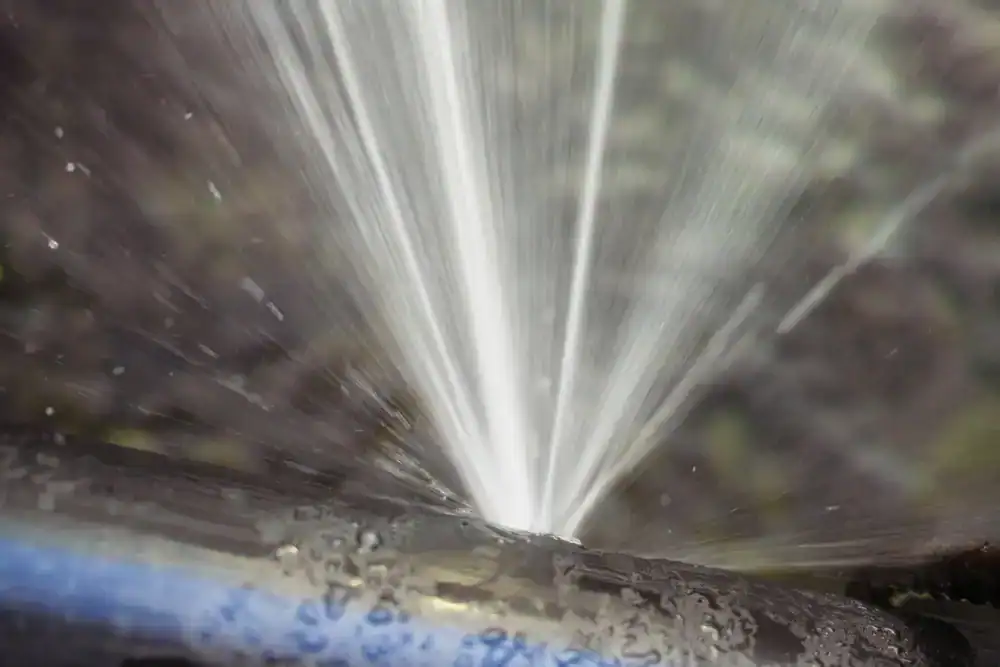
A burst pipe doesn’t end when the water stops flowing. What it leaves behind — inside your walls, under your floors, in the insulation — is where the real damage lives. If that moisture isn’t fully extracted and dried, you’re looking at mold within 24 to 48 hours. By the time most homeowners in Brewster Hill get home from their Metro-North commute and find the damage, that clock is already running.
The homes around Tonetta Lake were built mostly in the 1950s and 1960s. That means galvanized steel plumbing that’s well past its designed service life, plaster wall assemblies that hold water in ways modern drywall doesn’t, and building materials that may contain asbestos — all of which change how a proper restoration needs to be handled. A crew that doesn’t know what they’re walking into in a mid-century home isn’t just less effective. They can make the situation legally and structurally worse.
When we finish in your home, the walls are back, the floors are back, and the moisture readings are clean. Not “good enough to close up” — actually resolved. You get documentation that satisfies your insurance carrier, and you don’t have to find a second contractor to put the room back together. That’s what a complete restoration looks like.
12 Years In, We Know What These Brewster Hill Homes Are Made Of
We’ve been doing environmental restoration work in Putnam County and the Hudson Valley for over 12 years. That’s not a franchise territory — it’s a real service history in communities like Brewster Hill, Southeast, and the surrounding hamlets where the housing stock tells a very specific story. We understand the plumbing vulnerabilities in Brewster Hill’s mid-century homes, the way water moves through original plaster walls, and the materials you’re likely to encounter when walls come open.
We’re NYS and NYC M/WBE certified, fully insured including liability and workers’ compensation, and licensed for mold remediation under New York State Article 32 — which is a legal requirement, not a voluntary credential. We also hold in-house asbestos abatement licensing under the NYS Asbestos Safety and Training Program, which matters a great deal when you’re opening walls in a 1958 ranch house off Brewster Hill Road and you don’t know what the pipe insulation is made of.
We’ve worked with the NYS Office of General Services and major insurance carriers across the region. That track record doesn’t happen by accident. It happens because the work holds up.
Emergency Water Extraction Process Brewster Hill NY
No Guesswork — Here's Exactly What We Do in Your Home
The first thing we do when we arrive is assess — not just the visible water, but where it traveled. In Brewster Hill’s mid-century homes, water moves through plaster walls and subfloor assemblies in ways that aren’t obvious on the surface. We use thermal imaging and moisture mapping to find every pocket of moisture before we start, so nothing gets sealed behind a wall that’s still wet.
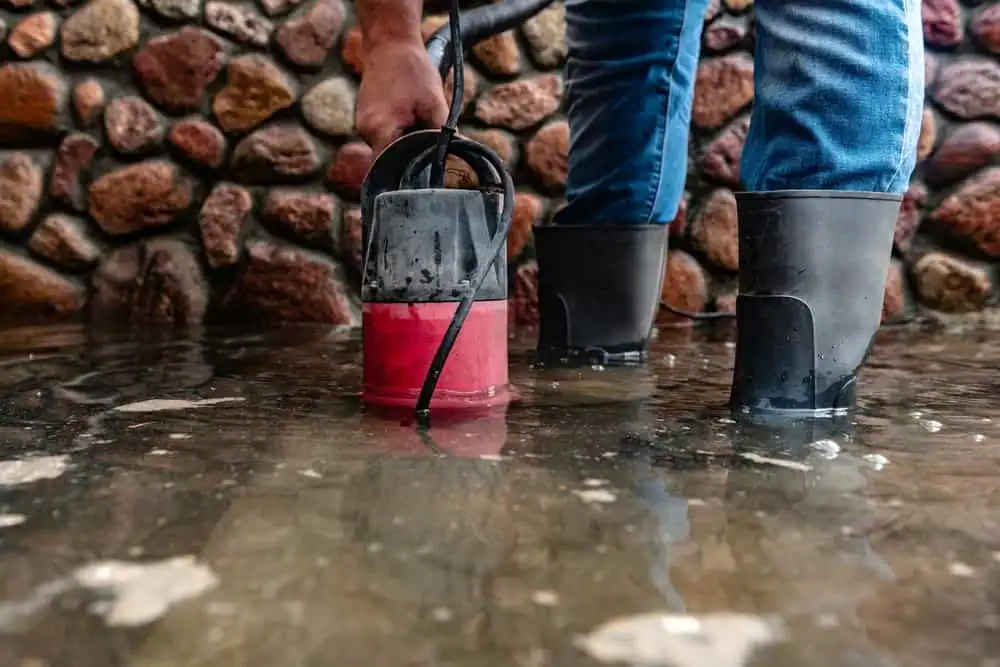
From there, we extract standing water, set industrial drying equipment, and monitor moisture levels daily until the structure reads clean. If your home was built in the 1950s or 1960s and we encounter materials that may contain asbestos — pipe insulation, floor tile, joint compound — we handle testing and abatement in-house before anything gets disturbed. That keeps you legally protected and keeps the project moving without a scheduling gap waiting on a subcontractor.
Once the structure is dry and clear, we move into reconstruction. Drywall, flooring, framing — whatever the pipe damage required us to open, we put back together. Throughout the entire process, we’re communicating directly with your insurance carrier, documenting the scope, and making sure the claim reflects the actual work. When we’re done, your home looks the way it did before. That’s the job.
Burst pipe repair in Brewster Hill isn’t a single service — it’s a sequence. Emergency water extraction comes first, followed by structural drying with commercial-grade equipment, moisture mapping to confirm the structure is genuinely dry, and mold assessment if the timeline or conditions warrant it. If your home requires asbestos abatement before walls can be safely opened — which is a real possibility in Brewster Hill’s 1950s and 1960s housing stock — that’s handled in-house under proper NYS licensing, not subcontracted out.
After remediation is complete, reconstruction begins. That means replacing drywall, flooring, insulation, and any structural framing that was compromised. Work that requires a building permit through the Town of Southeast is handled correctly — no shortcuts that come back to haunt you when you sell the house. Everything is documented in a format your insurance carrier can work with, because we bill insurance directly and advocate for the full scope you’re entitled to.
If there’s a gap between what insurance covers and what the job actually costs, our financing program offers up to $200,000 at 0% APR — so you can authorize the work immediately and protect your home from mold, rather than waiting for a check that takes weeks to arrive. For Brewster Hill homeowners dealing with a burst pipe in January, that gap matters.
Does homeowners insurance cover burst pipe damage in Brewster Hill, NY?
In most cases, yes — but the details matter. Standard homeowners insurance policies in New York typically cover sudden and accidental water damage from a burst pipe, including the cost of drying, remediation, and structural repairs. What they often don’t cover is the pipe replacement itself, or damage that resulted from a slow leak you didn’t report. The line between “sudden” and “gradual” is where a lot of claims get disputed.
In Brewster Hill specifically, the age of the housing stock adds a layer of complexity. If your home was built in the 1950s or 1960s and your galvanized steel plumbing has been showing signs of corrosion or reduced flow for years, an adjuster may argue the failure was foreseeable rather than sudden. That’s exactly why documentation matters from the moment the pipe breaks. We handle direct insurance billing and communicate with your adjuster throughout the process — so the claim is framed correctly from the start, not reconstructed after the fact.
How quickly can mold start growing after a pipe bursts in my Brewster Hill home?
The EPA and FEMA both document that mold can begin growing on wet building materials within 24 to 48 hours of a water intrusion event. That’s not a worst-case scenario — that’s the standard timeline under normal indoor conditions. In a home that’s been closed up during a cold Putnam County winter, with limited airflow and high humidity from the water itself, conditions can be even more favorable for mold growth.
For Brewster Hill homeowners who commute into New York City or Westchester via Metro-North, this timeline is particularly relevant. A pipe that bursts while you’re at work on a Tuesday morning and isn’t discovered until you get home Tuesday evening has already had 8 to 10 hours to saturate your walls. By the time you make calls and schedule someone for Wednesday morning, you’re approaching or past that 24-hour window. That’s why our 24/7 emergency response isn’t just a convenience — it’s the difference between a water damage job and a water-plus-mold job.
My Brewster Hill home was built in the 1960s — should I be worried about asbestos?
It’s a fair question, and the honest answer is: possibly, yes. Homes built in the 1950s and 1960s — which make up the bulk of Brewster Hill’s housing stock around Tonetta Lake — routinely used asbestos in pipe insulation, 9-inch vinyl floor tiles, ceiling tiles, and joint compound. None of that is necessarily dangerous if it’s intact and undisturbed. The risk comes when building materials get cut, broken, or removed — which is exactly what happens during burst pipe restoration when walls and floors need to be opened.
New York State law under the Asbestos Safety and Training Program requires licensed abatement before asbestos-containing materials are disturbed. A restoration company that doesn’t hold in-house abatement licensing either has to subcontract that work — adding cost and scheduling delays — or proceed without it, which is both illegal and a genuine health risk. We hold the required NYS asbestos abatement licensing and handle it directly, so your project doesn’t stall waiting on a separate contractor, and you’re not exposed to liability from improper handling.
Do I need a plumber or a restoration company for a burst pipe in Brewster Hill?
You likely need both, but they do different things. A plumber fixes the broken pipe — that’s their job. A restoration company handles everything the water left behind: extraction, structural drying, moisture mapping, mold prevention, and rebuilding whatever had to be opened to assess and dry the damage. These are two separate scopes of work, and confusing them is one of the most common mistakes homeowners make in the first hours after a pipe bursts.
The order of operations matters too. In most cases, you want the water supply addressed by a plumber first so the source is stopped, then a restoration company assesses the full extent of the damage. In Brewster Hill’s older homes, the damage assessment phase is especially important — water travels through plaster wall assemblies and under original hardwood floors in ways that aren’t visible on the surface. Without thermal imaging and moisture mapping, it’s easy to close up a wall that still has moisture in it, which leads to mold weeks later when the visible damage looks resolved.
How long does burst pipe restoration typically take in a Brewster Hill home?
The drying phase alone typically takes three to five days with commercial equipment running continuously — and that’s assuming the moisture is caught early and the affected area is contained. In Brewster Hill’s mid-century homes with plaster walls and original subfloors, water can travel further and penetrate deeper than in newer construction, which sometimes extends the drying timeline. Rushing that phase is one of the most common ways restoration jobs go wrong — walls get closed up before the structure is genuinely dry, and mold follows.
After drying is confirmed through moisture readings, reconstruction begins. Depending on the scope — how much drywall, flooring, or framing was affected — that phase can take anywhere from a few days to a couple of weeks. If asbestos testing and abatement is required before walls can be opened, that adds time upfront, but it’s non-negotiable under New York State law and it protects you and your family. The full arc from emergency call to finished room is typically two to four weeks for a contained burst pipe event, though larger losses take longer.
What financing options are available for burst pipe repair in Brewster Hill, NY?
We offer financing up to $200,000 at 0% APR, and for most Brewster Hill homeowners dealing with a burst pipe, this is more useful than it might initially sound. Insurance claims for major water damage events don’t settle overnight — adjusters need to inspect, scope reviews take time, and disputes can stretch the timeline by weeks. Meanwhile, every day that moisture sits in your walls is a day closer to a mold problem that costs significantly more to address than the original water damage.
The financing option means you don’t have to choose between protecting your home now and waiting for the insurance check to arrive. You authorize the work to begin immediately, the remediation and reconstruction move forward on the right timeline, and you settle the balance when the insurance payment comes through. For homeowners in Brewster Hill — a community where most residents have real equity in their homes and real stakes in protecting it — that timing flexibility is often the practical difference between a clean outcome and a prolonged, more expensive one.