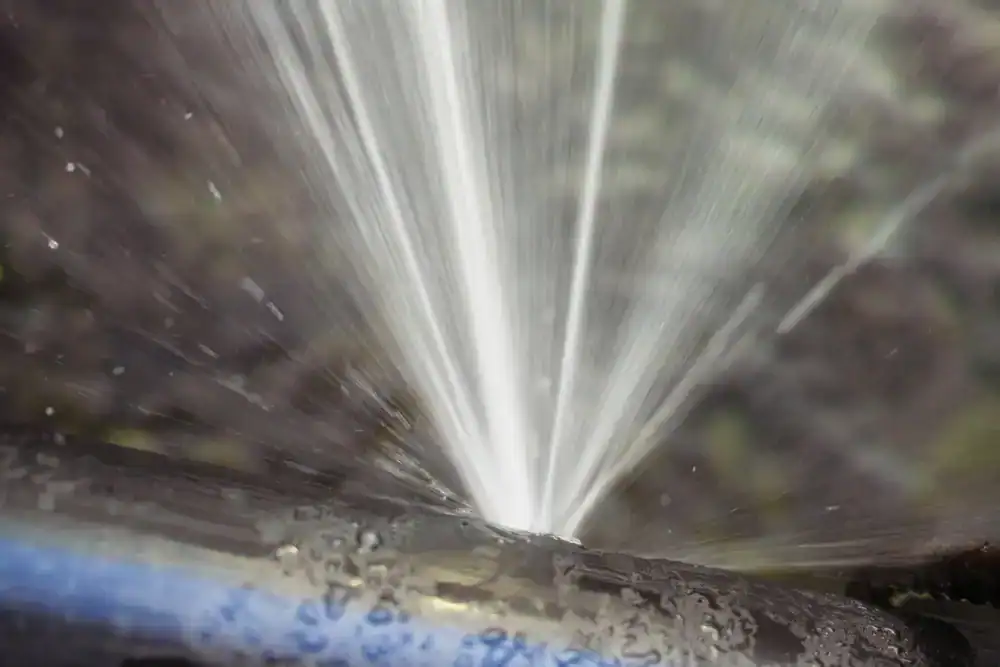
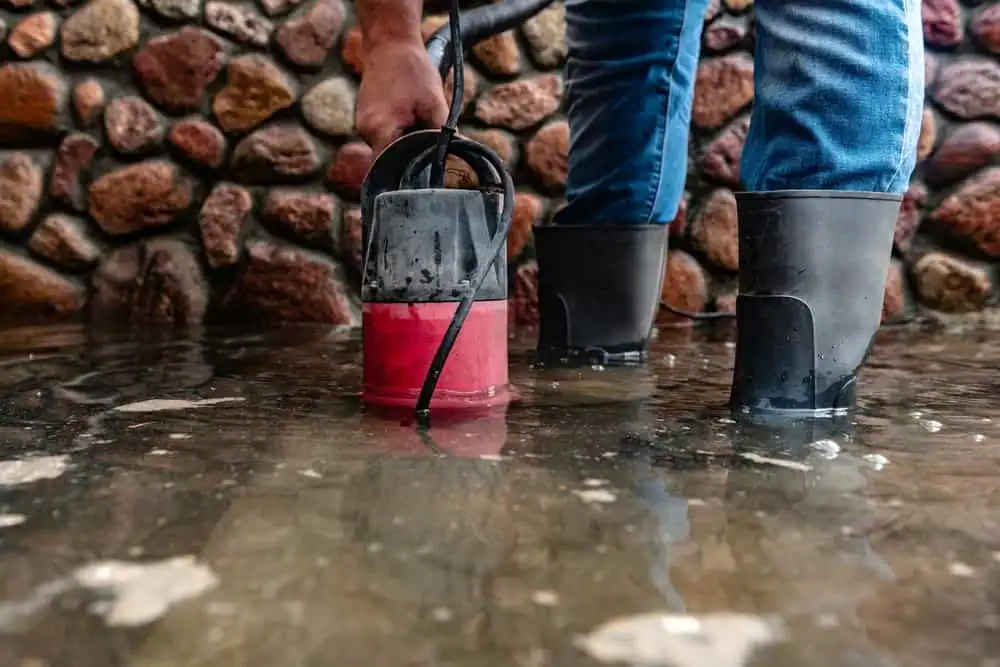
When a pipe lets go in a Firthcliffe home — especially one built in the early 1900s — the damage moves faster than most people expect. We respond 24/7, handle everything from water extraction to full reconstruction, and deal with your insurance directly so you don’t have to.
I needed a professional consultation explanation of procedure for safe removal of Asbestos in my apartment complex. Without having an account yet, I was very impressed with the caring, knowledgeable and generous advice offered by Jessica, and will look forward to doing business in the future. Thank you so much! I feel much more informed about a sometimes scary endeavor. Peace. Nancy Silva Mineola, NY.
Mia Munoz
Used this company to clean up some water flood in my house. They were fast and easy to work with.very professional, Would recommend to anyone!
Nini Valle
Great company, had a flood and they responded quickly and efficiently. Billed my insurance company directly. I highly recommend this company!
joe colapietro, jr
I had pipe freeze in my basement right before a snow storm and they made to within an hour to help start the clean up process. They we by our side throughout the entire process and even helped with the insurance company. They did such a great job with the cleanup, repair, remidiation, I contracted them to perform the repairs and finishes in the basement. They came with enough manpower and material to get the job done. Leo and Jessica were nothing but a pleasure to deal with!!
Cristian Arredondo c
I had some water damage in my home and Green Island was able to take care of my issue quickly and effectively. I am very pleased with the work they did. They responded quickly and were very professional.
Michael M
Outstanding service! From the office to the field crew everyone was friendly, helpful and responsive. I highly recommend Green Island Group.
A burst pipe doesn’t just soak a floor. In a Firthcliffe home — the kind built when the Firth Carpet Company was putting up worker housing along Firth Street — water gets into plaster walls, old-growth lumber framing, and subfloor assemblies that were never designed to drain. By the time you see it, it’s already inside the structure.
The EPA puts the mold window at 24 to 48 hours after water contacts the material. In homes with the kind of dense, layered construction common in Firthcliffe’s older blocks, that process happens faster than it would in a newer build. Wet porous materials in a closed wall cavity don’t dry on their own. They stay wet, and mold moves in.
What you’re actually protecting when you call quickly isn’t just the floor or the drywall — it’s the whole project cost. Water damage caught within the first day is a contained remediation. The same damage left for 72 hours often turns into a mold remediation job on top of the original repair, and the numbers change significantly. Acting tonight is the most cost-effective decision you can make right now.
We’ve been doing environmental restoration work in the Hudson Valley for over 12 years, which means we’ve worked extensively in the kind of homes that define Firthcliffe — pre-war construction, galvanized pipes running through exterior walls, materials that predate modern building codes, and wall assemblies that don’t behave the way a newer home would during a water damage event.
We’re NYS and NYC M/WBE Certified, fully insured including liability and workers’ compensation, and we carry both a NYS Mold Remediation Contractor License and in-house asbestos abatement licensing — which matters more in a community like Firthcliffe, where homes near Willow Avenue and throughout the original company-town grid were built long before asbestos was understood as a hazard.
This isn’t a franchise operation running off a national playbook. We’re a company that has handled enough Firthcliffe water damage jobs to know exactly what’s behind the walls in a home like yours — and what it takes to fix it properly.
When you call, a crew gets dispatched — not a scheduler, not a callback queue. Someone picks up and a team moves. That first response is focused entirely on stopping the damage from spreading: water extraction, containment, and an initial moisture assessment to understand where the water actually went, not just where it’s visible.
From there, the work shifts to structural drying. We use calibrated moisture meters and thermal imaging to map every affected area, including the cavities inside walls and under floors that look fine on the surface but aren’t. In Firthcliffe’s older homes, this step is especially important — water travels differently through plaster and old-growth wood than it does through modern drywall, and a surface reading alone won’t tell you the full picture. Daily moisture logs track drying progress to IICRC standards, so there’s a documented record that the structure is actually dry before anything gets closed up.
If the remediation uncovers asbestos-containing materials — which is a real possibility in any Firthcliffe home built before 1980, and especially in those built before World War II — we handle abatement in-house. No waiting on a separate subcontractor, no scheduling gap, no legal gray area. Once the structure is clean and dry, reconstruction begins: walls, floors, ceilings, whatever the job requires. One company, one timeline, one point of contact from the emergency call to the finished room.
The reality of doing burst pipe repair in Firthcliffe is that you’re often working in a home that has more history in its walls than the current owner may realize. The Firth Carpet Company started building worker housing here in 1886. A lot of those homes are still standing, still occupied, and still carrying original or near-original pipe configurations, steam heat supply lines wrapped in old insulation, and floor tile that predates the asbestos regulations of the 1970s. That’s not a problem — it’s just context. But it changes what proper remediation actually looks like.
Our scope covers the full range: emergency water extraction, structural drying with daily moisture documentation, mold remediation under our NYS Article 32 license, asbestos abatement when required, and complete reconstruction. Everything is handled in-house, which means no subcontractor delays and no gaps in accountability. We also work directly with all major insurance carriers — handling documentation, adjuster communication, and scope negotiation on your behalf — so the claims process doesn’t fall on you during an already stressful situation.
For Firthcliffe homeowners who need flexibility on cost, we offer financing up to $200,000 at 0% APR. In a neighborhood where property values have climbed to a median of over $400,000 but household incomes remain modest, that option isn’t a footnote — it’s often what makes proper remediation financially accessible when it needs to happen right now.
Does homeowners insurance cover burst pipe damage in Firthcliffe, NY?
In most cases, yes — but the details matter. Standard homeowners insurance policies typically cover sudden and accidental water damage from a burst pipe, which includes the cost of drying, remediation, and structural repairs. What they usually don’t cover is the pipe itself, or damage that resulted from a slow leak you knew about and didn’t address. The key word insurers look for is “sudden.”
In Firthcliffe, where a lot of homes have aging galvanized pipes that are well past their designed service life, the question of whether the failure was sudden or the result of gradual deterioration can come up during the claims process. That’s one reason having a restoration company that documents everything properly from the start — moisture readings, photos, timeline of response — matters so much. We handle all of that documentation and communicate directly with your adjuster, which helps protect your claim and keeps the process moving.
How fast does mold actually start growing after a pipe bursts?
The EPA’s guidance puts mold growth at 24 to 48 hours after a water intrusion event — and that clock starts when the water contacts the material, not when you notice it. In practice, that means a pipe that burst overnight while you were asleep may already be approaching that window by the time you’re making calls in the morning.
In older Firthcliffe homes with plaster walls and dense framing assemblies, the situation can move faster than it would in a newer build. Water wicks into porous materials — horsehair plaster, old-growth lumber, subfloor boards — and those materials hold moisture in ways that modern drywall doesn’t. The interior of a wall cavity in a pre-war Firthcliffe home can stay wet for weeks if it isn’t actively dried with professional equipment. Getting extraction and drying started the same night is the most effective way to stay ahead of mold growth.
Why does asbestos matter during burst pipe repair in an older home?
When a pipe bursts and walls need to be opened for remediation, you’re disturbing whatever is inside those walls. In a Firthcliffe home built before 1980 — and especially one built in the early twentieth century as part of the original Firth Carpet Company worker housing — that can include pipe insulation, floor tiles, ceiling tiles, and joint compound that contain asbestos. These materials weren’t known to be hazardous when they were installed, but they are regulated now.
Under New York State law, any work that disturbs asbestos-containing materials must be performed by a licensed abatement contractor. A restoration company that doesn’t have that capability in-house either has to subcontract it — which adds cost and delays — or proceed without it, which creates legal and health liability for both the contractor and the homeowner. We hold in-house asbestos abatement licensing, which means if it comes up during your remediation, it gets handled as part of the same project without stopping the clock on your recovery.
What's the difference between a plumber and a water damage restoration company?
A plumber fixes the pipe. A restoration company fixes everything the water touched after the pipe failed. Those are two completely different scopes of work, and most homeowners don’t realize that until they’re standing in a damaged room trying to figure out who to call next.
Once the pipe is repaired and the water stops flowing, you still have standing water to extract, wet materials to dry, hidden moisture to map, potential mold to address, and — depending on the age of your home — possible asbestos to abate before any of the structural work can begin. Then there’s the reconstruction: walls, floors, ceilings, whatever was damaged or removed during remediation. We handle all of that. You don’t need to find a separate remediation company and then a separate general contractor. One call covers the full scope from emergency response through finished reconstruction, which matters a lot when you’re living in the house and want the disruption to end.
When are burst pipes most common in Firthcliffe, and how can I reduce the risk?
The highest-risk period in Firthcliffe is January through February, when extended cold snaps push temperatures well below freezing and pipes in unheated spaces — exterior walls, crawl spaces, uninsulated attic runs — freeze and then rupture when they thaw. The Hudson Highlands terrain around Storm King Mountain creates cold air drainage patterns that can make Firthcliffe’s ground-level temperatures meaningfully colder than regional forecasts suggest, which compounds the risk for homes that weren’t built with modern insulation standards.
The failure usually happens during the thaw, not the freeze — the pipe ruptures when the ice expands, but you don’t see the water until everything starts to melt. That delay between the failure and the visible damage is part of what makes burst pipes so destructive. In an older Firthcliffe home with pipes running through exterior walls, the best prevention is keeping heat consistent throughout the house, knowing where your main shutoff is, and insulating any exposed pipe runs in unheated spaces before winter sets in. If you’re leaving the house for an extended period during cold weather, don’t drop the thermostat below 55°F.
How much does burst pipe water damage repair typically cost in the Cornwall area?
The range is wide, and it depends heavily on how quickly the damage was addressed and how far the water traveled. A water damage event caught within the first 24 hours — where extraction and drying begin before mold has a chance to establish — is typically a more contained remediation. The same event left for 72 hours or more often becomes a significantly larger project once mold remediation is added to the scope.
Nationally, the average homeowner insurance payout for water damage is around $13,954, but that figure doesn’t account for the full reconstruction cost in older homes where remediation requires more demolition and more careful handling of the materials inside the walls. In Firthcliffe specifically, homes with pre-war construction and potentially asbestos-containing materials can carry higher remediation costs than newer builds — not because the work is inflated, but because it genuinely requires more steps and more licensing to do properly. We work directly with your insurance carrier to document the full scope and advocate for appropriate coverage. And for costs that fall outside what insurance covers, we offer financing up to $200,000 at 0% APR so you’re not forced to defer the work while the damage compounds.