Summary:
If you’ve got sewage backing up into your basement or bathroom, the instinct is to start cleaning immediately. Grab the mop, pour on the bleach, get the shop vac going. It feels like the right move.
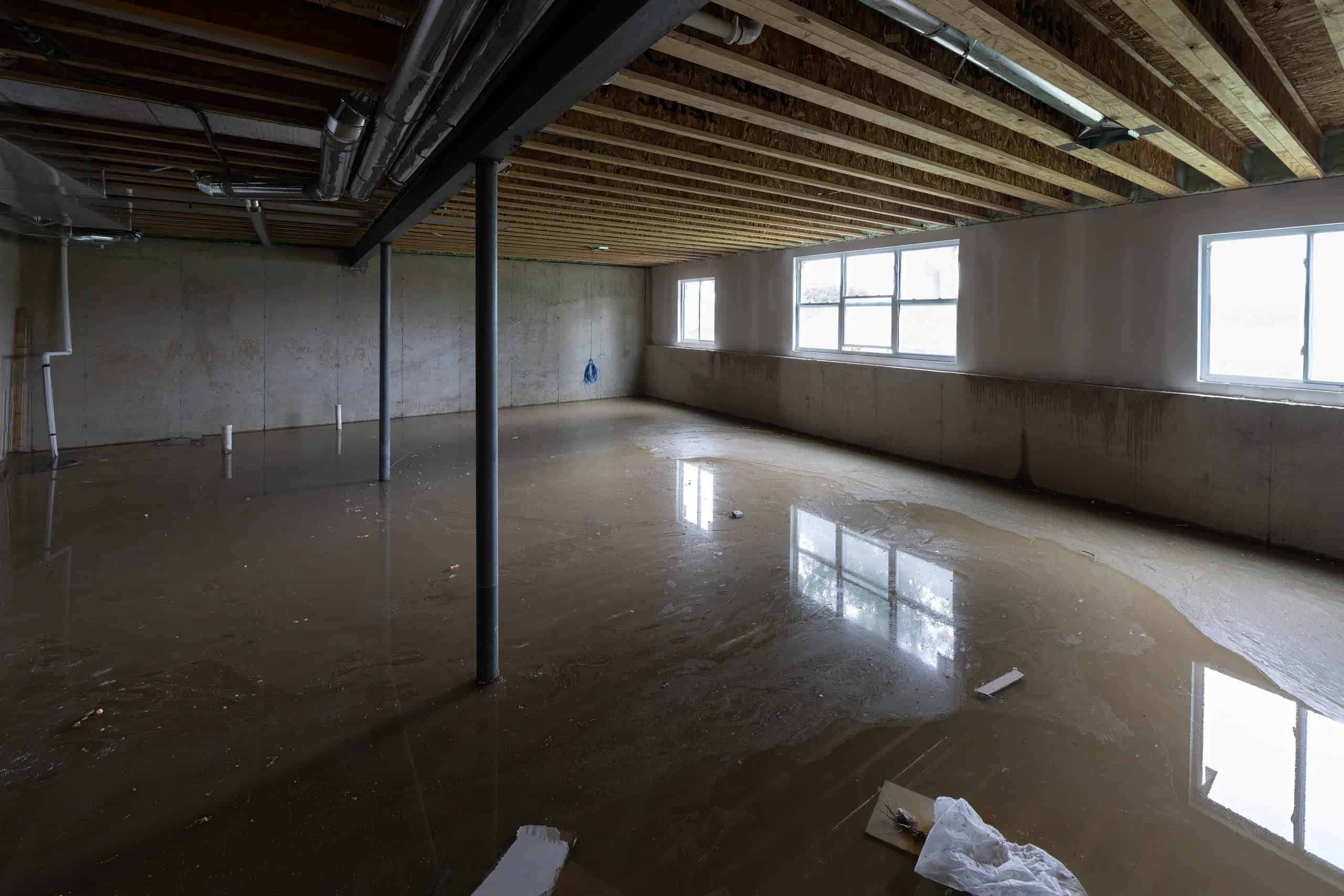
But sewage isn’t dirty water. It’s classified as a biohazard — and the way most people try to handle it at home can actually make things worse, spread contamination further, and leave your family exposed to bacteria and pathogens you can’t see or smell. Here’s what’s actually happening inside your home when a sewer backs up, and what it takes to genuinely fix it.
Why Sewer Backup Cleanup Is More Dangerous Than It Looks
Sewage water — regardless of how it looks or how long it’s been sitting — is automatically classified as Category 3 contamination under the IICRC’s industry standard for water damage restoration. That’s the most dangerous category there is. It can contain E. coli, Salmonella, Hepatitis A, Norovirus, and a range of other pathogens that pose real health risks, especially for children, elderly family members, or anyone with a compromised immune system.
The problem with DIY cleanup isn’t effort — it’s equipment and biology. Bleach gets deactivated by organic matter like feces and sewage solids, which means it’s doing almost nothing useful when you pour it on a contaminated floor. And fans, which seem like a logical drying tool, actually spread airborne pathogens throughout your home when used in a sewage-affected space. That’s not a minor issue — it’s a direct violation of professional remediation standards, and it can turn a contained problem into a whole-house contamination event.
What Happens to Your Home If Sewage Isn't Cleaned Up Properly
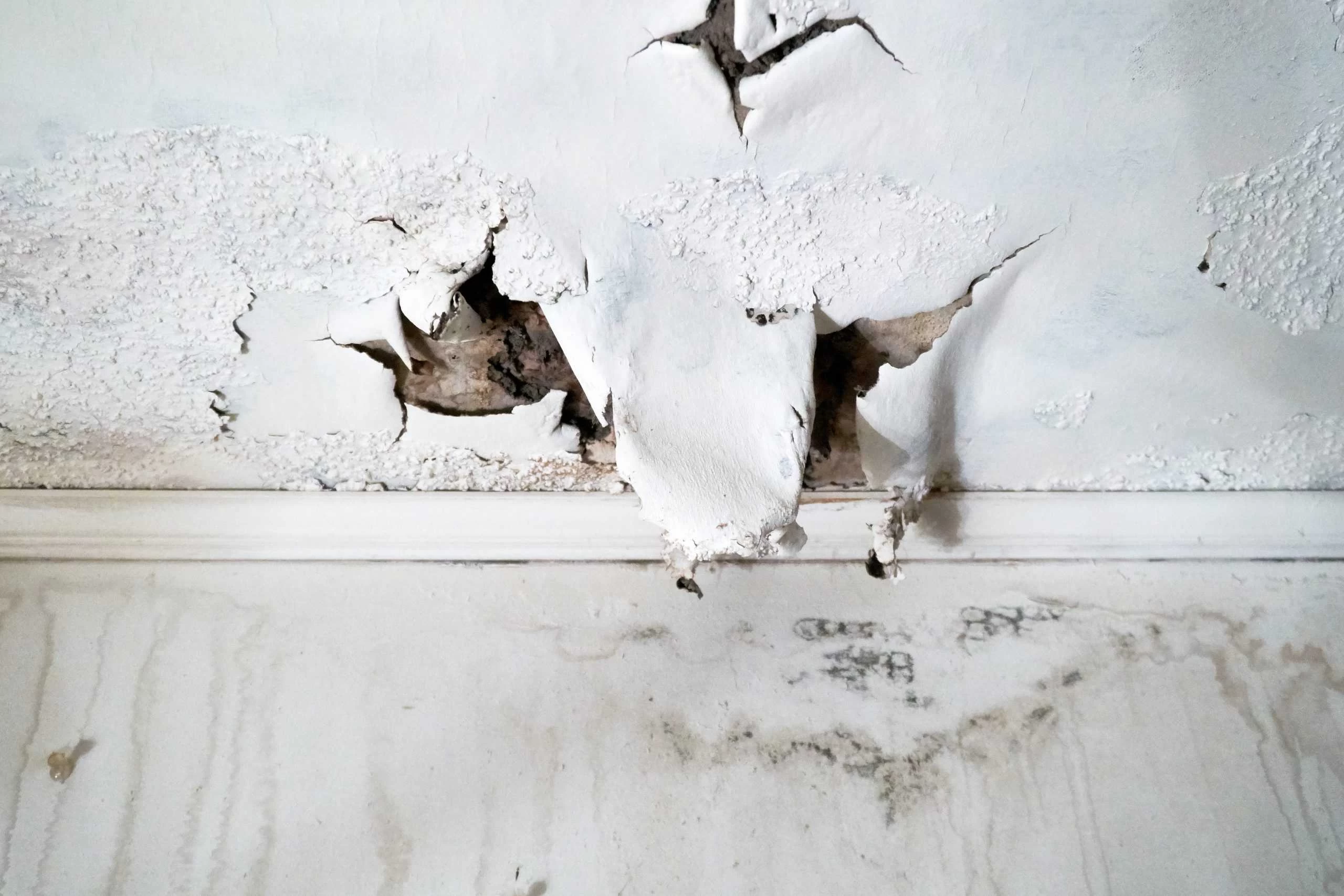
The contamination you can see is only part of the problem. Sewage water absorbs into porous materials — carpet, drywall, wood framing, subfloor, insulation — within minutes. Once it’s in there, surface cleaning doesn’t reach it. You can scrub a floor until it looks spotless and still have active bacterial contamination sitting in the wood underneath.
Mold compounds this. It begins growing within 24 to 48 hours of moisture exposure, and it doesn’t need much. A damp subfloor or wall cavity is enough. By the time you can see mold, it’s already been colonizing for days — often behind walls or under flooring where you’d never think to look. In a Nassau County home built in the 1950s or 1960s, where original drywall and wood framing are still in place, this spreads fast.
The other thing most people don’t account for is what gets discovered during cleanup. Nassau County’s post-WWII housing stock — the Levittown-era homes, the Garden City colonials, the Hempstead split-levels — frequently contains asbestos in pipe insulation, floor tiles, and joint compound. Disturbing those materials during a sewage cleanup without proper licensing creates a separate and serious legal and health problem. We hold both the NYS DOL Mold license and the NYS DOL Asbestos license, which means if we open a wall and find something unexpected, we can handle it without stopping work, calling in a subcontractor, or leaving your home partially demolished while you wait.
Porous materials contaminated with Category 3 sewage water cannot be dried and reused. They have to be removed and disposed of as biohazardous waste — which requires a specific waste disposal license. In New York, that’s the NYC BIC Trade Waste license. A company without it can’t legally dispose of those materials, and if they don’t tell you that upfront, the problem doesn’t actually leave your home.
What Professional Sewer Backup Cleanup Actually Involves
Professional sewage cleanup follows a defined sequence, and every step matters. Skipping or shortcutting any part of it is how contamination gets left behind.
It starts with a full contamination assessment — not a visual scan, but moisture mapping with professional meters that detect saturation in materials that look dry on the surface. From there, the affected area is contained to prevent cross-contamination from spreading to clean parts of the home. Then comes extraction using truck-mounted or industrial pump equipment — not a shop vac — which removes sewage and contaminated water completely rather than pushing it around.
After extraction, all porous materials in the contamination zone are removed. That means carpet, padding, drywall, insulation, and any structural framing that absorbed sewage water. Those materials go out as biohazardous waste. What stays gets treated with industrial-grade antimicrobial agents — not household disinfectants, which don’t have the penetration or the pathogen coverage required for Category 3 contamination. Then structural drying begins using commercial air movers and dehumidifiers, with moisture readings taken throughout the process until the space returns to pre-loss baseline levels. Deodorization follows — not air freshener, but equipment that eliminates odor-causing compounds at the molecular level.
The last piece is documentation. Every step of the process gets logged — photos, moisture readings, treatment records — because that documentation is what your insurance company needs to process a claim. Without it, you’re relying on your own word that the cleanup was done correctly, and insurance adjusters don’t work that way. We handle that documentation as a standard part of every job, and we bill insurance directly, which is something our customers specifically call out in reviews as one of the biggest reliefs of the whole experience.
Does Insurance Cover Sewer Backup Cleanup in Nassau County?
This is one of the first questions homeowners ask, and the honest answer is: it depends on whether you purchased a sewer backup endorsement when you set up your homeowners policy. Standard homeowners insurance policies in New York do not cover sewer backup damage by default. It requires a separate rider — typically $50 to $250 per year — that most people either didn’t know to add or forgot they had.
If you have the endorsement, coverage usually runs between $5,000 and $25,000. If you don’t, the full cost of cleanup and restoration falls on you. The average professional sewage cleanup runs $2,000 to $10,000, with major basement restorations going higher. That’s a significant number, which is why we also offer financing up to $200,000 at 0% APR — because the right response to a sewage backup shouldn’t be limited by what you have in your checking account right now.
How to File a Sewer Backup Insurance Claim the Right Way
The biggest mistake homeowners make with insurance claims is attempting cleanup before the damage is documented. Insurance adjusters need to see the scope of the loss — the affected area, the materials involved, the moisture levels — before remediation begins. If you’ve already ripped out carpet, mopped up sewage, and dried the floor, you’ve potentially eliminated the evidence your claim depends on.
The second mistake is assuming the claim will be straightforward. Sewer backup claims in Nassau County can get complicated quickly, especially in older homes where the backup caused damage to multiple systems — flooring, walls, HVAC, stored belongings. Adjusters look for documentation that the cleanup met professional standards, which is why IICRC-certified companies matter to the claims process. Our IICRC Water/Fire Damage certification means our work is recognized by insurance carriers as meeting the industry benchmark.
We handle the insurance side from start to finish. That means documenting the damage before we touch anything, maintaining detailed records throughout the cleanup, and billing your carrier directly so you’re not stuck in the middle managing paperwork during an already stressful situation. Nassau County homeowners who’ve worked with us through insurance claims consistently cite that direct billing process as one of the most valuable parts of the experience — it removes an entire layer of stress from a situation that’s already overwhelming.
Why Nassau County Homes Face a Higher Sewer Backup Risk Than Most
Nassau County has a specific combination of factors that makes sewer backup a more common and more serious problem here than in newer suburban markets.
A large portion of the county’s housing stock was built between the late 1940s and the early 1970s — the Levittown expansion, the post-war buildout across Hempstead, Uniondale, and Elmont, the developments that spread across the South Shore through the 1960s. Those homes were built with clay tile, cast iron, or Orangeburg sewer lateral pipes. Orangeburg, in particular, is a tar-fiber material that was used heavily through the 1970s and was never designed to last more than 50 years. It softens, collapses, and fails — and a lot of it is still in the ground under Nassau County properties right now.
The county’s mature tree canopy makes this worse. Large oaks and maples in established neighborhoods like Garden City, Manhasset, and Great Neck have root systems that actively seek water sources, and aging sewer laterals are exactly that. Root intrusion builds gradually and then fails suddenly — usually during a heavy rain event when the system is already under stress.
The South Shore geography adds another layer. Communities like Long Beach, Island Park, Oceanside, Freeport, and Merrick sit at or near sea level. When a nor’easter or tropical storm drops significant rainfall, the municipal sewer system gets overwhelmed and sewage backs up through floor drains into connected homes. This isn’t a rare event in these communities — it’s a recurring pattern that Nassau County residents in low-lying areas have come to expect. Hurricane Sandy brought this into sharp focus for the entire county in 2012, and the conditions that made Sandy so damaging haven’t changed.
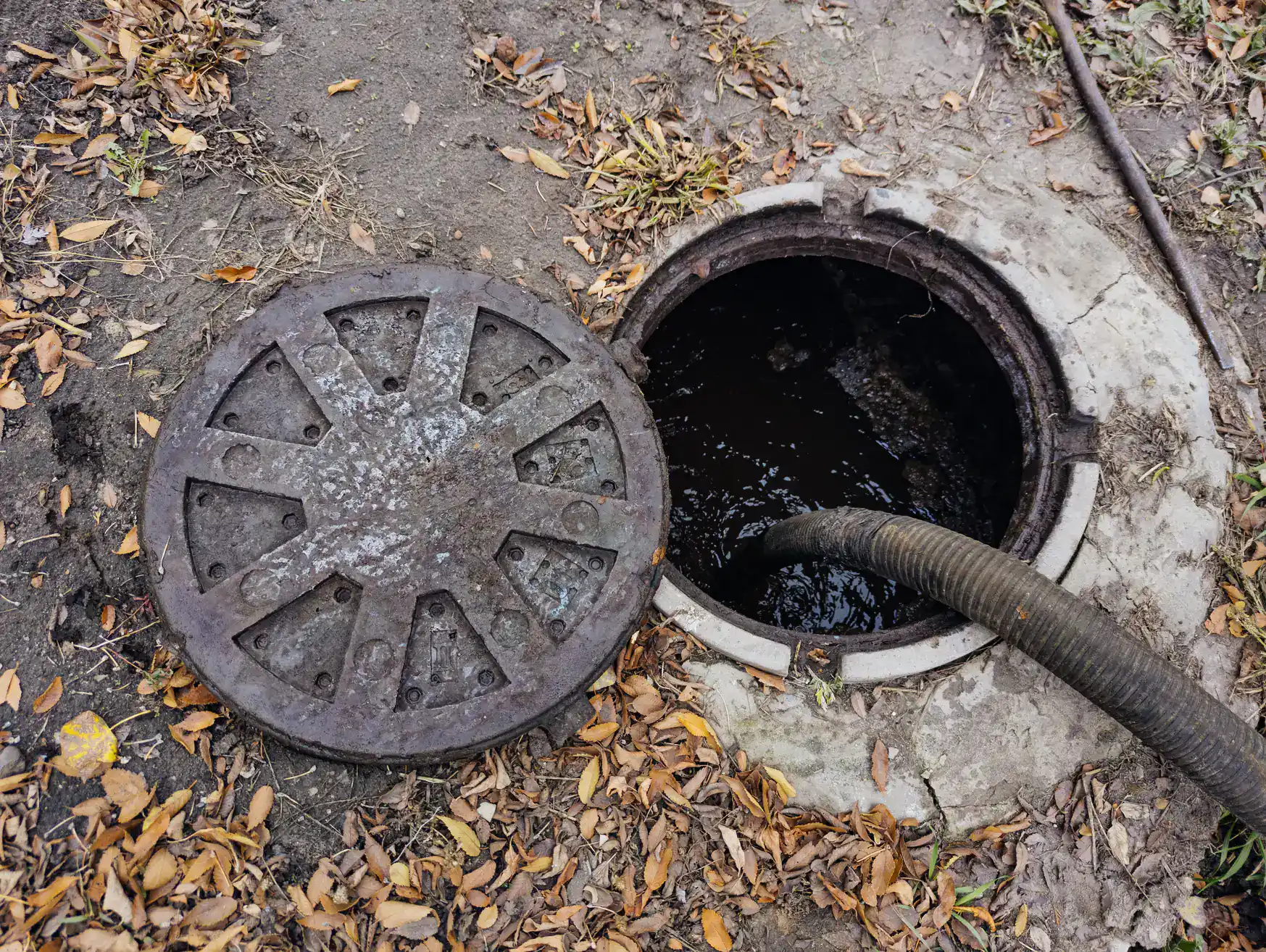
About 10% of Nassau County properties are not on the municipal sewer system at all and rely on cesspools or private septic systems. Cesspool backup is a different scenario — the contamination is typically more concentrated, and the cleanup requires coordination with licensed cesspool contractors in addition to the restoration work itself. We’re familiar with both scenarios and have worked throughout Nassau County on both municipal sewer and cesspool-related cleanups.
We hold the Nassau County General Contractor license specifically — not just a state or New York City credential. That matters because Nassau County has its own licensing requirements, and a company operating here without that license isn’t fully compliant with the county’s regulatory framework. We also work directly with Nassau and Suffolk County government as a client, which means we’ve been through the formal vetting process those entities require. That’s not a marketing claim — it’s a matter of public record.
When to Call a Professional for Sewer Backup Cleanup in Nassau County
The short answer is: immediately, and before you attempt any cleanup yourself. Every hour that sewage sits in your home, contamination deepens, mold gets closer to taking hold, and the total cost of restoration goes up. The instinct to handle it yourself is understandable, but the gap between what household cleaning can accomplish and what the situation actually requires is significant — and that gap tends to get more expensive the longer it goes unaddressed.
If you’re in Nassau County and dealing with a sewage backup right now, we respond 24 hours a day, seven days a week. We handle the full scope — extraction, decontamination, structural drying, mold prevention, insurance documentation, and complete restoration — so you’re not coordinating multiple contractors through a situation that’s already stressful enough. Reach out and we’ll get someone there.