Fire Damage Restoration in North New Hyde Park, NY
When Your Cape Cod Fills With Smoke, We Handle Everything From Emergency to Move-In
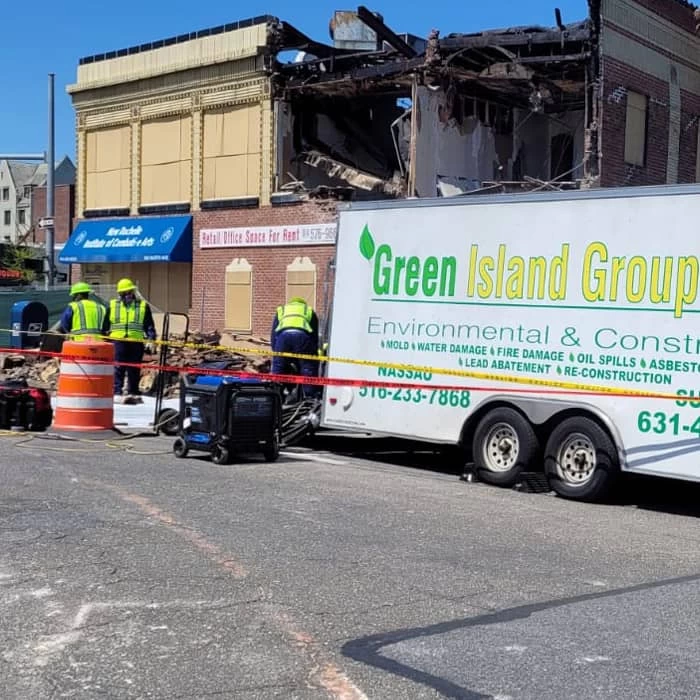
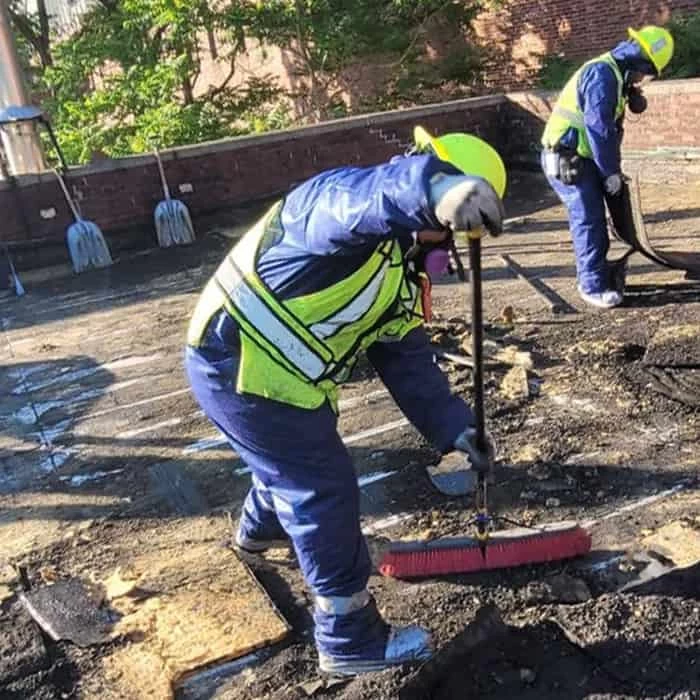
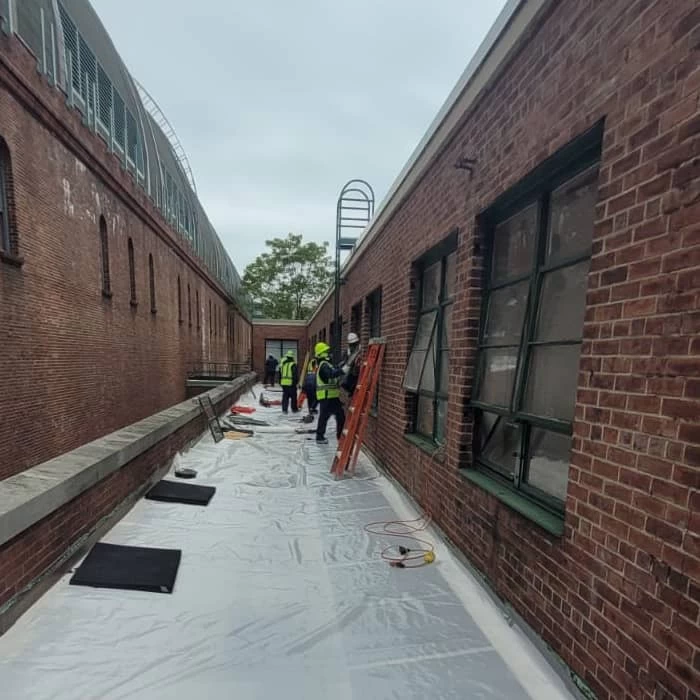
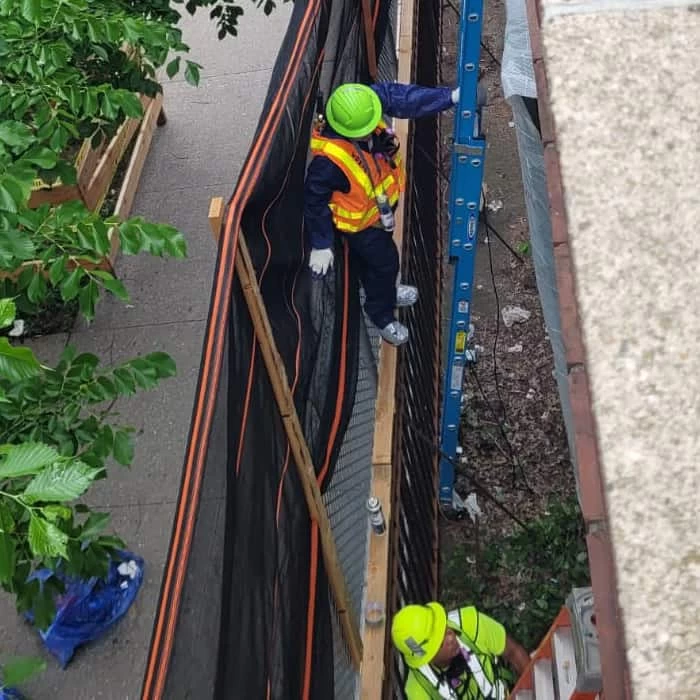
Fire damage in North New Hyde Park moves fast—and so does the clock on soot, water, and what hides inside the walls of these older homes. We handle fire damage restoration from the first emergency call to the day you move back in.
I needed a professional consultation explanation of procedure for safe removal of Asbestos in my apartment complex. Without having an account yet, I was very impressed with the caring, knowledgeable and generous advice offered by Jessica, and will look forward to doing business in the future. Thank you so much! I feel much more informed about a sometimes scary endeavor. Peace. Nancy Silva Mineola, NY.
Mia Munoz
Used this company to clean up some water flood in my house. They were fast and easy to work with.very professional, Would recommend to anyone!
Nini Valle
Great company, had a flood and they responded quickly and efficiently. Billed my insurance company directly. I highly recommend this company!
joe colapietro, jr
I had pipe freeze in my basement right before a snow storm and they made to within an hour to help start the clean up process. They we by our side throughout the entire process and even helped with the insurance company. They did such a great job with the cleanup, repair, remidiation, I contracted them to perform the repairs and finishes in the basement. They came with enough manpower and material to get the job done. Leo and Jessica were nothing but a pleasure to deal with!!
Cristian Arredondo c
I had some water damage in my home and Green Island was able to take care of my issue quickly and effectively. I am very pleased with the work they did. They responded quickly and were very professional.
Michael M
Outstanding service! From the office to the field crew everyone was friendly, helpful and responsive. I highly recommend Green Island Group.
Your Home Back—Without the Contractor Juggling Act
Most people don’t realize how far the damage actually travels. A kitchen fire or a basement electrical fault in a 1950s split-level doesn’t stay in one room. Smoke moves through HVAC systems, wall cavities, and every porous surface in the house. By the time the fire department clears the scene, the real work hasn’t even started.
North New Hyde Park’s housing stock makes this more complicated than most. The Cape Cods and raised ranches built here between 1940 and 1965 almost always contain asbestos-containing materials—floor tiles, pipe insulation, joint compound—and lead paint. A fire disturbs all of it. Any contractor who doesn’t hold a NYS DOL Asbestos License and USEPA Lead/RRP certification legally cannot touch those materials. That means a lot of restoration companies have to stop mid-project or bring in a third party, leaving you with gaps in accountability and delays you can’t afford.
Then there’s the water. The firefighting suppression that saved your home also soaked into your subfloors, insulation, and framing. In Long Island’s humidity, mold growth can begin within 24 to 48 hours. Addressing fire, smoke, water, and mold under one roof—with one licensed contractor—is the difference between a clean recovery and a second crisis three weeks later.
Licensed Fire Restoration Company, North New Hyde Park
Every License the Job Requires—Before We Walk In the Door
We’re a locally owned restoration company serving Long Island, Queens, and New York City. With over 5,000 completed projects across New York State, we’ve worked through every version of fire and smoke damage that North New Hyde Park’s post-war housing stock can produce—and we hold the credentials to handle all of it legally and completely.
That credential stack matters here. IICRC certification for both fire and water restoration. NYS DOL Asbestos and Mold licenses. USEPA Lead/RRP certification. And a Nassau County General Contractor License—meaning we’re authorized to take a fire-damaged home in North New Hyde Park from emergency stabilization all the way through full reconstruction without handing you off to someone else.
We also bill insurance directly. For homeowners near the Northwell Health corridor on Jericho Turnpike or anywhere across North New Hyde Park—whether you’re in Lakeville Estates or closer to the Union Turnpike side—you get one point of contact, one company, and a team that’s navigated hundreds of insurance claims on behalf of Long Island homeowners.
From Emergency Response to Move-In Day—Here's the Actual Process
It starts with a call, any time of day or night. We operate 24/7, 365 days a year, and can be on-site within an hour. That timeline matters because acidic soot begins bonding permanently to metal surfaces within hours of a fire, and every hour without professional intervention adds to the scope of what needs to be repaired.
Once on-site, our first priority is assessment—structural safety, air quality, and full documentation of damage for your insurance carrier. Because North New Hyde Park’s homes were built predominantly before 1960, the assessment always includes a check for asbestos-containing materials and lead paint. If either is present, our licensed abatement crew handles it in-house. There’s no subcontractor call, no project pause, no awkward conversation about needing to bring someone else in.
From there, the process moves through water extraction and drying, smoke and soot remediation, odor elimination—using air scrubbing, thermal fogging, and NADCA-certified HVAC cleaning—and finally, full structural reconstruction under our Nassau County General Contractor License. The Town of North Hempstead requires building permits for post-fire reconstruction, and we manage that process as part of the job. You shouldn’t have to figure out permit requirements while you’re displaced from your home.
Fire Smoke Damage Restoration Services, North New Hyde Park
What's Actually Included When Your Home Has Asbestos, Lead, and Smoke
Fire damage restoration in a pre-1960 North New Hyde Park home is not the same job as fire restoration in a newer build. The materials are different, the hazards are different, and the legal requirements are different. What we bring to a job in this community is a scope that accounts for all of it.
On the remediation side, that includes full smoke and soot removal from all affected surfaces, thermal fogging and ozone treatment for odor, air scrubbing with HEPA filtration, and NADCA-certified HVAC cleaning—because in a split-level or Cape Cod, the ductwork carries smoke into every room. If an oil burner puff-back is involved—which is common in Nassau County’s older oil-heated homes—the soot is oily, fine, and coats surfaces in ways that standard cleaning cannot address. That requires a different process, and our IICRC-certified technicians know the difference.
On the abatement and reconstruction side, the scope includes licensed asbestos abatement, lead-safe renovation practices, water extraction and structural drying, mold prevention, and full rebuild under our Nassau County General Contractor License. Every phase is documented to insurance-standard specifications, and we work directly with your insurance carrier throughout. One scope. One company. One claim.
What should I do immediately after a house fire in North New Hyde Park?
The most important thing you can do in the first hour is not re-enter the home until a professional has confirmed it’s structurally safe and the air quality has been assessed. Soot and smoke residue from a house fire—especially in a North New Hyde Park home where burned synthetic materials and potentially disturbed asbestos are involved—can be genuinely hazardous to breathe. The fire department clears the scene, but they don’t assess air quality or structural integrity for habitation purposes. That’s a separate evaluation.
Once you’re safe, call a licensed restoration company immediately. The damage clock starts the moment the fire is out. Soot begins etching metal surfaces within hours. Smoke particles embed deeper into drywall, insulation, and wood framing with every passing day. And the water used to suppress the fire creates mold risk within 24 to 48 hours in Long Island’s climate. The faster professional extraction and drying begins, the less total damage you’re dealing with—and the lower your overall restoration cost.
Will my homeowner's insurance cover fire damage restoration in North New Hyde Park?
In most cases, yes—standard homeowner’s insurance covers fire damage, including smoke and soot remediation, water damage from firefighting suppression, and structural reconstruction. But the coverage you actually receive depends heavily on how the damage is documented and how the claim is submitted. Insurance carriers look for IICRC-certified documentation. They want a scope of work that accounts for every phase of the damage, not just what’s visibly burned.
North New Hyde Park homeowners tend to carry substantial policies given the property values here—homes in the area are currently valued in the $920,000 to $990,000 range—but a poorly documented claim can still result in a payout that falls short of the actual restoration cost. We bill insurance directly and document every phase of the job to insurance-standard specifications. We’ve guided hundreds of Long Island homeowners through the claims process, and our team stays involved from the initial assessment through final reconstruction—so you’re not navigating the paperwork alone while you’re displaced.
My oil burner backfired and covered everything in soot—is that a fire damage situation?
Yes, and it’s more common in North New Hyde Park than most people realize. An oil furnace puff-back happens when an oil burner misfires and releases a cloud of fine, oily soot through the HVAC system and into the living space. There’s no open flame, but the damage is pervasive—soot coats walls, ceilings, furniture, clothing, and the inside of every duct in the house. It looks and smells like a fire even though nothing actually burned.
The cleanup is not a standard wipe-down job. Puff-back soot is oily and fine, which means it penetrates porous surfaces and coats ductwork in a way that regular cleaning products can’t address. It requires the same IICRC-certified smoke and soot remediation process used after a structural fire, including NADCA-certified HVAC cleaning to clear the ductwork. Most homeowner’s insurance policies cover puff-back damage, so it’s worth making the call before assuming you’re paying out of pocket. Long Island’s older oil-heated housing stock makes this a recurring situation—our technicians know exactly what they’re looking at when they walk into a puff-back job.
How long does fire damage restoration take for a home in North New Hyde Park?
The honest answer is that it depends on the scope of the damage and what’s found during the initial assessment. A contained kitchen fire with limited smoke spread might be fully remediated in one to two weeks. A structural fire that affects multiple rooms of a 1950s Cape Cod—where asbestos abatement, water extraction, and full reconstruction are all required—can take several months.
What adds time in North New Hyde Park specifically is the age of the housing stock. Pre-1960 homes almost always require asbestos testing before demolition or reconstruction can legally begin in New York State. If asbestos-containing materials are present and disturbed, licensed abatement has to be completed before the rebuild phase starts. That’s not a delay caused by us—it’s a legal requirement. The Town of North Hempstead also requires building permits for post-fire reconstruction, which adds a processing timeline to the equation. A company that manages all of this in-house—abatement, permitting, and reconstruction—moves through those steps faster than one that has to coordinate multiple subcontractors.
Can smoke damage affect rooms that weren't near the fire in my North New Hyde Park home?
Absolutely, and this is one of the most commonly underestimated aspects of fire damage in older homes. In a North New Hyde Park split-level or Cape Cod, the HVAC system connects every room in the house. Smoke travels through ductwork, wall cavities, and structural gaps well beyond the room of origin. It’s not unusual for a basement electrical fire to produce soot and odor in second-floor bedrooms that show no visible burn damage at all.
Microscopic smoke particles also embed into drywall, insulation, wood framing, upholstery, and clothing—and they carry toxic compounds from burned synthetic materials that don’t simply dissipate on their own. A persistent smoke odor weeks after a fire is a sign that the remediation didn’t go far enough. Proper fire smoke damage restoration addresses what’s embedded, not just what’s visible—which means air quality assessment, HEPA air scrubbing, thermal fogging, ozone treatment, and HVAC cleaning as a standard part of the scope, not an add-on.
Does Green Island Group handle both the cleanup and the rebuild, or do I need a separate contractor?
We handle the full scope—emergency response, hazardous material abatement, smoke and soot remediation, water extraction, mold prevention, and complete structural reconstruction—under one roof. We hold a Nassau County General Contractor License specifically, which is required by law to perform reconstruction work in the Town of North Hempstead. That’s not a credential every restoration company operating in this area can claim.
The reason this matters practically is accountability. When cleanup and reconstruction are split between two companies, there’s almost always a gap—in documentation, in scope, in who’s responsible for what when something comes up mid-project. For a North New Hyde Park homeowner who’s already displaced from a $920,000+ home, managing two separate contractors while navigating an insurance claim is an unnecessary burden. One company that holds every required license—asbestos abatement, mold remediation, water restoration, fire restoration, and general contracting—means one point of contact, one documented scope, and one company that’s accountable for the outcome from the first day to the last.