When Fire Hits an East Islip Home, the Recovery Needs to Be Complete
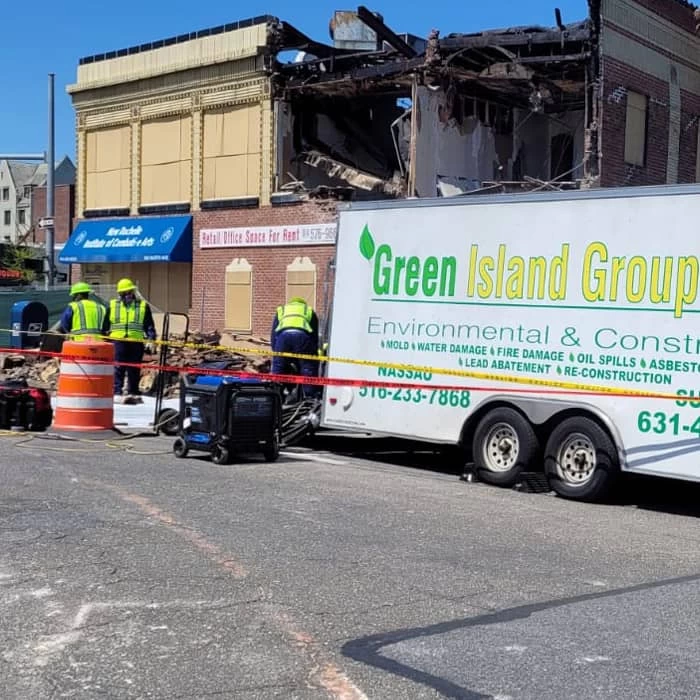
When fire hits an East Islip home, the damage goes deeper than what burned. We handle the full recovery smoke, soot, water, hazardous materials, and reconstruction so nothing gets left behind.
I needed a professional consultation explanation of procedure for safe removal of Asbestos in my apartment complex. Without having an account yet, I was very impressed with the caring, knowledgeable and generous advice offered by Jessica, and will look forward to doing business in the future. Thank you so much! I feel much more informed about a sometimes scary endeavor. Peace. Nancy Silva Mineola, NY.
Mia Munoz
Used this company to clean up some water flood in my house. They were fast and easy to work with.very professional, Would recommend to anyone!
Nini Valle
Great company, had a flood and they responded quickly and efficiently. Billed my insurance company directly. I highly recommend this company!
joe colapietro, jr
I had pipe freeze in my basement right before a snow storm and they made to within an hour to help start the clean up process. They we by our side throughout the entire process and even helped with the insurance company. They did such a great job with the cleanup, repair, remidiation, I contracted them to perform the repairs and finishes in the basement. They came with enough manpower and material to get the job done. Leo and Jessica were nothing but a pleasure to deal with!!
Cristian Arredondo c
I had some water damage in my home and Green Island was able to take care of my issue quickly and effectively. I am very pleased with the work they did. They responded quickly and were very professional.
Michael M
Outstanding service! From the office to the field crew everyone was friendly, helpful and responsive. I highly recommend Green Island Group.
What Full Recovery Actually Looks Like for East Islip Homes
A fire doesn’t stay where it starts. Smoke moves through your HVAC, seeps into wall cavities, and settles into every porous surface in the house rooms that never saw a flame can still carry toxic soot residue and odor for months if the cleanup stops at the visible damage. Real restoration means addressing all of it, not just what’s obvious.
For East Islip homeowners specifically, there’s a layer most restoration companies aren’t equipped to handle. The majority of homes here were built between the 1940s and 1970s right in the window when asbestos was standard in floor tiles, ceiling tiles, pipe insulation, and joint compound. When fire disturbs those materials, you don’t just have a smoke problem. You have a hazardous materials situation that requires state-certified abatement before any real restoration work can begin. A company that can only handle the cleanup side isn’t the right call here.
Then there’s the moisture. East Islip sits right on the edge of the Great South Bay, and the coastal humidity here accelerates mold growth faster than it would in an inland community. Firefighting water saturates walls, floors, and insulation and in this environment, mold can start taking hold within 24 to 48 hours. If water extraction and structural drying aren’t part of the same response, you’re solving one problem while creating another.
We’re a locally owned and operated Long Island restoration company not a franchise, not a national call center. When you call, you get real people who know East Islip, know the housing stock on the South Shore, and understand what fire damage actually looks like inside a 1960s cape cod in Deer Run or a waterfront home in The Moorings.
What sets us apart isn’t a tagline. It’s the fact that we handle every phase of recovery under one roof emergency stabilization, soot and smoke remediation, water extraction, asbestos abatement, mold remediation, structural repairs, and full reconstruction through final finishes. You’re not managing a relay race of contractors while you’re displaced from your home. There’s one team, one point of contact, and one clear path from where things are now to where they need to be.
Our satisfaction guarantee isn’t fine print either. We’re not done until you’re genuinely happy with the outcome and in a community like East Islip, that kind of accountability means something.
From the Moment Firefighters Leave, Here's What Happens
The first step is getting on site fast. Soot starts permanently etching and staining surfaces within 24 to 72 hours. Every hour of delay after a fire is controlled adds to the scope of the damage and in East Islip’s coastal humidity, that timeline is compressed even further. We mobilize quickly, arriving with the manpower and materials to begin emergency stabilization before secondary damage compounds.
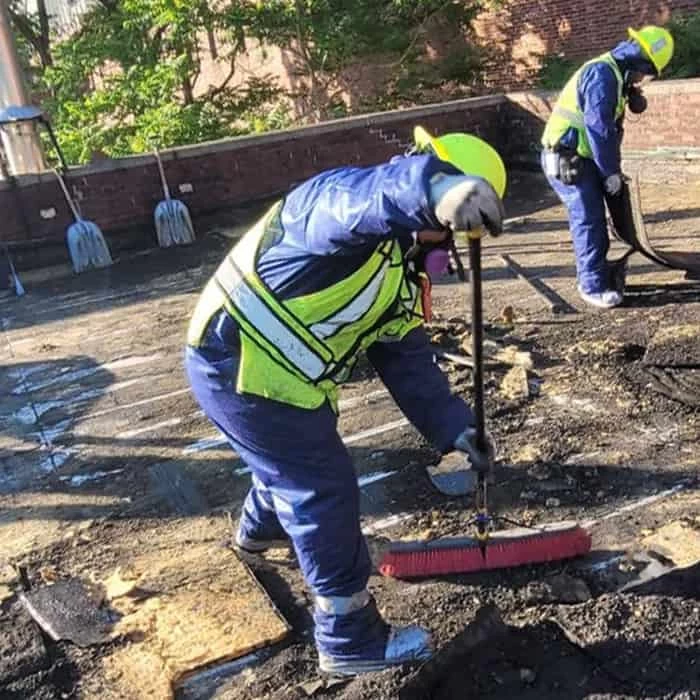
Once on site, our first priority is a full assessment not just of what burned, but of what the fire touched invisibly. That means checking for smoke penetration in the HVAC system and wall cavities, testing for moisture levels throughout the structure, and identifying whether any hazardous materials were disturbed. In East Islip, where so much of the housing stock predates 1978, that last step isn’t optional. If asbestos-containing materials are present, abatement has to happen before any other restoration work proceeds and we hold the state certifications to handle that in-house.
From there, the process moves through water extraction and structural drying, soot and smoke remediation, odor treatment, and then into reconstruction. The Town of Islip’s Building Division requires permits for structural repairs and reconstruction work, and we manage all of that pulling the right permits, coordinating inspections, and keeping the project moving without putting that administrative burden on you. By the time we’re done, your home isn’t just cleaned. It’s verified safe, structurally sound, and fully restored.
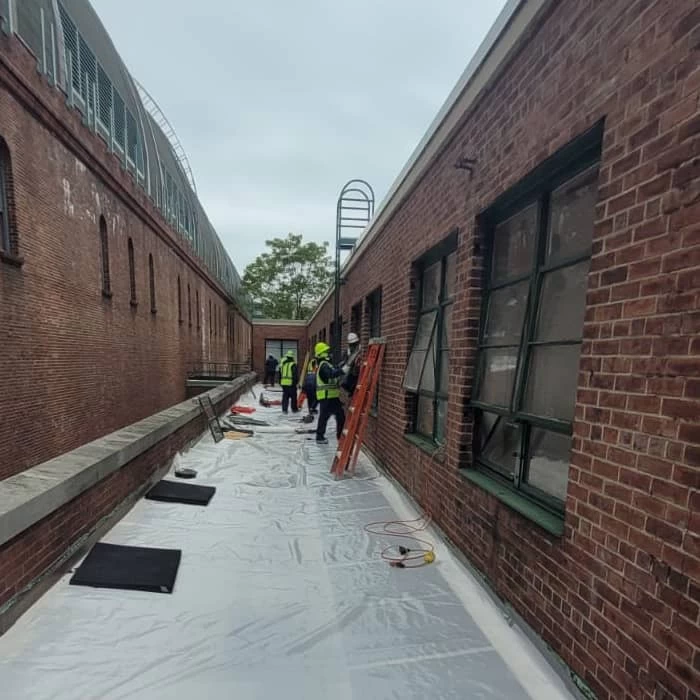
Our fire damage restoration service covers the full scope of what happens after a fire not just the surface cleanup. That includes emergency board-up and stabilization, soot and smoke remediation, odor removal, water extraction and structural drying from firefighting suppression, asbestos and environmental hazard abatement, mold remediation, full structural reconstruction, and final finishes. Every phase is handled internally. Nothing gets subcontracted out or handed off mid-project.
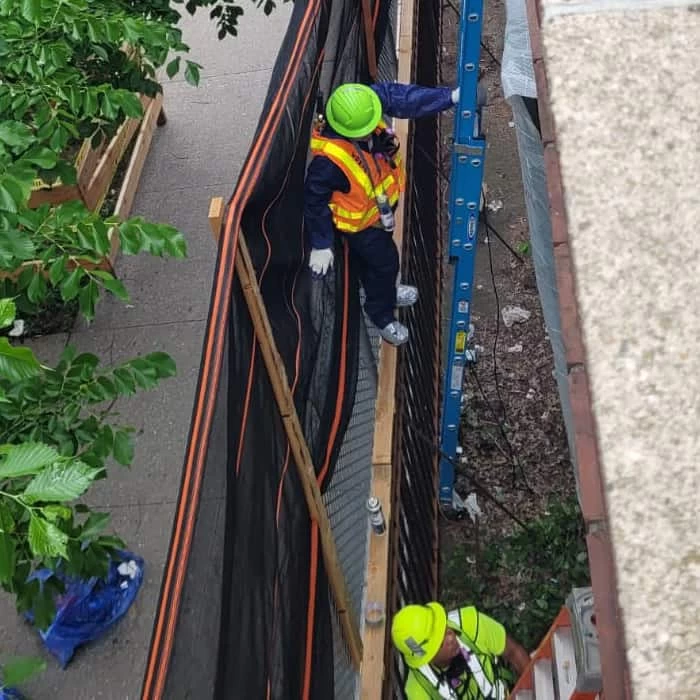
The asbestos abatement capability is worth understanding in context. Homes throughout East Islip in neighborhoods like Country Village, Beecher Estates, and Deer Run were largely built during the decades when asbestos was widely used in residential construction. It’s not a rare edge case here. It’s a realistic consideration in almost any older East Islip home that sustains fire damage. We hold New York State Department of Labor asbestos handling certification, which is a legal requirement for this work not something every restoration company on Long Island can say.
Insurance navigation is also built into our process. Filing a major fire damage claim for the first time is genuinely overwhelming, and the insurer’s interest isn’t always aligned with yours. We have a documented track record of helping homeowners through the documentation and adjuster process making sure the scope of work reflects the actual damage so the claim comes back fair. For homeowners in East Islip, where property values are high and policies are complex, that support can make a significant difference in the final outcome.
What should I do immediately after a house fire in East Islip, NY?
The most important thing you can do in the first hour is call a restoration company before you call anyone else except your insurance company. Don’t re-enter the home until it’s been cleared by the fire department, and don’t attempt to clean anything yourself. Wiping soot incorrectly can actually push it deeper into surfaces and make the damage worse.
Once the East Islip Fire Department clears the scene, the clock starts. Soot begins permanently staining and etching surfaces within 24 to 72 hours. Firefighting water which fire hoses deliver at roughly 250 gallons per minute saturates walls, floors, and insulation, and in East Islip’s coastal humidity, mold can start growing within 24 to 48 hours of that water intrusion. The faster a qualified restoration team gets on site to begin emergency stabilization, extraction, and assessment, the smaller the total scope of damage ends up being. Speed here isn’t just about convenience it directly affects how much of your home can be saved and how long the full restoration takes.
How long does fire damage restoration typically take for a home in East Islip?
The honest answer is that it depends on the scope, and scope varies significantly based on the size of the fire, how far smoke traveled through the home, how much water was used in suppression, and whether any hazardous materials were disturbed. A contained kitchen fire in a smaller home might take two to four weeks from start to finish. A larger structural fire affecting multiple rooms especially in an older East Islip home where asbestos abatement is required before reconstruction can begin can take several months.
The abatement step is one that often surprises homeowners. If asbestos-containing materials are disturbed during the fire or firefighting, New York State law requires certified abatement before any other restoration work can proceed. That adds time, but skipping it or rushing it isn’t an option legally or for your family’s health. The permit process through the Town of Islip’s Building Division also adds some lead time for structural reconstruction work. A thorough assessment at the start of the project gives you a realistic timeline upfront, so you’re not getting surprised by delays midway through.
Does homeowners insurance in New York cover fire damage restoration costs?
In most cases, yes standard homeowners insurance policies in New York cover fire damage, including smoke and soot remediation, water damage from firefighting suppression, and structural reconstruction. But “covered” and “fully covered” aren’t always the same thing. How the claim is documented, how the scope of work is written, and how the adjuster interprets the damage can all affect the final payout.
This is where having a restoration company that understands the insurance process matters. We have helped East Islip homeowners navigate the claims process directly documenting damage thoroughly, scoping the work accurately, and interfacing with adjusters to make sure nothing gets undercounted. For homeowners with high-value properties, particularly in waterfront neighborhoods like The Moorings, the gap between a properly documented claim and an underprepared one can be substantial. You’re entitled to a restoration that brings your home back to its pre-fire condition. Making sure the claim reflects that is part of the job.
Can smoke damage from a fire in one room affect the rest of my East Islip home?
Yes and this is one of the most misunderstood aspects of fire damage. Smoke doesn’t respect room boundaries. Within minutes of a fire starting, smoke travels through HVAC ductwork, gaps in walls, and ceiling cavities, depositing soot and toxic particles in rooms that were never near the fire. In older East Islip homes many of which have less airtight construction than newer builds that spread happens faster and penetrates deeper.
The soot residue smoke leaves behind isn’t just a cosmetic problem. It contains carcinogenic particles, acidic compounds that continue to break down surfaces over time, and persistent odor that can make a home feel unlivable even after the visible cleanup is done. In East Islip’s coastal environment, where homes hold humidity and materials like wood framing and drywall are more moisture-absorbent, odor retention in porous surfaces is a real issue. A proper smoke remediation scope covers the entire home not just the rooms with visible damage and includes HVAC cleaning, air quality assessment, and treatment of every affected surface.
Does fire damage in an older East Islip home create an asbestos risk?
It can, and it’s a question worth taking seriously. Most homes in East Islip were built between the late 1940s and the 1970s the peak decades for asbestos use in residential construction. Floor tiles, ceiling tiles, pipe insulation, joint compound, attic insulation, and exterior siding from that era commonly contain asbestos-containing materials. Under normal conditions, intact asbestos materials aren’t necessarily an immediate hazard. But fire changes that. The heat and physical disruption of a structure fire and the force of firefighting can break those materials apart and release asbestos fibers into the air.
If your home was built before 1980 and sustained fire damage, asbestos testing should be part of the initial assessment before any cleanup or reconstruction begins. New York State requires that asbestos abatement work be performed by contractors holding NYSDOL certification it’s not something an unlicensed crew can handle legally or safely. We hold that certification and handle abatement in-house, which means there’s no gap in the project where work has to stop while you find a separate abatement contractor. It’s built into the same process from the start.
How do I choose the right fire damage restoration company in East Islip, NY?
The most important thing to look for is whether the company can actually complete the full scope of what your home needs not just part of it. In East Islip, that means fire and smoke remediation, water extraction and drying, asbestos and environmental abatement if applicable, mold remediation, and full reconstruction. A company that handles cleanup but not reconstruction, or remediation but not abatement, means you’re coordinating multiple contractors during one of the most stressful situations you’ll face as a homeowner.
Beyond capability, look at accountability. Is the company locally based with a real track record on Long Island, or are they a national franchise dispatching whoever’s available? Can they give you named contacts who will be on your project from day one through completion? Do they have documented experience helping homeowners navigate insurance claims not just doing the work, but making sure the claim reflects it accurately? In East Islip, the companies worth hiring don’t need to oversell themselves. Their track record in homes like yours, in communities like this one, speaks clearly enough.