When a North Shore Home Burns, Every Hour Changes What's Salvageable
Smoke doesn’t stop at the room where the fire started and in Fort Salonga’s older homes, the damage hiding in your walls and ductwork is often worse than what you can see. We handle fire damage restoration from the first emergency call through the last coat of paint.
I needed a professional consultation explanation of procedure for safe removal of Asbestos in my apartment complex. Without having an account yet, I was very impressed with the caring, knowledgeable and generous advice offered by Jessica, and will look forward to doing business in the future. Thank you so much! I feel much more informed about a sometimes scary endeavor. Peace. Nancy Silva Mineola, NY.
Mia Munoz
Used this company to clean up some water flood in my house. They were fast and easy to work with.very professional, Would recommend to anyone!
Nini Valle
Great company, had a flood and they responded quickly and efficiently. Billed my insurance company directly. I highly recommend this company!
joe colapietro, jr
I had pipe freeze in my basement right before a snow storm and they made to within an hour to help start the clean up process. They we by our side throughout the entire process and even helped with the insurance company. They did such a great job with the cleanup, repair, remidiation, I contracted them to perform the repairs and finishes in the basement. They came with enough manpower and material to get the job done. Leo and Jessica were nothing but a pleasure to deal with!!
Cristian Arredondo c
I had some water damage in my home and Green Island was able to take care of my issue quickly and effectively. I am very pleased with the work they did. They responded quickly and were very professional.
Michael M
Outstanding service! From the office to the field crew everyone was friendly, helpful and responsive. I highly recommend Green Island Group.
What Full Recovery Actually Looks Like for Fort Salonga Homeowners
When the fire is out, the real work starts. Soot begins permanently etching surfaces within 24 to 72 hours. Smoke travels through HVAC systems and settles into walls, insulation, and soft goods in rooms that never saw a flame. The longer that goes unaddressed, the more of your home crosses the line from restorable to replaceable.
Fort Salonga’s housing stock makes this especially high-stakes. The median home here was built in 1964, which means most properties in this hamlet carry a real probability of asbestos-containing materials in floor tiles, pipe insulation, ceiling materials, and joint compound. A fire doesn’t just create smoke and soot damage it can disturb those materials, turning a restoration project into an environmental remediation job that most cleanup companies aren’t equipped or licensed to handle. That gap is where homeowners get left behind.
Then there’s the water. Firefighting suppression soaks a home fast, and mold can begin developing within 24 to 48 hours of that water intrusion. What you need after a fire in Fort Salonga isn’t a crew that handles one piece of the problem you need someone who can manage all of it, from emergency stabilization through final reconstruction, without handing you off to three different contractors along the way.
Long Island-Based and Local to Fort Salonga Not a Franchise, and That Difference Matters
We’re independently owned and operated on Long Island. Not a franchise. Not a national brand routing your call through a dispatch center. When you call, you reach the people who will actually show up and we know Fort Salonga and the North Shore, because we work it every day across Suffolk County’s coastal communities.
Fort Salonga sits at the edge of the historic Gold Coast, split between the Town of Huntington and the Town of Smithtown along Bread and Cheese Hollow Road. That dual-township boundary isn’t a minor detail it determines which building department handles your permits after a fire, and which set of local requirements your restoration work has to meet. We navigate both jurisdictions, so you’re not stuck figuring out whether to call Huntington or Smithtown while you’re already dealing with a crisis.
The work here spans emergency response through full reconstruction, and the team stays consistent throughout. Customers reference Leo and Jessica by name across multiple independent reviews because this isn’t a company that sends a different crew every morning and leaves you re-explaining your situation from scratch.
From Emergency Call to Finished Home Here's the Full Picture
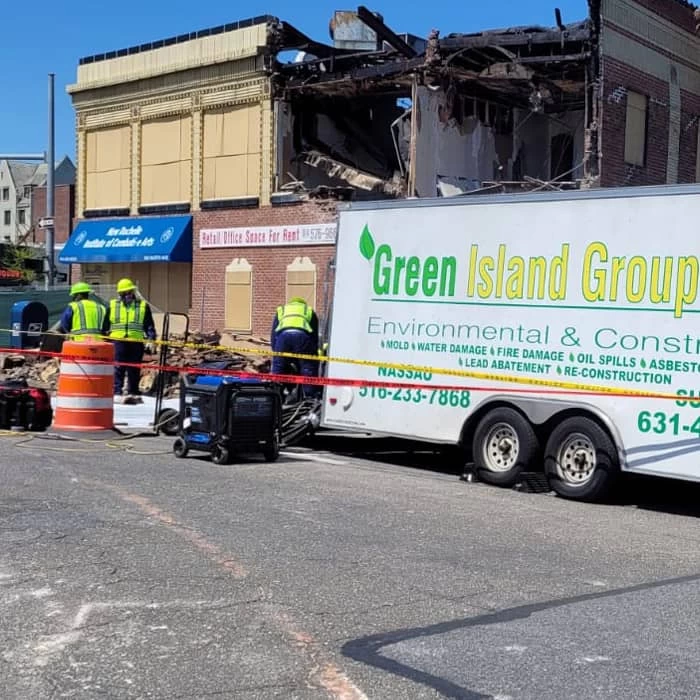
It starts the moment you call. We respond fast because in fire restoration, the window between salvageable and gone closes quickly. The first priority is stabilizing the property: boarding up openings, tarping the roof if needed, and stopping any additional damage from weather or water intrusion. Fort Salonga’s coastal exposure to nor’easters means an unsecured structure after a fire isn’t just a restoration problem it’s a compounding one.
From there, we conduct a thorough damage assessment. This isn’t a visual walkthrough. It includes HVAC inspection for smoke infiltration, structural evaluation, and given that most Fort Salonga homes were built before 1978 a check for asbestos-containing materials that may have been disturbed. If environmental hazards are present, we handle the abatement directly. You don’t need to find a separate certified contractor and coordinate their schedule around the restoration timeline.
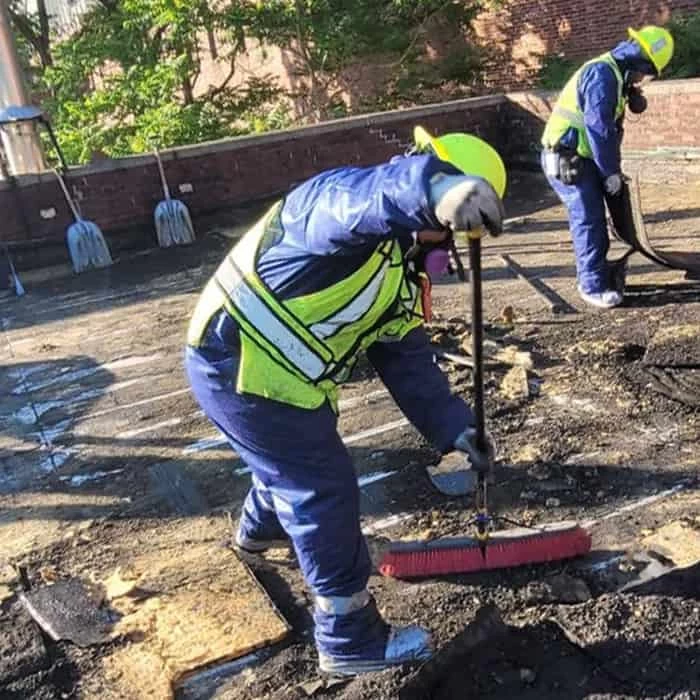
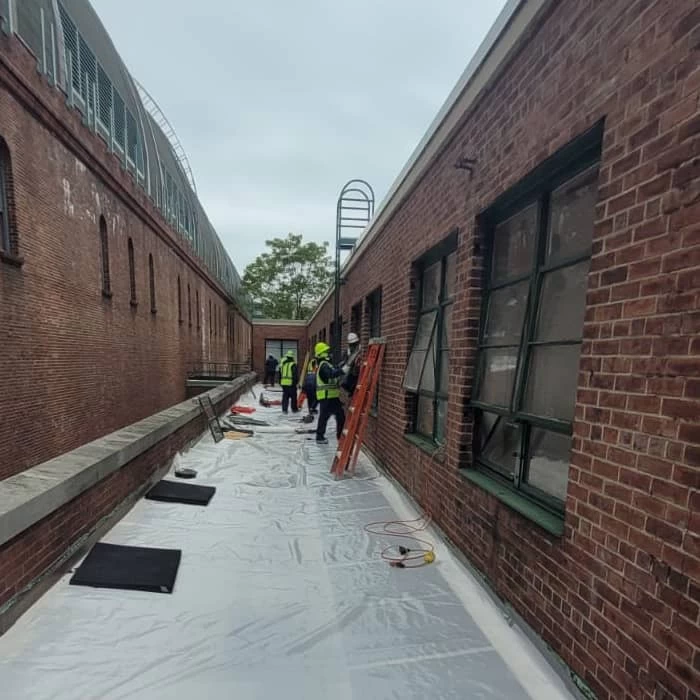
Once the site is safe and the scope is documented, the remediation work begins: soot and smoke removal, odor neutralization, water extraction, drying, and contents pack-out for cleaning and storage. After remediation is complete, reconstruction starts framing, drywall, finishes, whatever the home needs to get back to where it was. Throughout all of it, we also work alongside your insurance company, helping document damage and communicate scope so the claim reflects what the job actually requires.
Everything Your Home Needs After a Fire Handled Under One Roof
Fire damage restoration in Fort Salonga isn’t a single-step job, and the scope varies significantly depending on the age and condition of your home. We cover the full range: emergency board-up and stabilization, smoke and soot remediation, odor elimination, water extraction from firefighting suppression, asbestos and lead abatement for pre-1978 homes, mold prevention and remediation, contents cleaning and pack-out, and complete structural reconstruction through final finishes.
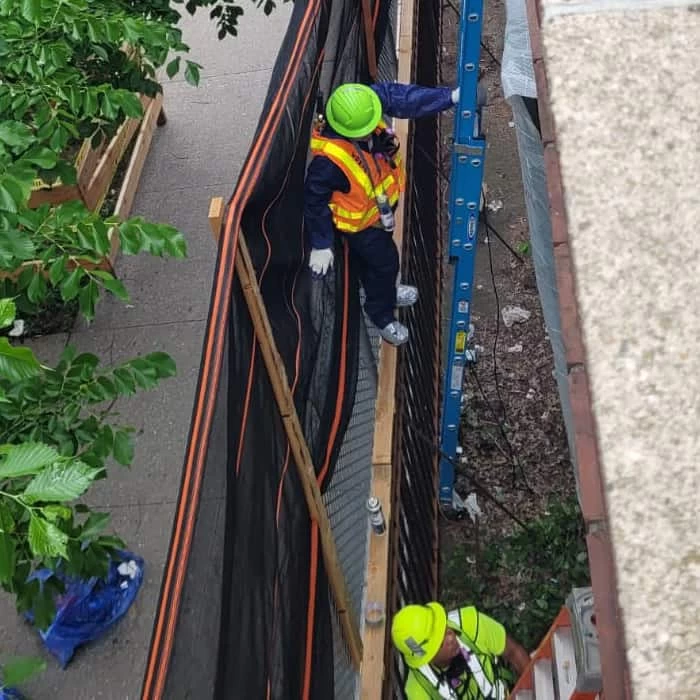
The asbestos piece deserves specific attention here. New York State requires NYSDOL certification for any asbestos abatement work it’s not something a general contractor can handle, and it’s not optional in a home where those materials have been disturbed. Because the majority of Fort Salonga’s housing stock falls in the pre-1978 window, this comes up regularly. We have the environmental remediation credentials to address it directly, which keeps your project moving instead of stalling while you wait for a separate abatement contractor to get on the schedule.
Oil burner puff-back is another scenario that comes up frequently on the North Shore. When a furnace misfires and sends soot through the ductwork, it contaminates every room connected to the HVAC system not just the utility area. That requires a different approach than fire restoration alone, and it’s something we address as part of the smoke and soot remediation scope. Whatever brought you here, the process ends the same way: a home that’s fully restored, not just surface-cleaned.
Does fire damage restoration in Fort Salonga include asbestos removal?
It depends on what the assessment finds but in Fort Salonga, this comes up more often than most homeowners expect. The majority of homes in this hamlet were built before 1978, which means there’s a real chance that asbestos-containing materials are present in floor tiles, ceiling tiles, pipe insulation, or joint compound. A fire can disturb those materials, and once they’re disturbed, New York State law requires NYSDOL-certified abatement before standard restoration work can continue in those areas.
We handle asbestos abatement directly. You won’t need to pause the project, find a separate certified contractor, and coordinate two separate timelines. The assessment happens early, and if abatement is needed, it gets incorporated into the restoration scope from the start. This is one of the clearest advantages of working with a full-service company rather than a fire-only cleanup crew especially in a community like Fort Salonga, where the housing stock makes environmental hazards a routine consideration rather than an edge case.
How quickly do we respond to a fire emergency in Fort Salonga?
Fast and the speed matters more than most people realize in the first hours after a fire. Soot begins permanently etching and staining porous surfaces within 24 to 72 hours. Smoke that’s worked its way into wall cavities, ductwork, and insulation becomes significantly harder to remove the longer it sits. Water from firefighting suppression can begin supporting mold growth within 24 to 48 hours. Every hour between the fire going out and the restoration team arriving affects what can be saved and what has to be replaced.
We respond to emergency calls promptly and serve Fort Salonga as part of our active Suffolk County North Shore coverage area. When you call, you’re reaching our team directly not a national call center routing your request to whoever’s available. That matters when you’re standing in front of a damaged home and need someone who can actually tell you what happens next, not just take your information and promise a callback.
Will my homeowners insurance cover fire damage restoration costs in New York?
In most cases, yes standard homeowners insurance policies in New York cover fire damage restoration, including smoke and soot cleanup, water damage from firefighting suppression, and structural repairs. But the coverage you actually receive depends heavily on how well the damage is documented and how thoroughly the scope of work is communicated to the adjuster. Policies that are underscoped at the claim stage often result in settlements that don’t cover the full cost of restoration, and homeowners end up paying the difference out of pocket.
We work directly with your insurance company throughout the process. We help document the damage, communicate the scope clearly, and make sure the claim reflects what the job actually requires not a surface-level estimate that misses the HVAC contamination, the environmental remediation work, or the contents damage. For Fort Salonga homeowners dealing with a major claim for the first time, that support is genuinely valuable. Homes in this community carry median values around $698,000, and the gap between a properly scoped claim and an underscoped one can be significant.
What's the difference between fire restoration and smoke damage restoration?
Fire restoration refers to the full scope of recovery after a fire structural repairs, rebuilding, and all the remediation work that gets a home back to livable condition. Smoke damage restoration is a specific part of that process focused on removing soot, smoke residue, and odor from surfaces, contents, and air systems throughout the home.
The reason the distinction matters is that smoke damage often extends far beyond the area where the fire actually burned. In a Fort Salonga home with a central HVAC system which describes the majority of homes here smoke and soot can travel through the ductwork and deposit throughout every connected room. A kitchen fire can leave soot on bedroom walls two floors away. Oil burner puff-back, which is a common scenario in Fort Salonga’s older oil-heated homes, works the same way: the furnace misfires and sends fine, oily soot through the entire duct system. Addressing smoke damage properly means inspecting and cleaning the full HVAC system, not just the visible surfaces in the immediate area. We handle both the smoke remediation and the broader restoration work as a single, coordinated scope.
My Fort Salonga home had a small kitchen fire do I really need a restoration company?
It depends on what the damage actually looks like and that’s harder to assess than most people assume after a small fire. What looks like a contained kitchen incident can involve smoke that’s traveled through the HVAC system into other rooms, soot that’s already beginning to etch cabinet finishes and countertops, and water from suppression that’s soaked into the subfloor or wall cavity behind the stove. None of that is visible from a quick walkthrough.
In Fort Salonga specifically, there’s another layer worth considering: if your home was built before 1978, even a small fire near older building materials can disturb asbestos-containing compounds in ways that aren’t obvious. Getting a professional assessment not just a visual inspection tells you what you’re actually dealing with before you decide how to proceed. We can walk through the property, identify what’s been affected, and give you an honest picture of the scope. If it’s truly minor and doesn’t require full restoration, we’ll tell you that. The goal is to make sure you have the right information, not to oversell a job.
How long does fire damage restoration typically take for a home in Fort Salonga?
There’s no single answer, because the timeline depends on the extent of the damage, whether environmental remediation is required, and how quickly the insurance process moves. A home with contained smoke damage and no structural loss might be fully restored in a few weeks. A home with significant structural damage, HVAC contamination, and asbestos abatement requirements which is a realistic scenario in Fort Salonga given the age of the housing stock can take several months from start to finish.
What affects the timeline most in this area is the permit process. Because Fort Salonga straddles the Town of Huntington and the Town of Smithtown, reconstruction permits go through different building departments depending on which side of Bread and Cheese Hollow Road your property sits on. We know both jurisdictions and handle the permit coordination as part of the project which keeps things moving instead of stalling while you figure out which town office to contact. The other major variable is the insurance documentation phase: thorough, well-documented claims get processed faster and more completely, which is another reason having a restoration team that actively supports the insurance process matters from day one.