When Your Hauppauge Home Has More History Than Drywall Can Hide
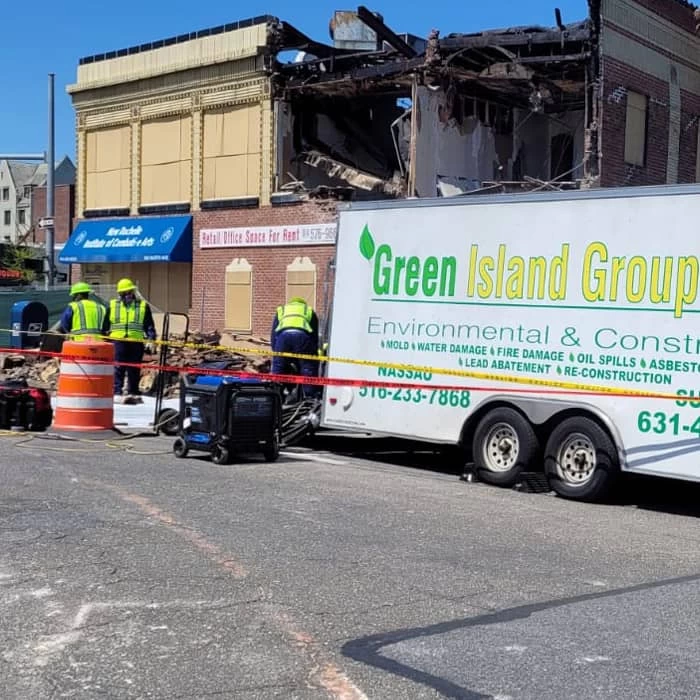
Most homes in Hauppauge were built before 1970 and a fire in one of them isn’t just a cleanup job. We handle fire damage restoration from the first call to the final finish, including everything underneath the surface.
I needed a professional consultation explanation of procedure for safe removal of Asbestos in my apartment complex. Without having an account yet, I was very impressed with the caring, knowledgeable and generous advice offered by Jessica, and will look forward to doing business in the future. Thank you so much! I feel much more informed about a sometimes scary endeavor. Peace. Nancy Silva Mineola, NY.
Mia Munoz
Used this company to clean up some water flood in my house. They were fast and easy to work with.very professional, Would recommend to anyone!
Nini Valle
Great company, had a flood and they responded quickly and efficiently. Billed my insurance company directly. I highly recommend this company!
joe colapietro, jr
I had pipe freeze in my basement right before a snow storm and they made to within an hour to help start the clean up process. They we by our side throughout the entire process and even helped with the insurance company. They did such a great job with the cleanup, repair, remidiation, I contracted them to perform the repairs and finishes in the basement. They came with enough manpower and material to get the job done. Leo and Jessica were nothing but a pleasure to deal with!!
Cristian Arredondo c
I had some water damage in my home and Green Island was able to take care of my issue quickly and effectively. I am very pleased with the work they did. They responded quickly and were very professional.
Michael M
Outstanding service! From the office to the field crew everyone was friendly, helpful and responsive. I highly recommend Green Island Group.
What Full Recovery Actually Looks Like in a Pre-1969 Hauppauge Home
A fire doesn’t just burn what you can see. In older Hauppauge homes the Cape Cods off Wheeler Road, the split-levels near Veterans Memorial Highway, the colonials that have been in families for decades smoke moves through plaster walls, settles into aging ductwork, and soaks into wood framing that was never designed to be airtight. By the time the fire department leaves, the damage has already started spreading into rooms that never saw a single flame.
That’s where the real work begins. Soot starts permanently etching surfaces within 24 to 72 hours. Water from firefighting soaks into subfloors and wall cavities, and mold can begin growing within 24 to 48 hours if it isn’t addressed. The visible char on the kitchen wall is the easy part what’s behind it, above it, and moving through your HVAC system is what determines whether your home comes back fully or just looks like it did.
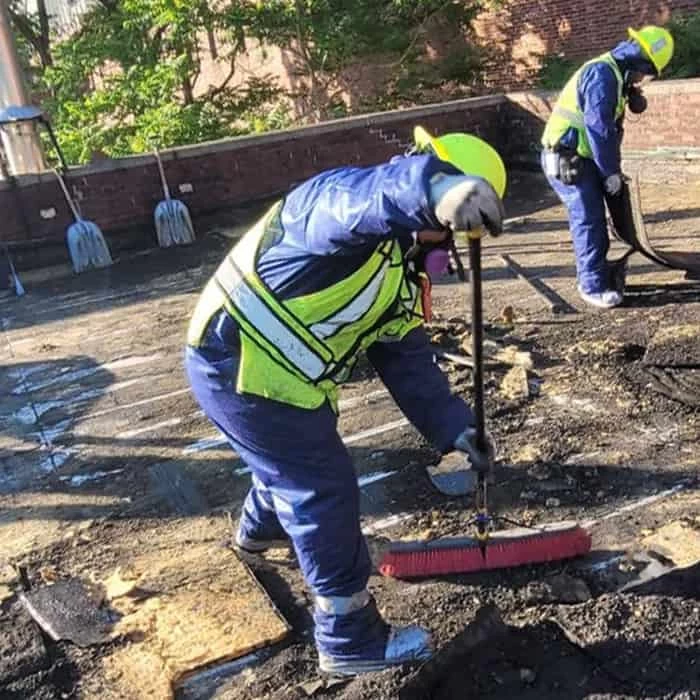
Because more than half of Hauppauge’s homes were built before 1969, fire restoration here almost always involves materials that require more than a standard cleanup crew. Asbestos-containing floor tiles, pipe insulation, and joint compound are common in this housing stock and a fire disturbs all of it. We handle the environmental remediation alongside the restoration, so you’re not waiting on a separate abatement contractor to clear the site before the real work can start. Everything moves together, and your home comes back the right way.
Long Island-Based, and That Actually Matters in Hauppauge
We’re a locally owned and operated Long Island restoration company not a franchise, not a national brand dispatched from a call center. When you call, you reach real people who know western Suffolk County, who understand the difference between a Town of Islip permit and a Town of Smithtown permit, and who aren’t learning your neighborhood on the fly.
Hauppauge sits across the boundary of two town jurisdictions, and that creates permitting complexity that out-of-area contractors regularly mishandle. We work with both building departments routinely. We know the local regulatory landscape, we know the housing stock, and we know what it takes to restore a home in a community where property values are tied to the school district and neighbors notice when work is done right.
This isn’t a company that sends whoever’s available. Named professionals are assigned to your project from the first call through the final walkthrough. Our satisfaction guarantee we’re not done until you’re happy isn’t a tagline. It’s how we operate.
No Guesswork Here's Exactly What Happens After You Call Us
The first step is getting there fast and stopping the damage from compounding. We respond quickly to Hauppauge arriving with the manpower and materials to begin protective measures immediately, not on a second or third trip. Emergency board-up, tarping, and stabilization happen right away so that weather, air, and additional moisture don’t make a bad situation worse while you’re still figuring out next steps.
From there, the full scope of damage gets documented not just the obvious burn areas, but the smoke migration through ductwork, the water saturation from firefighting, and any environmental hazards like asbestos or lead paint that were disturbed by the fire. In a pre-1969 Hauppauge home, this assessment step is critical. It’s what separates a restoration that holds up from one that leaves you dealing with mold or odor problems six months later. The documentation also becomes the foundation for your insurance claim, which we help you navigate from start to finish.
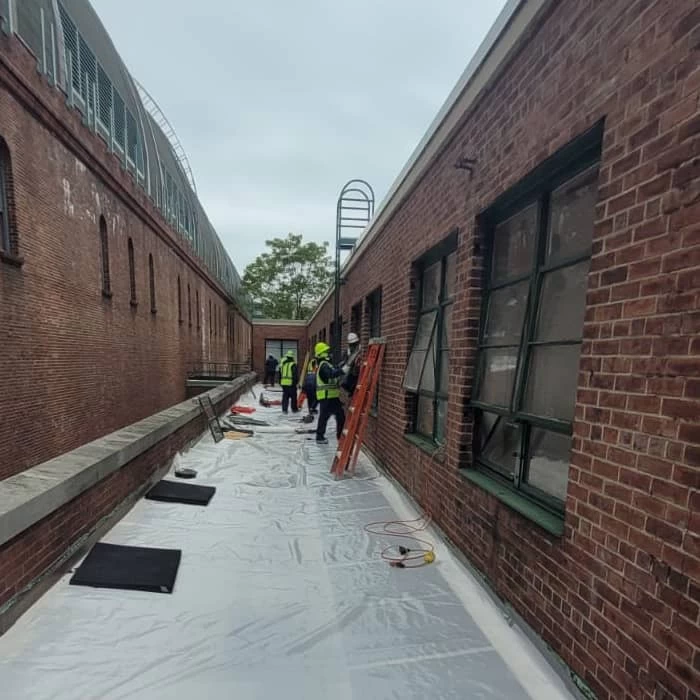
Then the remediation and restoration work begins in the right sequence: environmental hazards first, structural drying and dehumidification next, followed by soot and smoke cleanup, odor elimination, and finally reconstruction. Because we handle all of it under one contract, there are no handoff gaps, no waiting on subcontractors, and no coordination headaches on your end. You get a single point of contact and a clear timeline from day one.
Everything the Job Requires Not Just What's Easy to See
Fire damage restoration in Hauppauge covers a lot of ground, and the scope depends heavily on the age and condition of the home. For the majority of homes in this area built before 1969 and sitting in either the Town of Islip or the Town of Smithtown jurisdiction the work typically includes emergency stabilization, full structural drying, soot and smoke removal from surfaces and HVAC systems, odor elimination, asbestos and environmental remediation where applicable, and complete reconstruction of damaged areas. We’re licensed and equipped to handle all of it.
The insurance side of the process gets the same attention as the physical restoration. We work directly with your adjuster, help document the full scope of damage using industry-standard Xactimate pricing, and make sure the claim reflects what the job actually requires not a minimized version of it. For Hauppauge homeowners dealing with a claim on a home worth $700,000 or more, that kind of support isn’t a bonus. It’s essential.
For businesses in the Long Island Innovation Park or commercial properties along Veterans Memorial Highway, the same full-service approach applies at a larger scale. Commercial fire restoration involves different materials, more square footage, and tighter timelines and we arrive equipped to handle that scope without understaffing the job or stretching it out longer than it needs to be.
Does my Hauppauge home likely have asbestos, and does that affect fire restoration?
If your home was built before 1980 and in Hauppauge, more than half of all homes were built before 1969 there’s a real chance it contains asbestos-containing materials. These commonly show up in floor tiles, pipe insulation, ceiling tiles, joint compound, and roofing materials. Under normal conditions, intact asbestos isn’t an immediate hazard. But a fire changes that. Heat, structural damage, and the physical disturbance of a fire event can release asbestos fibers that were previously contained, and water from firefighting can spread those materials further.
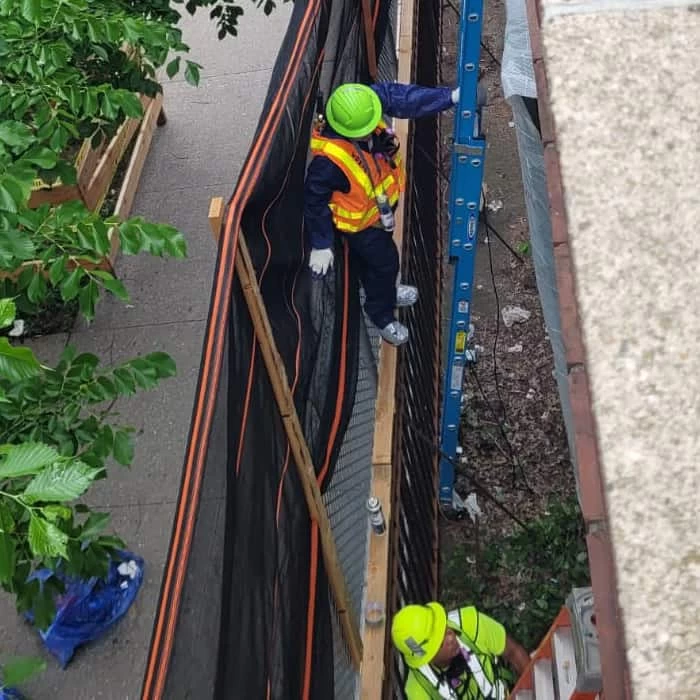
New York State requires licensed asbestos abatement contractors to handle any ACM that has been disturbed and that work has to happen before general restoration can proceed. We hold the environmental remediation credentials to handle this in-house, which means you’re not waiting on a separate abatement company to clear the site before cleanup can begin. The work gets sequenced correctly from the start, keeping your project on track instead of stalled.
How does the insurance claim process work for fire damage restoration in Hauppauge?
Most homeowners filing a major fire damage claim have never done it before, and the process is more involved than most people expect. Your insurance company will send an adjuster to assess the damage, and their initial estimate doesn’t always capture the full scope especially in older Hauppauge homes where hidden damage behind plaster walls, inside ductwork, or beneath flooring isn’t immediately visible during a walk-through.
We document the damage thoroughly using Xactimate, the same estimating platform insurance adjusters use, so there’s no gap between what the restoration actually requires and what gets submitted to the carrier. We work directly with your adjuster throughout the process and help make sure the claim reflects the real cost of bringing your home back fully not just the surface-level repairs. For a home in Hauppauge valued at $700,000 or more, getting that right matters.
How quickly does smoke and soot damage become permanent after a fire?
Faster than most people realize. Soot begins permanently etching glass, metal, and finished surfaces within 24 to 72 hours of a fire. Smoke odor embeds itself into porous materials drywall, insulation, wood framing, upholstery and becomes significantly harder to eliminate the longer it sits. In older Hauppauge homes with plaster walls and less-contained HVAC systems, smoke travels further and penetrates deeper than it would in newer construction, which means the window for effective remediation is shorter and the scope of affected areas is often larger than it first appears.
Water from firefighting creates a parallel problem. Mold can begin growing in saturated materials within 24 to 48 hours, and in a home with older wood framing and less vapor-resistant construction, that moisture spreads quickly into wall cavities and subfloors. The combination of soot damage and water damage is why speed matters so much in the hours immediately following a fire and why calling a restoration company that can respond fast and start protective measures immediately makes a real difference in what’s recoverable.
My home is in Hauppauge do I need permits from Islip or Smithtown for fire restoration work?
That depends on exactly where your property sits. Hauppauge straddles the boundary between the Town of Islip and the Town of Smithtown, and both municipalities have their own building departments, permitting requirements, and code enforcement processes. Properties south of Townline Road generally fall under Town of Islip jurisdiction, while properties to the north are typically under the Town of Smithtown but the boundary isn’t always obvious, and getting it wrong means delays, failed inspections, or work that has to be redone to meet the correct town’s standards.
We work with both building departments routinely as part of serving Long Island. We know which permits are required for structural restoration, what the inspection process looks like in each jurisdiction, and how to keep the project compliant and on schedule regardless of which side of the boundary your home sits on. For homeowners already dealing with the stress of fire damage, not having to figure out the permitting landscape on your own is a meaningful relief.
What's the difference between fire restoration and just cleaning up after a fire?
Cleaning up after a fire means removing debris and wiping down surfaces. Fire damage restoration means addressing everything the fire, the smoke, and the firefighting water actually did to the structure including the damage you can’t see from the doorway. In a Hauppauge home built in the 1950s or 1960s, that distinction matters a lot. Plaster walls, original hardwood floors, older HVAC systems, and wood-framed construction absorb smoke and moisture differently than modern materials, and a surface-level cleanup leaves the underlying damage in place.
True restoration involves structural drying to prevent mold, HEPA-grade soot removal from surfaces and duct systems, chemical treatment to neutralize smoke odors at the molecular level, environmental remediation for any hazardous materials disturbed by the fire, and full reconstruction of damaged structural elements. The goal isn’t a home that looks like the fire was cleaned up it’s a home that’s structurally sound, safe to occupy, and back to the condition it was in before the fire happened.
How long does fire damage restoration typically take for a home in Hauppauge?
The honest answer is that it depends on the scope, and in Hauppauge, the scope is often larger than it initially appears. A contained kitchen fire in a newer home might take two to four weeks from start to finish. A more significant fire in a pre-1969 Hauppauge home where asbestos abatement, structural drying, smoke remediation through older ductwork, and reconstruction all need to happen in the correct sequence can take six to twelve weeks or longer, depending on the extent of the damage and how quickly permits are issued by the Town of Islip or Town of Smithtown.
What affects the timeline most is how quickly the work gets started and whether the restoration company can handle every phase without waiting on outside contractors. When asbestos abatement, environmental remediation, drying, cleanup, and reconstruction are all managed under one contract, the project moves in a straight line. When they’re split between multiple companies, each handoff adds time. Our full-service scope is specifically designed to avoid those gaps and to give you a realistic, clear timeline from the first assessment forward.