One Road In, One Road Out Your Fire Restoration Team Is Already Moving
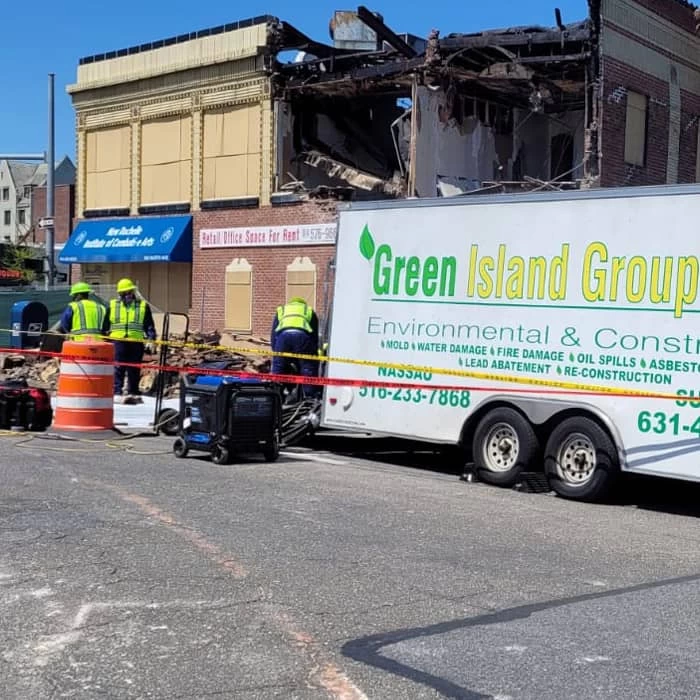
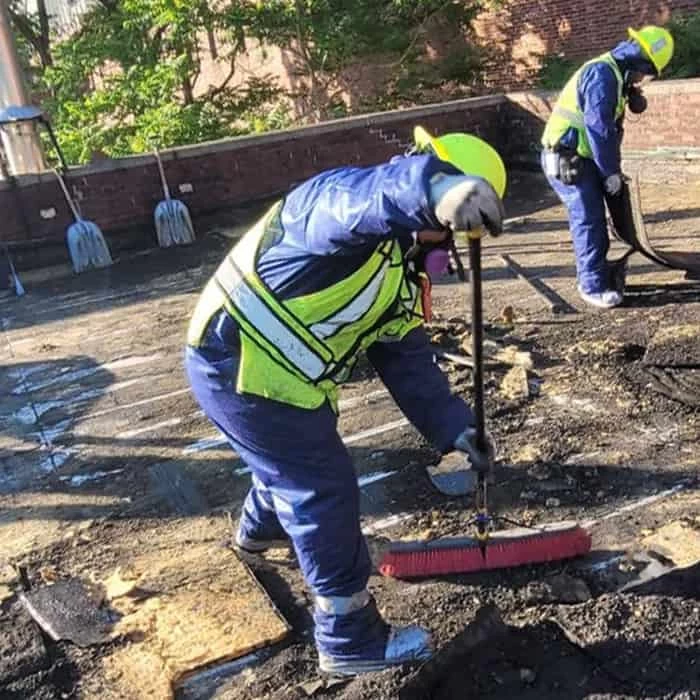
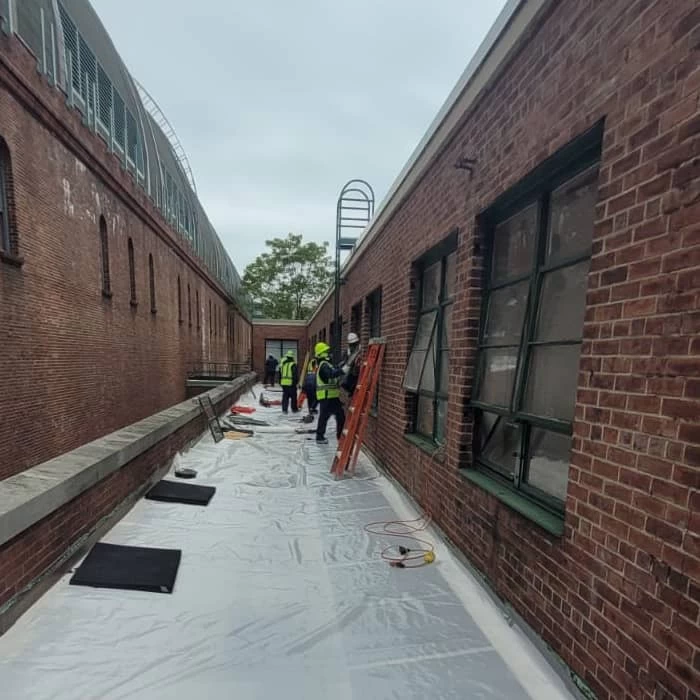
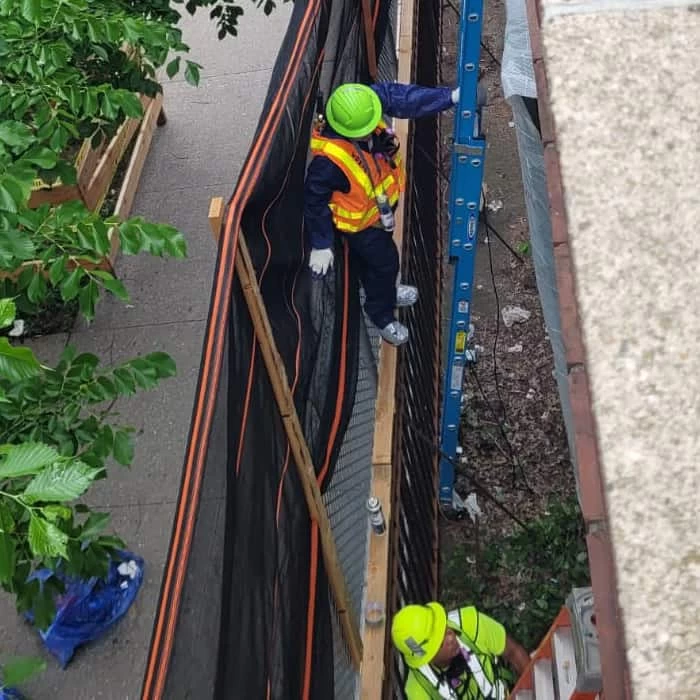
North Haven is a peninsula. After a fire, every hour counts, and we’re already moving. We handle the full scope of fire recovery for North Haven properties from emergency response through final reconstruction so you don’t have to coordinate multiple contractors while managing the aftermath from a distance.
I needed a professional consultation explanation of procedure for safe removal of Asbestos in my apartment complex. Without having an account yet, I was very impressed with the caring, knowledgeable and generous advice offered by Jessica, and will look forward to doing business in the future. Thank you so much! I feel much more informed about a sometimes scary endeavor. Peace. Nancy Silva Mineola, NY.
Mia Munoz
Used this company to clean up some water flood in my house. They were fast and easy to work with.very professional, Would recommend to anyone!
Nini Valle
Great company, had a flood and they responded quickly and efficiently. Billed my insurance company directly. I highly recommend this company!
joe colapietro, jr
I had pipe freeze in my basement right before a snow storm and they made to within an hour to help start the clean up process. They we by our side throughout the entire process and even helped with the insurance company. They did such a great job with the cleanup, repair, remidiation, I contracted them to perform the repairs and finishes in the basement. They came with enough manpower and material to get the job done. Leo and Jessica were nothing but a pleasure to deal with!!
Cristian Arredondo c
I had some water damage in my home and Green Island was able to take care of my issue quickly and effectively. I am very pleased with the work they did. They responded quickly and were very professional.
Michael M
Outstanding service! From the office to the field crew everyone was friendly, helpful and responsive. I highly recommend Green Island Group.
What Full Recovery Actually Looks Like for a North Haven Home
A fire doesn’t just damage what it burns. Smoke travels through every duct, every wall cavity, and every soft surface in the house rooms that never saw a flame can smell like the fire for months if the remediation stops at the visible damage. Soot starts permanently etching surfaces within 24 to 72 hours. The clock is already running before the fire trucks leave Ferry Road.
North Haven’s coastal position adds another layer. The waterfront humidity around Noyack Bay and Sag Harbor Bay accelerates mold growth after the water from suppression soaks into your floors, walls, and ceilings. What’s a 48-hour mold window in a dry inland town can close faster here. That’s just how moisture behaves on a peninsula surrounded by water on three sides.
Then there’s the housing stock. Many of North Haven’s older estates and historic waterfront homes contain asbestos-containing materials and lead-based paint. When fire disturbs those materials, you’re not just dealing with smoke and water you’re dealing with a regulated hazardous materials situation that most restoration companies aren’t licensed to handle. When the job is done right, you get your property back fully structurally sound, odor-free, code-compliant, and finished to the standard a home of this value deserves.
We’re a locally owned Long Island restoration company not a franchise routing your call through a national dispatch center. When you reach us, you’re talking to the people who will actually show up, manage your project, and see it through to the end. Our team has worked across the South Fork, and we know what it takes to get to North Haven, pull the right permits from the Village Building Department, and work within the specific conditions of this community.
For a lot of North Haven property owners, the hardest part isn’t the fire itself it’s managing the aftermath from a distance. Many of our clients here are coordinating from the city or out of state while their home sits on the other side of the Haerter Bridge. We handle the full scope: emergency response, smoke and soot remediation, water extraction, environmental hazard removal, and complete reconstruction through final finishes so you don’t have to manage multiple contractors while you’re two hours away.
From the First Call to a Finished Home Here's the Sequence
The first thing we do is get eyes on the property. We assess the full scope not just the burn zone, but smoke migration through the HVAC system, water saturation from suppression, and any environmental concerns like disturbed asbestos in older structural materials. In North Haven, where many homes are historic estates or vintage waterfront properties, that environmental assessment isn’t optional it’s what determines what the job actually involves.
From there, we handle emergency stabilization: boarding up openings, extracting standing water, and setting drying equipment to stop the moisture damage from compounding. Because North Haven contracts its fire protection to the Sag Harbor Volunteer Fire Department, response times can vary and by the time suppression is complete, water has often been sitting longer than most homeowners realize. Getting drying equipment in fast is how you prevent a fire claim from turning into a mold claim on top of it.
Once the structure is stabilized, we move into full remediation soot removal, smoke odor elimination at the source, and any required environmental abatement. Then reconstruction begins. We pull the necessary permits through the North Haven Village Building Department and handle all required inspections under the NYS Uniform Fire Prevention and Building Code. The job isn’t done until the finished space matches what was there before or better.
Every Phase of Fire Recovery, Handled Under One Roof
Fire damage restoration isn’t a single service it’s a sequence of connected phases, and a gap between any of them creates problems down the road. We cover the full sequence: emergency response and property securing, smoke and soot remediation, water extraction and structural drying, mold prevention, asbestos and environmental abatement where required, full reconstruction, and final finishes. For North Haven properties, that last part matters more than most people expect a $3 million waterfront home needs to be restored to the visual and structural standard it was at before the fire, not just made structurally sound.
The insurance side is part of the job too. Many North Haven homes are insured through specialty high-value carriers Chubb, AIG Private Client Group, PURE Insurance and a major fire claim on a property of this value involves more documentation, more adjuster coordination, and more complexity than a standard suburban policy. We’ve helped clients navigate that process, and that track record is documented in real reviews not just something we say.
For seasonal property owners who aren’t on-site year-round, we’re also equipped to manage the project independently, communicate consistently, and keep you informed at every stage without requiring you to be physically present. If you own property in North Haven Manor or along the bay-facing side of the peninsula, you already know that managing this kind of work remotely requires a team you can actually trust to do it right without supervision.
Does fire damage restoration in North Haven require a building permit?
Yes and it’s not optional. Any restoration work in North Haven that involves structural repair, demolition of fire-damaged elements, or reconstruction requires a permit from the North Haven Village Building Department. The village enforces the New York State Uniform Fire Prevention and Building Code, and Chapter 55 of the North Haven Village Code governs building construction and fire prevention at the local level. If you have questions about the permitting process, Village Hall can be reached at 631-725-1378.
This matters because some restoration companies start work without pulling the right permits, which creates liability for the homeowner and can complicate your insurance claim. We handle the permitting process as part of the job not as an afterthought. Required inspections are scheduled and completed before work at each phase moves forward, so the finished restoration is legally complete and properly documented.
How quickly does smoke damage need to be addressed after a house fire?
Faster than most people expect. Soot begins permanently etching and staining surfaces glass, countertops, metal fixtures, painted walls within 24 to 72 hours of a fire. Smoke odor compounds penetrate porous materials like drywall, insulation, and wood framing during that same window. The longer you wait, the more of the structure absorbs the damage rather than just being coated by it, and the more expensive and time-consuming the remediation becomes.
In a coastal environment like North Haven, the urgency is even higher. The ambient humidity from the surrounding bays accelerates both the etching process and mold growth from suppression water. We treat every fire call as a time-sensitive response because the cost of delay is real and measurable. If you’re a seasonal resident and the fire was discovered after the fact, call us immediately so we can assess what the extended exposure window has affected and address it before it compounds further.
My North Haven home was built decades ago does that affect the restoration process?
It can, and it’s important to know upfront. Many of North Haven’s older homes particularly the historic waterfront estates and vintage cottages that define the village’s character were built with materials that are now considered hazardous: asbestos-containing insulation, pipe wrap, floor tiles, and roofing materials, as well as lead-based paint in pre-1978 construction. When fire damages these structures, those materials can be disturbed and become an active health and regulatory concern.
New York State requires specific NYSDOL certification to legally handle asbestos abatement. Not every restoration company holds that certification, which means some will either skip the assessment entirely or require you to hire a separate environmental contractor adding time, cost, and coordination to an already stressful situation. We hold certified asbestos abatement credentials, so the full scope of hazardous material handling is managed by the same team doing the restoration. One project, one team, no gaps.
Will my homeowner's insurance cover the full cost of fire damage restoration?
Most standard homeowner’s policies cover fire damage, but “covered” and “fully paid” aren’t the same thing. The scope of coverage depends on how the damage is documented, how the claim is filed, and how well the restoration contractor’s scope of work aligns with what the adjuster is willing to approve. For North Haven property owners many of whom hold policies through specialty high-value carriers like Chubb, AIG Private Client Group, or PURE Insurance the claims process involves more complexity than a standard suburban policy, and the dollar amounts at stake are significantly higher.
We work alongside homeowners throughout the insurance process: helping document the full scope of damage, providing the detailed records adjusters need, and making sure nothing gets left out of the claim. Multiple clients have noted in independent reviews that our involvement made a direct difference in how their claim was handled. If you’re unsure what your policy covers or where to start, that conversation begins with your first call to us.
Can smoke and soot damage spread beyond the room where the fire occurred?
Almost always, yes. Smoke doesn’t respect room boundaries. It travels through HVAC ductwork, penetrates wall cavities, and settles into every porous surface it reaches drywall, wood framing, insulation, upholstery, clothing, and stored belongings in rooms that never saw a flame. In a large North Haven estate, this can mean smoke contamination on the opposite end of the house from the fire source, or in upper floors and finished basements that weren’t directly involved.
The reason this matters so much is that surface-level cleanup wiping down visible soot, airing out the space doesn’t address the smoke compounds that have absorbed into the structure itself. Those compounds off-gas over time, which is why homes that appear “cleaned” after a fire often develop persistent odor problems months later. Our remediation process addresses smoke at the source: inside the ductwork, inside the wall cavities, and in the structural materials themselves not just on the surfaces you can see.
What should I do first if there's been a fire at my North Haven property?
The first call is to 911 the Sag Harbor Volunteer Fire Department handles emergency fire response for North Haven under a contracted service agreement with the village. Once the fire is suppressed and the structure has been cleared as safe to re-enter, your next call should be to a restoration company, not your insurance carrier. The reason for that sequence is practical: your insurer will want documentation of the damage before any work begins, but the longer you wait to start protective measures water extraction, boarding up openings, setting drying equipment the more the damage compounds and the more expensive the claim becomes.
If you’re a seasonal resident and you’re getting this news remotely, call us directly. We can mobilize to your North Haven property, secure it, begin emergency stabilization, and document everything for your insurance claim all before you’ve had a chance to make the drive out to the South Fork. North Haven’s peninsula geography means that getting the right team across the Haerter Bridge quickly is the difference between a contained restoration and a much larger, longer recovery.