When a Hamptons-Area Home Burns, the Stakes Are Higher
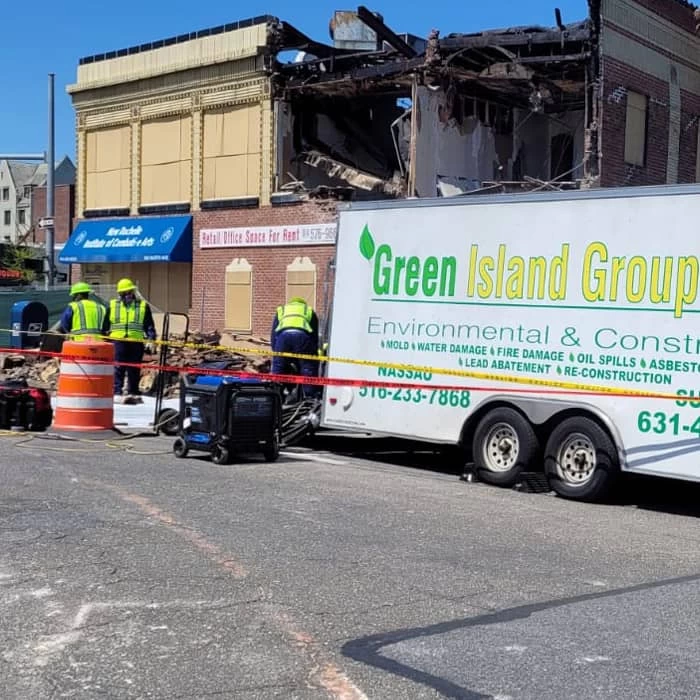
Fire damage in North Sea moves fast and so does the cost of waiting. We handle everything from emergency response to full rebuild, without handing you off to a second contractor.
I needed a professional consultation explanation of procedure for safe removal of Asbestos in my apartment complex. Without having an account yet, I was very impressed with the caring, knowledgeable and generous advice offered by Jessica, and will look forward to doing business in the future. Thank you so much! I feel much more informed about a sometimes scary endeavor. Peace. Nancy Silva Mineola, NY.
Mia Munoz
Used this company to clean up some water flood in my house. They were fast and easy to work with.very professional, Would recommend to anyone!
Nini Valle
Great company, had a flood and they responded quickly and efficiently. Billed my insurance company directly. I highly recommend this company!
joe colapietro, jr
I had pipe freeze in my basement right before a snow storm and they made to within an hour to help start the clean up process. They we by our side throughout the entire process and even helped with the insurance company. They did such a great job with the cleanup, repair, remidiation, I contracted them to perform the repairs and finishes in the basement. They came with enough manpower and material to get the job done. Leo and Jessica were nothing but a pleasure to deal with!!
Cristian Arredondo c
I had some water damage in my home and Green Island was able to take care of my issue quickly and effectively. I am very pleased with the work they did. They responded quickly and were very professional.
Michael M
Outstanding service! From the office to the field crew everyone was friendly, helpful and responsive. I highly recommend Green Island Group.
What Getting Your North Sea Home Back Actually Looks Like
A fire doesn’t just burn what it touches. Smoke travels through wall cavities, ductwork, and closets rooms that never saw a flame can end up saturated with odor and toxic residue. Soot starts permanently etching surfaces within 24 to 72 hours. The longer the damage sits, the larger the restoration scope grows. That’s the reality most homeowners don’t find out until it’s already cost them.
For a North Sea home, the stakes are compounded. A lot of properties here are older some dating back to pre-war construction which means a fire can disturb asbestos-containing materials in insulation, flooring, or ceiling tiles that were never a problem until now. That’s not a cleanup job anymore. That’s a certified remediation job, and not every restoration company is equipped to handle it legally or safely.
There’s also the seasonal home factor. If your North Sea property sits vacant part of the year and a fire happens while you’re away, the damage can compound for days before anyone knows. Water from firefighting suppression can trigger mold growth within 24 to 48 hours. What could have been a contained loss becomes a full-scale restoration. Getting the right team on-site fast one that handles smoke, water, environmental hazards, and reconstruction under one roof is what determines how much of your home you actually get back.
One Team, From the First Call to the Final Walk-Through
We’re a locally owned restoration company based on Long Island, serving North Sea, the broader Southampton area, and the South Fork. This isn’t a franchise with a national call center routing your job to whoever’s available. When you call, you reach a real person who stays with your project and that’s been the consistent experience documented by customers who’ve gone through it.
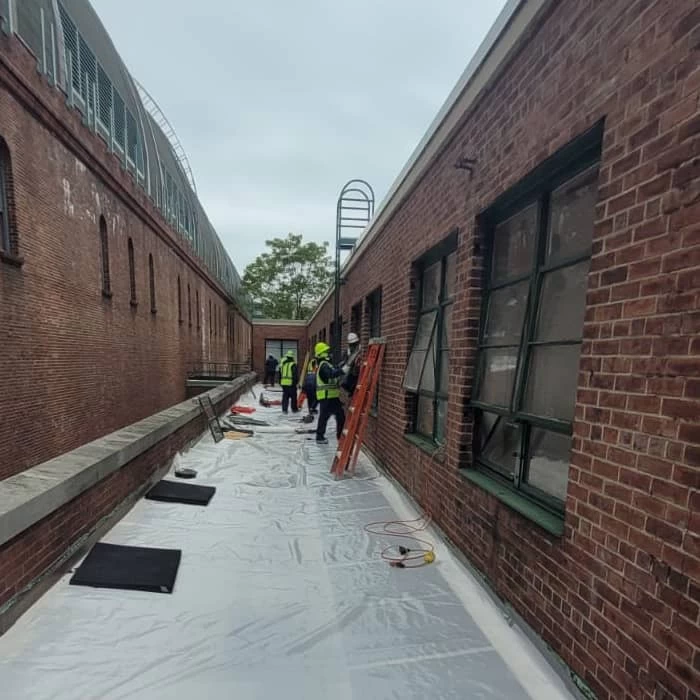
What sets us apart in a market like North Sea is the depth of what we handle in-house. Emergency board-up, soot and smoke remediation, water extraction, asbestos abatement, mold remediation, demolition, full reconstruction, and final finishes all under one company. For a homeowner dealing with a significant property loss near Conscience Point or along the residential roads off Noyack Road, that means one point of accountability, not a chain of contractors to manage while your home sits open.
Our satisfaction guarantee “we’re not done until you’re happy” isn’t standard in this industry. Here, it’s the baseline.
No Surprises Here's Exactly How We Restore Your North Sea Home
The first step is stabilization. That means getting on-site fast, assessing the full scope of damage visible and hidden and securing the structure with board-up or tarping to prevent further exposure. In North Sea, where coastal winds off Peconic Bay can push weather through an unsecured structure quickly, this step matters more than people realize.
From there, the remediation phase begins. Soot and smoke residue are treated at the source not masked with deodorizers. Water from firefighting suppression is extracted and dried before mold has a chance to take hold. If the fire disturbed any asbestos-containing materials, which is a real possibility in North Sea’s older housing stock, that gets handled by our certified professionals before any reconstruction work begins. Southampton Town also requires a building permit for structural restoration work, and for any home built before 1941, the Town’s Building Division refers the application to the Landmarks and Historic Districts Board a step that we navigate correctly from the start.
Once the environment is clean and safe, reconstruction begins. Framing, drywall, flooring, finishes whatever the fire took, we rebuild it. The goal isn’t just to make the home livable again. It’s to bring it back to what it was, or better.
Fire damage restoration in North Sea covers a wider scope than most homeowners expect going in. We start with emergency response board-up, structural stabilization, and a full damage assessment that documents everything for your insurance claim. We work directly with insurance adjusters and use industry-standard estimating so the full scope of loss is captured, not just what’s visible on day one.
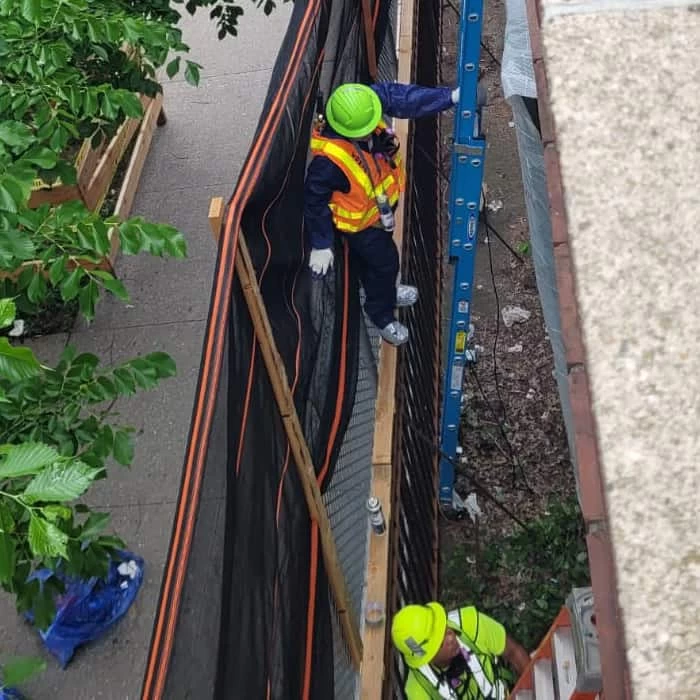
Our remediation services include soot removal, smoke odor elimination, HVAC cleaning, and water extraction from suppression efforts. For North Sea properties with older construction, the process also includes testing and certified abatement for asbestos-containing materials if the fire disturbed them a non-negotiable step that requires New York State Department of Labor certification. Lead paint disturbance in pre-1978 homes is handled under EPA RRP compliance. These aren’t optional add-ons. They’re legal requirements, and skipping them creates liability that follows the property.
Once the hazards are cleared and the structure is documented and permitted through Southampton Town’s Building and Zoning Division, full reconstruction begins. That includes framing, insulation, drywall, flooring, trim, and any finish work needed to return the home to its pre-loss condition. For high-value or estate properties in North Sea where the quality of finishes matters and the property value reflects it we hold the rebuild to the same standard as the original.
What should I do immediately after a house fire in North Sea, NY?
The most important thing you can do in the first hour is call a restoration company not wait for the insurance company to tell you what to do. Your insurer will want documentation, but they don’t control the clock on damage progression. Soot starts permanently bonding to surfaces within 24 to 72 hours, and if firefighting water was used, mold can begin growing within 24 to 48 hours. Every hour without extraction and drying increases the scope of what needs to be restored.
Once the fire department clears the property as safe to enter, don’t attempt to clean anything yourself. Disturbing soot without the right equipment can spread it further and make odor removal significantly harder. In North Sea specifically, if your home is older construction, there’s a real possibility that burned materials contained asbestos ceiling tiles, pipe insulation, floor adhesives and disturbing those without certified handling creates a health and legal risk. Call us, get the property stabilized and secured, and let the assessment drive the next steps. That sequence protects both your health and your insurance claim.
How does fire damage restoration work with my homeowners insurance claim?
Most homeowners filing a major fire damage claim have never done it before, and the process is more involved than a standard claim. Your insurer will send an adjuster to assess the damage, but that assessment is only as thorough as what’s been documented which is why having a restoration company on-site early, capturing the full scope before any cleanup begins, is critical to getting a fair settlement.
We work directly with insurance adjusters and use Xactimate, the industry-standard estimating software that adjusters themselves use. That alignment matters because it means the scope of work is documented in a format your insurer recognizes, which reduces back-and-forth and delays. For North Sea homeowners with high-value properties, where a claim can easily run into six figures, having a restoration company that actively assists with the documentation and adjuster communication rather than handing you a bill and leaving you to fight it out is a significant advantage. Multiple customers have specifically cited this insurance navigation support as one of the most valuable parts of working with us.
Can a fire in one room spread smoke damage throughout my entire North Sea home?
Yes and it happens faster than most people expect. Smoke doesn’t stay where the fire was. It travels through HVAC ductwork, wall cavities, attic spaces, and any gap in the structure within minutes of a fire starting. A contained kitchen fire can leave odor and soot residue in bedrooms, closets, and finished basement spaces that never saw a flame.
In North Sea’s older homes, this is compounded by the fact that older HVAC systems and construction methods leave more pathways for smoke to travel. Homes with forced-air heating common in this area given the cold winters and reliance on oil and propane systems can circulate smoke-contaminated air through every room before the system is shut down. Proper remediation means addressing the HVAC system, not just the visible surfaces. That includes duct cleaning, filter replacement, and treatment of any porous materials flooring, insulation, wood framing that absorbed smoke compounds. Masking the odor with deodorizers is not the same as removing it, and the difference becomes obvious within weeks.
Does fire damage restoration in Southampton Town require a building permit?
Yes. Any structural repair, reconstruction, or significant alteration following fire damage in North Sea falls under the Town of Southampton’s building permit requirements. Permit applications are processed through the Town’s Department of Land Management, Building and Zoning Division, and the work must comply with the New York State Uniform Fire Prevention and Building Code as well as Southampton Town Zoning Ordinance Chapter 330.
There’s an additional layer for older properties. Southampton Town’s building code requires that any permit application involving a structure built prior to 1941 be referred to the Landmarks and Historic Districts Board for review before a permit is issued. North Sea has properties that meet this threshold, including designated Town landmarks. This doesn’t necessarily mean the restoration is blocked it means it needs to go through the right review process. A restoration company that isn’t familiar with this requirement can inadvertently create delays or compliance issues that slow down your project significantly. We navigate this step correctly from the start, not discovering it mid-project.
My North Sea home is a seasonal property what happens if a fire occurs while I'm away?
This is one of the more common and costly scenarios on the South Fork. A fire in an unoccupied seasonal home may not be discovered for hours or even days and in that window, the damage compounds in ways that a fire in an occupied home typically doesn’t. Smoke residue continues to off-gas and stain. Firefighting water sits without extraction, creating ideal conditions for mold growth within 24 to 48 hours. If the structure isn’t secured after the fire department leaves, weather exposure adds another layer of damage.
We can respond, assess, and begin protective measures without you being on-site. We communicate directly with property managers and insurance carriers, document the full scope of damage with photos and written reports, and keep you informed at every step regardless of where you are. For North Sea homeowners who spend part of the year off the Island, this matters enormously. You shouldn’t have to be physically present for the right decisions to be made about your property. Having a named contact who knows your job and picks up the phone is the difference between a managed recovery and a prolonged, worsening loss.
Does fire damage in older North Sea homes involve asbestos or other hazardous materials?
It can, and it’s something that needs to be assessed before any cleanup or reconstruction begins. Asbestos-containing materials were commonly used in residential construction through the late 1970s in ceiling tiles, floor tiles and adhesives, pipe insulation, roofing materials, and textured wall coatings. In North Sea, where a meaningful portion of the housing stock predates this era, a fire that burns through or disturbs these materials can release asbestos fibers that require certified abatement, not standard contractor cleanup.
New York State requires NYSDOL certification for asbestos abatement work it cannot legally be performed by a general contractor or a restoration company without that credential. Similarly, lead paint disturbance in pre-1978 homes triggers EPA Renovation, Repair, and Painting Rule compliance. These aren’t bureaucratic technicalities. They’re protections that exist because improper handling of these materials creates serious health risks and legal liability that follows the property. We handle asbestos abatement and environmental remediation in-house, which means you’re not waiting for a separate subcontractor to be scheduled, and you’re not relying on a general contractor to coordinate work they aren’t certified to oversee. For a North Sea home with any age to it, this integrated capability is one of the most important things to confirm before you hire anyone.