When Fire Hits a North Fork Home, You Need More Than a Cleanup Crew
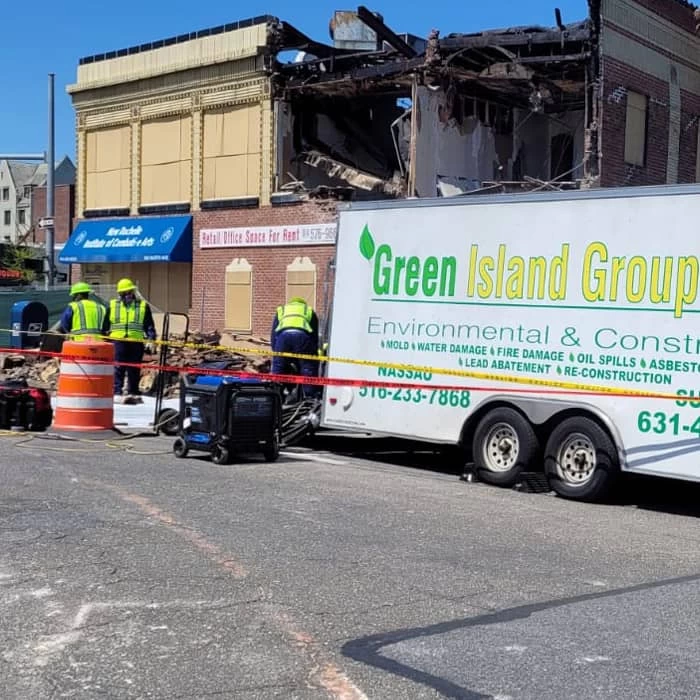
When fire hits a home out here on the North Fork, the damage doesn’t wait and neither should we. We handle fire damage restoration in Northville from the first emergency call through the final walk-through, so you’re not juggling contractors while your home sits exposed.
I needed a professional consultation explanation of procedure for safe removal of Asbestos in my apartment complex. Without having an account yet, I was very impressed with the caring, knowledgeable and generous advice offered by Jessica, and will look forward to doing business in the future. Thank you so much! I feel much more informed about a sometimes scary endeavor. Peace. Nancy Silva Mineola, NY.
Mia Munoz
Used this company to clean up some water flood in my house. They were fast and easy to work with.very professional, Would recommend to anyone!
Nini Valle
Great company, had a flood and they responded quickly and efficiently. Billed my insurance company directly. I highly recommend this company!
joe colapietro, jr
I had pipe freeze in my basement right before a snow storm and they made to within an hour to help start the clean up process. They we by our side throughout the entire process and even helped with the insurance company. They did such a great job with the cleanup, repair, remidiation, I contracted them to perform the repairs and finishes in the basement. They came with enough manpower and material to get the job done. Leo and Jessica were nothing but a pleasure to deal with!!
Cristian Arredondo c
I had some water damage in my home and Green Island was able to take care of my issue quickly and effectively. I am very pleased with the work they did. They responded quickly and were very professional.
Michael M
Outstanding service! From the office to the field crew everyone was friendly, helpful and responsive. I highly recommend Green Island Group.
A fire doesn’t just burn what it touches. Smoke moves through every duct, every wall cavity, every room connected to your HVAC system and in the older farmhouses and mid-century homes that make up a lot of Northville’s housing stock, that smoke has plenty of places to hide. Soot starts permanently etching surfaces within 24 to 72 hours. Water from the fire hoses soaks into floors and insulation, and mold can start developing within two days of that water sitting. By the time the fire trucks leave, the clock is already running.
What you actually need isn’t a company that shows up, bags the debris, and calls it done. You need someone who can trace every inch of damage visible and hidden and restore your home to what it was before any of this happened. That means air quality testing, moisture mapping, odor elimination that goes after the smoke molecules themselves, and full reconstruction when the structure needs it. Not a handoff to a separate contractor three weeks later. All of it, handled by us.
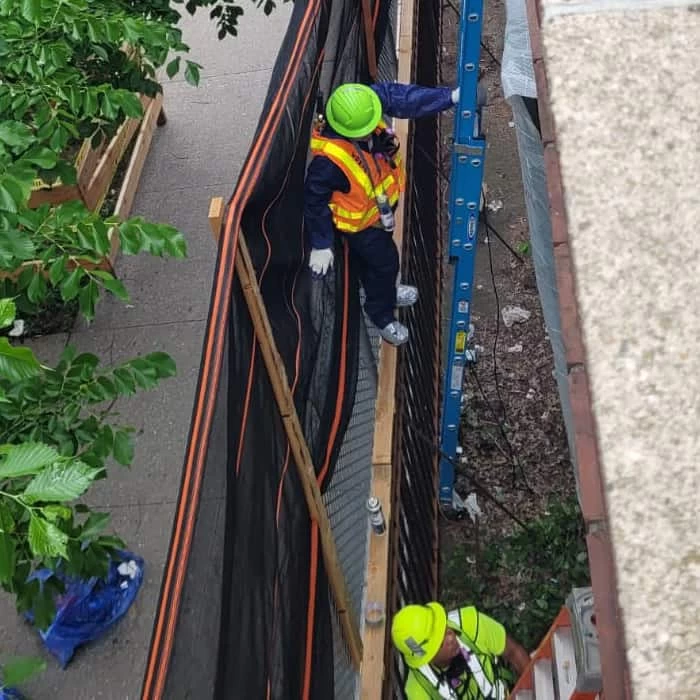
For Northville homeowners specifically, there’s another layer worth knowing about. Many homes here were built before modern safety codes, which means fire damage can disturb asbestos-containing materials floor tiles, pipe insulation, ceiling materials that need certified handling before any restoration work begins. We carry New York State-certified environmental remediation credentials, including asbestos abatement, so that piece of the process doesn’t fall through the cracks or get left to someone else.
We’re an independently owned restoration company serving Nassau and Suffolk Counties not a franchise, not a national brand with a local phone number. When you call, you’re reaching a Long Island company whose reputation is built job by job in the communities we actually serve. That distinction matters a lot when you’re dealing with one of the most stressful situations a homeowner can face.
Our team including Leo and Jessica, who are named by real customers in real reviews stays engaged from first call through final inspection. We’re not dispatching an anonymous crew and moving on. Northville sits far enough out on the North Fork that response time and local accountability aren’t abstract concerns. They’re practical ones. Our documented sub-one-hour response time means you’re not waiting while damage compounds.
From Northville Beach to the Northville Turnpike corridor, the homes in this hamlet are high-value, often older, and deserve a restoration company that treats them accordingly. That’s the standard we hold ourselves to and why clients come back for the full rebuild after the emergency work is done.
The first thing we do when we arrive is assess the full scope not just what burned, but where the smoke traveled, where water from firefighting efforts has penetrated, and whether any hazardous materials were disturbed in the process. In Northville’s older housing stock, that last step isn’t optional. Pre-1978 construction may contain asbestos or lead-based paint, and disturbing those materials without proper testing and containment creates a second problem on top of the first. That assessment happens before any restoration work touches your home.
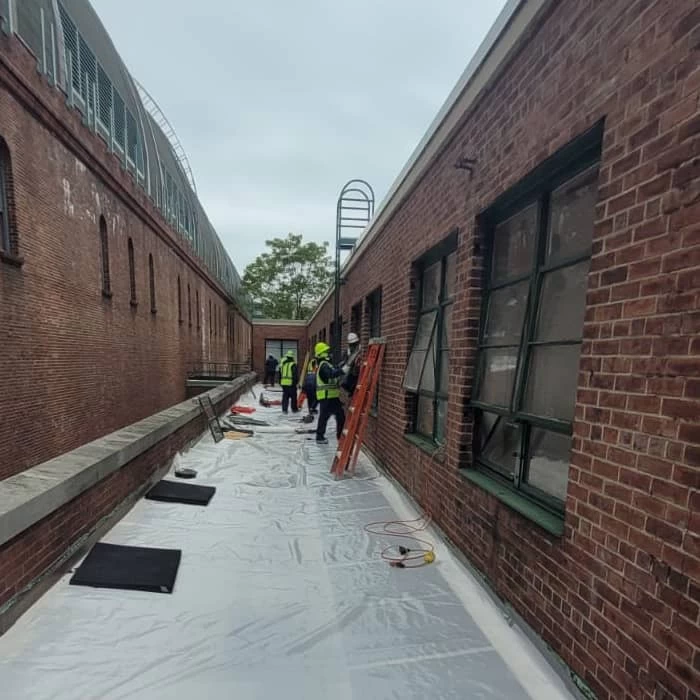
From there, the process moves into stabilization and remediation. That means boarding and securing the structure if needed, extracting standing water, setting up HEPA air scrubbers, and beginning the soot and smoke cleanup. Odor elimination thermal fogging, hydroxyl treatment runs alongside the physical cleanup, not after it, because smoke smell embedded in wood framing and older plaster walls won’t respond to surface-level treatment alone. Your HVAC system gets addressed too, because if it isn’t cleaned, it’ll keep circulating contaminated air long after everything else is done.
Once remediation is complete, reconstruction begins and this is where our end-to-end model matters. All structural repairs, electrical, and finish work go through the Town of Riverhead Building Department permitting process, and we manage that alongside the insurance documentation so you’re not coordinating between three different parties at once. The job isn’t finished until the home is livable and you’ve signed off on it.
Everything the Job Actually Requires Handled in One Place
Fire damage restoration in Northville isn’t a single service it’s a sequence of connected work that has to be done in the right order by people who understand how each phase affects the next. We cover the full sequence: emergency response and property securing, smoke and soot remediation, water extraction and drying, environmental testing and hazardous material abatement, odor elimination, and complete structural reconstruction. Nothing gets handed off to a subcontractor you’ve never met.
For Northville and the broader Riverhead area, a few things come up consistently that don’t apply everywhere else on Long Island. Many homes here run on heating oil systems the North Fork has historically had limited natural gas infrastructure and oil-fired equipment creates a specific kind of fire and soot profile that requires targeted remediation. Seasonal and vacation properties, which make up a meaningful share of the North Fork market, often mean fire damage that’s been sitting longer before it’s discovered. We can assess and begin work remotely coordinated for absentee owners, with clear communication throughout so you don’t have to be on-site to stay informed.
The insurance piece is built into the process, not treated as an afterthought. We help document damage, interface with adjusters, and ensure the claim scope reflects the actual extent of the loss not a minimized version of it. In a market where Northville homes are valued near $900,000, getting that claim right isn’t a small detail.
How quickly can fire damage restoration begin for a Northville, NY home?
Speed matters more in fire restoration than most people realize going in. Soot begins permanently bonding to and etching surfaces within 24 to 72 hours of a fire, and water from firefighting efforts can start producing mold within 48 hours of sitting in floors, walls, and insulation. Every hour between the fire and the start of remediation is an hour that expands the total damage scope and the total cost.
Our response time to Northville is documented at under one hour from the initial call. That’s meaningful for a hamlet this far out on the North Fork, where some restoration companies operating out of western Suffolk County can take two hours or more to reach you. The sooner we arrive, the more of your home’s materials and finishes can be saved rather than replaced and the shorter your overall restoration timeline.
Does fire damage restoration also cover the smoke smell throughout my house?
Yes and this is one of the most misunderstood parts of the process. Smoke doesn’t stay in the room where the fire happened. It moves through HVAC ductwork, penetrates wall cavities, soaks into insulation, and settles into soft materials and porous surfaces throughout the home. In Northville’s older homes many with wood framing, older plaster walls, and original ductwork smoke can embed deeply enough that surface cleaning alone won’t touch it.
We use professional odor elimination methods including thermal fogging and hydroxyl treatment, which neutralize smoke compounds at the molecular level rather than masking them with fragrance. The HVAC system is treated separately, because a duct system that isn’t cleaned will keep recirculating smoke odor every time the heat or air conditioning runs. When the job is done, the smell is gone not covered up.
My Northville home is older should I be worried about asbestos after a fire?
If your home was built before the mid-1970s, it’s a legitimate concern worth taking seriously. Asbestos-containing materials were commonly used in floor tiles, pipe insulation, ceiling tiles, and exterior siding in homes built before that era and a fire can disturb those materials, releasing fibers that are hazardous when airborne. You can’t identify asbestos by looking at it, which is why testing before any restoration work begins is the responsible approach.
We hold New York State Department of Labor-certified asbestos abatement credentials, meaning we can legally and safely test, contain, and remove asbestos-containing materials as part of the restoration process rather than handing that piece off to a separate contractor or, worse, proceeding without addressing it. For Northville homeowners in older properties along Northville Beach or the surrounding North Fork area, this isn’t an edge-case concern. It’s a standard part of what a thorough fire restoration assessment should include.
Will my homeowner's insurance actually cover fire damage restoration in Northville?
Standard homeowner’s insurance policies in New York typically cover fire damage restoration, including smoke and soot remediation, water damage from firefighting efforts, and structural repairs. But what the policy covers and what the adjuster initially documents as covered aren’t always the same thing. Adjusters work for the insurance company, and their initial assessment can miss hidden damage smoke in wall cavities, water in subfloors, environmental hazards that a thorough restoration contractor would catch.
We work alongside you through the claims process: helping document the full extent of damage, providing the insurer with the scope of work, and making sure the claim reflects what the restoration actually requires. Multiple clients have specifically called out this support in their reviews it’s not a side service, it’s built into how we operate. For Northville homeowners filing a major claim for the first time, having someone in your corner who’s done this dozens of times makes a real difference in the final outcome.
I own a vacation home in Northville can restoration be managed if I'm not local?
This comes up regularly on the North Fork, where a significant number of properties are second homes or seasonal residences. Discovering fire damage at a property you’re not physically near especially in the off-season when the home may have been unoccupied for weeks creates a different set of logistical challenges than a primary residence situation. You need a restoration company that can take ownership of the process without requiring you to be on-site to move things forward.
We can assess the property independently, secure it if needed, coordinate with your insurance company, and manage the full restoration from remediation through reconstruction with regular, clear communication throughout. You’ll know what’s happening, what the timeline looks like, and what decisions need your input without having to drive out to the North Fork every time a question comes up. The project leads are real, named people who stay with your job from start to finish, not a rotating call center.
How long does fire damage restoration typically take for a home in Northville?
The honest answer is that it depends on the scope of damage, and anyone who gives you a firm timeline before assessing the property is guessing. A contained kitchen fire in a newer home might be fully remediated and reconstructed in two to four weeks. A fire that spread through multiple rooms of an older Northville home with smoke throughout the HVAC system, water damage in the subfloors, and asbestos-containing materials that need abatement before reconstruction can begin could take two to four months or longer.
The Town of Riverhead building permit process is part of the timeline for any structural reconstruction work, and we manage that permitting alongside the restoration rather than treating it as a separate task that delays the job. What you can count on is that the timeline you’re given will be based on an honest assessment of what the work actually requires not an optimistic number designed to win the job. The goal is a fully restored home, and we don’t close a project until that standard is met.