Albertson's Older Homes Don't Forgive Slow Response
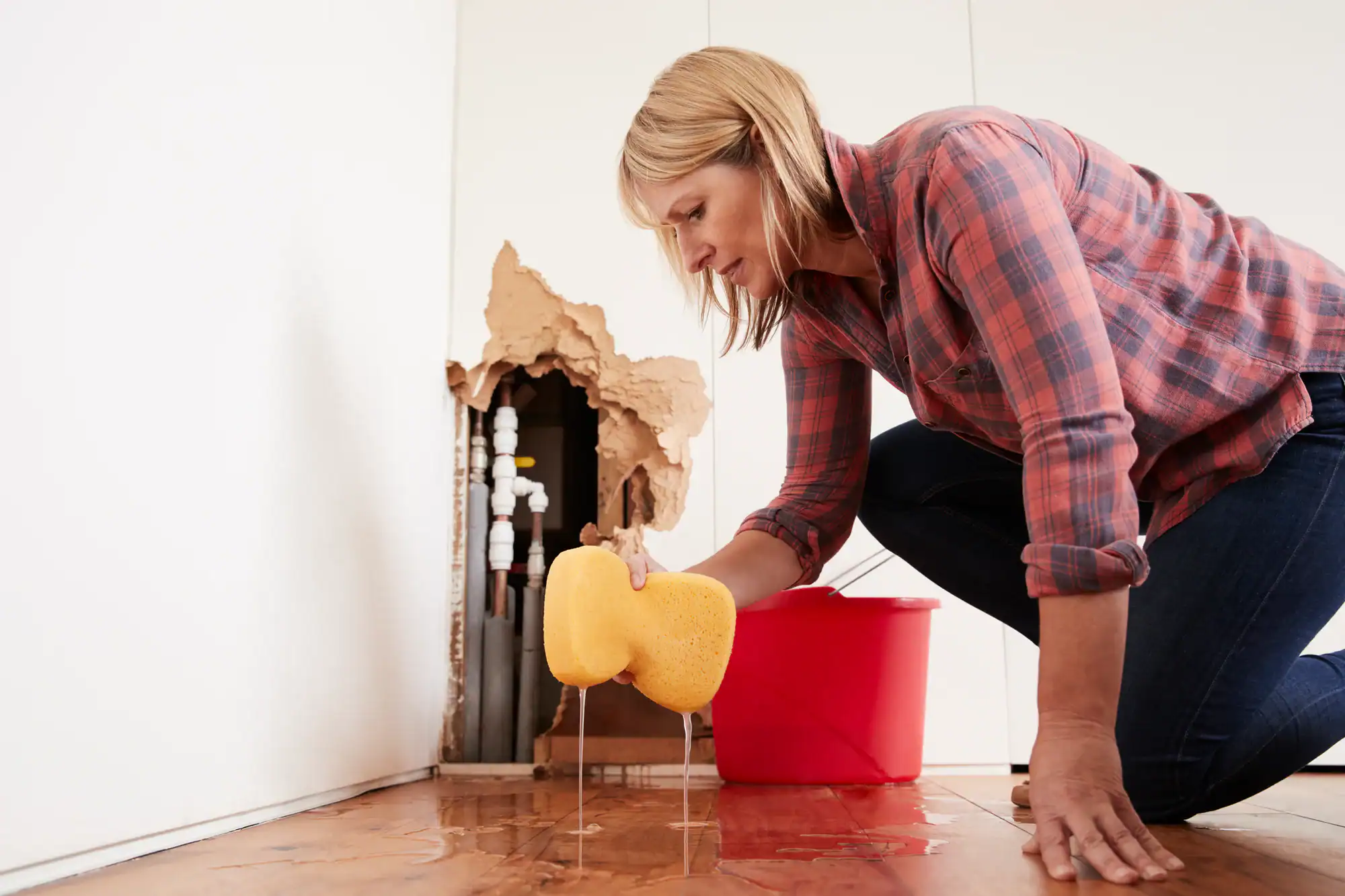
When water gets into a 70-year-old Cape Cod or Levitt-era ranch, the clock starts immediately — mold can take hold in 24 to 48 hours. We’re a Long Island-based water damagerestoration company that responds fast, works directly with your insurance, and doesn’t stop until your home is actually dry.
I needed a professional consultation explanation of procedure for safe removal of Asbestos in my apartment complex. Without having an account yet, I was very impressed with the caring, knowledgeable and generous advice offered by Jessica, and will look forward to doing business in the future. Thank you so much! I feel much more informed about a sometimes scary endeavor. Peace. Nancy Silva Mineola, NY.
Mia Munoz
Used this company to clean up some water flood in my house. They were fast and easy to work with.very professional, Would recommend to anyone!
Nini Valle
Great company, had a flood and they responded quickly and efficiently. Billed my insurance company directly. I highly recommend this company!
joe colapietro, jr
I had pipe freeze in my basement right before a snow storm and they made to within an hour to help start the clean up process. They we by our side throughout the entire process and even helped with the insurance company. They did such a great job with the cleanup, repair, remidiation, I contracted them to perform the repairs and finishes in the basement. They came with enough manpower and material to get the job done. Leo and Jessica were nothing but a pleasure to deal with!!
Cristian Arredondo c
I had some water damage in my home and Green Island was able to take care of my issue quickly and effectively. I am very pleased with the work they did. They responded quickly and were very professional.
Michael M
Outstanding service! From the office to the field crew everyone was friendly, helpful and responsive. I highly recommend Green Island Group.
The real damage in a water event isn’t always what you can see. In Albertson, where roughly 85% of homes were built before 1970, water finds its way into wall cavities, original subfloor framing, and basement spaces that were finished decades ago without modern moisture barriers. What looks dry on the surface can be holding moisture inside your walls for weeks. That hidden moisture is what becomes mold, structural deterioration, and a much bigger problem down the road.
When water damage restoration is done right, you’re not just getting a dry basement — you’re protecting a home that’s likely worth over half a million dollars. Albertson’s high owner-occupancy rate means most people calling us have lived in their homes for years and plan to stay. That’s a different kind of investment than a rental property, and it deserves a different level of care. Documented, thorough restoration also protects your position if you ever sell, since Nassau County buyers and their inspectors will look hard at any home with a water damage history.
Albertson sits within the Mill River Watershed, which means groundwater rises quickly during heavy rain events — nor’easters, spring snowmelt, late-summer storms. Basement seepage here isn’t a one-time catastrophe. For many homeowners along I.U. Willets Road and through the Hillside Terrace neighborhood, it’s a recurring seasonal reality. The outcome you’re looking for isn’t just cleanup after one event — it’s knowing your home was restored to a standard that holds up the next time the ground saturates.
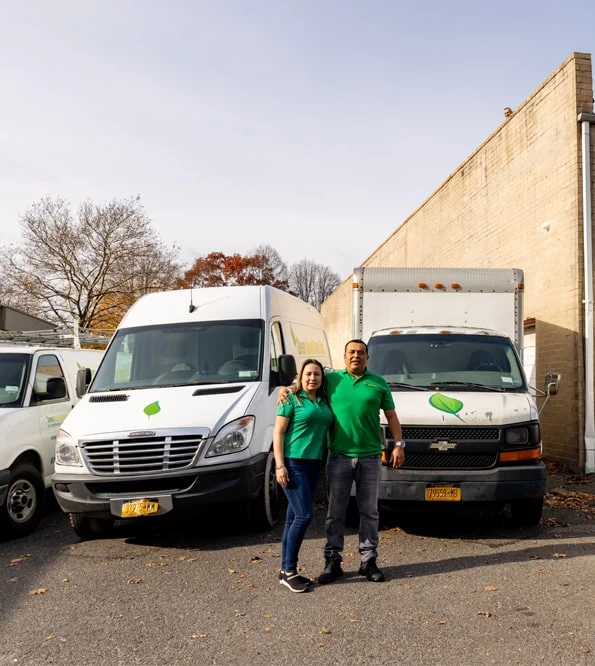
We’re a Long Island-based water damage restoration company, not a franchise. When you call 631-256-5711, you’re reaching a local team — not a national dispatch center routing your job to whoever is available in the region. The crew that shows up to your Albertson home is our crew, and we’re accountable to you from the first call to the final moisture reading.
We’re IICRC certified and licensed under New York State’s Mold Law, which requires separate credentials for mold assessment and mold remediation. That’s not a formality in a hamlet where most homes are 60 to 80 years old — it’s a legal requirement that a lot of operators quietly skip. We also carry Nassau County Home Improvement Contractor licensing and full liability coverage, including pollution liability for mold-related work.
Albertson is a tight-knit community of long-term homeowners. The families on Netz Place and around the Clark Botanic Garden aren’t looking for the cheapest company on Angi — they’re looking for someone they can trust with their most valuable asset. That’s the standard we hold ourselves to on every job.
No Guesswork — Here's Exactly How We Restore Your Home
The first thing we do when we arrive is assess — not assume. We use thermal imaging cameras and calibrated moisture meters to find water that has migrated into wall cavities, under flooring, and inside structural framing. In Albertson’s older homes, water rarely stays where it entered. A basement seepage event can wick moisture up through original block foundation walls and into finished drywall that was added in the 1960s. We find it before it becomes a mold problem.
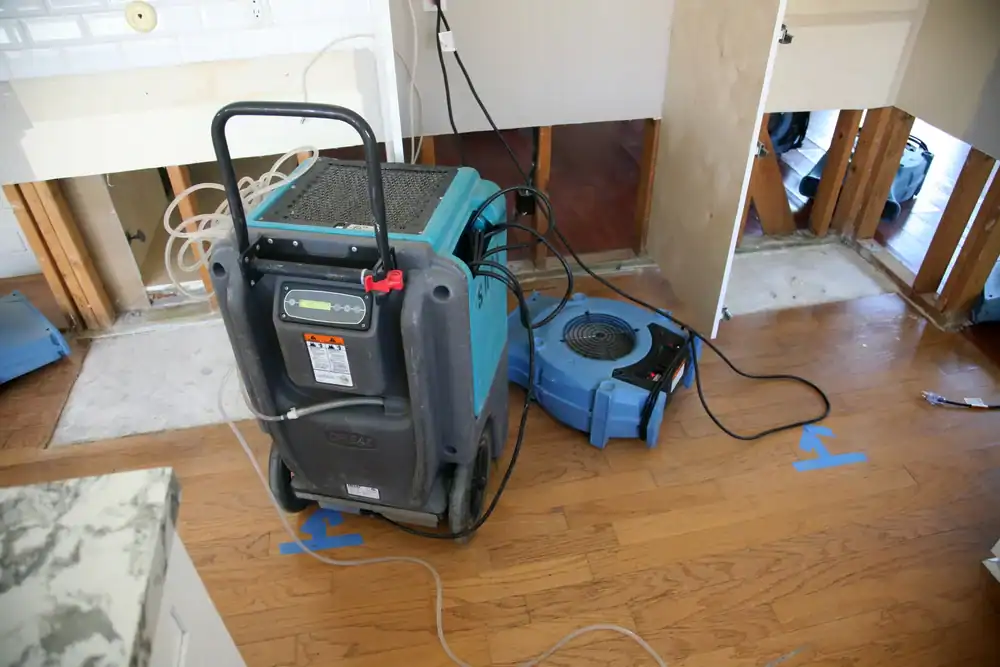
Once we know the full scope, we extract standing water and deploy industrial air movers and desiccant dehumidifiers throughout the affected area. These aren’t hardware store fans — they’re designed to pull moisture out of structural materials, not just circulate air. For finished basements and wall cavities, we use injectidry systems that reach inside the spaces a fan never could. We monitor readings daily and adjust equipment placement until every measurement confirms the structure is dry, not just the surface.
If your restoration requires structural repairs — replacing drywall, subfloor, or framing — we handle the permitting process through the Town of North Hempstead Building Department, which governs work in Albertson as an unincorporated hamlet. We also document every phase of the job in writing, with before-and-after moisture data, photographic records, and a written scope of work. That documentation goes directly to your insurance adjuster, and we communicate with them on your behalf so you’re not navigating the claim alone.
Water damage restoration isn’t a single service — it’s a sequence of steps that have to happen in the right order to produce a result that actually holds. We handle emergency water extraction, structural drying, moisture mapping, mold assessment, mold remediation, and repairs under one roof. You’re not coordinating between a mitigation company and a separate contractor. We carry the job from the initial call through the final clearance test.
For Albertson homeowners specifically, a few things come up consistently. Galvanized pipes in homes built before 1960 are well past their service life and are a leading cause of sudden water damage events — we see burst pipe jobs throughout the winter months, when Nassau County temperatures drop and older pipe systems in uninsulated spaces fail without warning. Ice dams on aging roofs are another common source of water intrusion that goes undetected until it’s already inside attic framing and wall cavities. We’re familiar with both scenarios and know how to assess them properly in homes of this age and construction type.
On the mold side, New York State’s Mold Law requires licensed assessors and remediators to handle any mold-related work. We hold both licenses from the New York State Department of Labor. That matters in a community where homes have original wall cavities and decades-old finished basements — spaces where mold can establish long before a homeowner realizes there’s a moisture problem. Every job we complete includes final clearance documentation, which protects you in any future real estate transaction and gives you a verifiable record that the work was done to a licensed, inspected standard.
How quickly can mold grow after water damage in an Albertson basement?
Mold can begin growing within 24 to 48 hours of water intrusion — and that timeline is not forgiving in Albertson’s finished basements. Most homes in this hamlet were built between the 1940s and 1960s, and many had their basements finished in the decades that followed. That means drywall, carpet, wood framing, and insulation that were never designed with flood mitigation in mind. When water enters those spaces, it doesn’t just sit on the floor — it absorbs into every porous material it contacts, and mold spores activate fast in that environment.
The reason response time matters so much here is that the longer water sits, the deeper it migrates. By the time you can see mold on a wall surface, it has typically been growing inside the wall cavity for days or weeks. That’s why we prioritize emergency response and why we use thermal imaging and moisture meters on every job — to find what’s happening inside the structure, not just on the surface.
Does homeowners insurance cover water damage and basement flooding in New York?
It depends on the cause, and that distinction matters more than most homeowners realize. Standard homeowners insurance in New York typically covers sudden and accidental water damage — a burst pipe, a failed water heater, an appliance line that gives out. What it generally does not cover is flooding from an external source, like groundwater rising through your foundation during a heavy rain event. For that type of coverage, you’d need a separate flood insurance policy through the National Flood Insurance Program or a private carrier.
For Albertson homeowners, this is worth understanding clearly. The hamlet’s position within the Mill River Watershed means basement seepage during heavy rain is a real and recurring risk — but that type of water intrusion is often classified as groundwater flooding, which falls outside standard homeowners coverage. If you’re unsure what your policy covers, we can help you review the damage documentation and identify the cause in a way that gives your adjuster the clearest possible picture. We work with insurance companies regularly and know how to present a claim accurately and completely.
What should I do immediately after my basement floods in Albertson, NY?
The first thing to do is make sure it’s safe to enter the space. If there’s any chance water has reached your electrical panel, outlets, or wiring — which is a real concern in older Albertson homes where electrical systems may not have been updated — stay out and call PSEG Long Island before anyone goes in. Water and live electricity are a serious hazard, and it’s not worth the risk to assess the damage yourself before the power situation is confirmed safe.
Once it’s safe, don’t run consumer fans or a household dehumidifier and assume the job is done. Those tools move surface air — they don’t extract moisture from inside wall cavities, subfloor framing, or original block foundation walls. The moisture you can’t see is what causes mold and structural damage weeks later. Call us at 631-256-5711 and we’ll respond quickly, assess the full scope with thermal imaging and moisture meters, and start the extraction and drying process before that 48-hour mold window closes.
How long does water damage restoration take in a Nassau County home?
The structural drying phase alone typically takes three to five days for a standard basement or first-floor water event, though the timeline depends on how much water was present, how long it sat before extraction began, and what materials were affected. In Albertson’s older homes — where original subfloor, plaster walls, and block foundations absorb and hold moisture differently than modern construction — drying can take longer than it would in a newer build. We monitor moisture readings daily and don’t pull equipment until the numbers confirm the structure is genuinely dry.
If the job requires structural repairs after drying — replacing drywall, flooring, or framing — that adds time and requires permits through the Town of North Hempstead Building Department. The full timeline from initial response to completed repairs varies, but we’ll give you a realistic scope after the initial assessment, not a guess designed to get you to sign. Most insurance companies expect a documented drying log and a written scope of work before they process a claim, and we provide both as a standard part of every job.
How do I know if there's hidden moisture in my walls after a water event?
You usually can’t tell by looking. That’s the honest answer. Drywall that feels dry to the touch can hold significant moisture inside, and original plaster walls — common in Albertson homes built in the 1940s and 1950s — can absorb water and hold it for weeks without showing visible signs on the surface. By the time you see discoloration, bubbling paint, or a musty smell, the moisture has been there long enough to potentially support mold growth.
We use two tools on every job to find what’s hidden: thermal imaging cameras, which detect temperature differentials caused by moisture behind walls and under floors, and calibrated moisture meters, which give us actual readings inside the material rather than just on the surface. We map every affected area before we start drying and re-test throughout the process. The job isn’t done when the basement looks dry — it’s done when the readings confirm it is. That documentation goes into your job file and is available to you, your insurance company, or a future home inspector.
Do you handle water damage restoration in homes with mold already present in Albertson?
Yes — and in Albertson specifically, this comes up more than people expect. When you’re dealing with a home that’s 60, 70, or even 80 years old, existing mold colonies behind original drywall or inside wall cavities aren’t unusual. A new water event doesn’t create mold from scratch in those spaces — it reactivates what’s already there and accelerates its spread. That’s a different situation than a newer home with a first-time water intrusion, and it requires a licensed approach.
New York State’s Mold Law requires that mold assessment and mold remediation be performed by separately licensed professionals — the assessor identifies and documents the scope, and the remediator handles the physical removal and clearance. We hold both licenses from the New York State Department of Labor, which means we can handle the full scope legally and without you needing to coordinate between separate companies. We provide written clearance documentation after remediation is complete, which is important for Albertson homeowners both for peace of mind and for any future real estate disclosure requirements.