When the Mill River Comes Indoors, You Need Someone Who Knows This Shore
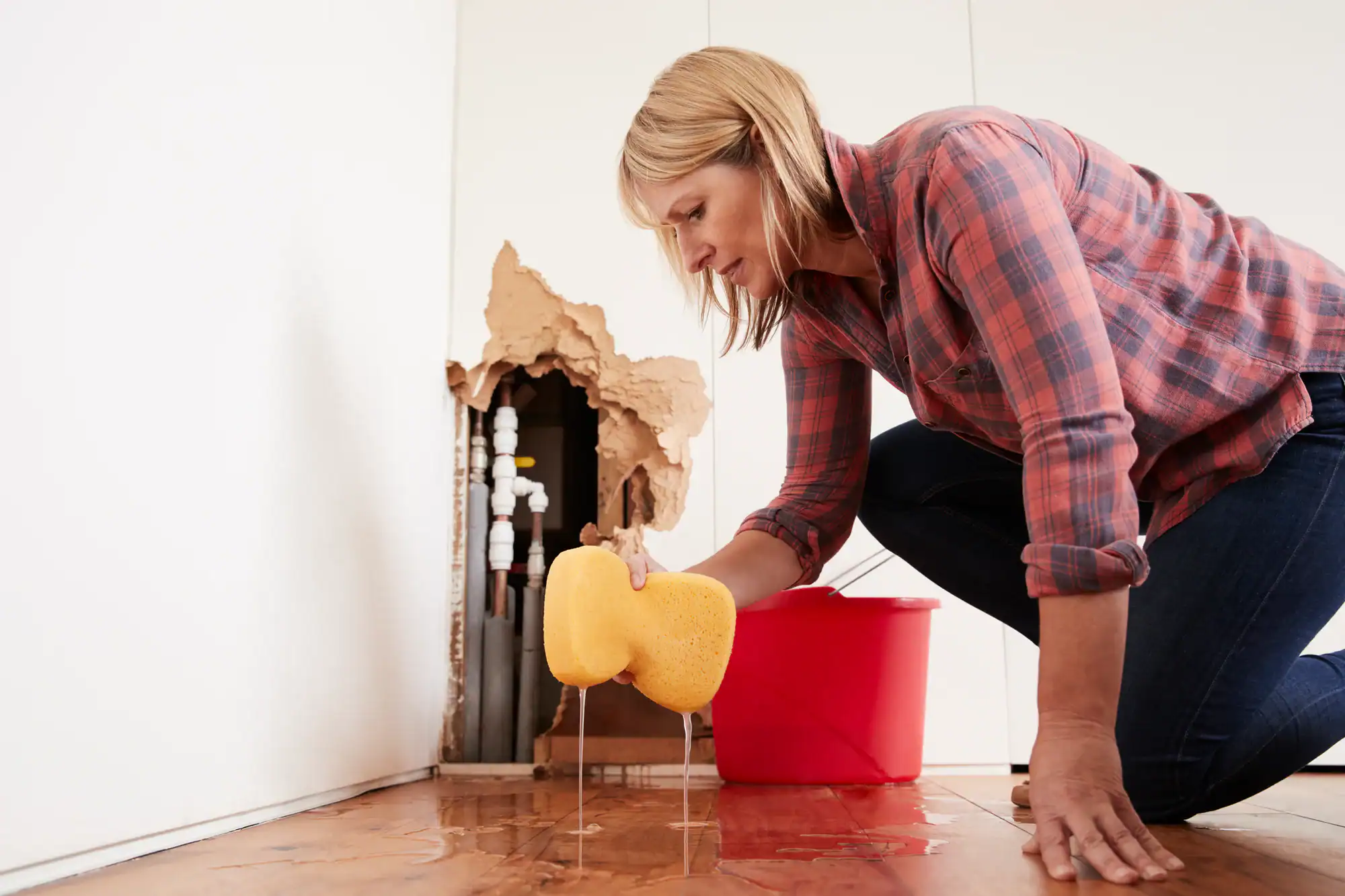
East Rockaway isn’t an inland suburb — it’s a waterfront village, and your home deserves a water damage restoration team that actually understands that. We respond 24/7 with a local Long Island crew that knows the South Shore inside and out. When water gets into your East Rockaway home, the visible damage is almost never the whole story. The floor looks dry. The wall feels fine. But inside the framing, behind the drywall, under the subfloor — moisture is still sitting there, and within 24 to 48 hours, that’s where mold starts.
For East Rockaway homeowners specifically, the risk runs deeper than a burst pipe or a leaky roof. The Mill River runs right through this village and connects to East Rockaway Inlet, which feeds into Reynolds Channel. The National Weather Service actually monitors that inlet as a formal coastal flood gauge — meaning tidal flooding here isn’t a freak event, it’s a documented, recurring condition. Homes along the waterfront district and near the marina have seen this firsthand, especially after nor’easters push water up from the barrier island chain.
I needed a professional consultation explanation of procedure for safe removal of Asbestos in my apartment complex. Without having an account yet, I was very impressed with the caring, knowledgeable and generous advice offered by Jessica, and will look forward to doing business in the future. Thank you so much! I feel much more informed about a sometimes scary endeavor. Peace. Nancy Silva Mineola, NY.
Mia Munoz
Used this company to clean up some water flood in my house. They were fast and easy to work with.very professional, Would recommend to anyone!
Nini Valle
Great company, had a flood and they responded quickly and efficiently. Billed my insurance company directly. I highly recommend this company!
joe colapietro, jr
I had pipe freeze in my basement right before a snow storm and they made to within an hour to help start the clean up process. They we by our side throughout the entire process and even helped with the insurance company. They did such a great job with the cleanup, repair, remidiation, I contracted them to perform the repairs and finishes in the basement. They came with enough manpower and material to get the job done. Leo and Jessica were nothing but a pleasure to deal with!!
Cristian Arredondo c
I had some water damage in my home and Green Island was able to take care of my issue quickly and effectively. I am very pleased with the work they did. They responded quickly and were very professional.
Michael M
Outstanding service! From the office to the field crew everyone was friendly, helpful and responsive. I highly recommend Green Island Group.
The post-war housing stock throughout East Rockaway adds another layer of complexity. Homes built in the 1950s and 60s have older pipe systems, plaster walls, and original hardwood floors that hold moisture differently than modern construction. When water gets in, it doesn’t just sit on the surface — it absorbs, spreads, and hides. The outcome you want isn’t just a dry floor. It’s a home that’s been properly dried, documented, and cleared — so you’re not dealing with the same problem six months from now.
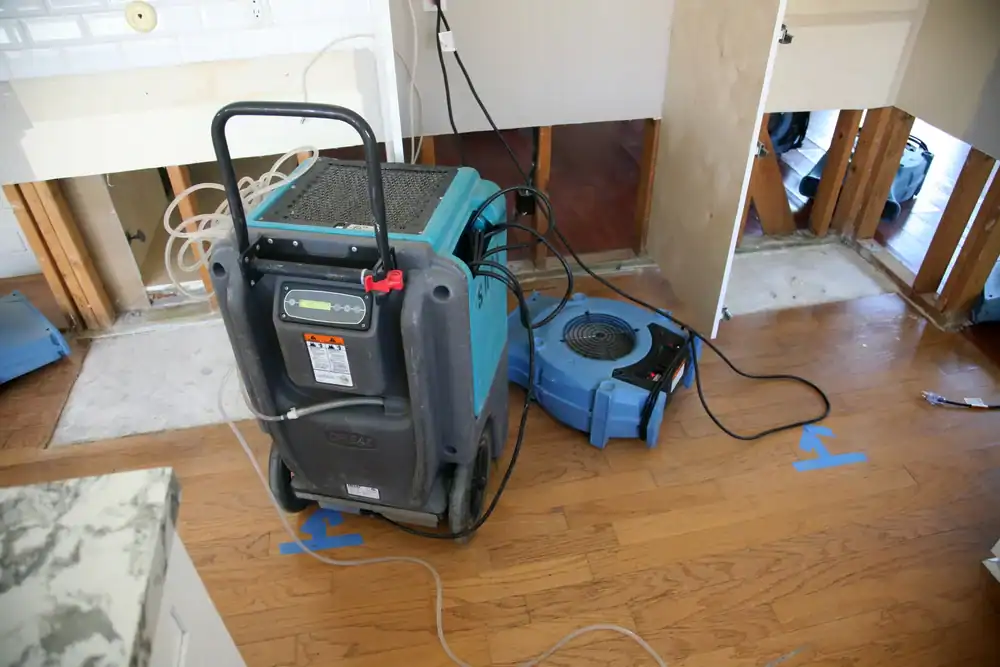
We use thermal imaging cameras and calibrated moisture meters to find water inside wall cavities, beneath flooring, and in structural framing that would never show up on a visual inspection. In a finished East Rockaway basement — the kind common throughout this village — that step is what separates a job that holds from one that fails six months later. We deploy industrial desiccant dehumidifiers and high-velocity air movers that pull moisture out of structural materials, not just the air around them. We monitor moisture readings throughout the drying process and don’t sign off until the numbers confirm your home is actually dry — not just dry to the eye.
Long Island Crew, South Shore Knowledge, No Franchise in the Middle
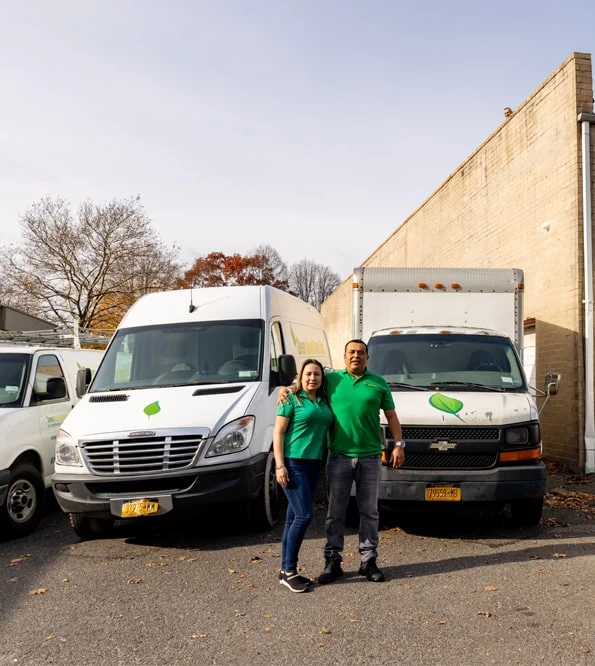
We are a Long Island-owned and operated restoration company — not a franchise, not a national brand routing your call through a corporate system. When you reach us, you’re talking to the people who will actually show up at your door. That matters more than it sounds when you’re dealing with water in your home at 11pm on a Tuesday.
We’ve worked on South Shore homes from Rockville Centre to Oceanside to Island Park, and East Rockaway is familiar territory. We know the building stock here — the finished basements, the older drainage configurations, the homes that sit close to the Mill River corridor where tidal exposure is a real and recurring factor. We know the Village of East Rockaway Building Department’s permit process for restoration work, and we handle that piece so you don’t have to.
We’re also fully licensed under New York State’s Mold Law, which requires separate NY Department of Labor licensure for mold assessment and remediation. Not every company advertising in this market holds those licenses. We do.
What Actually Happens From Your First Call to a Fully Dry Home
The first call triggers everything. You reach a live person — not a voicemail, not an after-hours answering service — and we dispatch a crew to your East Rockaway address. When we arrive, the first thing we do is assess the full scope of the damage. Not just what’s visible, but what’s hiding. We use thermal imaging cameras and calibrated moisture meters to find water inside wall cavities, beneath flooring, and in structural framing that would never show up on a visual inspection. In a finished East Rockaway basement — the kind common throughout this village — that step is what separates a job that holds from one that fails six months later.
Once we know what we’re dealing with, we extract standing water and deploy industrial drying equipment. Desiccant dehumidifiers and high-velocity air movers pull moisture out of structural materials, not just the air around them. We monitor moisture readings throughout the drying process and don’t sign off until the numbers confirm your home is actually dry.
From there, any restoration work — drywall replacement, flooring, structural repairs — gets handled with the appropriate permits from the Village of East Rockaway Building Department. Throughout the entire process, we manage the documentation and communication with your insurance carrier. We build the claim file, work directly with your adjuster, and handle the back-and-forth so you’re not stuck in the middle of it.
Water Damage Restoration Service, East Rockaway NY
Everything Covered — From Tidal Flooding to a Burst Pipe in January
Water damage in East Rockaway doesn’t come from one direction. It comes from the Mill River during a nor’easter. It comes from a pipe that finally gave out in an exterior wall during a January cold snap. It comes from a roof that couldn’t handle the ice load and pushed meltwater into the attic. It comes from a sump pump that failed during a heavy spring rain when the South Shore water table is already high. Whatever the source, the response is the same: fast extraction, thorough drying, documented scope, and a restoration plan that accounts for the specific materials and construction in your home.
Our water damage restoration service covers the full picture — water extraction and emergency mitigation, structural drying with industrial equipment, mold inspection and remediation (NY State licensed), full documentation for insurance claims, and reconstruction and repairs through the appropriate village permits. We work on finished basements, main living areas, crawl spaces, and attic systems. If it got wet, we address it.
For East Rockaway homeowners navigating a flood insurance or homeowners insurance claim, we handle the documentation from day one. That means moisture readings, photo documentation, scope of loss reports, and direct communication with your adjuster. The South Shore has a high concentration of insured homeowners who’ve been through this before — many since Sandy — and they know the claim process is where things can go sideways fast. We make sure they don’t.
How quickly does mold actually start growing after water damage in my home?
Mold can begin developing within 24 to 48 hours of water intrusion — and that timeline doesn’t care whether the water came from a pipe, a storm, or a slow leak behind your wall. The EPA and IICRC both document this window, and it’s the reason response time is the single most important factor in water damage restoration. The longer moisture sits in wall cavities, subfloor materials, and structural framing, the more likely you are to be dealing with a mold remediation job on top of a water damage job.
For East Rockaway homeowners, this is especially relevant because the older housing stock throughout the village — homes built in the 1950s and 60s with plaster walls, original hardwood floors, and older insulation — absorbs and holds moisture in ways that modern construction doesn’t. A surface that looks and feels dry can be concealing significant moisture inside the wall assembly. That’s why we use thermal imaging and moisture meters to confirm dryness rather than relying on visual inspection alone. Getting someone out fast isn’t about urgency for its own sake — it’s about keeping a manageable water damage job from becoming a full mold remediation project.
Does homeowners insurance cover water damage and flood restoration in East Rockaway, NY?
It depends on the source of the water, and this is where a lot of East Rockaway homeowners get caught off guard. Standard homeowners insurance typically covers sudden and accidental water damage — a burst pipe, an appliance failure, a roof leak from a storm. What it generally does not cover is flooding from an external water source, like tidal overflow from the Mill River or storm surge pushing in from Reynolds Channel. That type of flooding typically requires a separate flood insurance policy, often through the National Flood Insurance Program.
Given East Rockaway’s position on the South Shore — directly on tidal waterways that the National Weather Service formally monitors for coastal flooding — flood insurance is worth having if you don’t already. Many homeowners in low-lying areas near the waterfront district and marina found this out the hard way during Sandy. If you’re not sure what your policy covers, we can help you review the documentation during our initial assessment. We handle the claim process from scope of loss through adjuster communication regardless of which policy applies, and we make sure the documentation supports your settlement rather than complicating it.
What's the difference between water damage restoration and just drying things out myself?
Consumer-grade fans and dehumidifiers move air across surfaces. They don’t pull moisture out of wall cavities, structural framing, or subfloor assemblies — and that’s where the damage actually lives after a significant water event. Industrial desiccant dehumidifiers and high-velocity air movers used by certified restoration technicians work differently. They’re calibrated to extract moisture from inside building materials, not just reduce the humidity in the room around them.
The practical difference is this: a home that was dried with a hardware store fan may look and feel dry within a few days. But if moisture is still sitting inside the wall assembly or beneath the flooring, you’ll see the consequences weeks or months later — warped floors, soft drywall, mold behind the baseboard. In a finished East Rockaway basement, which is often the first space to take on water during a nor’easter or a high-water-table event, that hidden moisture is exactly what leads to the expensive secondary remediation jobs. Professional drying also comes with moisture meter documentation at the close of the job, which your insurance carrier may require to confirm the work was completed to IICRC standards.
Do I need a permit for water damage repairs in East Rockaway, NY?
Yes, depending on the scope of the repairs. The Village of East Rockaway has its own Building Department, and any restoration work that involves structural repairs, drywall replacement, or reconstruction will typically require a permit before work begins. This is a step that homeowners often don’t think about in the middle of a water emergency — and it’s also a step that unlicensed or out-of-area contractors sometimes skip, which can create legal and insurance complications down the line.
We handle the permit process as part of the job. We know what the East Rockaway Building Department requires for restoration work, how to submit properly, and how to keep the project moving without unnecessary delays. This matters especially for insurance claims, because unpermitted work can create problems when your adjuster reviews the scope of loss and the completed repairs. If you’re dealing with water damage in East Rockaway and the job involves anything beyond surface-level cleanup, the permit piece should be handled by whoever is doing the work — and we make sure it is.
How do I know if water damage in my basement is covered by insurance or a flood claim?
The determining factor is where the water came from, not where it ended up. If your basement flooded because a pipe burst or your water heater failed, that’s typically a homeowners insurance claim — sudden and accidental internal water damage. If your basement flooded because groundwater rose and pushed in through the foundation, or because tidal overflow from a nearby waterway entered through the yard and foundation walls, that’s generally a flood claim — and it requires separate flood insurance coverage to be compensated.
This distinction matters a great deal for East Rockaway homeowners because the village sits on tidal waterways with a documented history of coastal flooding. Homes near the Mill River corridor, the marina district, and the lower-lying sections of the village are particularly exposed to the kind of flooding that standard homeowners insurance won’t cover. We document the source and path of water intrusion during our initial assessment, which is exactly the information your insurance carrier will need to route the claim correctly. Getting that documentation right from the start prevents the back-and-forth that can delay your settlement by weeks.
Why should I hire a local Long Island company instead of a national restoration franchise?
The practical answer is accountability and local knowledge — two things that are hard to fake and easy to verify. A national franchise brand may have a local operator, but they work within a corporate framework that prioritizes brand consistency over neighborhood-level familiarity. Many franchise operations subcontract labor, which means a different crew may show up each day of a multi-day job with no consistent project manager who knows what was done the day before.
We are not a franchise. The people who answer the phone are connected to the people doing the work, and we know the South Shore — the building stock, the tidal flood patterns along the Mill River, the Nassau County insurance carriers who handle South Shore claims, and the Village of East Rockaway’s permit process for restoration work. When something goes wrong with a restoration job — or goes right — East Rockaway residents talk about it. That community accountability is something a national call center routing system simply doesn’t carry. We do.