When Flower Hill's Hills Send Water Into Your Home
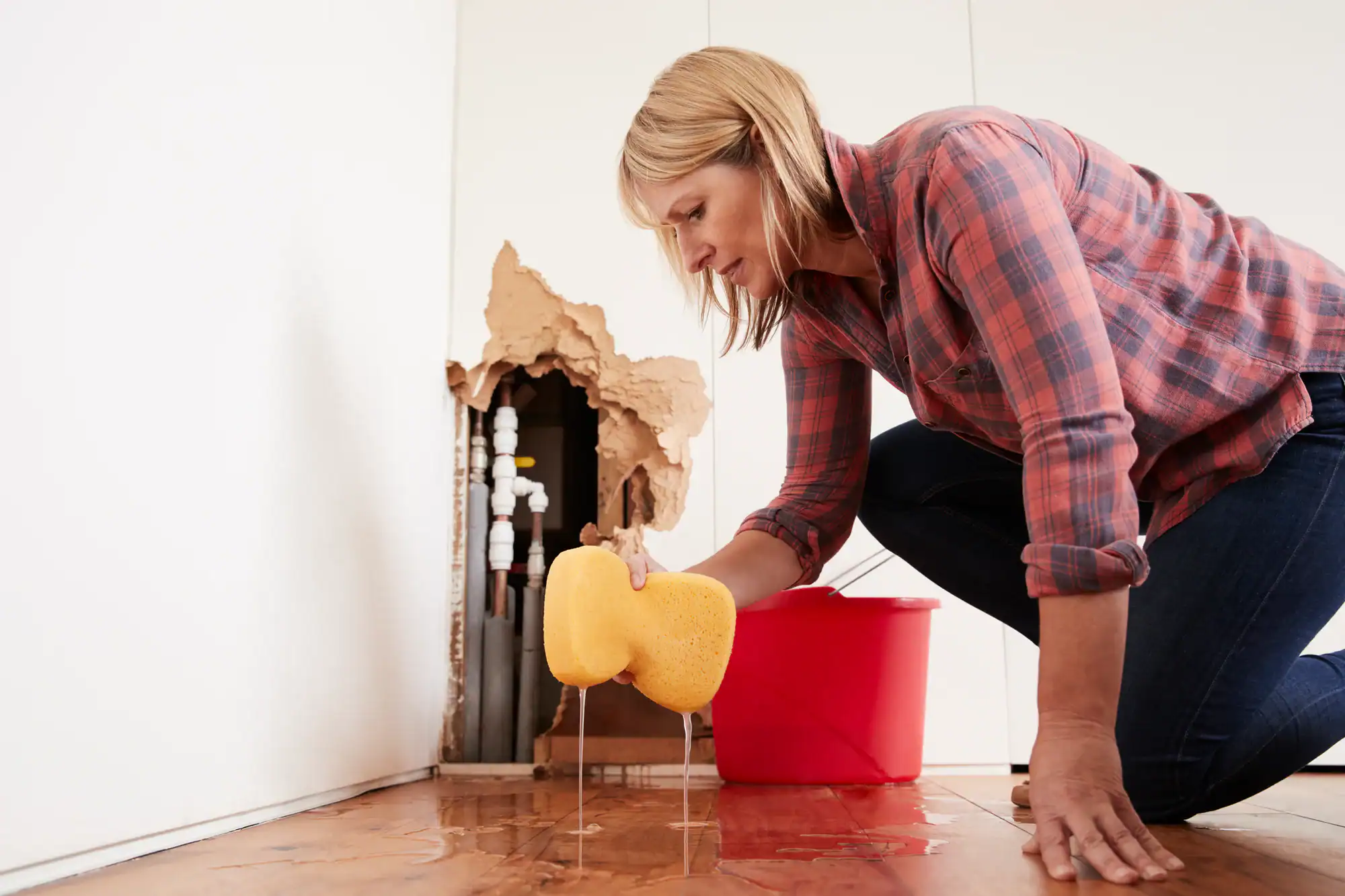
Flower Hill’s rolling terrain doesn’t just make it beautiful — it makes water move fast and unpredictably. When it ends up in your home, we’re the local water damage restoration team that shows up ready to stop it.
I needed a professional consultation explanation of procedure for safe removal of Asbestos in my apartment complex. Without having an account yet, I was very impressed with the caring, knowledgeable and generous advice offered by Jessica, and will look forward to doing business in the future. Thank you so much! I feel much more informed about a sometimes scary endeavor. Peace. Nancy Silva Mineola, NY.
Mia Munoz
Used this company to clean up some water flood in my house. They were fast and easy to work with.very professional, Would recommend to anyone!
Nini Valle
Great company, had a flood and they responded quickly and efficiently. Billed my insurance company directly. I highly recommend this company!
joe colapietro, jr
I had pipe freeze in my basement right before a snow storm and they made to within an hour to help start the clean up process. They we by our side throughout the entire process and even helped with the insurance company. They did such a great job with the cleanup, repair, remidiation, I contracted them to perform the repairs and finishes in the basement. They came with enough manpower and material to get the job done. Leo and Jessica were nothing but a pleasure to deal with!!
Cristian Arredondo c
I had some water damage in my home and Green Island was able to take care of my issue quickly and effectively. I am very pleased with the work they did. They responded quickly and were very professional.
Michael M
Outstanding service! From the office to the field crew everyone was friendly, helpful and responsive. I highly recommend Green Island Group.
Water damage in a Flower Hill home isn’t just an inconvenience — it’s a clock ticking against you. Mold begins forming inside walls, under floors, and in structural cavities within 24 to 48 hours of water intrusion. By the time you can see or smell a problem, it’s already been growing for days. What looks like a wet floor or a damp corner is often the surface of something much deeper.
Flower Hill’s housing stock tells the story. A significant portion of homes here were built in the 1940s, 50s, and 60s — which means original plumbing, aging foundation waterproofing, and decades of mature root systems pressing against drain lines. When water gets in, it doesn’t just sit on the surface. It moves through wood framing, plaster walls, and multi-layer subfloor construction the way it always has — quietly, and fast.
The other piece most homeowners don’t think about until it’s too late is the insurance claim. Documenting the full scope of damage — what was affected, how deep it went, and what drying standards were met — is what determines whether your policy pays out fully or leaves you holding the difference. Getting the restoration right from the start protects both your home and your claim.
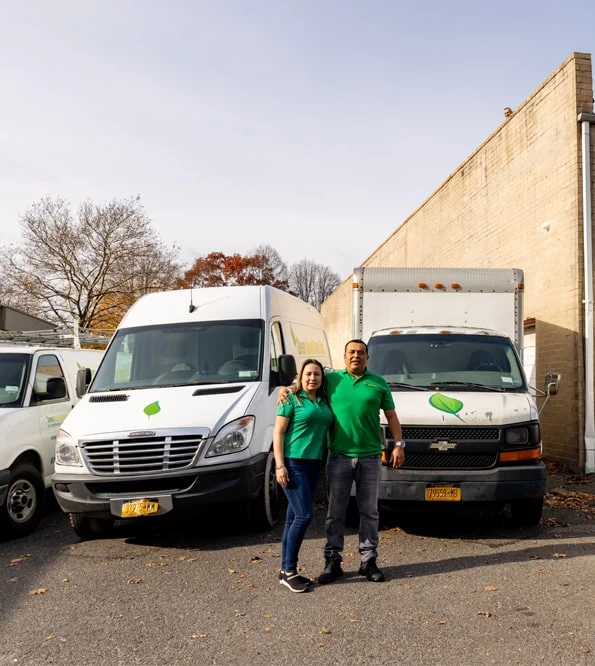
We’re a Long Island-based water damage restoration company — not a franchise location staffed by whoever’s available in the system that day. Every crew member dispatched to your Flower Hill home is employed directly by us, which means you get consistent people, consistent communication, and someone who’s actually accountable when the job is done.
We serve Nassau County’s North Shore, and we know what that means in practice. Flower Hill sits at the intersection of three school districts, three zip codes, and terrain shaped by the Harbor Hill Moraine — a glacial formation that creates the kind of drainage complexity flat-yard homeowners never deal with. Whether your home is in the Manhasset section near Manhasset Woods Road, the Port Washington portion, or the Roslyn side near Ridge Drive East, we’ve worked throughout this village and we know how water behaves here.
When you call a national brand, you’re calling a routing system. When you call us, you’re calling a team that knows Flower Hill and Nassau County and will be there from the first moisture reading to the last.
The first thing we do when you call is ask the right questions — not to qualify you, but to understand what we’re walking into. Where is the water coming from? How long has it been there? Is this a finished basement, a crawlspace, an upper floor? Those answers shape everything about how we respond and what equipment we bring.
When we arrive, we don’t just look at what’s wet — we map what’s affected. Thermal imaging cameras and professional moisture meters tell us what’s happening inside walls and under floors, not just on surfaces. In a Flower Hill home with plaster walls and original hardwood floors, that distinction matters enormously. Surface-level drying in a home like this leaves hidden moisture that becomes a mold problem within days.
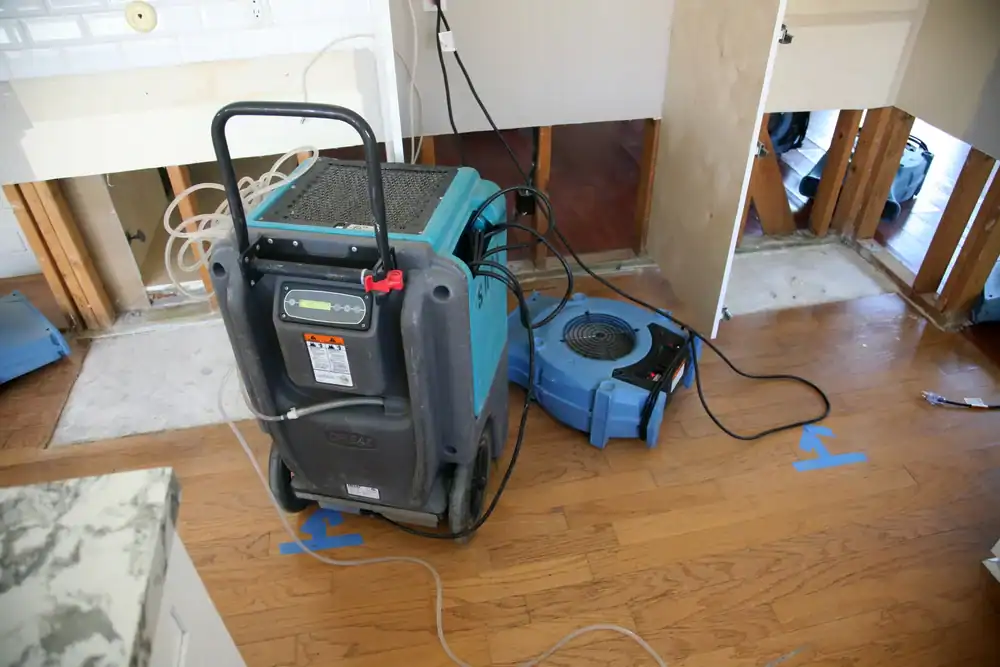
From there, we set up industrial drying equipment — high-velocity air movers and desiccant dehumidifiers calibrated to IICRC S500 standards — and we monitor moisture levels throughout the drying process. If your damage involves structural materials that need to be removed or rebuilt, we handle the Village of Flower Hill building permit process so you don’t have to navigate that on top of everything else. We also manage your insurance documentation from the start, so your adjuster has everything they need to process your claim correctly.
Emergency Water Removal and Flood Cleanup Flower Hill
Everything Covered, Nothing Left Wet Behind a Wall
Water damage restoration isn’t one service — it’s a sequence of them, and skipping any step is how hidden damage becomes a much bigger problem later. What we do covers the full scope: emergency water extraction, structural drying, moisture mapping, mold prevention, and when needed, mold remediation performed under New York State’s Mold Law licensing requirements. That last part matters more than most homeowners realize. Since 2016, New York State has required separate licensing for mold assessment and mold remediation. Many operators working on Long Island — including some who advertise heavily — don’t hold both licenses. We do.
For Flower Hill specifically, that means we’re equipped to handle the scenarios this village actually produces: basement flooding driven by hydrostatic pressure after the glacial till soil saturates in a spring storm, burst pipes in older homes with inadequate insulation along exterior walls, ice dam water intrusion during freeze-thaw cycles, and root-related drain failures in a village with a dense, mature tree canopy that’s earned its Tree City USA designation since 2013. These aren’t hypothetical risks — they’re the calls we get from North Shore homeowners every season.
Every job ends with moisture meter confirmation that structural materials are back to normal content levels. Not when it looks dry. When it actually is.
Does water damage restoration require a permit in Flower Hill, NY?
It depends on the scope of work. Pure mitigation — water extraction and structural drying — typically doesn’t require a permit. But once the work moves into removing damaged structural materials, opening walls, or any form of reconstruction, the Village of Flower Hill’s Building Department gets involved. Flower Hill has its own building construction code, and permits are required for construction, alteration, and demolition work, even when it’s the result of water damage rather than a planned renovation.
This is something homeowners often don’t think about until they’re already mid-project. If a restoration company starts tearing out drywall or replacing framing without pulling the appropriate permits, you can end up with unpermitted work that creates complications when you sell the home or try to close out an insurance claim. We handle the permit process as part of the job when it applies, so you’re not left managing that on your own during an already stressful situation.
How quickly does mold start growing after water damage in my home?
The EPA and IICRC both document that mold can begin colonizing porous materials — drywall, wood framing, insulation, subfloor — within 24 to 48 hours of water intrusion. That’s not a worst-case scenario. That’s the standard timeline under normal indoor conditions. In a home that’s been closed up during a storm or a vacation, where humidity is already elevated, that window can be even shorter.
In Flower Hill’s older homes — many built in the 1940s through 1960s — the materials involved are often original plaster, old-growth wood framing, and multi-layer subfloor construction. These materials absorb moisture differently than modern building products, and they hold it longer. That’s why getting professional drying equipment in place quickly isn’t just about convenience — it’s the difference between a drying job and a mold remediation project. And mold remediation in New York State requires separate licensing under the 2016 Mold Law, which adds time, cost, and complexity that early action can prevent entirely.
Will my homeowners insurance cover basement flooding in Flower Hill?
The honest answer is: it depends on the cause. Standard homeowners insurance typically covers sudden and accidental water damage — a burst pipe, a washing machine overflow, a water heater failure. What it generally does not cover is flooding from an outside water source, like storm surge or surface water entering through a foundation. For that, you’d need a separate flood insurance policy, typically through the National Flood Insurance Program.
Flower Hill isn’t in a coastal flood zone, so storm surge isn’t the primary risk here. The more common basement flooding scenario in this village is hydrostatic pressure — groundwater rising against foundation walls after the glacial till soil saturates during heavy rain. Whether that’s covered under your policy depends on how the cause of loss is documented and how your specific policy defines flooding versus water damage. This is exactly why documentation at the start of a claim matters so much. We work directly with major carriers and make sure the cause of loss is accurately captured from the beginning, which protects your ability to make a full and legitimate claim.
How long does water damage restoration take in a North Shore home?
The drying phase alone typically runs three to five days for a standard residential water loss, though that range shifts depending on how long the water was present before extraction began, how deeply it penetrated structural materials, and what those materials are. In a Flower Hill home with original hardwood floors, plaster walls, and older wood framing, drying times can run longer than in a newer home with modern drywall and engineered flooring — those older materials absorb moisture more deeply and release it more slowly.
After drying is confirmed through moisture meter readings, any structural repairs — replacing drywall, subfloor, insulation, or trim — add time based on the scope of damage. If mold is present and remediation is required, that’s a separate licensed process that adds additional time and steps. The full timeline from initial water loss to completed restoration in a complex job can range from one to three weeks. We give you a realistic timeline after the initial assessment, not a number designed to make you feel better in the moment.
What's the difference between water mitigation and water damage restoration?
Mitigation is the emergency phase — stopping the damage from getting worse. That means extracting standing water, removing saturated materials that can’t be dried in place, and setting up drying equipment to bring moisture levels down. It’s the immediate response that happens in the first 24 to 72 hours. Restoration is everything that comes after: repairing or replacing the structural elements that were removed or damaged, returning the home to its pre-loss condition.
Some companies only do one or the other, which means you’re coordinating between two separate contractors during an already stressful situation. We handle both — from the first extraction through the final repair — which matters for continuity of documentation and for making sure the restoration work is informed by what was actually found during mitigation. In a home with Flower Hill’s construction vintage, what’s found inside the walls during mitigation often changes the scope of the restoration work. Having one team managing both phases means nothing gets missed in the handoff.
Can tree roots really cause water damage in a Flower Hill home?
Yes, and it’s more common in Flower Hill than most homeowners expect. The village has carried its Tree City USA designation since 2013, which reflects just how dense and mature the tree canopy is here. Those trees are beautiful — and their root systems are expansive. In a neighborhood where many homes were built in the 1940s through 1960s, the original cast iron drain lines and clay sewer pipes running beneath the yard have had decades of root pressure working against them.
Root intrusion into drain lines causes slow, recurring backups that are easy to dismiss as a minor plumbing issue — until the pipe fails or backs up significantly and water ends up in the basement or crawlspace. Root systems also create uneven soil conditions around foundations, which affects how surface water drains after rain and can direct water toward the foundation rather than away from it. If your water damage started with a slow drain or a recurring wet spot in the same area, the cause may be underground and worth investigating before restoration alone is considered a complete fix.