When the Mill River Rises, Lakeview Basements Flood
The Mill River watershed runs right through this neighborhood — and when the rain comes hard, it finds the oldest homes first. We respond fast, dry it right, and handle your insurance claim from start to finish.
I needed a professional consultation explanation of procedure for safe removal of Asbestos in my apartment complex. Without having an account yet, I was very impressed with the caring, knowledgeable and generous advice offered by Jessica, and will look forward to doing business in the future. Thank you so much! I feel much more informed about a sometimes scary endeavor. Peace. Nancy Silva Mineola, NY.
Mia Munoz
Used this company to clean up some water flood in my house. They were fast and easy to work with.very professional, Would recommend to anyone!
Nini Valle
Great company, had a flood and they responded quickly and efficiently. Billed my insurance company directly. I highly recommend this company!
joe colapietro, jr
I had pipe freeze in my basement right before a snow storm and they made to within an hour to help start the clean up process. They we by our side throughout the entire process and even helped with the insurance company. They did such a great job with the cleanup, repair, remidiation, I contracted them to perform the repairs and finishes in the basement. They came with enough manpower and material to get the job done. Leo and Jessica were nothing but a pleasure to deal with!!
Cristian Arredondo c
I had some water damage in my home and Green Island was able to take care of my issue quickly and effectively. I am very pleased with the work they did. They responded quickly and were very professional.
Michael M
Outstanding service! From the office to the field crew everyone was friendly, helpful and responsive. I highly recommend Green Island Group.
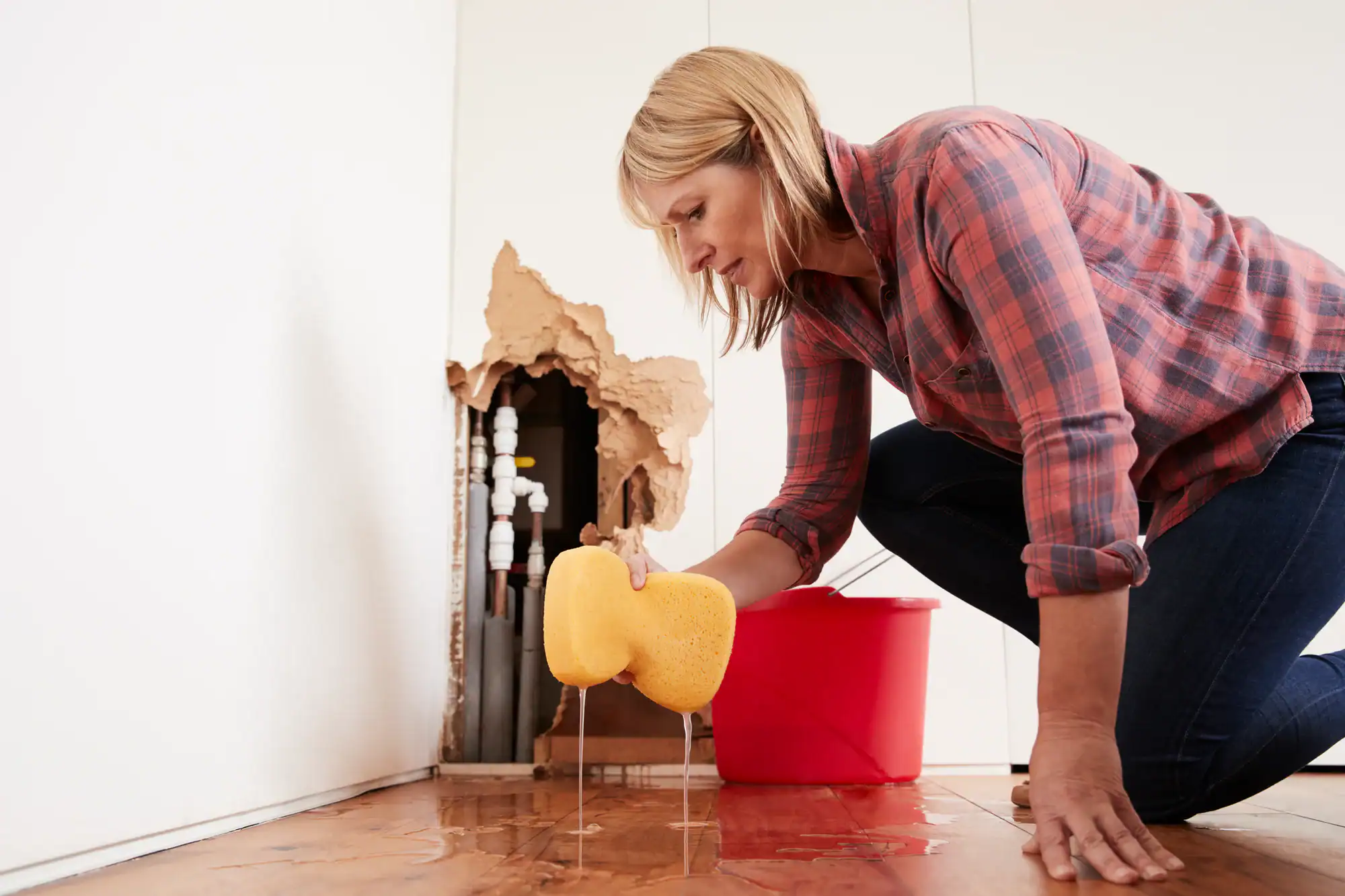
Most homeowners in Lakeview don’t realize how much damage is hiding behind what looks dry. Water moves through plaster walls, under original hardwood floors, and into the structural cavities of homes that were built decades before modern waterproofing existed. By the time you smell something or see a stain, the problem is usually bigger than the surface.
What changes after a proper restoration isn’t just the absence of water — it’s the absence of doubt. You know the walls are dry because moisture readings confirmed it. You know mold isn’t growing inside your 1960s Cape Cod because the remediation was done by a licensed team, not someone with a shop vac and a dehumidifier. That’s a different outcome entirely.
Lakeview’s housing stock — mostly mid-century Cape Cods, ranch homes, and split-levels — carries specific vulnerabilities that newer construction doesn’t. Older pipe systems, shallow basement walls, and aging insulation all absorb water differently. When we restore correctly here, we account for those conditions. When it isn’t done properly, you’re back dealing with the same problem six months later.
We Know Lakeview's Flooding Patterns Because We've Worked Through Them
We’ve been serving Nassau County homeowners through water damage, flood cleanup, and mold remediation for years. We’re not routing your call through a national system or dispatching from three counties away. When you call us from Lakeview, you’re talking to someone who already knows this neighborhood.
We know the Mill River watershed backs up during sustained rainfall. We know the homes along the Southern State Parkway corridor have basement walls that weren’t built for modern water tables. We’ve done this work in Lakeview before — on the same streets, in the same housing stock, with the same aging infrastructure you’re dealing with right now.
That’s not a pitch. It’s just the reality of what it means to be a local water restoration company in Nassau County versus a franchise that happens to have your zip code on a landing page.
The first thing we do when we arrive is assess — not assume. We use thermal imaging cameras and calibrated moisture meters to map where the water actually went, not just where it’s visible. In Lakeview’s older homes, water travels further and hides longer than most people expect. Finding it all before we start drying is what separates a real restoration from a surface fix.
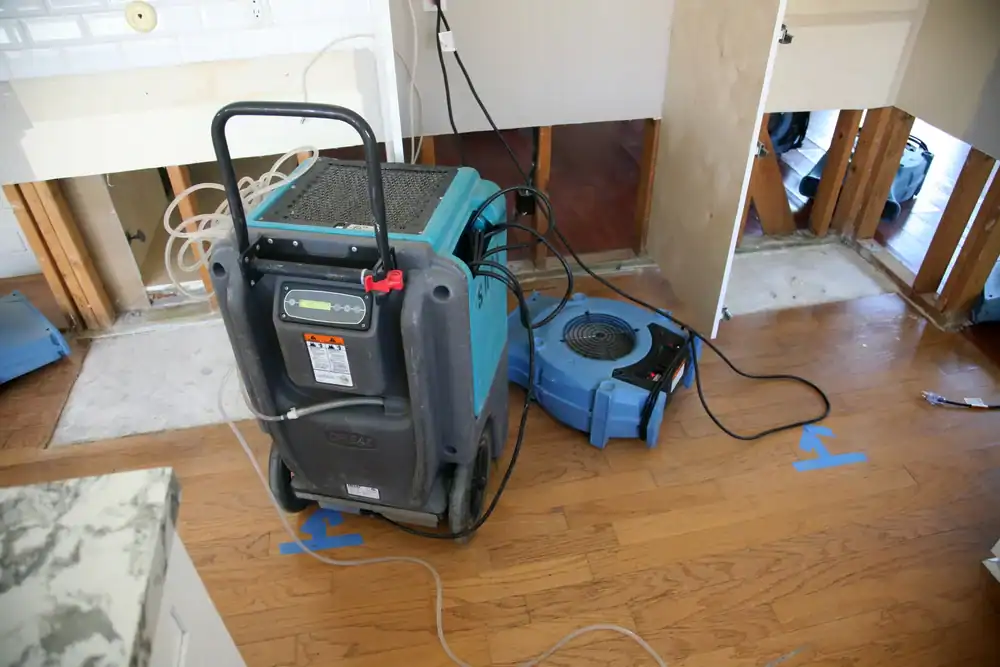
Once we know the full scope, we extract standing water, set industrial drying equipment, and begin the structural drying process. This isn’t a one-day job in most cases. We monitor moisture levels across multiple visits until the readings confirm your home is structurally dry — not just surface dry. In Nassau County, where mold can establish itself within 24 to 48 hours of water intrusion, that timeline matters.
From there, we document everything — photos, moisture logs, equipment records — and work directly with your insurance adjuster so you’re not left translating technical reports or fighting for a fair settlement on your own. If any structural repairs or mold remediation are needed, we handle those under New York State’s licensing requirements, including the separate mold assessor and remediator licenses required under the NY Mold Law. You don’t need to coordinate multiple contractors. We manage the process through completion.
Water damage restoration in Lakeview covers more ground than most homeowners expect when they first call. Emergency water extraction and structural drying are the starting point — but what comes with that is moisture mapping, documentation for your insurance claim, mold assessment, and a clear scope of work before anything begins. No surprise charges after the fact.
For homes in the 11552 zip code — where the housing stock runs heavily toward mid-century construction and basements that weren’t designed for today’s storm drainage demands — we adapt the process to what’s actually in front of us. That means accounting for plaster walls that hold moisture differently than drywall, original subfloor materials that require longer drying cycles, and older insulation that can trap water long after the surface feels dry. The Living with the Bay flood mitigation project identified the Lakeview Avenue and Hempstead Avenue intersection as a priority site for a reason — flooding here isn’t a freak event, it’s a recurring infrastructure problem. We treat it like one.
Mold remediation, when needed, is handled under New York State’s Mold Law — with properly licensed assessors and remediators. Insurance claim support is included from the first call through final settlement. If you’re in Lakeview, West Hempstead, or anywhere in the 11552 zip code and you’ve had water in your home, this is the full scope of what a proper restoration looks like.
Does homeowners insurance cover basement flooding in Lakeview, NY?
It depends on the cause, and that distinction matters more than most people realize. Standard homeowners insurance in New York typically covers sudden and accidental water damage — a burst pipe, a washing machine overflow, a water heater failure. What it usually doesn’t cover is flooding from outside the home, like stormwater backing up through a drain or rising groundwater. For that, you’d need a separate flood insurance policy through the National Flood Insurance Program or a private carrier.
The reason this matters specifically in Lakeview is that the flooding risk here is largely watershed-driven. The Mill River system that runs adjacent to Hempstead Lake State Park can push water into basements during heavy rain events in ways that blur the line between “internal” and “external” flooding. When we respond to a job, part of what we do is help you understand what caused the damage and how to document it accurately for your adjuster — because how the claim is filed affects whether it gets paid.
How quickly does mold start growing after water damage in my home?
Mold can begin growing within 24 to 48 hours of water intrusion under the right conditions — and most flooded basements in Lakeview qualify as the right conditions. Warm temperatures, organic materials like wood framing and drywall, and moisture trapped inside walls create exactly the environment mold needs. The problem is that by the time mold is visible or you can smell it, it’s already been growing for a while.
This is why response time genuinely matters and isn’t just a marketing claim. The longer water sits in a mid-century Lakeview home with plaster walls and original insulation, the deeper it penetrates and the harder it is to dry completely. We’ve seen cases in Nassau County where a homeowner thought they handled it themselves with fans and a wet vac, only to find active mold growth inside the wall cavity weeks later. Getting a professional assessment within the first few hours isn’t overcautious — it’s the difference between a drying job and a full remediation.
What should I do immediately after my basement floods in Lakeview?
The first priority is safety — don’t walk into standing water if there’s any chance electrical outlets, panels, or appliances are submerged or nearby. Once you’ve confirmed it’s safe to enter, stop the source if you can. If it’s a burst pipe, shut off the water main. If it’s stormwater coming in through the foundation, there’s nothing to shut off — but you can start moving valuables out of the affected area.
Call a restoration company before you call your insurance company. That might feel backwards, but here’s why it matters: a restoration company can document the damage properly before anything is disturbed, which protects your claim. Once you start moving things and drying on your own, you lose documentation. In Lakeview especially, where older homes can have water traveling through wall cavities and under original flooring without being obvious, having a professional assess the full scope first gives you a much cleaner path through the insurance process.
How long does water damage restoration take in a typical Lakeview home?
For most residential water damage jobs in Lakeview, the structural drying phase alone takes three to five days — sometimes longer depending on how much water was present, how long it sat before we arrived, and what materials are involved. Mid-century homes with plaster walls, original hardwood floors, and older subfloor construction hold moisture longer than newer builds with standard drywall and engineered flooring. That’s not a complication — it’s just the reality of the housing stock here, and it affects how we set equipment and how long we monitor.
The full restoration timeline, including any needed repairs or mold remediation, varies by scope. A straightforward pipe burst with limited spread might be wrapped up in a week. A basement flood that sat for 24 hours before being reported, with water behind finished walls, can take two to three weeks from extraction to final repair. We give you a realistic timeline after the initial assessment — not a number designed to close the sale.
Is Green Island Group licensed for mold remediation in New York State?
Yes. New York State’s Mold Law, which went into effect in 2016, requires that mold assessors and mold remediators hold separate licenses issued by the New York State Department of Labor. This isn’t a general contractor license or a certification from a trade association — it’s a state-issued license specific to mold work, and it’s legally required for any mold remediation performed in New York.
This matters for Lakeview homeowners for two reasons. First, hiring an unlicensed operator for mold work creates real legal and financial exposure — it can complicate your insurance claim and create problems if you ever sell the home. Second, the assessment and remediation functions are legally required to be performed independently, which means a company that does both without separate licensed professionals for each role is operating outside the law. We hold the required licenses and follow the legal separation of assessment and remediation. If a company you’re considering can’t produce their NY Mold Law license numbers, that’s a problem worth taking seriously.
Why should I choose a local water restoration company over a national franchise in Lakeview?
The practical difference comes down to who actually shows up and how fast they get there. National franchise brands operating in Nassau County route calls through centralized systems — your call might be answered by someone in another state before it gets dispatched locally. That adds time, and in water damage situations where mold begins growing within 24 to 48 hours, time is the one thing you can’t get back.
Beyond response time, there’s a knowledge gap that’s hard to overstate. Lakeview’s flooding patterns are specific — the Mill River watershed, the aging stormwater infrastructure near the Southern State Parkway, the housing stock that was built before modern waterproofing was standard. A franchise working from a generic playbook doesn’t account for any of that. A local company that has worked in this neighborhood, in these homes, with these specific conditions, approaches the job differently from the first assessment. That local experience tends to show up in the quality of the documentation, the accuracy of the drying timeline, and the outcome of your insurance claim — not just in how fast someone answers the phone.