When Reynolds Channel Floods, Lawrence Homes Need More Than a Crew With a Van
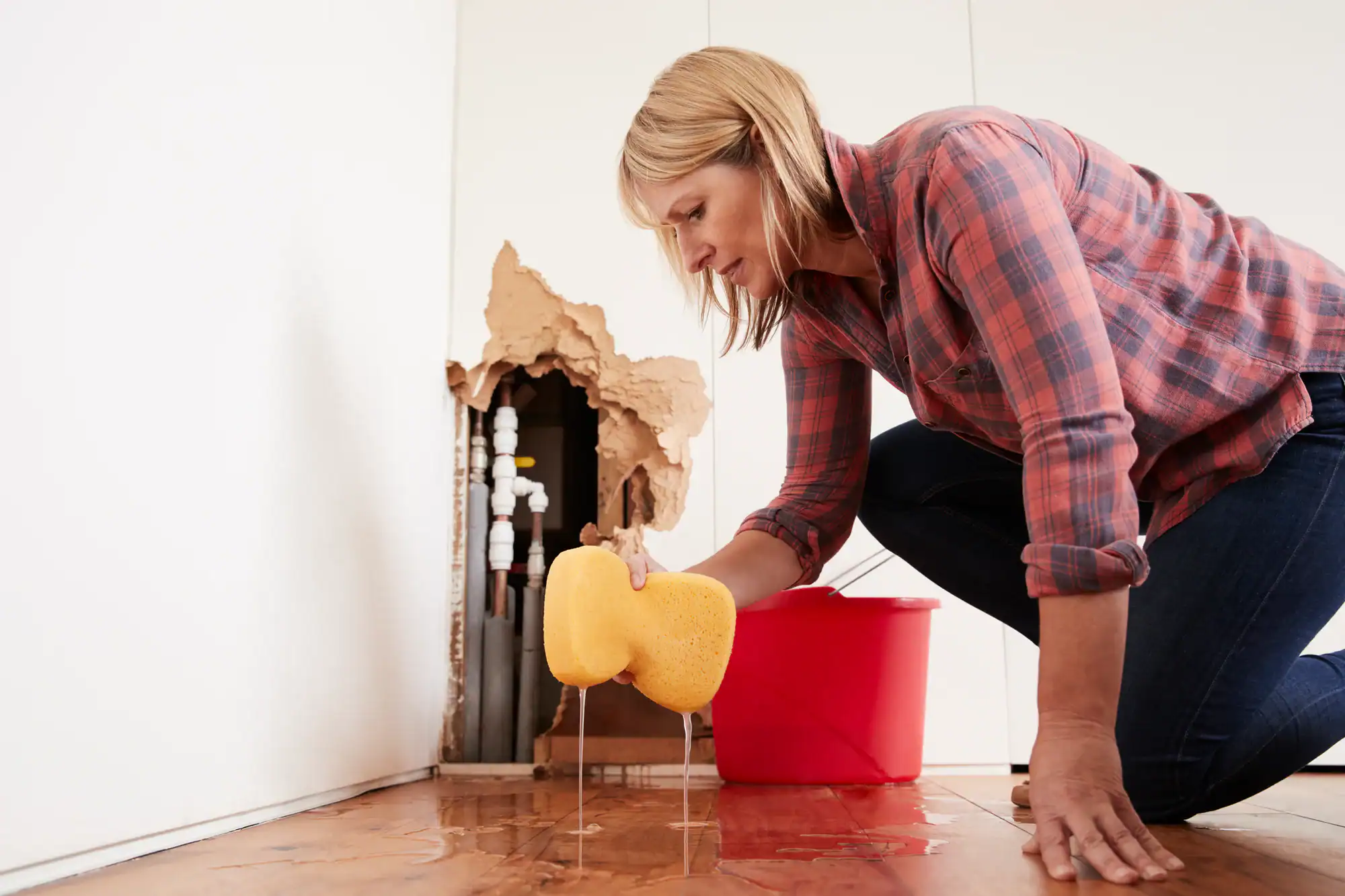
Water damage in Lawrence moves fast — and in a Five Towns waterfront home, what’s hidden behind the walls can cost far more than what’s visible. We respond 24/7 with local crews who know this area inside and out.
I needed a professional consultation explanation of procedure for safe removal of Asbestos in my apartment complex. Without having an account yet, I was very impressed with the caring, knowledgeable and generous advice offered by Jessica, and will look forward to doing business in the future. Thank you so much! I feel much more informed about a sometimes scary endeavor. Peace. Nancy Silva Mineola, NY.
Mia Munoz
Used this company to clean up some water flood in my house. They were fast and easy to work with.very professional, Would recommend to anyone!
Nini Valle
Great company, had a flood and they responded quickly and efficiently. Billed my insurance company directly. I highly recommend this company!
joe colapietro, jr
I had pipe freeze in my basement right before a snow storm and they made to within an hour to help start the clean up process. They we by our side throughout the entire process and even helped with the insurance company. They did such a great job with the cleanup, repair, remidiation, I contracted them to perform the repairs and finishes in the basement. They came with enough manpower and material to get the job done. Leo and Jessica were nothing but a pleasure to deal with!!
Cristian Arredondo c
I had some water damage in my home and Green Island was able to take care of my issue quickly and effectively. I am very pleased with the work they did. They responded quickly and were very professional.
Michael M
Outstanding service! From the office to the field crew everyone was friendly, helpful and responsive. I highly recommend Green Island Group.
Water damage in Lawrence isn’t the same as water damage anywhere else on Long Island. You’re dealing with a tidal waterway to the south, a coastal plain that saturates fast, and in many cases, a home built before World War II with plaster walls and old-growth framing that hold moisture in ways modern drywall simply doesn’t. When our response is thorough and the drying is done correctly, you’re not just cleaning up water — you’re protecting a property that may be worth well over a million dollars from a problem that compounds quietly and invisibly.
The 24 to 48 hour window before mold begins to establish itself inside wet building materials is not a marketing line. It’s an EPA-documented threshold, and in the salt-air coastal environment of the Five Towns, that clock doesn’t slow down for anyone. A fast, complete response — moisture mapping, structural drying, and documentation — is what separates a restoration job from a mold remediation job. Those are two very different price tags.
For homeowners in Old Lawrence and the waterfront sections near the channel, there’s another layer to this. Homes with plaster walls, horsehair insulation, and brick foundations absorb moisture deeply and dry slowly. We use thermal imaging and professional moisture meters to catch what a visual inspection misses. Getting a clean reading before equipment is pulled is the difference between a job that’s actually done and one that looks done.
A Long Island Company, Not a Franchise Routing Center
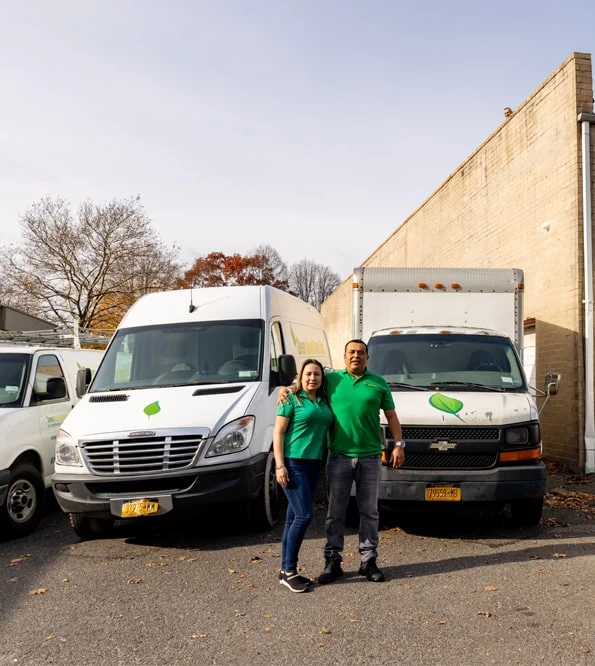
Green Island Group is a locally owned restoration company serving Nassau County and the South Shore. When you call, you’re reaching people who work on Long Island, dispatch from Long Island, and have been responding to water emergencies in Lawrence and surrounding communities long before the national franchise brands built landing pages for your ZIP code.
That distinction matters more than it sounds. A franchise operator routes your call through a national system, dispatches whoever is available, and sends a crew that may have never worked a Reynolds Channel flood event or navigated a Nassau County building permit. We assign the same crew and the same project manager to your job from start to finish. You know who’s in your home. You know who to call.
The Five Towns market is one we know well — the housing stock, the flood exposure, the insurance complexity that comes with being in FEMA flood zone AE. That’s not background knowledge we picked up from a search engine. It’s experience built job by job, storm by storm, across this specific part of Long Island.
Our Process: From Your First Call to Confirmed Dry
The first thing that happens when you call is a real person picks up — not a voicemail, not a call center, not an automated system. A local crew is dispatched immediately, and the first thing we do when we arrive is assess the full scope of what you’re dealing with. That means thermal imaging, moisture readings, and a written documentation of every affected area before a single piece of equipment is placed or a single wall is opened.
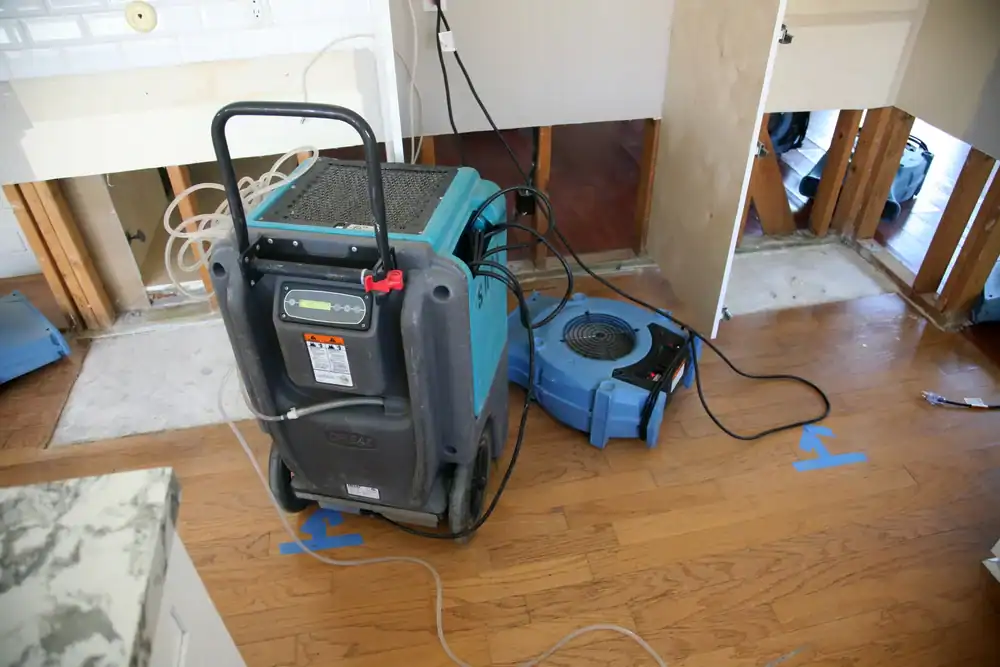
From there, the work moves in a clear sequence. Water extraction comes first, then structural drying using commercial-grade dehumidifiers and air movers calibrated to the specific materials in your home. In Lawrence, that often means accounting for plaster walls, older subflooring, and brick or block foundations that retain moisture longer than modern construction. We monitor the drying process daily with moisture meters — not estimated, not assumed. When the readings confirm the structure is dry, the equipment comes out.
If your home requires any structural repair work after drying — drywall replacement, flooring, framing — we handle the permitting process with the Village of Lawrence Building Department. New York State’s Mold Law also requires separate licensing for mold assessment and remediation, and we hold both. You don’t need to manage multiple contractors or figure out what the law requires. That’s already handled.
Built for the Flood Risk That Comes With Living Here
Water damage restoration in Lawrence covers a wider range of scenarios than most homeowners expect until they’re in the middle of one. Storm surge from Reynolds Channel, basement seepage from a saturated water table after a nor’easter, a burst pipe in a 1920s colonial during a hard freeze, a slow HVAC condensate leak behind a finished wall — each of these situations requires a different approach, and all of them are common in this part of Nassau County.
We provide full water extraction, structural drying, moisture mapping with thermal imaging, mold assessment, licensed mold remediation where needed, and complete reconstruction through the repair phase. For Lawrence homeowners carrying both a standard homeowners policy and a separate NFIP flood insurance policy — which is the norm in FEMA flood zone AE — we handle the insurance documentation and adjuster communication from the initial damage assessment through final settlement. You don’t need to figure out which policy covers what or how to document the claim correctly for two separate carriers. That’s part of the job.
Every job is also fully compliant with IICRC S500 standards for water damage restoration and New York State’s mold licensing requirements. In a community where homes carry values well above the regional average and where resale and insurance implications follow every restoration decision, that level of compliance isn’t optional. It’s what protects the work you’ve invested in.
Does homeowners insurance cover water damage from flooding in Lawrence, NY?
This is one of the most important questions to get right before a storm hits, because the answer directly affects how a claim gets filed and what gets covered. Standard homeowners insurance policies generally cover sudden and accidental water damage — a burst pipe, an appliance failure, a roof leak from wind-driven rain. They do not cover flooding from an external water source, which includes storm surge from Reynolds Channel or tidal overflow during a nor’easter.
That’s where the National Flood Insurance Program comes in. Lawrence sits in FEMA flood zone AE, which means most properties with a federally backed mortgage are required to carry a separate NFIP flood policy. When a coastal storm event causes water intrusion, the damage may fall under the flood policy, the homeowners policy, or both — depending on the source and path of the water. The documentation that gets submitted to each carrier needs to reflect that distinction accurately, or you risk a denied or underpaid claim. We handle both sides of that documentation process, which matters a great deal in a community where dual-policy claims are the norm rather than the exception.
How quickly does mold start growing after a basement floods?
Mold can begin to establish itself in wet building materials within 24 to 48 hours of water intrusion — that’s the threshold documented by the EPA and used as the industry standard by IICRC-certified restoration professionals. In practice, that window can feel shorter than it sounds, especially if the flooding happens overnight or during a storm when you’re focused on other things before you call anyone.
In Lawrence specifically, the coastal humidity environment accelerates the conditions that mold needs to grow. Salt air and ambient moisture mean that materials that might take longer to develop a problem in a drier inland climate can begin showing signs of microbial growth faster here. Older homes in the Five Towns area — particularly those with plaster walls and wood framing that absorb and retain moisture differently than modern drywall — are especially susceptible because the moisture goes deeper and dries more slowly. The practical takeaway is that the call to a restoration company should happen as soon as the water is visible, not after you’ve spent a day trying to manage it yourself.
What does water damage restoration actually cost in Lawrence, NY?
The honest answer is that cost varies significantly based on the size of the affected area, the materials involved, how long the water was present before extraction began, and whether mold remediation is needed in addition to structural drying. A contained water heater failure in a finished basement is a very different scope than a storm surge event that pushes water through a ground floor of a 3,000-square-foot colonial in Old Lawrence.
Most residential water damage restoration jobs in the Lawrence area fall somewhere in the range of a few thousand dollars for a limited, quickly-addressed event up to $20,000 or more for significant flooding with structural drying, material removal, and reconstruction. In Lawrence, where many homes are high-value properties with historic materials and complex layouts, the scope of work can be more involved than in newer construction. The most important cost factor within your control is response time — the longer water sits, the more materials need to be removed rather than dried, and the more likely mold remediation becomes part of the job. We provide a written estimate before any work begins, so you know exactly what you’re authorizing.
Do I need a permit for water damage repairs in Lawrence, NY?
For work that goes beyond equipment placement and drying — meaning any structural repairs, drywall replacement, framing work, or flooring reconstruction — a building permit from the Village of Lawrence Building Department is typically required. This is true throughout Nassau County for work that affects the structure of the home, and Lawrence is no exception.
This matters for a few reasons beyond simple code compliance. Work performed without the required permits can create complications when you file your insurance claim, since carriers may question the legitimacy or quality of unpermitted repairs. It can also create serious problems at the time of resale — a buyer’s home inspection that turns up unpermitted work in a flood-zone property is a significant issue in a market like Lawrence, where buyers and their attorneys look carefully at the history of any property near Reynolds Channel. We manage the permitting process as part of the job, which means you don’t have to navigate the Building Department on your own while you’re also dealing with an insurance claim and a house that needs to be dried out.
How do I know if there's still moisture inside my walls after the equipment is removed?
Visual inspection alone isn’t reliable for confirming that a structure is truly dry, especially in older homes. Plaster walls, wood subfloors, and brick or block foundations can appear and feel dry on the surface while holding significant moisture several inches in. That hidden moisture is exactly what leads to mold growth weeks or months after a restoration job appears to be complete.
The standard we use is instrument-based confirmation, not visual assessment. Moisture meters and thermal imaging cameras are used throughout the drying process and again at the end to verify that readings have returned to acceptable baseline levels for the specific materials in your home. In Lawrence, where a large share of the housing stock in areas like Back Lawrence and the waterfront sections predates modern construction methods, this step is non-negotiable. A thermal imaging scan at the end of a job in a 1920s plaster-wall home tells a very different story than a quick walk-through. The equipment doesn’t come out until the numbers say it’s done.
Does Green Island Group work directly with insurance companies, or do I have to manage that myself?
We handle the insurance process directly — documentation, adjuster communication, and billing. You don’t need to manage the back-and-forth between your carrier and our team, and you don’t need to figure out how to document the damage in a way that satisfies the adjuster’s requirements.
For Lawrence homeowners, this is particularly relevant because many properties here involve two separate insurance policies: a standard homeowners policy and an NFIP flood insurance policy through the National Flood Insurance Program. These two policies have different coverage triggers, different documentation requirements, and different claims processes. Navigating both simultaneously while also trying to protect your home from further damage is genuinely difficult, and mistakes in the documentation phase — missing moisture readings, incomplete photo records, incorrect categorization of the water source — can result in a denied or significantly reduced claim. Our documentation process is built to satisfy both carriers from the first day on site, which gives you the strongest possible foundation for a full recovery on your claim.