When Merrick's Bay Comes Indoors, You Need Someone Already Here
Water damage in a South Shore home moves fast — and so does the clock on mold. We respond to Merrick homeowners with a local crew, not a dispatched franchise.
I needed a professional consultation explanation of procedure for safe removal of Asbestos in my apartment complex. Without having an account yet, I was very impressed with the caring, knowledgeable and generous advice offered by Jessica, and will look forward to doing business in the future. Thank you so much! I feel much more informed about a sometimes scary endeavor. Peace. Nancy Silva Mineola, NY.
Mia Munoz
Used this company to clean up some water flood in my house. They were fast and easy to work with.very professional, Would recommend to anyone!
Nini Valle
Great company, had a flood and they responded quickly and efficiently. Billed my insurance company directly. I highly recommend this company!
joe colapietro, jr
I had pipe freeze in my basement right before a snow storm and they made to within an hour to help start the clean up process. They we by our side throughout the entire process and even helped with the insurance company. They did such a great job with the cleanup, repair, remidiation, I contracted them to perform the repairs and finishes in the basement. They came with enough manpower and material to get the job done. Leo and Jessica were nothing but a pleasure to deal with!!
Cristian Arredondo c
I had some water damage in my home and Green Island was able to take care of my issue quickly and effectively. I am very pleased with the work they did. They responded quickly and were very professional.
Michael M
Outstanding service! From the office to the field crew everyone was friendly, helpful and responsive. I highly recommend Green Island Group.
Your Home Dried Right — Before the Real Damage Starts
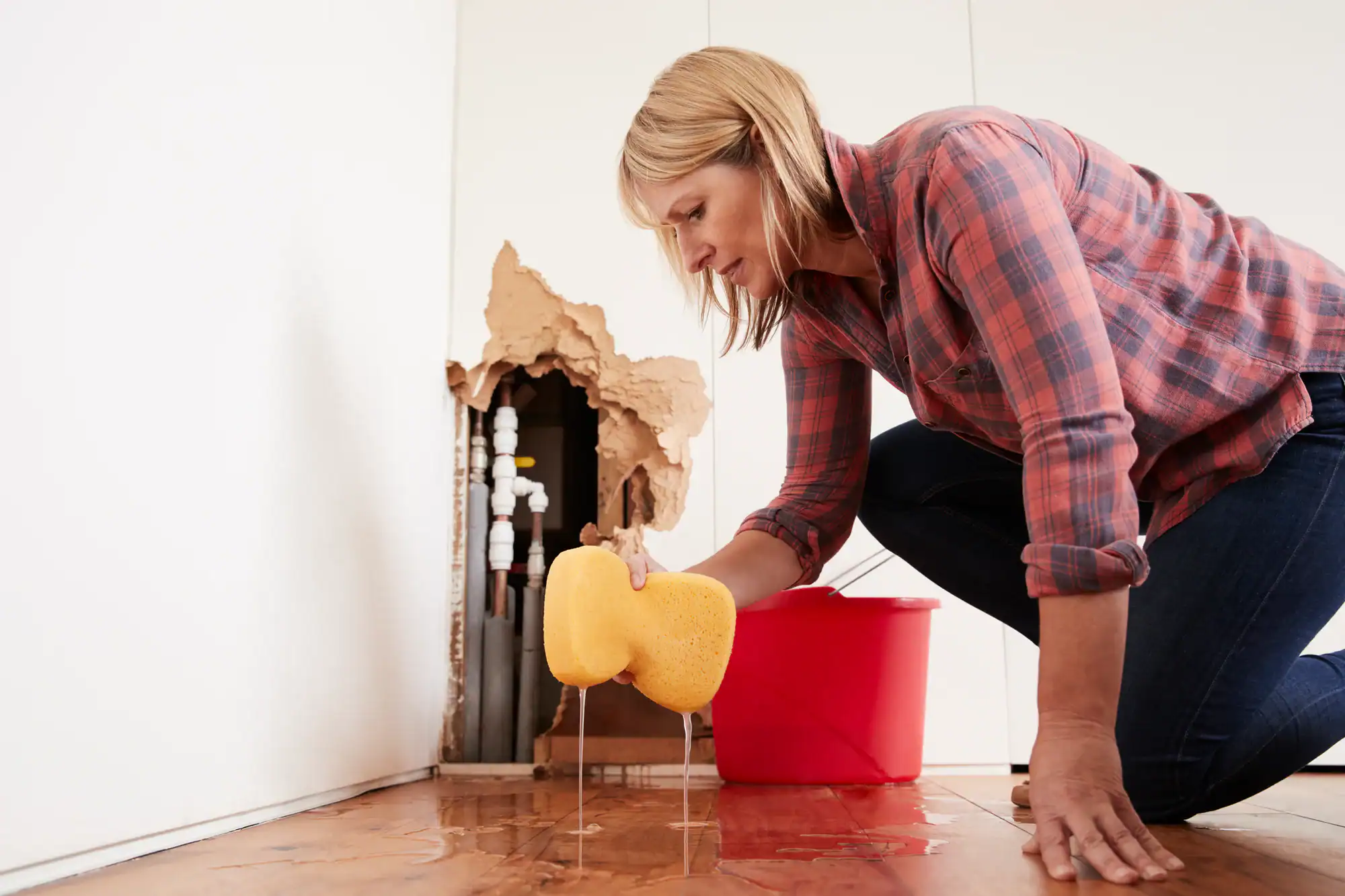
The moment water gets into your home, the damage isn’t just what you can see. It’s what’s sitting inside your walls, under your floors, and in the insulation behind your drywall. In Merrick, where the water table runs high and the bay isn’t far, moisture has more places to hide — and more reasons to linger.
Most of the homes in this area were built in the 1950s and 60s. That means older foundations, original waterproofing that was never designed for today’s storm volumes, and finished basements that turn a seepage problem into a full restoration job fast. When water gets in, it doesn’t care what your renovation cost. It just keeps moving.
What proper water damage restoration gives you is certainty. Not “it looks dry” — actually dry, confirmed with moisture readings and thermal imaging. No hidden pockets of moisture left to feed mold growth in two weeks. No guessing whether the insurance documentation covers everything. Just a home that’s been properly restored, with a paper trail that protects you through the claim.
Local to Long Island — Not Routed Through a Call Center
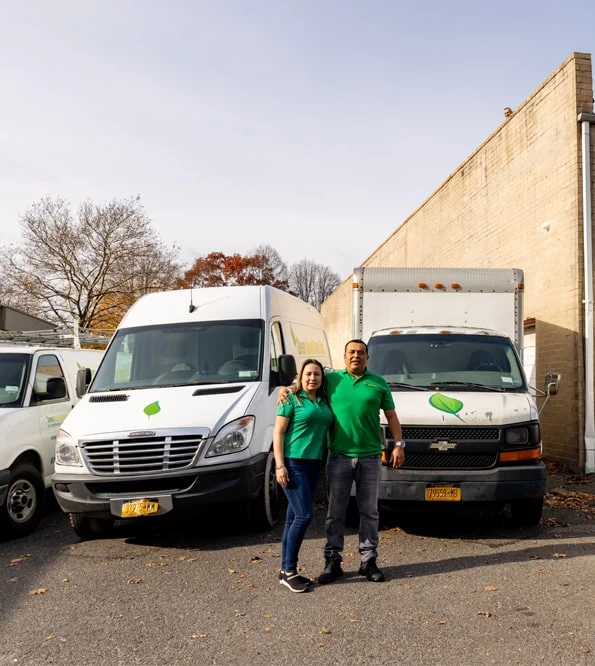
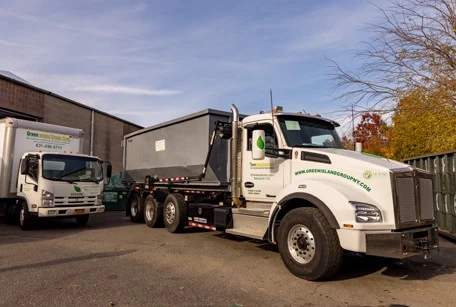
We are a locally owned and operated restoration company based on Long Island. When you call, you reach our actual team — not a national franchise dispatcher routing your job to whoever’s available. The crew that shows up is the crew that answers for the work.
Merrick isn’t a pin on a service map for us. It’s a community we know — the canal neighborhoods in the south, the mid-century housing stock that dominates the area, the way a nor’easter or a high-tide event turns streets near Merrick Bay into something nobody planned for. That local knowledge shapes how we approach every job here.
We carry IICRC certification and hold a New York State mold remediation contractor license — which is a legal requirement for any company performing mold work in this state, not just a credential on a wall. Every job follows the S500 standard, which is the same protocol your insurance adjuster will reference when reviewing your claim.
From First Call to Final Clearance — Here's What to Expect
When you call, the first thing that happens is a real conversation — not a hold queue. We ask a few quick questions to understand what you’re dealing with and get a crew moving toward you. For active water intrusion, every hour matters, and we don’t treat your situation like a scheduled appointment.
On-site, we start with a full assessment before anything gets touched. That includes thermal imaging to find moisture that isn’t visible on the surface — because in a home built in the 1950s with original wall cavities and insulation, water travels further than it looks. We document everything from the start, which matters significantly for your insurance claim. If you have flood insurance through the NFIP in addition to your standard homeowners policy — which is common for properties in Merrick’s FEMA flood zone areas — that documentation needs to be thorough and accurate.
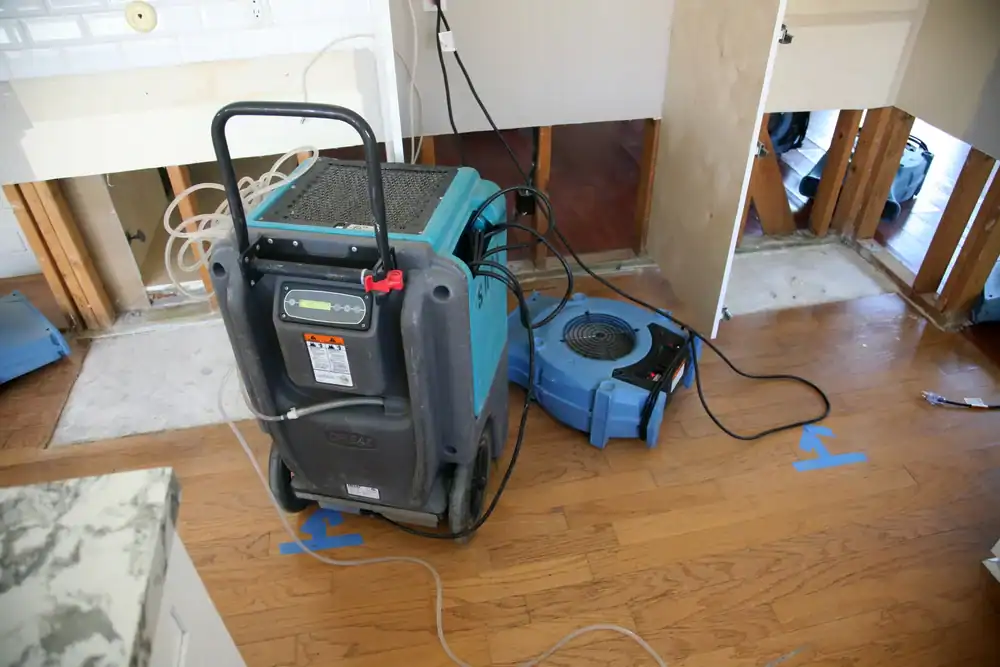
From there, we extract standing water, set industrial drying equipment, and monitor moisture levels until readings confirm the space is genuinely dry. We don’t pack up because it looks done. We leave when the numbers say it’s done. If mold remediation is needed, that work is handled under our NY State license — not handed off or skipped.
What's Actually Included When You Call Green Island Group
Water damage restoration isn’t one thing — it’s a sequence of steps that have to happen in the right order to actually work. Emergency water extraction comes first, then structural drying, then moisture verification, then any needed repairs or mold remediation. Skipping or shortcutting any step is how you end up with mold six weeks after a company told you everything was fine.
For Merrick homeowners, a few things come up consistently. Canal-adjacent and bay-facing properties deal with saltwater intrusion during storm events, which is classified as Category 3 contaminated water under IICRC standards — it requires a more aggressive remediation protocol than a burst pipe does. Finished basements throughout the area, common in homes where renovation investment is high, mean water damage often involves flooring, framing, drywall, and personal property all at once. We work through all of it.
We also handle the insurance side directly. That means detailed damage documentation, direct communication with your adjuster, and claim support that helps you get a complete settlement — not just whatever gets approved on a first pass. Nassau County building permits are required for structural restoration work, and we manage that process as part of the job. You don’t have to become an expert in restoration code compliance on top of everything else you’re already dealing with.
How quickly can water damage turn into a mold problem in Merrick, NY?
Mold can begin establishing within 24 to 48 hours of water intrusion under the right conditions — and Merrick’s coastal humidity creates exactly those conditions. The combination of warm temperatures, high ambient moisture in the air, and water-saturated building materials gives mold very little resistance to work against. In a finished basement or an interior wall cavity that isn’t getting airflow, that window can be even shorter.
This is why the response timeline matters as much as the restoration itself. Water that sits for 12 hours in a wall cavity in a south Merrick home during the summer is a very different problem than water that gets extracted and dried within the first few hours. The goal isn’t just to remove the water — it’s to get the structure dry fast enough that mold never gets a foothold. Thermal imaging and continuous moisture monitoring are how we confirm that’s actually happening, not just assumed.
Does homeowners insurance cover water damage from a burst pipe or appliance failure?
Standard homeowners insurance typically covers sudden and accidental water damage — a burst pipe, a washing machine hose that fails, a water heater that ruptures. What it generally does not cover is gradual damage, meaning a slow leak that’s been going on for months that you didn’t report. The distinction matters, and insurance adjusters look for evidence of when the damage started.
For Merrick homeowners, the situation gets more layered because many properties also carry flood insurance through the National Flood Insurance Program, particularly those in FEMA Flood Zone AE. Flood insurance and homeowners insurance are separate policies with separate claims processes, separate adjusters, and sometimes conflicting documentation requirements. Having a restoration company that understands both — and documents the damage in a way that satisfies both claims — is worth a significant amount in final settlement outcome. We work with both types of claims regularly and handle that coordination on your behalf.
What's the difference between water damage restoration and just drying things out yourself?
The difference is mostly what you can’t see. A shop vac and some fans will remove visible water and dry surface materials. They won’t pull moisture out of wall cavities, subfloor assemblies, or the insulation that sits behind your drywall. In a home built in the 1950s or 60s — which describes most of Merrick’s housing stock — those hidden spaces are exactly where moisture collects and stays.
Professional restoration uses industrial drying equipment calibrated to the specific materials in your home, combined with thermal imaging cameras and moisture meters that track what’s happening inside the structure, not just on the surface. The process continues until readings confirm the material moisture content is back to an acceptable baseline. Beyond the equipment, there’s also the documentation piece — if you’re filing an insurance claim, the adjuster will want evidence of what was found, what was done, and what the final readings showed. A DIY approach doesn’t produce that paper trail, which can directly affect your settlement.
Is a New York State license required for mold removal after water damage in Merrick?
Yes. New York State’s Mold Law, which went into effect in 2016, requires separate licensing for both mold assessment and mold remediation. Any contractor performing mold remediation work in New York — including in Merrick and throughout Nassau County — must hold a valid New York State Department of Labor mold remediation contractor license. This is a legal requirement, not optional, and it applies regardless of the size of the job.
This matters for Merrick homeowners for a few reasons. First, unlicensed mold work can create liability issues that surface when you sell the property — a buyer’s inspector or attorney may flag remediation that wasn’t performed by a licensed contractor. Second, if the mold remediation is part of an insurance claim, documentation from an unlicensed contractor may not be accepted. We hold the required NY State license, which means the work is done legally, documented correctly, and won’t create problems down the road.
How does flooding near Merrick's canals and bay affect the restoration process?
It changes the category of water involved, which changes everything about how the restoration is handled. Water that enters a home through storm surge, tidal flooding, or canal overflow is classified as Category 3 water under IICRC standards — the same category as sewage. It contains contaminants, biological material, and in the case of saltwater intrusion, corrosive elements that accelerate damage to structural materials and finishes. It cannot be treated the same way as a burst pipe.
For homes in south Merrick near the canal network or bay-facing properties, this means the remediation protocol is more intensive. Affected materials — drywall, insulation, certain flooring types — often cannot be dried in place and need to be removed. Structural components need to be treated for contamination, not just dried. The documentation for insurance purposes also needs to reflect the water category accurately, because Category 3 claims have different coverage implications than clean water losses. Knowing this distinction from the start of the job prevents shortcuts that cause bigger problems later.
How much does water damage restoration typically cost for a Merrick home?
The range is wide because the variables are wide. A contained pipe burst in a finished basement might run $3,000 to $8,000 depending on the extent of the drying needed and whether any materials require removal. A storm flooding event in a south Merrick home — especially one involving Category 3 water from bay or canal intrusion — can reach $20,000 to $50,000 or more when structural drying, contamination remediation, and finish restoration are all involved. For homes in Merrick’s higher value tiers, where finished basements and custom renovations are common, the replacement cost of damaged materials alone can drive numbers significantly higher.
What affects your out-of-pocket cost most is how well the claim is documented and managed. Merrick homeowners with both homeowners insurance and NFIP flood coverage have more potential coverage available — but only if the damage is documented in a way that satisfies both policies. We handle the documentation and adjuster communication from the start, which consistently results in more complete settlements than homeowners navigating the process alone. We provide a written estimate before work begins, and there are no surprises added after the fact.