North Bellmore's Aging Homes Don't Wait — Neither Do We
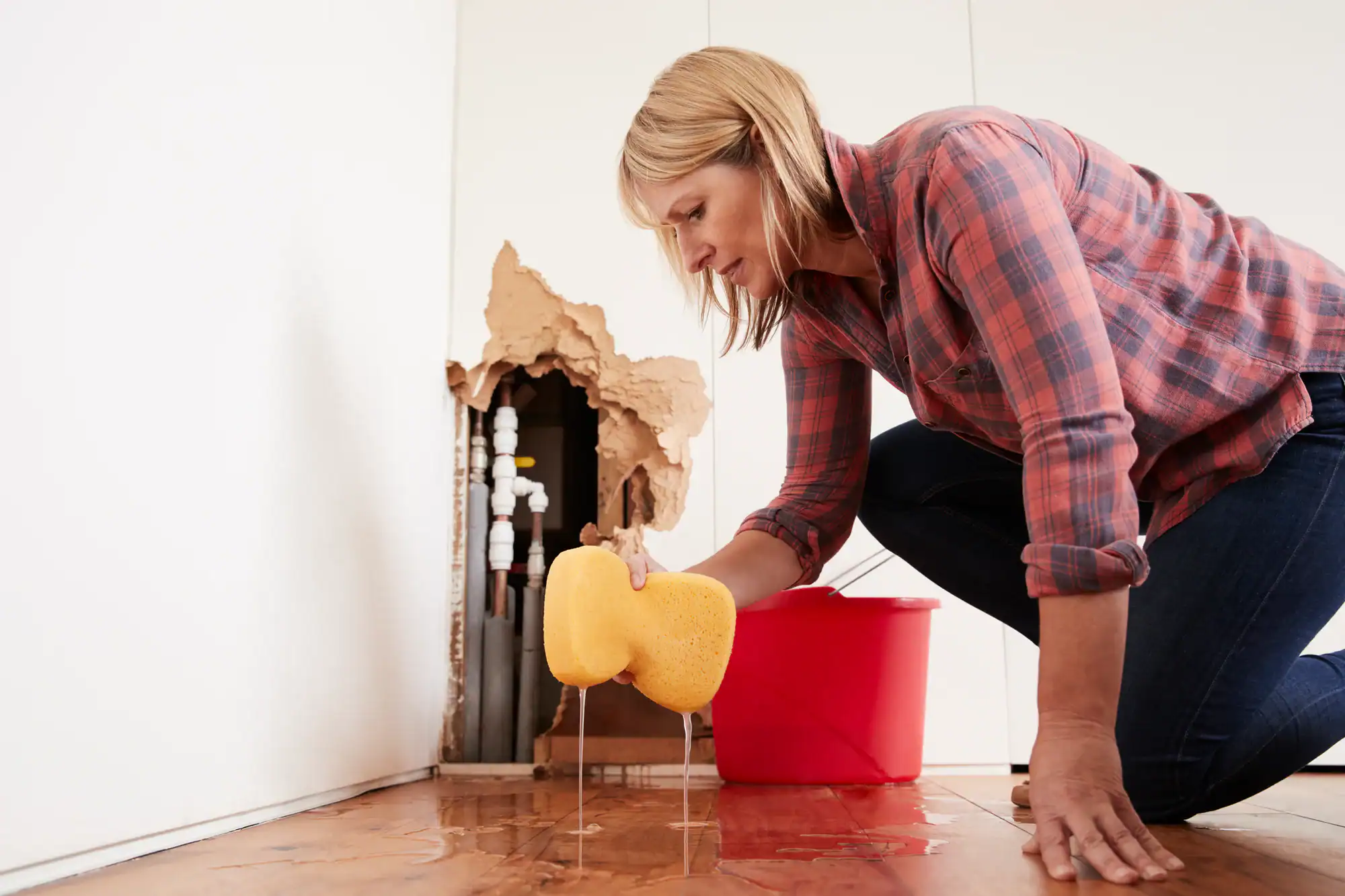
When a basement floods in a 1958 ranch off Newbridge Road, every hour you wait makes the damage worse. We respond fast, dry it right, and handle your insurance claim from start to finish.
I needed a professional consultation explanation of procedure for safe removal of Asbestos in my apartment complex. Without having an account yet, I was very impressed with the caring, knowledgeable and generous advice offered by Jessica, and will look forward to doing business in the future. Thank you so much! I feel much more informed about a sometimes scary endeavor. Peace. Nancy Silva Mineola, NY.
Mia Munoz
Used this company to clean up some water flood in my house. They were fast and easy to work with.very professional, Would recommend to anyone!
Nini Valle
Great company, had a flood and they responded quickly and efficiently. Billed my insurance company directly. I highly recommend this company!
joe colapietro, jr
I had pipe freeze in my basement right before a snow storm and they made to within an hour to help start the clean up process. They we by our side throughout the entire process and even helped with the insurance company. They did such a great job with the cleanup, repair, remidiation, I contracted them to perform the repairs and finishes in the basement. They came with enough manpower and material to get the job done. Leo and Jessica were nothing but a pleasure to deal with!!
Cristian Arredondo c
I had some water damage in my home and Green Island was able to take care of my issue quickly and effectively. I am very pleased with the work they did. They responded quickly and were very professional.
Michael M
Outstanding service! From the office to the field crew everyone was friendly, helpful and responsive. I highly recommend Green Island Group.
Most homeowners don’t realize how much damage is already done by the time they call. Water moves fast through plaster walls, original hardwood floors, and the kind of wood-framed construction that defines nearly every home in North Bellmore. The visible part — the wet carpet, the standing water — is just the beginning. What’s inside the walls is what becomes the real problem.
When water damage is handled correctly, you get your home back without the lingering worry. No musty smell six months later. No mold showing up behind the drywall after you thought everything was fine. No insurance claim that falls apart because the documentation wasn’t done right. That’s what proper restoration actually looks like — not just dry surfaces, but confirmed dryness throughout the structure.
North Bellmore sits over a watershed that’s been documented to flood from just a few inches of rain, thanks to chronically clogged drainage infrastructure that backs water up into yards and basements across the community. Add in the age of the housing stock — most homes here were built in the 1950s and 1960s with plumbing and foundations that were never designed to last this long — and water damage isn’t a once-in-a-generation event. It’s a recurring reality. Getting it handled completely the first time is what keeps it from becoming a pattern.
Water Restoration Companies near North Bellmore, NY
Long Island Company, Not a Franchise on a Map
We’re a locally owned restoration company based on Long Island — not a national franchise assigned to Nassau County on a territory map. When you call, you reach people who actually work here. The crew that shows up knows the difference between a North Bellmore split-level and a newer build, and we know what water does to both.
That matters more than it sounds. The homes near Newbridge Road, Jerusalem Avenue, and throughout the 11710 zip code were mostly built in the 1950s. They have original plumbing, original framing, and foundation waterproofing that was never meant to last 70 years. A crew that’s restored these homes before doesn’t need a learning curve in yours.
We’re available 24 hours a day, seven days a week — because the Southern State Parkway flooding at 2am doesn’t wait for business hours, and neither should your restoration company.
Water Damage Restoration Service near North Bellmore
What Happens From Your First Call to a Dry Home
The first thing that happens when you call is simple — someone picks up and asks you what’s going on. No automated system, no hold queue. You describe the situation, we ask a few questions, and we get a crew moving toward North Bellmore. Our response time is measured in minutes because our teams are already on Long Island.
When we arrive, the first priority is stopping the source if it hasn’t been stopped already — a burst pipe, an overflowing appliance, water still entering from outside. Then we do a full assessment using thermal imaging cameras and calibrated moisture meters. This step matters more in North Bellmore than most people expect. The plaster walls and original insulation in mid-century homes trap moisture in ways that look completely dry on the surface. We find it before it becomes a mold problem, not after.
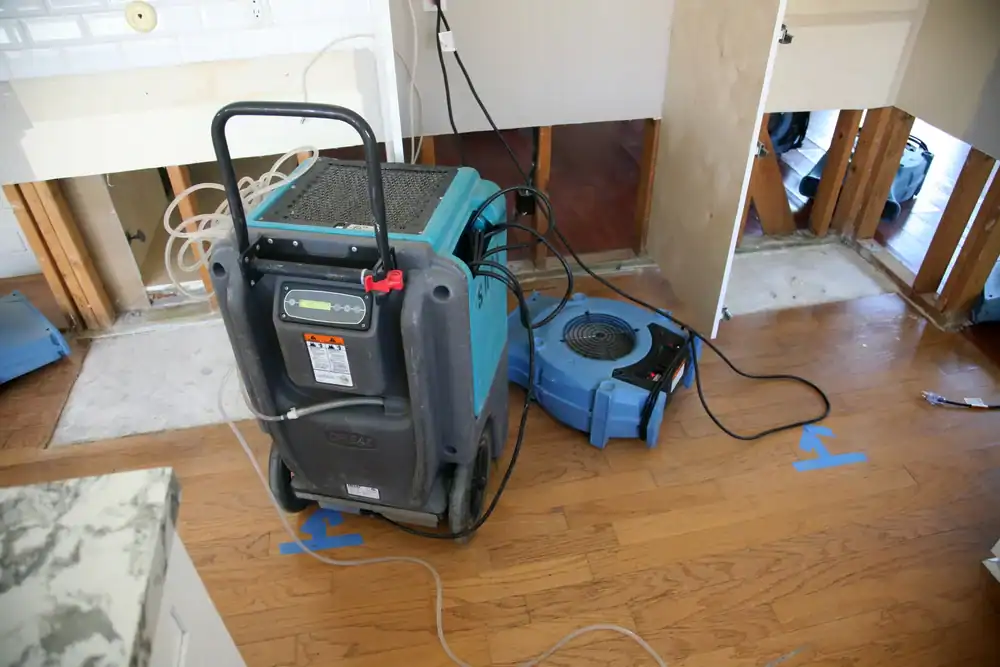
From there, we set up industrial drying equipment — not box fans, but commercial-grade dehumidifiers and air movers that pull moisture out of the structure. We monitor readings daily until the numbers confirm the home is dry throughout, not just on the surface. Under New York State’s Mold Law, any mold remediation that follows has to be handled by a licensed contractor — and we carry that license. Throughout the entire process, we document everything to IICRC standards so your insurance claim has what it needs to hold up.
Everything Covered, Nothing Left for You to Chase Down
Water damage restoration isn’t one thing — it’s a sequence of work that has to be done in the right order to actually work. We handle the full scope: emergency water extraction, structural drying, moisture mapping, mold assessment, mold remediation, and the documentation your insurance carrier needs to process your claim. You don’t have to coordinate between multiple companies or figure out what comes next.
In Nassau County, the insurance piece is where a lot of homeowners get tripped up. Coverage depends on the cause of the damage — sudden pipe failure is typically covered differently than slow water intrusion, and flood damage through a drainage backup is handled differently than storm damage. We know how Nassau County adjusters evaluate these claims, and we document each job to match those standards from day one. That means photos, moisture logs, scope of work, and a final clearance report — all in writing.
For homes in North Bellmore specifically, we also flag issues that are common in this housing vintage but easy to miss: deteriorating parging on block foundations, aging sump pump systems that failed under load, and moisture that migrated into wall cavities through original plaster. These aren’t add-ons — they’re part of doing the job right in a community where most homes are approaching or past 70 years old. The Town of Hempstead may require building permits for structural repairs following water damage, and we’ll walk you through that process so nothing gets missed on the back end.
How quickly does mold actually start growing after water damage in North Bellmore?
Mold can begin growing within 24 to 48 hours of water exposure — and in North Bellmore’s mid-century housing stock, that timeline is compressed by the materials involved. Plaster walls, original wood framing, and decades-old insulation are porous in ways that modern construction materials aren’t. They absorb moisture quickly and hold it deep in the structure, creating exactly the warm, damp environment mold needs to take hold.
The bigger issue is that you usually can’t see it happening. Mold growing inside a wall cavity behind original plaster doesn’t show up as visible discoloration until it’s been there for a while. By the time there’s a smell or a stain, the problem is already established. This is why the moisture assessment step — using thermal cameras and meters, not just a visual walk-through — is non-negotiable. Finding hidden moisture in the first few hours is what keeps a water damage job from turning into a mold remediation job.
Does homeowners insurance cover water damage from a flooded basement in North Bellmore, NY?
It depends on the cause, and the distinction matters a lot. Standard homeowners insurance in Nassau County typically covers sudden and accidental water damage — a burst pipe, a washing machine overflow, a water heater that failed. It does not cover flooding from an outside water source, which is classified as flood damage and requires a separate flood insurance policy through the National Flood Insurance Program.
Where it gets complicated is water backup — when a drain, sewer, or sump pump fails and water backs up into the basement. That’s often excluded from standard coverage unless you’ve added a water backup endorsement to your policy. Given the drainage issues documented in North Bellmore’s watershed — where even a few inches of rain can overwhelm the local drainage infrastructure and send water into basements across the community — that endorsement is worth looking at if you don’t already have it. We help homeowners understand what their specific policy covers before we start work, so there are no surprises when the claim is filed.
What should I do the moment I discover water damage in my home?
The first thing is to stop the source if you can. If it’s a burst pipe, shut off the water at the main. If water is coming in from outside, get it redirected away from the foundation if possible. Don’t wait to see if it stops on its own — it won’t.
Then call a restoration company immediately. Not tomorrow, not after you’ve tried to dry it yourself with fans. The 24 to 48 hour window before mold begins growing is real, and every hour of delay increases both the scope of damage and the cost of fixing it. In a North Bellmore home built in the 1950s, water moves through the structure faster than it does in newer construction because the materials are more porous and the waterproofing is older. Document what you’re seeing with photos before anything is moved or cleaned up — your insurance claim will need that record. Then let a professional assessment determine what’s actually wet, because what you can see is rarely the full picture.
How do I know if there's hidden water damage inside my walls after a flood?
The honest answer is that you usually can’t tell without equipment. A surface can feel dry to the touch and look completely normal while moisture is still trapped inside the wall cavity, underneath the subfloor, or within the insulation. In the older homes that make up most of North Bellmore’s housing stock, this is especially common because original plaster and wood lath construction holds moisture differently than modern drywall.
The tools that actually find hidden moisture are thermal imaging cameras, which detect temperature differences caused by wet materials, and calibrated moisture meters, which measure moisture content inside walls and floors without cutting into them. A visual inspection alone isn’t enough. If a restoration company is only doing a walk-through with a flashlight, they’re not finding everything. We use both tools on every job and document the readings so you have a clear record of what was found, where, and what the moisture levels were before and after drying — which also matters for your insurance claim.
How long does water damage restoration typically take for a North Bellmore home?
The drying phase alone typically takes three to five days for a standard residential water damage job, though that range shifts based on how much of the structure was affected, how long the water was present before extraction began, and what the materials involved are. In North Bellmore’s mid-century homes, original hardwood floors, plaster walls, and wood framing tend to hold moisture longer than modern materials, which can extend the drying timeline compared to a newer build.
After drying is confirmed through moisture readings, any mold remediation, structural repairs, or reconstruction work adds time on top of that. A contained basement flooding event might be fully resolved in a week. A more extensive loss — water that migrated through multiple floors, or a job where mold was already present — can take two to three weeks or longer. The most important thing is that drying isn’t called complete based on how things look or feel. It’s called complete when the moisture meter readings confirm it. Cutting that phase short is the most common reason homeowners end up with mold problems weeks after a restoration was supposedly finished.
Does Green Island Group work directly with insurance companies on water damage claims in Nassau County?
Yes — and for most homeowners in North Bellmore, that’s one of the most valuable parts of the process. Filing a water damage claim in Nassau County involves documentation requirements that most homeowners have never dealt with before. Insurance adjusters evaluate claims based on specific criteria: the cause of loss, the scope of damage, the methodology used for drying, and whether the work was performed to IICRC standards. A claim that’s missing any of those pieces is a claim that’s at risk of being reduced or disputed.
We document every job from the start with that standard in mind — moisture readings before and after, photographs of all affected areas, a written scope of work, and a final clearance report. We communicate directly with adjusters from the major carriers serving Nassau County and can answer their questions about the technical side of the job so you don’t have to. North Bellmore homeowners who’ve never been through this process before often tell us that having someone handle the insurance side was as important as the restoration work itself. It removes the part of this situation that feels most out of your control.