Water Damage Restoration in North New Hyde Park, NY
When Your Basement Fills Up, Every Hour Counts
North New Hyde Park homes were built to last — but a flooded basement at midnight doesn’t care about that. We respond fast, dry it right, and handle the insurance so you’re not left figuring it out alone.
I needed a professional consultation explanation of procedure for safe removal of Asbestos in my apartment complex. Without having an account yet, I was very impressed with the caring, knowledgeable and generous advice offered by Jessica, and will look forward to doing business in the future. Thank you so much! I feel much more informed about a sometimes scary endeavor. Peace. Nancy Silva Mineola, NY.
Mia Munoz
Used this company to clean up some water flood in my house. They were fast and easy to work with.very professional, Would recommend to anyone!
Nini Valle
Great company, had a flood and they responded quickly and efficiently. Billed my insurance company directly. I highly recommend this company!
joe colapietro, jr
I had pipe freeze in my basement right before a snow storm and they made to within an hour to help start the clean up process. They we by our side throughout the entire process and even helped with the insurance company. They did such a great job with the cleanup, repair, remidiation, I contracted them to perform the repairs and finishes in the basement. They came with enough manpower and material to get the job done. Leo and Jessica were nothing but a pleasure to deal with!!
Cristian Arredondo c
I had some water damage in my home and Green Island was able to take care of my issue quickly and effectively. I am very pleased with the work they did. They responded quickly and were very professional.
Michael M
Outstanding service! From the office to the field crew everyone was friendly, helpful and responsive. I highly recommend Green Island Group.
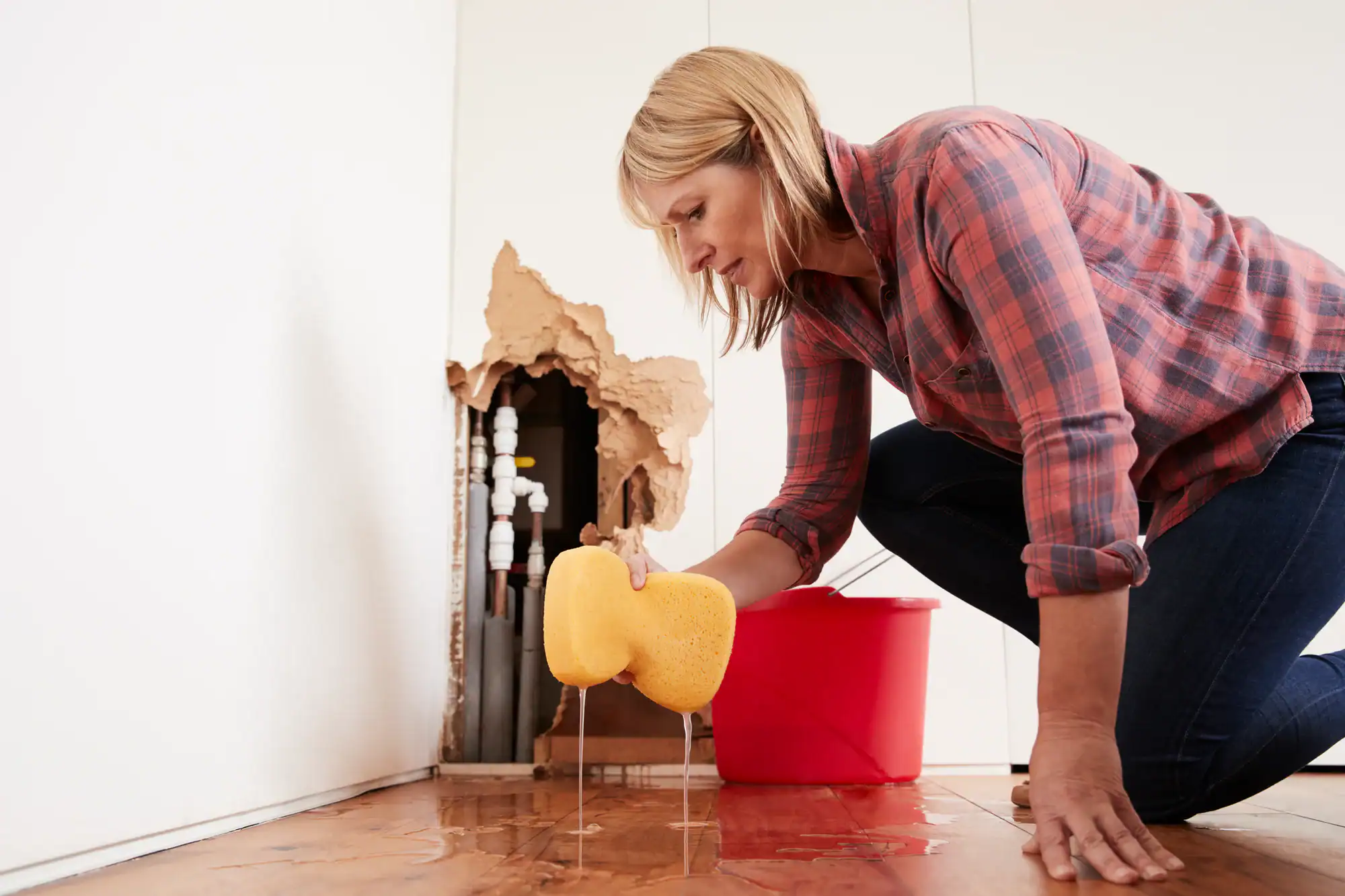
Most water damage in North New Hyde Park isn’t dramatic. It’s a slow seep along a basement wall after a heavy March rain. It’s a supply line that gave out overnight in a house that’s been standing since 1958. By the time you notice it, the moisture has already moved somewhere you can’t see — into the framing, behind the drywall, under the floor.
That’s the real problem. Surfaces can look dry and still be holding moisture inside. In the mid-century Cape Cods and split-levels that make up most of this neighborhood, older materials absorb water differently than modern construction. Wood framing, plaster walls, and original subflooring don’t release moisture quickly — and if they’re not dried to the right levels, mold follows within 24 to 48 hours.
When we do the job correctly, you’re not just looking at dry floors. You’re looking at moisture readings that confirm structural safety, documentation your insurance carrier will actually accept, and a home that isn’t quietly growing a mold problem behind the walls. That’s the difference between a real fix and a surface-level one.
Water Restoration Companies in North New Hyde Park
Nassau County Work, Done by Nassau County People
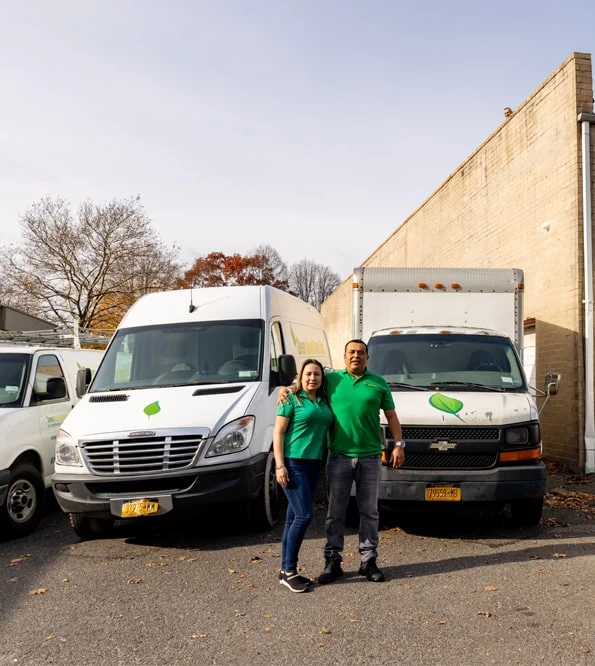
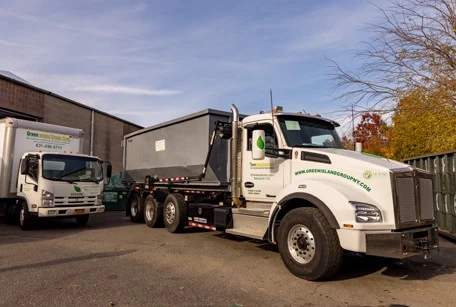
We’re a Long Island-based water restoration company serving Nassau County homeowners — not a national franchise with a local phone number. When you call us, you’re reaching a team that actually works in North New Hyde Park and the surrounding area, knows the housing stock along Jericho Turnpike and Lakeville Road, and understands what spring groundwater does to basements in this part of Nassau County.
That local knowledge matters more than most people realize. The homes in North New Hyde Park have specific vulnerabilities — aging plumbing, original waterproofing that wasn’t built for today’s storm patterns, and foundations that face real hydrostatic pressure every time the water table rises. A crew that’s worked in these houses knows what to look for and where.
We hold all required state and Nassau County licenses, including the EHRP and EHRT credentials required under Nassau County Local Law 13-2014 — credentials a lot of companies operating in this area simply don’t have.
Emergency Water Removal Service, North New Hyde Park
No Guesswork — Here's Exactly What We Do
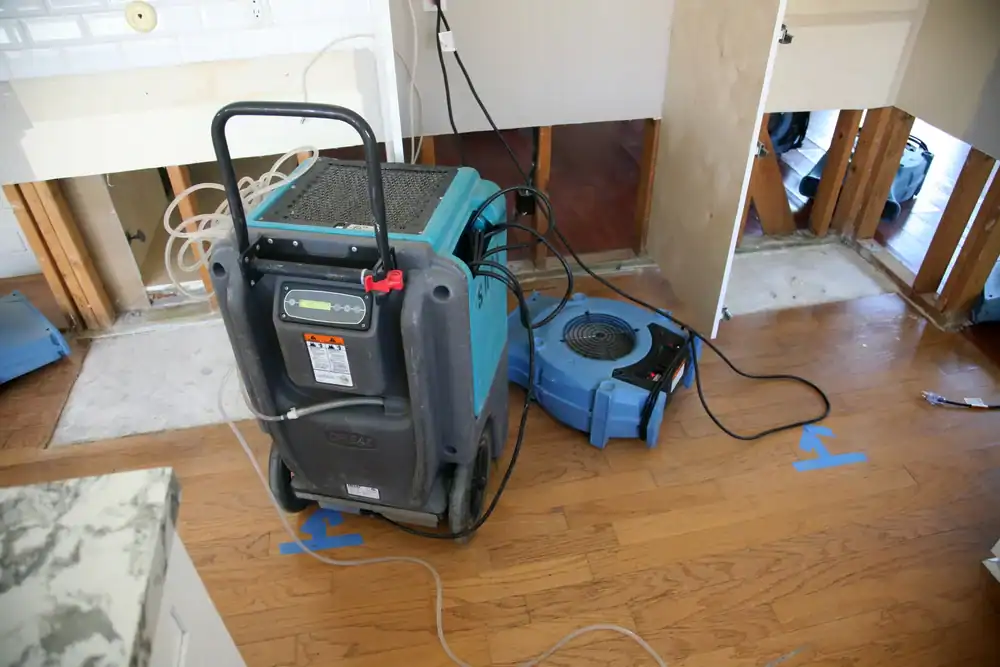
It starts the moment you call. We dispatch a crew from Nassau County — not a subcontractor routed through a national system — and the first thing that happens on-site is a full assessment. That means thermal imaging cameras and calibrated moisture meters, not just a visual walk-through. In a 1950s home with plaster walls and original framing, what you can see on the surface is rarely the full picture.
Once we know where the moisture actually is, we position extraction and drying equipment based on the moisture map, not guesswork. Industrial air movers and dehumidifiers go in at the points where they’ll do the most work. Every day of the drying process, we take readings and log them. In Nassau County, where spring storms and rising groundwater can push water into a basement through foundation walls rather than a single point of entry, understanding the source matters as much as removing the water.
When the readings confirm that structural moisture levels are within the safe range defined by IICRC S500 standards, the drying phase is complete. From there, we handle the documentation your insurance carrier needs — damage photos, moisture logs, scope of work — and walk you through what comes next, whether that’s mold testing, reconstruction, or both.
Water Damage Restoration Service, Nassau County NY
Built for North New Hyde Park Homes Specifically
The water damage restoration service we provide in North New Hyde Park is built around what actually happens in this community — not a generic checklist. The housing stock here is predominantly mid-century: Cape Cods, raised ranches, brick colonials built between the late 1940s and early 1960s. These homes have aging plumbing systems, original basement waterproofing that wasn’t designed for today’s groundwater conditions, and materials that hold moisture in ways newer construction doesn’t. Every part of our process accounts for that.
Our service covers emergency water extraction, structural drying with industrial-grade equipment, thermal imaging and moisture mapping, mold risk assessment, and full insurance documentation. For jobs involving mold, we hold both the New York State mold assessment and mold remediation licenses required under the 2016 NY Mold Law — as well as the Nassau County EHRP and EHRT credentials required under Local Law 13-2014. These aren’t optional credentials. In Nassau County, they’re the legal standard, and a lot of operators in this area don’t carry them.
If your home is in Lakeville Estates, near the Floral Park Centre area, or anywhere in the 11040 zip code, the process is the same: find the moisture, dry it completely, document everything, and make sure your home is actually safe — not just visually dry.
How quickly can water damage restoration begin in North New Hyde Park?
We operate 24 hours a day, seven days a week, and dispatch from Nassau County — so our response time to North New Hyde Park is typically within the hour for emergency calls. That speed matters because the damage window is short. Mold can begin developing inside walls within 24 to 48 hours of water intrusion, and in a home with original wood framing and older drywall, that timeline can move even faster.
When you call us, you’re not waiting for a national call center to find a subcontractor in your area. A local crew that knows North New Hyde Park and the surrounding neighborhoods is on the way. The sooner extraction starts, the smaller the footprint of the damage — and the lower the final cost of restoration.
Will my homeowners insurance cover water damage restoration in New York?
It depends on the cause. Most standard homeowners insurance policies in New York cover sudden and accidental water damage — a burst pipe, a failed appliance, an overflow event. What they typically don’t cover is flooding from outside the home, like the groundwater intrusion and hydrostatic basement seepage that’s common in North New Hyde Park during spring snowmelt and heavy rain seasons. That type of flooding usually requires separate flood insurance through the National Flood Insurance Program.
The other thing that affects your claim is documentation. Insurance carriers want to see moisture readings, damage photos, and a written scope of work that meets industry standards. We create that documentation on every job and communicate directly with adjusters, which helps prevent underpaid or disputed claims. If you’re unsure what your policy covers, the best move is to call your carrier and start the claim before any cleanup begins — and let a licensed restoration company handle the documentation from day one.
What causes basement flooding in North New Hyde Park specifically?
The most common cause in this community isn’t a dramatic flood event — it’s hydrostatic pressure. North New Hyde Park sits above Nassau County’s glacial outwash geology, where the water table runs relatively high. During heavy spring rains or snowmelt, the saturated soil outside foundation walls creates pressure that pushes groundwater through cracks, floor-wall joints, and porous concrete. In homes built in the 1950s and 1960s — which make up the majority of North New Hyde Park’s housing stock — the original waterproofing was never designed to handle that kind of sustained pressure.
The second most common cause is aging plumbing. Galvanized steel supply lines, which were standard in mid-century construction, have a lifespan of roughly 40 to 70 years. Many of those pipes in this neighborhood are already at or past that point. A slow leak inside a wall can go undetected for weeks before it shows up as visible damage — by which point moisture has typically spread well beyond the original failure point.
How do I know if there's hidden moisture inside my walls after a water event?
You usually can’t tell by looking. A wall can feel dry to the touch and still have saturated insulation and framing behind it. That’s exactly why visual inspection alone isn’t enough — and why professional moisture mapping with thermal imaging cameras and calibrated moisture meters is the standard on every job we do.
Thermal imaging detects temperature differences that indicate moisture behind surfaces. Moisture meters give exact readings at multiple points throughout the affected area. Together, they create a map of where the water actually went — not just where it’s visible. In the older homes throughout North New Hyde Park, this step is especially important because plaster walls, original hardwood floors, and wood framing retain moisture differently than modern materials. A job that skips this step isn’t a complete job, regardless of how dry the surface looks.
Does water damage restoration in Nassau County require special licensing?
Yes — and this is something most homeowners don’t know until after they’ve already hired someone. Nassau County has its own licensing requirements that go above and beyond New York State. Under Local Law 13-2014, any contractor performing environmental hazard remediation work — which includes mold remediation — must hold both an Environmental Hazard Remediation Provider (EHRP) license and an Environmental Hazard Remediation Technician (EHRT) license, issued by the Nassau County Department of Health. These are county-specific requirements.
On top of that, New York State’s 2016 Mold Law requires separate state licenses for mold assessment and mold remediation — and those two scopes of work cannot legally be performed by the same unlicensed individual. Nassau County also requires restoration companies to be registered with the Nassau County Fire Marshal, with IICRC Water Damage Restoration Technician (WRT) certification cited as a qualifying credential. We hold all of these. Before hiring any restoration company in Nassau County, it’s worth asking specifically about EHRP and EHRT licensing — not just general contractor credentials.
How long does the water damage restoration process typically take?
The drying phase alone typically takes three to five days, though that can vary depending on how much moisture has penetrated structural materials and how far it has spread. In North New Hyde Park’s older homes — where plaster walls, original wood framing, and mid-century subflooring are common — drying can take longer than it would in a newer build with modern materials that release moisture more readily.
The full restoration timeline depends on what’s involved beyond drying. If mold remediation is needed, that adds time. If structural repairs are required — replacing drywall, flooring, or framing — that phase comes after the structure is confirmed dry and typically requires coordination with the Town of North Hempstead for any permits. We walk you through the realistic timeline at the start of every job, based on what the moisture assessment actually shows — not a generic estimate that changes later.