When Water Hits a Rockville Centre Home, Hours Matter
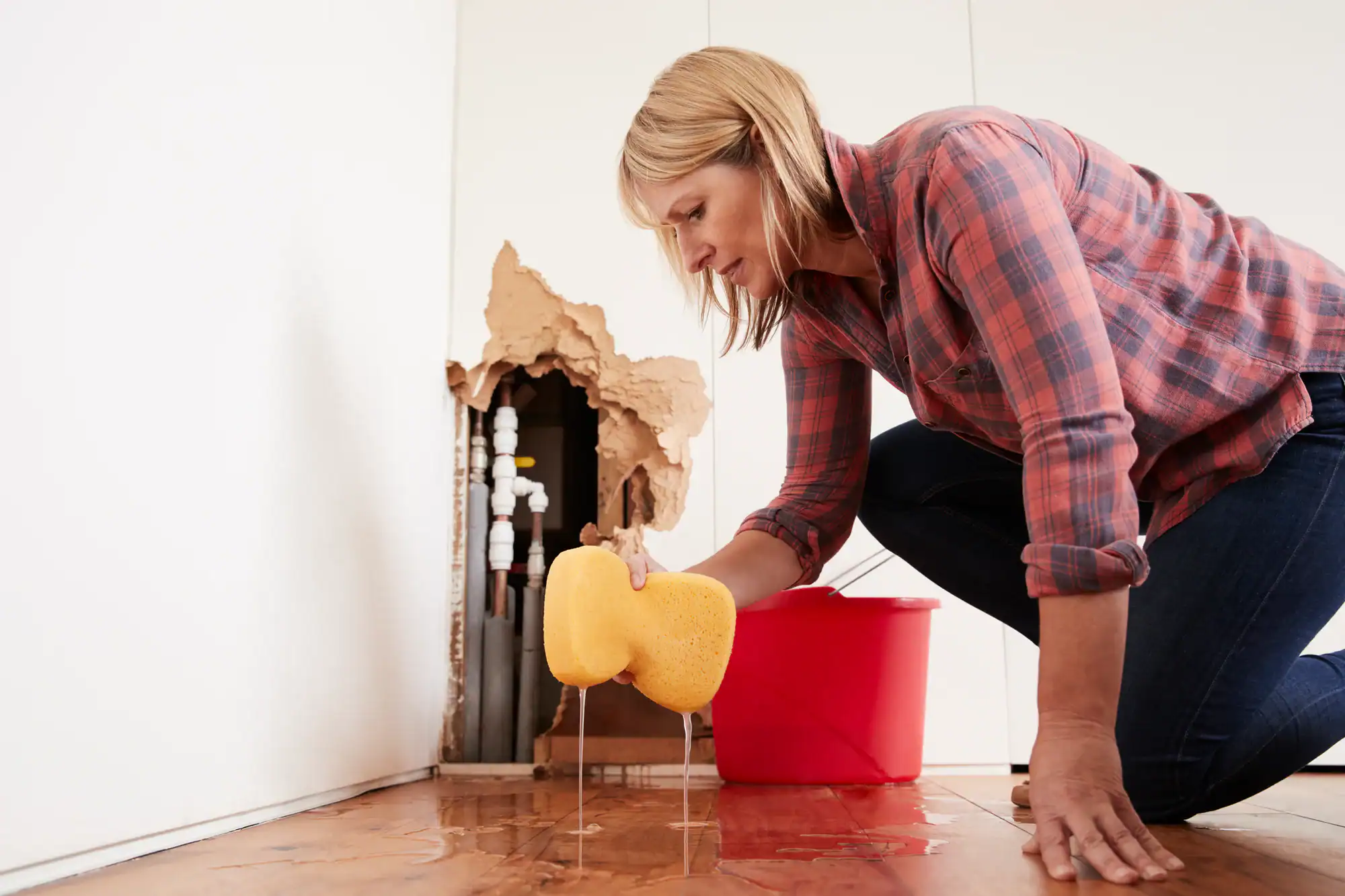
When water gets into a Rockville Centre home, it moves fast through old plaster, original hardwood, and foundations that weren’t built for today’s water table. We respond within the hour — day or night — because the faster water is extracted, the less it spreads into structural cavities and the lower your total restoration cost becomes.
I needed a professional consultation explanation of procedure for safe removal of Asbestos in my apartment complex. Without having an account yet, I was very impressed with the caring, knowledgeable and generous advice offered by Jessica, and will look forward to doing business in the future. Thank you so much! I feel much more informed about a sometimes scary endeavor. Peace. Nancy Silva Mineola, NY.
Mia Munoz
Used this company to clean up some water flood in my house. They were fast and easy to work with.very professional, Would recommend to anyone!
Nini Valle
Great company, had a flood and they responded quickly and efficiently. Billed my insurance company directly. I highly recommend this company!
joe colapietro, jr
I had pipe freeze in my basement right before a snow storm and they made to within an hour to help start the clean up process. They we by our side throughout the entire process and even helped with the insurance company. They did such a great job with the cleanup, repair, remidiation, I contracted them to perform the repairs and finishes in the basement. They came with enough manpower and material to get the job done. Leo and Jessica were nothing but a pleasure to deal with!!
Cristian Arredondo c
I had some water damage in my home and Green Island was able to take care of my issue quickly and effectively. I am very pleased with the work they did. They responded quickly and were very professional.
Michael M
Outstanding service! From the office to the field crew everyone was friendly, helpful and responsive. I highly recommend Green Island Group.
What Actually Changes When Water Damage Is Done Right
Most homeowners think water damage is over when the floor looks dry. It isn’t. In Rockville Centre, where a large portion of homes were built between the 1920s and 1950s, moisture hides inside plaster walls, underneath original hardwood floors, and in the subfloor framing long after the surface feels fine. That’s where mold starts — invisibly, within 24 to 48 hours — and that’s exactly what proper restoration is designed to stop.
When we finish the job, you’re not just dry. Your home’s structural integrity is confirmed with moisture readings, not guesswork. Your finished basement — the one that functions as a family room or home office — is back to what it was before. The documentation your insurance company needs is already handled. And you’re not getting a call three weeks later about a mold problem that was left behind.
Rockville Centre sits on former marshland with a water table that can sit just a few feet below the surface. When a storm rolls through or a pipe fails, water doesn’t just pool — it pushes through foundation cracks, backs up through older combined sewer lines, and spreads into every cavity it can find. Getting ahead of that damage, and confirming it’s truly resolved, is the difference between a restoration and a repair that comes back to haunt you.
Water Restoration Companies Serving Rockville Centre
Long Island-Based, Not Franchise-Routed
When you call Green Island Group, you’re not reaching a national intake system that dispatches whoever is available. You’re reaching a Long Island team that knows Rockville Centre — the south shore’s flood patterns, the aging infrastructure common in RVC’s older neighborhoods, and what it actually takes to restore a home that was built decades before modern waterproofing existed.
That matters here. Rockville Centre has its own village building department, its own permitting process, and its own code enforcement — separate from the rest of Nassau County. A restoration company that doesn’t know that will slow your project down or create compliance problems you didn’t expect. We’ve worked in this area long enough to understand the difference between a quick dry and a complete job.
From properties near Mill River with documented FEMA flood exposure to pre-war homes closer to the village center, we’ve seen what water does to Rockville Centre’s specific housing stock. We show up with the right equipment, we handle the insurance side, and we don’t leave until the moisture readings confirm the job is finished.
The first thing that happens is simple — you call, and someone picks up. Whether it’s 2 in the afternoon or 2 in the morning, we aim to have a crew at your Rockville Centre home within the hour. The faster water is extracted, the less it spreads into structural cavities, and the lower the total cost of the job. That first response window is the most important part of the entire process.
Once we’re on site, we do a full assessment using thermal imaging and moisture meters — not just a visual walkthrough. In Rockville Centre’s older homes, water travels far from where it entered. A basement flood can push moisture up into first-floor framing, behind plaster walls, and into places you’d never think to check. We map all of it before we start, so nothing gets missed.
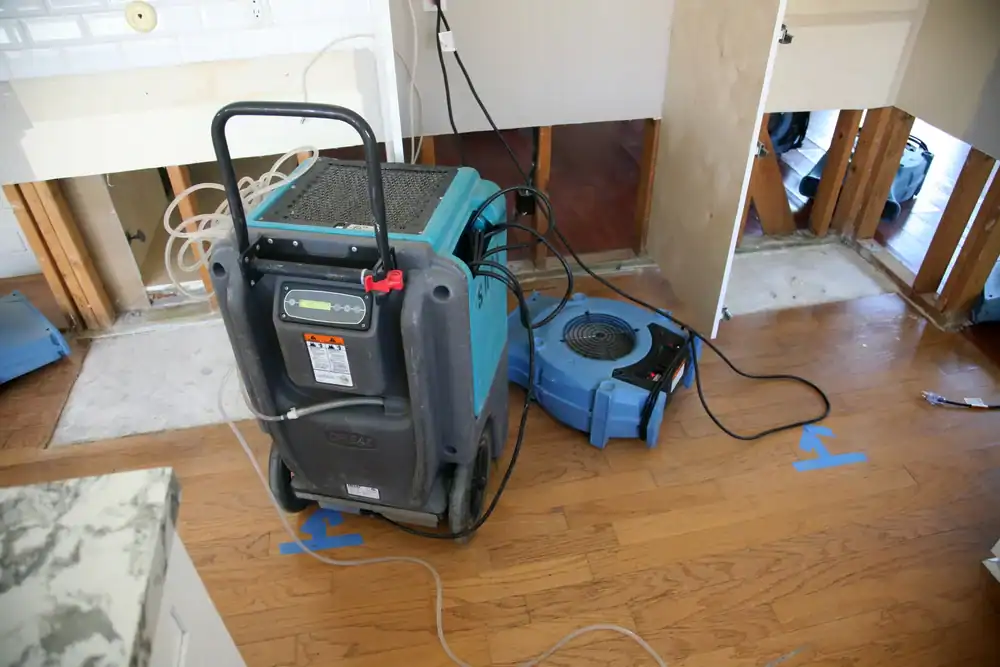
From there, industrial extraction equipment removes standing water, and commercial-grade air movers and desiccant dehumidifiers run until moisture readings reach safe levels — not just until the surface feels dry. If any drywall, flooring, or structural material needs to come out, we handle that too, and we pull the required permits through the Village of Rockville Centre’s building department so the work is fully documented and code-compliant. Once everything is confirmed dry, we restore the space back to pre-loss condition — same materials, same finish, one crew from start to finish.
Water Damage Restoration Service in Rockville Centre
Every Step Covered, From Extraction to Rebuild
Water damage restoration isn’t one thing — it’s a sequence of steps that have to be done in the right order to actually work. Extraction comes first, then structural drying, then assessment of what’s salvageable and what isn’t, then reconstruction. Skipping or rushing any part of that sequence is how you end up with mold behind new drywall six weeks after a crew said the job was done.
For Rockville Centre homeowners, a few things come up consistently. Sewage backup through older combined sewer lines is a Category 3 contamination event — it requires full protective equipment, antimicrobial treatment, and proper disposal, not a shop vac and bleach. Homes with cast iron pipes and pre-war foundations need careful moisture mapping because water migrates differently through older materials than it does through modern construction. And because Rockville Centre is an incorporated village, any structural repair work requires permits pulled through the village’s own building department — not Nassau County’s general process.
New York State also requires separate licensing for mold assessment and mold remediation under the state’s Mold Law. We hold the required New York State Department of Labor licenses for both. That’s not a small detail — unlicensed mold work can create documentation problems that complicate your insurance claim and leave you with liability you didn’t see coming. Every part of what we do is documented, licensed, and handled with your insurance company in mind from the first call forward.
How quickly can a water damage restoration company reach Rockville Centre, NY?
Speed is everything in water damage situations, and in Rockville Centre specifically, it matters more than most places. The village’s older housing stock — much of it built between the 1920s and 1950s — means water moves quickly through original plaster, hardwood floors, and unventilated subfloor framing. The longer it sits, the deeper it goes, and the more structural material ends up unsalvageable.
We target a one-hour response time for emergency calls in Rockville Centre. That’s not a general service area estimate — it’s a commitment specific to this location. When you call, you’re not waiting for a national dispatch system to locate the nearest available crew. You’re reaching a Long Island team that can be at your door fast, with extraction equipment ready to go. In a situation where mold can begin establishing itself within 24 to 48 hours, that difference in response time is the difference between a manageable job and a much larger one.
Does homeowners insurance cover water damage restoration in Nassau County?
It depends on the source of the water, and that distinction matters a lot. Most standard homeowners insurance policies in Nassau County cover sudden and accidental water damage — a burst pipe, a washing machine failure, an appliance leak. What they typically don’t cover is flooding from an external source, like stormwater or storm surge, which requires a separate flood insurance policy through FEMA’s National Flood Insurance Program or a private carrier.
For Rockville Centre homeowners near Mill River, this is especially relevant. FEMA has specifically identified properties in that area as subject to flood map revisions, which can affect both your flood insurance requirement and your premium. If you’re not sure whether your damage is covered, the best thing you can do is document everything before anything is moved or dried — photos, video, written notes. We handle the documentation and adjuster communication from the start, which gives your claim the best chance of a fair outcome. We work directly with major insurance carriers and know what adjusters need to process a claim correctly.
What's the difference between water damage repair and full water damage restoration?
Water damage repair typically refers to fixing something that was visibly damaged — replacing a section of drywall, patching a floor, repairing a pipe. Restoration is the full process: extraction, structural drying, moisture confirmation, removal of unsalvageable materials, and rebuilding the space back to what it was before the damage occurred. Repair addresses what you can see. Restoration addresses everything, including what you can’t.
In practice, skipping the restoration process and going straight to repair is one of the most common reasons homeowners end up with mold problems weeks after a crew leaves. In Rockville Centre’s older homes, moisture travels into wall cavities, behind plaster, and under original hardwood in ways that aren’t visible on the surface. A repair that doesn’t confirm those areas are dry is a repair that’s setting you up for a second, more expensive problem. Full restoration — confirmed with thermal imaging and moisture meters, not just a visual check — is the only way to know the job is actually done.
Do I need a permit for water damage repairs in Rockville Centre, NY?
Yes, in most cases. Rockville Centre is an incorporated village with its own building department and code enforcement — separate from Nassau County’s general permitting process. Any structural work following water damage, including drywall replacement, flooring replacement, or foundation repair, typically requires a permit pulled through the Village of Rockville Centre Building Department. This applies whether you’re doing the work yourself or hiring a contractor.
This is a detail that out-of-area contractors and national franchise operators often miss, and it can create real problems. Work done without the required village permits can complicate your insurance claim, create issues if you ever sell the home, and result in stop-work orders if code enforcement gets involved. We handle the permitting process on your behalf — we know Rockville Centre’s building department requirements and factor that into the project timeline from the start. You don’t have to navigate the village’s process on your own.
How do I know if there's mold growing after a basement flood in my home?
The honest answer is that you often can’t tell just by looking. Mold begins growing inside wall cavities, under flooring, and in structural framing — places where there’s no visible surface growth — within 24 to 48 hours of water exposure. By the time you see mold on a wall or smell it in a room, it’s already been growing for a while.
In Rockville Centre, this is a particularly real concern. The village sits on former marshland with a water table close to the surface, and many homes have older construction with materials — plaster, original wood framing, cast iron pipes — that retain moisture differently than modern materials do. A basement that floods and gets “dried out” with consumer fans and a hardware store dehumidifier is not a basement that’s been confirmed mold-safe. Proper structural drying uses industrial air movers and desiccant dehumidifiers calibrated for structural cavities, and it’s confirmed with thermal imaging and moisture readings — not a visual check. If your basement flooded and wasn’t dried with professional equipment, having a licensed mold assessment done is a reasonable step, especially in an older Rockville Centre home.
What causes basement flooding in Rockville Centre, and how often does it happen?
Basement flooding in Rockville Centre comes from several directions, and the village’s specific geography makes it more common here than in many inland Nassau County communities. The south shore sits on coastal plain with a water table that can sit just a few feet below the surface in many areas. During heavy rain events, that groundwater rises and pushes through foundation cracks and basement floor joints — a process called hydrostatic pressure — even in homes that have never had a visible leak before.
The village also has older combined sewer systems in many areas, which carry both stormwater and sewage in the same pipes. When a major storm overwhelms system capacity, sewage can back up through basement floor drains — a Category 3 contamination event that requires professional remediation, not just cleanup. Properties near Mill River carry additional flood risk that FEMA has formally documented through flood map revisions affecting that part of the village. And beyond storms, burst pipes during winter freeze-thaw cycles are a consistent driver of water damage in Rockville Centre’s pre-war and early post-war housing stock, where original cast iron plumbing is still in service in many homes. Spring is historically the highest-volume season for basement flooding calls on Long Island, but in Rockville Centre, it’s genuinely a year-round exposure.