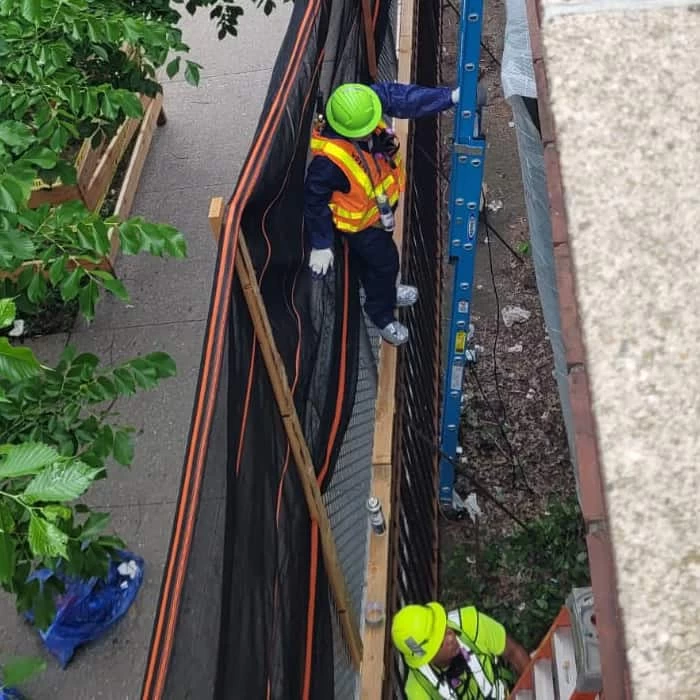
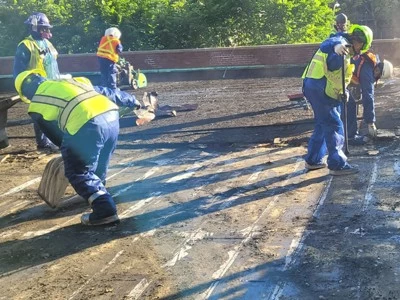
Flushing’s combined sewer system overflows every time a serious storm hits and when it does, that water doesn’t just sit in the street. It ends up in basements. We provide water damage restoration in Flushing, NY with the speed and local know-how this neighborhood actually demands.
I needed a professional consultation explanation of procedure for safe removal of Asbestos in my apartment complex. Without having an account yet, I was very impressed with the caring, knowledgeable and generous advice offered by Jessica, and will look forward to doing business in the future. Thank you so much! I feel much more informed about a sometimes scary endeavor. Peace. Nancy Silva Mineola, NY.
Mia Munoz
Used this company to clean up some water flood in my house. They were fast and easy to work with.very professional, Would recommend to anyone!
Nini Valle
Great company, had a flood and they responded quickly and efficiently. Billed my insurance company directly. I highly recommend this company!
joe colapietro, jr
I had pipe freeze in my basement right before a snow storm and they made to within an hour to help start the clean up process. They we by our side throughout the entire process and even helped with the insurance company. They did such a great job with the cleanup, repair, remidiation, I contracted them to perform the repairs and finishes in the basement. They came with enough manpower and material to get the job done. Leo and Jessica were nothing but a pleasure to deal with!!
Cristian Arredondo c
I had some water damage in my home and Green Island was able to take care of my issue quickly and effectively. I am very pleased with the work they did. They responded quickly and were very professional.
Michael M
Outstanding service! From the office to the field crew everyone was friendly, helpful and responsive. I highly recommend Green Island Group.
Dry, Safe, and Back to Normal Without the Runaround
When water gets into your home, the clock starts immediately. Mold can begin colonizing within 24 to 48 hours, and in Flushing’s older apartment buildings and pre-war walk-ups, moisture doesn’t just sit on the surface it travels. Through plaster walls, under original hardwood, into shared structural elements between units. By the time you can smell it, you’ve already got a bigger problem than a wet floor.
What you actually want is for someone to show up fast, assess the situation honestly, and get to work without making you feel like you’re being upsold on every step. That’s what water damage restoration done right looks like. Dry air, clean surfaces, no hidden moisture left behind, and documentation that holds up with your insurance company.
Flushing’s housing stock adds a layer of complexity that most national call centers don’t account for. A burst pipe in a co-op on Main Street or a sewage backup in a Queensboro Hill basement isn’t the same job as a flooded laundry room in a suburban ranch house. The buildings are older, the pipes are aging, and the damage spreads differently. You need a restoration team that actually understands that not one that’s reading your address off a screen for the first time.
We’re Queens-based, and we’ve worked in the kind of buildings Flushing is actually made of aging multi-family walk-ups in Murray Hill, dense mixed-use buildings near Roosevelt Avenue, older single-family homes in Queensboro Hill with basements that have seen their share of flooding.
That local experience matters in ways that don’t show up on a franchise brochure. We know how moisture behaves in pre-war construction. We know what Flushing’s combined sewer overflow problem means for basement flooding risk. And we know how to document damage in a way that actually works when you’re dealing with a New York City insurance adjuster.
When you call us, you’re talking to people who know Flushing not a call center reading from a script.
From First Call to Final Walkthrough Here's What Actually Happens
You call, and someone picks up. We don’t let calls go to voicemail during an emergency. From there, we get a crew to your Flushing address as fast as possible because in a dense neighborhood where one unit’s water damage becomes the floor below’s ceiling damage, fast containment matters.
When we arrive, the first thing we do is assess the full scope. We use thermal imaging and moisture mapping, not just a visual check. Water hides behind walls, under floors, and inside building cavities especially in older Flushing construction where plaster and original wood framing absorb moisture quickly. We find it before it becomes a mold problem, not after.
From there, we extract standing water, set up commercial-grade drying equipment, and treat affected surfaces with EPA-registered antimicrobials. If the source was a sewage backup which is a documented, recurring risk in Flushing due to the city’s overwhelmed combined sewer system we follow full biohazard decontamination protocols, not just a mop and a fan. Throughout the entire process, we document everything with the detail your insurance company needs. If you’ve never filed a water damage claim before, we walk you through it.
What's Actually Included No Surprise Second Invoice
Water damage restoration isn’t one thing. It’s extraction, drying, decontamination, mold assessment, structural evaluation, content protection, and insurance documentation and in Flushing, it often involves navigating multi-unit building situations where more than one party has a stake in the outcome.
Our restoration service covers all of it. Water extraction and removal, industrial drying and dehumidification, antimicrobial treatment, moisture mapping, and full mold assessment. If mold remediation is needed, we handle that as part of the overall scope not as a separate upsell that shows up on a second invoice weeks later. We also provide pack-out and content protection for belongings affected by the damage, which matters especially when you’re dealing with irreplaceable items in a home your family has built over years.
For Flushing property owners dealing with sewage backup specifically, our Category 3 black water cleanup follows strict biohazard decontamination standards and proper disposal of contaminated materials meeting NYC Department of Health requirements. We also understand the NYC Department of Buildings permit requirements that come into play when restoration work involves structural repairs or plumbing replacement, so nothing gets done in a way that creates a DOB violation down the road. From a flooded basement in Linden Hill to a burst pipe in a downtown high-rise, the process is thorough, documented, and done right the first time.
Why does Flushing have such a serious basement flooding problem compared to other Queens neighborhoods?
Flushing sits adjacent to Flushing Creek and Flushing Bay, and the city’s combined sewer system where stormwater and sewage travel through the same pipes serves this area heavily. When a significant storm hits, that system gets overwhelmed. The pressure doesn’t just discharge into the waterway; it reverses back into residential basements as sewage backup. The Guardians of Flushing Bay have documented that this system releases over two billion gallons of raw sewage and polluted stormwater into Flushing Bay and Flushing Creek every year.
This isn’t a generic urban flooding issue. It’s a Flushing-specific infrastructure problem that the NYC Department of Design and Construction has specifically identified, contracting for approximately 300 green infrastructure installations in the Flushing Creek area to address it. Until those improvements are fully in place, homeowners and building managers in Flushing face real, recurring risk every time there’s a heavy rainfall event and sewage backup is categorically different from a standard flood. It requires biohazard decontamination, not just water extraction.
How quickly does mold actually start growing after water damage in an apartment building?
Mold can begin colonizing within 24 to 48 hours of water intrusion. In Flushing’s dense apartment buildings, where humidity levels are already higher than in detached single-family homes and airflow between units is limited, conditions are favorable for mold to establish quickly. After Hurricane Ida hit Queens in 2021, residents in Flushing reported visible mold and foul odors appearing within just a few days of basement flooding.
The other factor that speeds things up is building construction. Older Flushing buildings particularly pre-war walk-ups in Murray Hill and Queensboro Hill use plaster walls and original wood framing that absorb moisture rapidly and hold it. By the time you notice a musty smell or see discoloration, mold has likely already established behind the surface. That’s why the response window matters so much. The faster moisture is extracted and the space is dried, the better your chances of avoiding a full mold remediation on top of the water damage restoration.
Does homeowners insurance cover water damage from a sewage backup in New York City?
Standard homeowners insurance policies in New York typically do not cover sewage backup damage unless you’ve added a specific sewer backup rider to your policy. This is a detail many homeowners don’t discover until they’re already dealing with a flooded basement. If you have a co-op or condo (HO-6 policy), your coverage is limited to your unit’s interior the building’s master policy covers common areas and structural elements, but the boundary between the two can get complicated quickly.
For Flushing residents, this is especially worth knowing because sewage backup events here aren’t freak occurrences they’re a documented, recurring risk tied to the neighborhood’s combined sewer infrastructure. If you’re not sure what your policy covers, pull it out now and look for “water backup” or “sewer backup” coverage specifically. When you call us, we can also help you understand what documentation you’ll need to submit a claim, and we work directly with adjusters to make sure the scope of damage is accurately represented which can make a significant difference in what you actually recover.
What happens if water damage in my unit affects the apartment below me in Flushing?
This is one of the most common and stressful scenarios in Flushing’s multi-family building stock, and it creates a liability question that your building management and both parties’ insurance companies will need to sort out. Generally speaking, if the source of the water was within your unit a burst pipe, an overflowing fixture, an appliance leak you may bear responsibility for damage to the unit below. If the source was a building system (a shared pipe in the wall, a roof failure, a common area drain), the building’s master policy typically applies.
The most important thing you can do immediately is stop the source of water if possible, notify building management right away, and document everything with photos and video before any cleanup begins. We can help with that documentation in a way that’s useful for insurance purposes. We’ve worked in Flushing co-ops and rental buildings where multiple units were affected by a single event, and we know how to coordinate across units, communicate with building management, and keep the process organized so the liability and insurance questions don’t drag the restoration to a halt.
How much does water damage restoration typically cost in Flushing, NY?
The honest answer is that it depends heavily on the scope. A contained bathroom leak caught quickly might run $450 to $1,500. A basement flood involving sewage backup, structural materials, and multiple affected areas can reach $8,000 to $15,000 or more. The industry average for a standard water damage restoration project runs around $3,500, but Flushing’s building conditions older construction, multi-unit complexity, and the potential for sewage contamination can push projects toward the higher end of that range more often than in newer suburban housing.
What drives cost up isn’t the restoration company it’s delayed response and hidden moisture. Every hour standing water sits in an older Flushing building, it’s traveling further into materials that are expensive to replace. A job that costs $2,000 if addressed in the first few hours can become a $7,000 job if mold establishes itself in the walls. The best thing you can do for your budget is call immediately, document everything for insurance, and make sure whoever you hire is finding all the moisture not just the visible damage.
Do I need a permit for water damage repairs in New York City, and who handles that?
Yes, in many cases. The NYC Department of Buildings requires permits for structural repairs, plumbing replacements, and electrical work all of which can come into play after significant water damage. If a burst pipe requires replacing a section of plumbing, or if water damage to walls involves structural elements, those repairs need to be permitted and inspected. Unpermitted work in New York City can result in DOB violations, fines, and serious complications if you ever sell the property.
This is something Flushing homeowners and building managers need to be aware of, particularly in older buildings where restoration work often touches original plumbing and structural framing. We understand which scopes of work trigger permit requirements in New York City, and we make sure restoration work is done in a way that keeps you compliant not just dry. If permits are needed, we can walk you through what’s required so there are no surprises after the job is done.