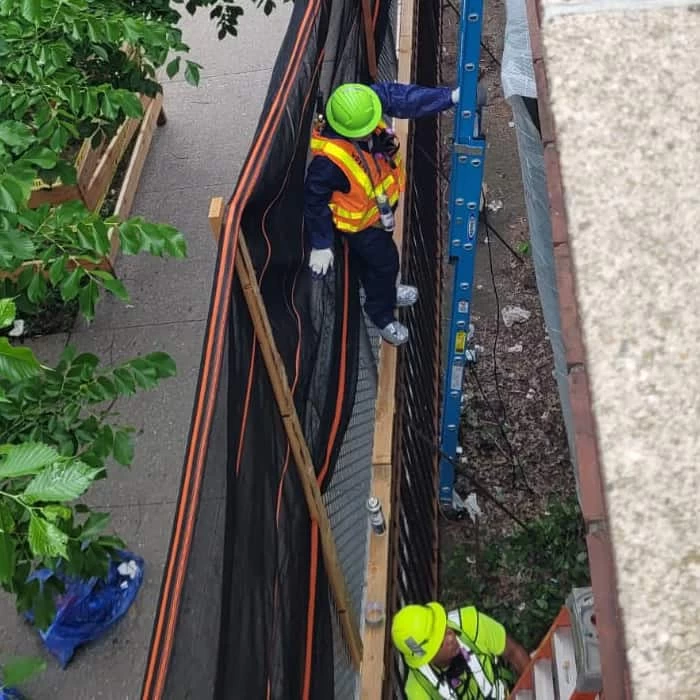
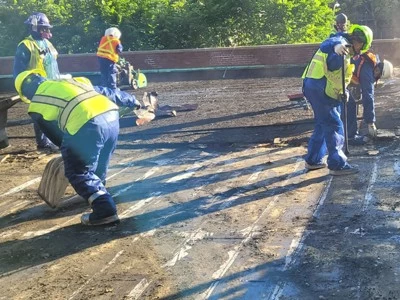
I needed a professional consultation explanation of procedure for safe removal of Asbestos in my apartment complex. Without having an account yet, I was very impressed with the caring, knowledgeable and generous advice offered by Jessica, and will look forward to doing business in the future. Thank you so much! I feel much more informed about a sometimes scary endeavor. Peace. Nancy Silva Mineola, NY.
Mia Munoz
Used this company to clean up some water flood in my house. They were fast and easy to work with.very professional, Would recommend to anyone!
Nini Valle
Great company, had a flood and they responded quickly and efficiently. Billed my insurance company directly. I highly recommend this company!
joe colapietro, jr
I had pipe freeze in my basement right before a snow storm and they made to within an hour to help start the clean up process. They we by our side throughout the entire process and even helped with the insurance company. They did such a great job with the cleanup, repair, remidiation, I contracted them to perform the repairs and finishes in the basement. They came with enough manpower and material to get the job done. Leo and Jessica were nothing but a pleasure to deal with!!
Cristian Arredondo c
I had some water damage in my home and Green Island was able to take care of my issue quickly and effectively. I am very pleased with the work they did. They responded quickly and were very professional.
Michael M
Outstanding service! From the office to the field crew everyone was friendly, helpful and responsive. I highly recommend Green Island Group.
Water doesn’t wait, and in Malba, the stakes are unusually high. You’re sitting on Powell’s Cove, a tidal inlet of the East River, and many of the homes here were built in the early-to-mid 20th century older foundations, older plumbing, finished basements that weren’t designed with today’s storm intensity in mind. When water gets in, it moves fast through those materials. The longer it sits, the deeper it wicks.
What you actually get from a proper water damage restoration isn’t just dry floors. It’s confidence that the moisture is gone from inside the walls, not just the surface. It’s knowing mold doesn’t have a foothold which matters more in Malba than most places, because the waterfront humidity here accelerates mold growth in ways that inland Queens neighborhoods don’t experience. A rushed or incomplete job leaves you with a problem that comes back in six weeks, smells wrong, and costs twice as much to fix the second time.
The homes in this neighborhood are among the most valuable in all of Queens. Some have been in families for generations. Getting the restoration right the first time isn’t just a preference it’s what protects everything you’ve built here.
A lot of the companies showing up in Malba search results are based in Nassau or Suffolk County 516 and 631 area codes which means longer drive times and less familiarity with how New York City building codes and permit requirements actually work. We’re Queens-based. We’re already in the borough when you call, and we understand the regulatory environment you’re dealing with, from NYC Department of Buildings permit requirements to New York State’s mold remediation licensing laws under Labor Law Article 32.
We’ve been serving northeast Queens including the Whitestone and Malba corridor long enough to know what these homes look like from the inside. The older construction, the finished basements, the waterfront exposure. We’re not learning your neighborhood on the job.
What Happens From First Call to Finished Restoration
When you call, we dispatch immediately day or night. The first thing we do on arrival is assess the full scope of water intrusion, not just what’s visible. In Malba’s older homes, water has a way of traveling further than it looks. We use moisture detection equipment to find where it’s gone inside walls, under flooring, and into structural materials before we start any extraction.
Once we have a clear picture, we extract standing water and set up industrial-grade drying and dehumidification equipment. This isn’t a one-visit process we monitor moisture levels over the following days to confirm that drying is progressing correctly. For Malba’s waterfront environment, where ambient humidity is elevated compared to inland areas, that monitoring phase is especially important. Pulling equipment too early is one of the most common mistakes in this industry, and it’s how mold problems start.
After structural drying is confirmed, we move into repairs drywall, flooring, insulation, whatever the damage requires. If your job involves structural or plumbing work, we handle the NYC Department of Buildings permit process so you’re not left navigating that alone. We also document everything throughout for your insurance claim, which we’ll walk through with you from start to finish.
Water damage restoration is one of those services where the difference between a good job and a bad one isn’t always visible right away. A company can extract the standing water, leave some equipment running for a day, and call it done. You won’t know it was incomplete until the mold shows up or the floor starts buckling three weeks later. That’s not how we work.
What’s included in every job we do in Malba starts with a full moisture assessment not a visual check, an actual reading of what’s happening inside your walls and subfloor. From there: water extraction, structural drying with industrial dehumidifiers and air movers, anti-microbial treatment to prevent mold colonization, and a final moisture verification before we close anything up. For homes near Powell’s Cove with older construction and finished basements, that anti-microbial step and the final verification aren’t optional they’re what separates a complete job from one that comes back to haunt you.
We also handle the insurance side. We document damage with photos and moisture readings, communicate directly with your adjuster, and make sure your claim reflects the actual scope of the loss. For homeowners in a neighborhood where property values run into the millions, that documentation process can make a significant difference in what you recover. One call covers everything from water out to walls back in.
How quickly can water damage restoration begin at a Malba, NY home?
We dispatch 24 hours a day, 7 days a week including nights, weekends, and holidays. For a home in Malba, response time matters more than it does in most places. You’re in a waterfront neighborhood with older construction, and water moves through those materials faster than it does in newer builds. Every hour of delay allows moisture to travel further into walls, subfloors, and structural framing.
In practical terms, the goal is always to have equipment on-site and extraction underway as quickly as possible after your call. The faster water is removed and drying begins, the smaller the overall scope of damage and the lower your total restoration cost. Waiting until morning on a nighttime flood is one of the most expensive decisions a homeowner can make.
Does water damage restoration in Malba require any NYC permits or approvals?
It depends on the scope of work. Water extraction and drying alone typically don’t require permits. But if the restoration involves structural repairs, opening walls, replacing plumbing, or any electrical work which is common after significant flooding those components fall under NYC Department of Buildings jurisdiction and require permits before work begin.
This is one of the real advantages of working with a Queens-based company rather than one operating out of Long Island. We know the NYC DOB process, we know what triggers a permit requirement, and we handle that paperwork as part of the job. Unpermitted work can create serious complications when you go to sell your Malba home or file a future insurance claim and in a neighborhood where property values are substantial, that’s not a risk worth taking.
How do I know if mold has started growing after water damage in my home?
The honest answer is that you often can’t tell by looking. Mold can begin colonizing within 24 to 48 hours of water intrusion, and it typically starts inside walls, under flooring, and in insulation not on visible surfaces. By the time you can see it or smell it, it’s already established and the remediation scope is significantly larger.
For homes in Malba specifically, this is a heightened concern. The waterfront location along Powell’s Cove means ambient humidity is consistently elevated compared to inland Queens neighborhoods, and that humidity creates favorable conditions for mold growth even after visible water is removed. This is why our process includes anti-microbial treatment and a final moisture verification before we close up any walls or flooring. Skipping those steps or working with a company that does is how homeowners end up with a mold problem six weeks after what looked like a successful restoration.
Will my homeowners insurance cover water damage restoration costs?
Most standard homeowners insurance policies cover sudden and accidental water damage a burst pipe, an appliance failure, storm-driven water intrusion. What they typically don’t cover is gradual damage, meaning a slow leak you knew about and didn’t address. Flood damage from an outside water source, like storm surge from Powell’s Cove during a major weather event, usually requires a separate flood insurance policy through the National Flood Insurance Program.
The documentation you submit with your claim matters enormously. Insurance adjusters work from the evidence in front of them, and a poorly documented claim or one that understates the scope of damage results in a lower payout. We photograph everything, take moisture readings throughout the affected area, and communicate directly with your adjuster to make sure the full scope of the loss is captured. For a high-value Malba property, that process can be the difference between a claim that covers your actual costs and one that leaves you short.
What makes water damage in older Malba homes harder to restore than newer construction?
Malba’s housing stock was developed primarily in the early-to-mid 20th century, and older construction absorbs and retains moisture differently than modern materials. Older plaster walls, hardwood subfloors, and original framing lumber are more porous than contemporary drywall and engineered materials meaning water travels further and dries more slowly. Older homes also tend to have less vapor barrier protection and aging waterproofing in basements, which means water intrusion paths are more numerous and less predictable.
There’s also the plumbing factor. Older galvanized or cast iron pipes are more prone to failure, and when they go, they can release significant water volume quickly. Knowing how to work in older construction where to look for hidden moisture, how long drying actually takes in these materials, and when something needs to be opened up rather than dried in place is a skill that comes from experience with this specific type of housing. It’s not the same job as restoring a house built in 2005.
How does storm surge flooding near Powell's Cove affect water damage restoration differently?
Storm surge flooding is categorically different from an internal water loss like a burst pipe. When water enters from outside pushed in by a tidal event or heavy storm surge from Powell’s Cove it brings contaminants with it. Sediment, bacteria, and whatever else is in that water gets into your flooring, walls, and HVAC system. That changes the restoration protocol entirely. It’s not just about drying it’s about decontamination.
Category 3 water, which is what storm surge and sewage-affected flooding is classified as, requires more aggressive treatment than a clean water loss. Porous materials that absorbed contaminated water often need to be removed rather than dried in place, and anti-microbial treatment is applied more extensively throughout the affected area. For waterfront properties in Malba that experienced flooding during recent northeast Queens storm events, understanding that distinction and working with a team that handles it correctly is what determines whether your home is actually safe to live in after restoration is complete.