When a Pipe Fails in a Parkside Pre-War, Every Minute Counts
When a pipe fails inside an 80-year-old Parkside building, water doesn’t wait. We respond fast, dry it right, and handle your insurance so you’re not left managing this alone while your home absorbs water into plaster walls that were never designed to dry quickly.
I needed a professional consultation explanation of procedure for safe removal of Asbestos in my apartment complex. Without having an account yet, I was very impressed with the caring, knowledgeable and generous advice offered by Jessica, and will look forward to doing business in the future. Thank you so much! I feel much more informed about a sometimes scary endeavor. Peace. Nancy Silva Mineola, NY.
Mia Munoz
Used this company to clean up some water flood in my house. They were fast and easy to work with.very professional, Would recommend to anyone!
Nini Valle
Great company, had a flood and they responded quickly and efficiently. Billed my insurance company directly. I highly recommend this company!
joe colapietro, jr
I had pipe freeze in my basement right before a snow storm and they made to within an hour to help start the clean up process. They we by our side throughout the entire process and even helped with the insurance company. They did such a great job with the cleanup, repair, remidiation, I contracted them to perform the repairs and finishes in the basement. They came with enough manpower and material to get the job done. Leo and Jessica were nothing but a pleasure to deal with!!
Cristian Arredondo c
I had some water damage in my home and Green Island was able to take care of my issue quickly and effectively. I am very pleased with the work they did. They responded quickly and were very professional.
Michael M
Outstanding service! From the office to the field crew everyone was friendly, helpful and responsive. I highly recommend Green Island Group.
Most homeowners don’t realize the damage they’re looking at is only part of the problem. In Parkside, where nearly 60% of homes were built before 1940, water doesn’t just sit on the surface it moves through plaster walls, old wood subfloors, and foundations that were never designed with modern waterproofing in mind. By the time you see a stain or feel soft flooring, moisture has already traveled further than you think.
That’s why surface drying isn’t enough here. The buildings on these streets require thermal imaging, industrial dehumidifiers, and moisture readings that confirm complete drying not just a dry-looking wall. When that’s done correctly, you get your home back without the mold problem showing up three months later.
The other thing that changes is the insurance headache. Water damage claims in Queens involve documentation, adjuster coordination, and a paper trail that most homeowners aren’t equipped to manage mid-emergency. When that’s handled for you, the whole process feels less like a crisis and more like something that actually got resolved.
We Know Parkside's Buildings That's Not a Small Thing
We’ve been serving homeowners and building owners across Queens for years, and Parkside is a neighborhood we know well. The pre-war walk-ups off Metropolitan Avenue, the co-ops near Queens Boulevard, the older single-family homes sitting close to Forest Park these aren’t generic residential buildings. They have specific vulnerabilities, and treating them like new construction is how restoration jobs go wrong.
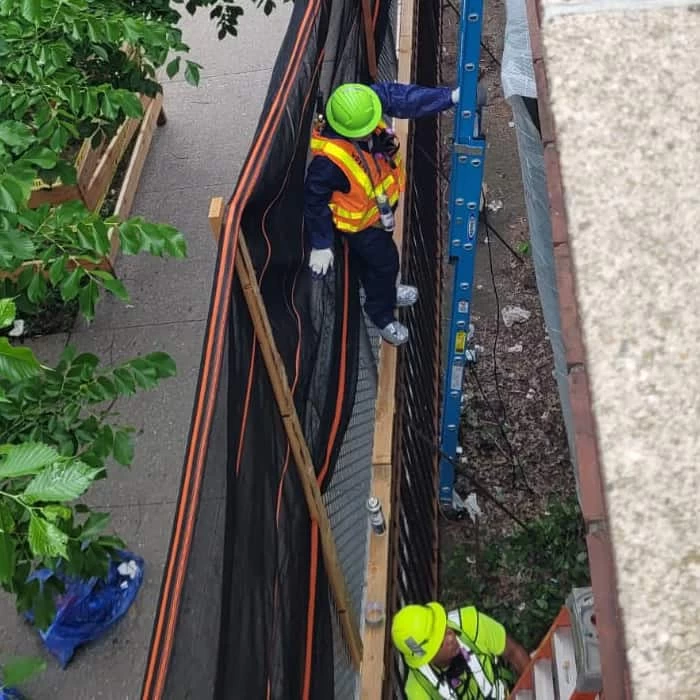
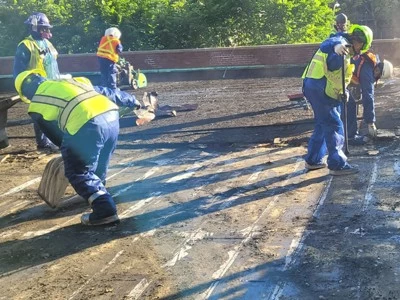
Our crews are trained on the failure patterns that come with older Parkside construction: corroded galvanized pipes, original foundations without waterproofing membranes, plaster walls that hold moisture long after the source is fixed. We also understand the regulatory side lead-safe work practices, mold remediation requirements under NYC Health Code, and asbestos protocols that apply to most of Parkside’s housing stock. That’s not a bonus it’s a baseline for doing this work legally and safely in this neighborhood.
No Guesswork Here's Exactly How We Work Through It
The first call starts the clock. We answer 24 hours a day, and we dispatch immediately because in a pre-war Parkside building where one unit’s pipe failure can reach the floor below within the hour, every minute of delay compounds the damage. When we arrive, the first thing we do is assess the full scope using thermal imaging cameras and professional moisture meters. What you can see is rarely the whole picture, especially in buildings with plaster walls and old masonry.
Once we know where the moisture actually is, we extract standing water and set industrial drying equipment air movers, dehumidifiers, and targeted airflow positioned based on the specific layout and materials in your space. In Parkside’s older buildings, that often means working around original hardwood floors, plaster ceilings, and architectural details worth preserving. We document every reading before and after, which also feeds directly into your insurance claim.
Before we close out the job, we verify complete drying with a final moisture assessment. If the numbers aren’t right, we don’t call it done. From there, we handle any needed reconstruction walls, floors, ceilings so you’re not left finding a second contractor to finish what we started.
Water Damage Restoration Service near Parkside, NY
Old Buildings, Specific Risks, and a Process Built Around Both
Water damage restoration in Parkside isn’t a one-size situation. The age of the housing stock here most of it built before World War II means every job comes with a layer of complexity that newer neighborhoods don’t have. Floor tiles, pipe insulation, and joint compound in pre-1980 construction can contain asbestos. Painted surfaces in pre-1978 buildings require lead-safe handling. These aren’t edge cases in Parkside; they’re the norm, and any restoration company working here legally has to account for them.
Beyond the hazardous material piece, we handle the full scope of what water damage actually requires: emergency water extraction, structural drying with industrial equipment, antimicrobial treatment to get ahead of mold, debris removal, and full reconstruction of damaged surfaces. That last part matters because a lot of companies stop at the drying phase and leave you to coordinate the rest. In a neighborhood where your home is likely worth well over half a million dollars, that’s not a reasonable place to stop.
We also work directly with your insurance carrier preparing the documentation, moisture mapping, and damage reports that adjusters need. For Parkside’s co-op and condo owners navigating both a personal policy and a building master policy, that coordination is especially valuable.
How fast can we actually get to Parkside when water damage happens?
Speed matters more in Parkside than in a lot of other neighborhoods, and here’s why: the density of pre-war apartment buildings means one pipe failure can reach multiple units fast. A third-floor leak doesn’t stay on the third floor for long. We dispatch immediately after your call 24 hours a day, including weekends and holidays. We don’t route calls through a national center or pull crews from distant locations. We’re Queens-based, and Parkside is part of our regular service area.
When we say immediate dispatch, that means someone is moving toward your address while you’re still on the phone. Response time varies depending on traffic and time of day, but our goal is always to be on-site as fast as physically possible. The sooner we arrive, the less water travels, and the less damage there is to reverse.
Will my homeowner's insurance actually cover water damage repair costs?
In most cases, yes but the specifics depend on the source of the damage. Sudden and accidental water damage, like a burst pipe or an appliance failure, is typically covered under standard homeowner’s policies. Gradual damage from a slow leak you didn’t address, or flooding from outside the home, usually isn’t covered under a standard policy and requires separate flood insurance.
For Parkside homeowners, the insurance picture can be more complicated than it sounds. Co-op and condo owners often have two policies in play their personal unit coverage and the building’s master policy and figuring out which one applies to which part of the damage takes some coordination. We handle that process directly. We document the damage thoroughly, prepare the reports your adjuster needs, and communicate with the carrier so you don’t have to manage that conversation while also dealing with a damaged home. Getting the documentation right from the start is what keeps claims from getting delayed or disputed.
How do I know if there's mold growing after water damage in my Parkside home?
Mold can start colonizing within 24 to 48 hours of water exposure, and in Parkside’s pre-war buildings, the conditions are particularly favorable for it. Plaster walls, wood lath, old subfloors, and limited mechanical ventilation create an environment where moisture lingers well past when the surface looks dry. You might not see mold for weeks but by then, it’s already established behind the wall or under the floor.
The signs to watch for include a musty smell that doesn’t go away, discoloration on walls or ceilings, or allergy-like symptoms that get worse when you’re home. But honestly, visible signs often come after the problem is already significant. That’s why we treat every water damage job as a mold-prevention job antimicrobial treatment is a standard part of our process, not an add-on. And if mold is already present when we arrive, we handle remediation in compliance with NYC Health Code Article 32, which governs mold work in residential buildings across all five boroughs.
Does water damage restoration in older Parkside buildings require special permits or compliance steps?
It can, yes and this is one area where working with a company that knows New York City’s regulatory environment actually matters. The NYC Department of Buildings requires permits for structural repairs that affect load-bearing elements, plumbing systems, or electrical systems. If water damage restoration touches any of those areas, which it often does in pre-war Parkside buildings, the work needs to be permitted and done in compliance with current NYC Building Code.
Beyond permits, Parkside’s housing stock triggers two additional compliance layers that don’t apply everywhere. Homes built before 1978 require lead-safe work practices under NYC Local Law 1 any time painted surfaces are disturbed which happens in virtually every water damage job. Homes built before 1980 may contain asbestos in floor tiles, pipe insulation, or joint compound, and disturbing those materials without licensed abatement is a violation. We operate within all of these requirements as a standard part of how we work, not as an exception. If you hire a company that isn’t accounting for these things in Parkside, that’s a liability you’re taking on.
How long does the water damage restoration process take from start to finish?
The honest answer is that it depends on how much water was involved, how long it sat, and what materials it got into. A contained pipe failure caught quickly might be fully dried and restored within a few days. A situation where water sat overnight in a plaster-walled Parkside apartment common in these buildings where the damage isn’t discovered until a neighbor notices a ceiling stain can take a week or more just for the structural drying phase before any reconstruction begins.
The drying timeline is driven by moisture readings, not by how things look. In pre-war construction, plaster walls and old wood subfloors hold moisture significantly longer than modern drywall, so the equipment stays until the numbers confirm complete drying. Rushing that phase is the most common reason water damage jobs result in mold problems later. Once drying is confirmed, reconstruction timelines depend on the scope replacing drywall and repainting a single wall is fast; restoring a damaged ceiling across multiple rooms takes longer. We’ll give you a realistic timeline after the initial assessment, not a number designed to make you feel better in the moment.
What should I do the moment I discover water damage in my Parkside home?
The first thing is to stop the source if you can. If it’s a burst pipe, locate your shutoff valve and turn off the water supply to that line or to the whole unit. In many of Parkside’s older apartment buildings, the shutoff valves are original and may be stiff or hard to find if you don’t know where yours is, that’s worth figuring out before an emergency happens. If the water is coming from a unit above you or from a building system, contact your building super immediately so they can shut it down from their end.
Once the source is stopped, call for professional help before you start moving things around or trying to dry it yourself. Fans and towels feel productive, but they don’t reach moisture inside walls and subfloors and they can actually spread contaminated water further if the source involved a drain line or sewage backup. Document everything with photos before anything is touched or moved, because that documentation becomes part of your insurance claim. Then call us. We’ll take it from there assessment, extraction, drying, insurance coordination, and full restoration.