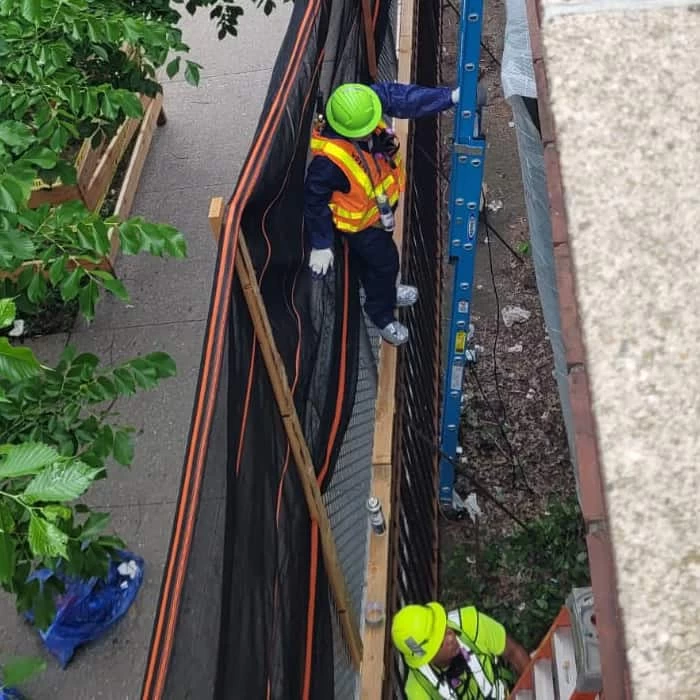
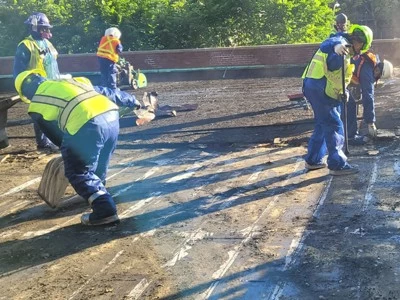
When water gets into your home, the damage doesn’t pause and in a neighborhood full of older homes already dealing with rising groundwater and aging pipes, every hour counts. We provide water damage restoration in Queens Village, NY with the kind of fast, thorough response that actually protects what you’ve built.
I needed a professional consultation explanation of procedure for safe removal of Asbestos in my apartment complex. Without having an account yet, I was very impressed with the caring, knowledgeable and generous advice offered by Jessica, and will look forward to doing business in the future. Thank you so much! I feel much more informed about a sometimes scary endeavor. Peace. Nancy Silva Mineola, NY.
Mia Munoz
Used this company to clean up some water flood in my house. They were fast and easy to work with.very professional, Would recommend to anyone!
Nini Valle
Great company, had a flood and they responded quickly and efficiently. Billed my insurance company directly. I highly recommend this company!
joe colapietro, jr
I had pipe freeze in my basement right before a snow storm and they made to within an hour to help start the clean up process. They we by our side throughout the entire process and even helped with the insurance company. They did such a great job with the cleanup, repair, remidiation, I contracted them to perform the repairs and finishes in the basement. They came with enough manpower and material to get the job done. Leo and Jessica were nothing but a pleasure to deal with!!
Cristian Arredondo c
I had some water damage in my home and Green Island was able to take care of my issue quickly and effectively. I am very pleased with the work they did. They responded quickly and were very professional.
Michael M
Outstanding service! From the office to the field crew everyone was friendly, helpful and responsive. I highly recommend Green Island Group.
Queens Village sits on some of the most flood-vulnerable ground in New York City. The city didn’t spend $54.8 million on new sewers here because the drainage was fine it spent that money because this neighborhood has been dealing with chronic flooding, a rising water table, and aging infrastructure for decades. New street-level sewers help, but they don’t stop water from pushing through your foundation walls, seeping under your basement floor, or finding its way in through a pipe that’s been quietly failing for years.
The homes here were mostly built in the 1920s through 1950s. That means older plumbing, original or long-replaced drain lines, and basement waterproofing that has had decades to break down. When water gets in whether from a nor’easter, a burst pipe, or groundwater pressure it moves fast and hides well. It soaks into plaster walls, gets under original hardwood floors, and sits in spaces you can’t see until the smell tells you something’s wrong.
Getting it right means more than extracting standing water. It means finding the moisture that stayed behind, drying the structure completely, and making sure mold doesn’t get a foothold in a home that was built long before modern vapor barriers existed. That’s what thorough water damage restoration actually delivers and that’s the difference between a home that’s genuinely restored and one that has a problem waiting to surface again.
We serve Queens Village as a local water restoration company that actually knows this neighborhood not a franchise routing calls through a regional center. Our team understands the housing stock between Francis Lewis Boulevard and the Nassau County line, the flooding history that prompted the city’s largest-ever infrastructure investment in this area, and the specific vulnerabilities that come with homes built a generation or two ago.
That local knowledge matters when you’re dealing with a water emergency. Knowing that southeast Queens sits on a naturally high water table, that the original combined sewer system wasn’t built for today’s rainfall intensity, and that older Tudor Revival and Colonial homes in Queens Village hold moisture differently than newer construction that’s context that changes how the job gets done.
From the streets near Springfield Boulevard to the quieter blocks off Hempstead Avenue, we’ve worked in these homes and know what to look for.
A Clear Process Built for Older Queens Village Homes
The first step is getting there fast. Water damage restoration in Queens Village starts with an emergency response day or night because waiting until morning after a basement flood means giving moisture more time to move into walls, joists, and flooring that’s been in place for 70-plus years. Once on-site, we assess the full scope of the damage, not just what’s visible. In older homes with plaster walls and original subfloors, water travels further than it looks.
From there, water extraction comes first, followed by structural drying using industrial dehumidifiers and air movers placed strategically throughout the affected space. Moisture mapping is a critical part of this it identifies exactly where water has migrated so nothing gets missed. In Queens Village homes, that often means checking inside wall cavities, under flooring, and in basement areas where groundwater pressure can keep things damp long after the initial event.
Once the structure is dry and verified, the repair phase begins. That includes replacing damaged drywall, flooring, insulation, and any finished surfaces affected by the water or the drying process. If mold is present or suspected which is a real concern in older homes that stayed wet for even 24 to 48 hours remediation is handled in compliance with New York State’s Article 32 Mold Law, which requires licensed contractors for both assessment and removal. Throughout all of it, damage is documented thoroughly to support your insurance claim.
Water damage restoration in Queens Village covers the full scope from the moment water enters your home to the day it looks and functions exactly as it did before. That means emergency water extraction, structural drying, moisture mapping, mold assessment and remediation when needed, and complete repair of all affected surfaces. We don’t hand off to a second contractor for the rebuild. The same team that responds to the emergency sees the job through to finished walls, floors, and ceilings.
For Queens Village homeowners specifically, our service accounts for what’s common in this neighborhood: basements that flood from groundwater pressure as much as from storms, older plaster and lath walls that absorb and hold moisture differently than modern drywall, and homes where the original drainage systems were never designed for the rainfall volumes this area now regularly sees. The city’s green infrastructure improvements on the neighborhood’s medians help with street-level runoff, but the interior of your home is still your responsibility and that’s exactly what this service addresses.
Mold remediation, when required, is handled under full New York State licensing compliance. Insurance documentation is thorough and formatted to satisfy adjuster requirements, which matters in a neighborhood where many homeowners are navigating a significant claim for the first time. Whether the damage came from a burst pipe on a cold January night, a sewage backup, or the kind of sustained rainfall that overwhelmed southeast Queens during Hurricane Ida, our response and process are the same: complete, documented, and done right.
How quickly can someone respond to water damage in Queens Village, NY?
Response time matters more with water damage than almost any other home emergency. Within the first 24 hours, water migrates into wall cavities, under flooring, and into structural materials. By 48 hours, mold can begin forming and in Queens Village’s older housing stock, where plaster walls and original wood subfloors are common, that moisture doesn’t dry out on its own.
We provide 24/7 emergency response to Queens Village addresses across all three ZIP codes 11427, 11428, and 11429. That means an actual dispatch, not a voicemail and a callback the next morning. Our goal is to get extraction and drying equipment in place before secondary damage sets in, because in a neighborhood where homes are already dealing with a naturally high water table and aging infrastructure, the damage window is shorter than most people expect.
Will my homeowners insurance cover water damage restoration in Queens Village?
It depends on the source of the damage, and this is where a lot of homeowners get caught off guard. Standard homeowners insurance typically covers sudden and accidental water damage a burst pipe, an appliance failure, or water from a storm that enters through a roof or window. It generally does not cover flooding from an external water source, like groundwater pushing through your foundation or street flooding backing up into your basement. For that, you’d need a separate flood insurance policy through the National Flood Insurance Program.
Queens Village’s flooding history and the city’s documented acknowledgment of it through the $54.8 million sewer project means many homeowners here have dealt with both types of damage at different times. Knowing which category your current damage falls into affects your claim. We document damage thoroughly, including moisture readings and photographic records, in a format that insurance adjusters recognize and accept. That documentation can make a real difference in how smoothly your claim moves and how much you recover.
How do I know if there's mold after water damage in my Queens Village home?
You don’t always see it right away and in older Queens Village homes, that’s exactly the problem. Mold grows in dark, damp spaces: inside wall cavities, under flooring, behind baseboards, and in basement areas where moisture lingers after the visible water is gone. The first signs are often a musty smell, discoloration on walls or ceilings, or unexplained respiratory symptoms in people spending time in the affected area.
In a neighborhood where homes were built 70 to 100 years ago and many basements have experienced repeated flooding events including the catastrophic rainfall from Hurricane Ida in September 2021 the risk of hidden mold is real and should be taken seriously. New York State law under Article 32 requires that mold assessment and mold remediation be performed by licensed contractors. We operate under those licensing requirements, which means the assessment is legitimate, the remediation is compliant, and you have documentation that protects you if the issue is ever questioned during a sale or insurance review.
What causes basement flooding in Queens Village even when it hasn't rained much?
This is one of the most common and confusing situations for homeowners in southeast Queens. The answer is groundwater. Queens Village sits on terrain with a naturally high water table, and as the surrounding area has been developed over decades more pavement, more buildings, less permeable ground that water has fewer places to go. The result is hydrostatic pressure against foundation walls and basement floors that can push moisture into your home even on a dry day.
The city has invested heavily in green infrastructure throughout Queens Village including the transformation of seven concrete medians into stormwater-absorbing green spaces designed to handle approximately 5 million gallons of runoff per year but those improvements address street-level drainage, not groundwater pressure against your foundation. If your basement is showing moisture, efflorescence on the walls, or a damp smell without an obvious storm event to explain it, groundwater pressure is often the cause. A professional moisture assessment can confirm the source and determine the right path forward.
How long does water damage restoration take for a typical Queens Village home?
The timeline depends on how much water entered, how long it was present before extraction began, and which materials were affected. For a straightforward basement flooding event caught quickly, the drying process typically takes three to five days using industrial dehumidifiers and air movers. Moisture readings are taken throughout to confirm the structure has reached acceptable levels before any repair work begins you can’t patch walls over wet framing and expect it to hold.
In Queens Village’s older homes, the timeline can run longer. Plaster walls hold moisture differently than modern drywall, and original hardwood flooring may need more drying time or may need to be removed if it has cupped or buckled. If mold remediation is required, that adds time as well but skipping that step to move faster is not something a legitimate restoration company will do. The full repair phase, including replacing drywall, flooring, and finished surfaces, follows once the structure is confirmed dry. A realistic total timeline from emergency response to finished repair is typically one to two weeks for moderate damage.
Does Green Island Group handle water damage from sewage backups in Queens Village?
Yes and sewage backups are more common in Queens Village than many homeowners realize. The neighborhood’s original combined sewer system was built to handle a much smaller population with far less impermeable surface area. During heavy rainfall events, that system gets overwhelmed, and the pressure can push sewage back up through basement floor drains, toilets, or utility sinks. It happened during Hurricane Ida, it happens during intense summer thunderstorms, and it can happen any time the system is pushed beyond its capacity.
Sewage backup is classified as a Category 3 water loss the most serious category because the water contains bacteria, pathogens, and contaminants that require specialized handling. Standard water extraction equipment and drying methods are not sufficient. The affected area needs to be properly contained, contaminated materials removed and disposed of according to health and safety standards, and the space disinfected before any drying or repair work begins. We handle Category 3 losses with the appropriate protocols, and the damage documentation we provide is formatted to support insurance claims, since many homeowners’ policies include sewage backup riders that cover this specific type of event.