When Your Amityville Home Floods, Speed Matters More Than You Think
Amityville’s proximity to the Great South Bay and its network of finger canals don’t forgive slow responses. Get professional water damage restoration before the clock runs out on your walls, floors, and air quality. We arrive fast, we dry right, and we handle the full scope water, mold, asbestos, and everything in between.
I needed a professional consultation explanation of procedure for safe removal of Asbestos in my apartment complex. Without having an account yet, I was very impressed with the caring, knowledgeable and generous advice offered by Jessica, and will look forward to doing business in the future. Thank you so much! I feel much more informed about a sometimes scary endeavor. Peace. Nancy Silva Mineola, NY.
Mia Munoz
Used this company to clean up some water flood in my house. They were fast and easy to work with.very professional, Would recommend to anyone!
Nini Valle
Great company, had a flood and they responded quickly and efficiently. Billed my insurance company directly. I highly recommend this company!
joe colapietro, jr
I had pipe freeze in my basement right before a snow storm and they made to within an hour to help start the clean up process. They we by our side throughout the entire process and even helped with the insurance company. They did such a great job with the cleanup, repair, remidiation, I contracted them to perform the repairs and finishes in the basement. They came with enough manpower and material to get the job done. Leo and Jessica were nothing but a pleasure to deal with!!
Cristian Arredondo c
I had some water damage in my home and Green Island was able to take care of my issue quickly and effectively. I am very pleased with the work they did. They responded quickly and were very professional.
Michael M
Outstanding service! From the office to the field crew everyone was friendly, helpful and responsive. I highly recommend Green Island Group.
Mold can start growing within 24 to 48 hours of water exposure. That’s the IICRC standard, and it’s the reason response time matters more than most people realize until it’s too late. In Amityville, where the Great South Bay keeps ambient humidity elevated year-round, that window closes even faster than it would in an inland community.
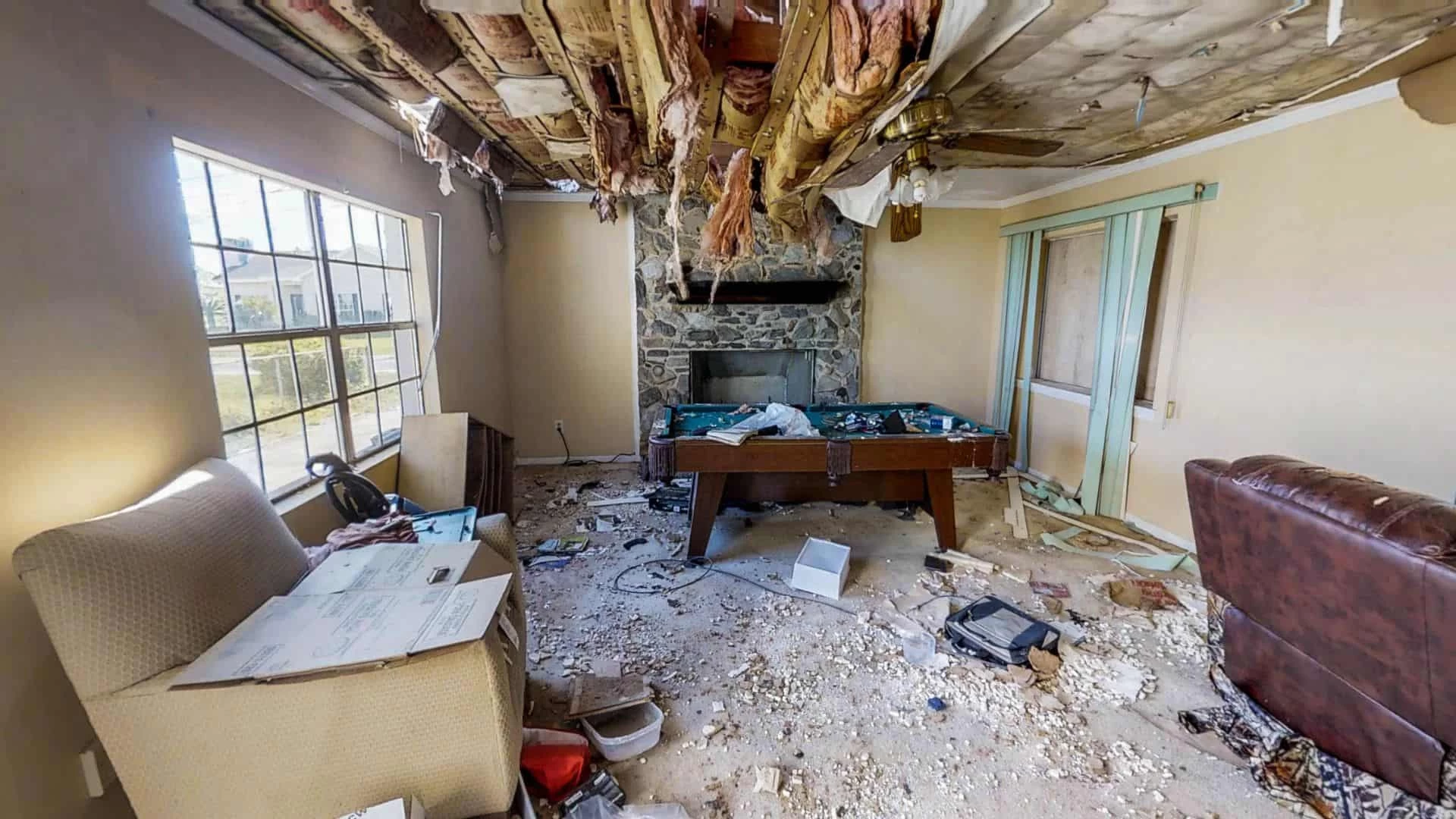
If you’re on a canal street, near one of the necks, or in an older home off Merrick Road, you already know water doesn’t just come from burst pipes. It comes up from the ground. It backs up through drains. It pushes through foundation walls after a surge event. Generic drying equipment and a couple of fans won’t touch that kind of saturation and leaving hidden moisture behind is exactly how a $4,000 water damage job turns into a $15,000 mold remediation.
What you get on the other side of a properly executed restoration is a home that’s genuinely dry not surface dry, but structurally dry. Walls that test clean on a moisture meter. Flooring that isn’t harboring moisture underneath. Air quality that isn’t quietly building a mold problem. For a home worth close to $585,000 in today’s Amityville market, that outcome isn’t optional it’s the whole point.
Long Island-Based, Not a Franchise Reading From a Script
We’re a Long Island environmental and restoration company not a national brand routing your call through a regional dispatch center. When you call us, you’re reaching a team that actually works in western Suffolk County, knows the Town of Babylon’s building department, and has dealt with the specific conditions that come with restoring homes in Amityville and other coastal communities.
That matters more than it sounds. Homes near the finger canals or the waterfront necks in Amityville have different damage profiles than a standard inland water loss. Older homes and Amityville has a lot of them, with a meaningful portion of the housing stock built before 1939 often contain asbestos in floor tiles, pipe insulation, or drywall compound. A water damage company that isn’t equipped to identify and handle that is a liability, not a solution.
We handle water damage, mold remediation, asbestos abatement, and air quality testing under one roof. That means one call, one accountable team, and no gaps in your recovery.
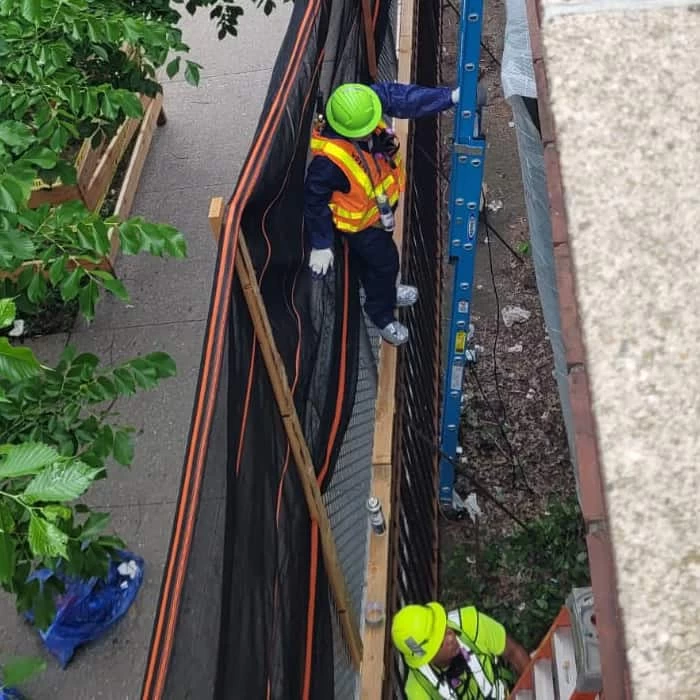
It starts with a call any time, any day. Water damage doesn’t wait for business hours, and neither do we. Once our team arrives, the first priority is stopping the source if it’s still active, then conducting a full assessment using moisture meters and thermal imaging cameras. That second part is critical. Water travels. It moves through wall cavities, under flooring, and into structural framing before it ever becomes visible. The assessment maps all of it not just what you can see.
From there, we deploy commercial-grade extraction equipment to remove standing water, and industrial drying systems are staged throughout the affected areas. This isn’t a consumer dehumidifier situation. The equipment is sized for the job, and the drying process is monitored with daily moisture readings until the structure reaches the target dry standard. In Amityville’s older housing stock, that process often takes longer than it would in a newer build plaster walls, hardwood subfloors, and uninsulated basement walls hold moisture differently than modern materials.
If the assessment reveals mold, asbestos-containing materials, or structural damage that requires permits through the Village of Amityville Building Department, we handle that as part of the same engagement not handed off to a separate contractor you have to manage yourself. The job isn’t done until the space is documented dry, restored, and ready for you to move back into.
Most water damage restoration companies stop at drying. We cover the full continuum water extraction, structural drying, mold remediation, asbestos abatement, and complete build-back. For Amityville homeowners, that full-service capability isn’t a nice-to-have. It’s a practical necessity given the age of the local housing stock and the nature of coastal flood events in this area.
When storm surge, tidal backflow, or a burst pipe in a pre-1939 home causes water damage, the chances of encountering asbestos floor tiles, lead paint, or mold behind walls are real. A company that can only handle the drying portion will stop work the moment they find something outside their scope leaving you to coordinate multiple contractors, multiple schedules, and multiple insurance conversations. That’s not a situation anyone wants to manage in the middle of a water loss.
On the insurance side, we document damage to the standard that adjusters require, work directly with carriers, and help you understand the distinction between your standard homeowner’s policy and flood insurance a distinction that matters significantly if your property sits in one of Amityville’s FEMA-designated flood zones. You have the right to choose your own licensed restoration contractor in New York State, regardless of who your insurance company suggests. That’s worth knowing before you make the call.
How quickly does mold start growing after water damage in Amityville?
According to IICRC standards, mold can begin colonizing within 24 to 48 hours of water exposure under typical conditions. In Amityville, that timeline is compressed by the fact that the village sits directly on the Great South Bay, which keeps ambient humidity levels elevated compared to inland communities. Higher baseline humidity means wet materials stay wet longer and mold has more favorable conditions to establish itself quickly.
This is why the response window matters so much. If your basement flooded during a nor’easter or a canal overflow event, getting extraction and drying equipment in place within the first day is the single most effective thing you can do to prevent a mold problem on top of a water damage problem. If drying was delayed whether because you were waiting on an insurance adjuster, trying to handle it yourself, or just didn’t realize the extent of the damage a mold assessment should be part of the restoration scope before any walls are closed back up.
What's the typical cost of water damage restoration in Amityville?
Water damage costs in Amityville vary depending on the source of the water, the size of the affected area, and how far the moisture has traveled before it’s addressed. A contained appliance leak caught quickly might run a few thousand dollars for extraction and drying. A basement flood from storm surge or tidal backflow the kind that affects canal-adjacent properties and the waterfront necks can run significantly higher once you factor in structural drying, potential mold remediation, and any materials that need to be removed and replaced.
The insurance picture is more complicated in Amityville than in most Long Island communities. Standard homeowner’s insurance covers sudden and accidental water damage burst pipes, appliance failures, roof leaks. It does not cover flooding from storm surge, rising groundwater, or tidal backflow. That type of damage falls under flood insurance, which is a separate policy through the NFIP or a private carrier. If your property is in a FEMA Special Flood Hazard Area, you may have both policies and getting the claim filed against the right one, with the right documentation, makes a real financial difference. We document damage in a format that insurance adjusters accept and can work directly with your carrier to support the claim.
Does homeowner's insurance cover flood damage from storm surge in Amityville?
No. Standard homeowner’s insurance does not cover flooding from storm surge, tidal backflow, or rising groundwater. These losses fall under flood insurance, which is a separate policy. In Amityville, where properties near the Great South Bay and along the finger canals face regular exposure to tidal events and nor’easters, understanding this distinction is critical. If your home is in a FEMA Special Flood Hazard Area and many Amityville properties are your mortgage lender likely requires you to carry flood insurance. If you’re not in a designated flood zone but still experience water intrusion from external sources, that damage still won’t be covered by your homeowner’s policy. Flood insurance is available through the National Flood Insurance Program or private carriers, and the sooner you understand your coverage, the better positioned you are when a loss occurs.
What makes water damage in canal-front Amityville homes harder to restore?
Canal-front and bay-adjacent properties in Amityville face a water damage scenario that’s categorically different from a standard interior water loss. When tidal conditions or storm surge push water up through soil and into foundation walls, the saturation comes from below and from the sides not just from a single point source you can trace and stop. That means the drying process has to address foundation walls, slab assemblies, and lower-level framing that have been absorbing groundwater, not just surface water from a flood event.
The other complication is contamination classification. Water that enters from outside the home storm surge, canal overflow, sewer backup is typically classified as Category 3 water under IICRC standards, meaning it carries bacteria, sediment, and potentially saltwater contamination. That changes the remediation protocol significantly. Porous materials that got wet drywall, insulation, carpet generally cannot be dried and saved. They have to come out. The structural framing and foundation surfaces need to be treated, not just dried. For homeowners on the necks or along the finger canals in Amityville, understanding this upfront avoids the frustration of expecting a simple dry-out and getting a full gut remediation instead.
How do I know if my Amityville home has hidden water damage after a storm?
The most reliable way to find hidden water damage is with thermal imaging and professional moisture meters not a visual inspection. Water migrates through wall cavities, under flooring, and into structural assemblies well before it becomes visible, and in Amityville’s older homes, which often have plaster walls and hardwood floors over uninsulated subfloors, moisture can travel significant distances from the original entry point before it shows up as a stain or a soft spot.
Signs that suggest hidden damage worth investigating include musty odors that developed after a storm or a known leak, flooring that feels soft or has started to buckle, paint or wallpaper that’s bubbling, or a basement wall that shows efflorescence the white mineral deposits that indicate water has been moving through masonry. If your home is on a canal street or near the waterfront in Amityville and you experienced any flooding during a recent nor’easter or surge event, a moisture assessment is worth doing even if nothing looks obviously wrong. The cost of finding and addressing hidden moisture early is a fraction of what mold remediation costs once the problem is visible.
Do I need a permit to repair water damage in the Village of Amityville?
It depends on the scope of the work. Extraction, drying, and cleaning typically don’t require permits. But if the restoration involves structural repairs removing and replacing drywall, flooring, insulation, or framing you may need a building permit from the Village of Amityville Building Department. This is a separate jurisdiction from the Town of Babylon, and the permit requirements can differ depending on whether your property is inside the village boundaries or in an adjacent area like North Amityville.
There’s an additional layer if your property is in a FEMA-designated Special Flood Hazard Area. The Village of Amityville has its own Flood Damage Prevention code under Chapter 88 of the village municipal code, which governs construction and repair activity in flood-prone zones. If repair costs exceed 50% of the structure’s pre-damage value a threshold known as “substantial improvement” under NFIP rules elevation requirements may be triggered, which can significantly affect how the restoration is scoped and permitted. We’re familiar with these local requirements and can flag these issues before work begins, not after you’ve already committed to a scope that creates a compliance problem.