When the Bay Backs Up, Your Babylon Basement Shouldn't Pay for It
Babylon’s South Shore geography means flooding here isn’t just about rain it’s about tidal backflow, high water tables, and homes built on former swampland. When water damage hits, we’re on call 24/7 with a local team that actually knows this area.
I needed a professional consultation explanation of procedure for safe removal of Asbestos in my apartment complex. Without having an account yet, I was very impressed with the caring, knowledgeable and generous advice offered by Jessica, and will look forward to doing business in the future. Thank you so much! I feel much more informed about a sometimes scary endeavor. Peace. Nancy Silva Mineola, NY.
Mia Munoz
Used this company to clean up some water flood in my house. They were fast and easy to work with.very professional, Would recommend to anyone!
Nini Valle
Great company, had a flood and they responded quickly and efficiently. Billed my insurance company directly. I highly recommend this company!
joe colapietro, jr
I had pipe freeze in my basement right before a snow storm and they made to within an hour to help start the clean up process. They we by our side throughout the entire process and even helped with the insurance company. They did such a great job with the cleanup, repair, remidiation, I contracted them to perform the repairs and finishes in the basement. They came with enough manpower and material to get the job done. Leo and Jessica were nothing but a pleasure to deal with!!
Cristian Arredondo c
I had some water damage in my home and Green Island was able to take care of my issue quickly and effectively. I am very pleased with the work they did. They responded quickly and were very professional.
Michael M
Outstanding service! From the office to the field crew everyone was friendly, helpful and responsive. I highly recommend Green Island Group.
Water damage isn’t just wet floors and ruined drywall. It’s the anxiety of not knowing what’s hiding inside your walls, whether your insurance will come through, and whether the mold clock is already ticking. Per IICRC standards, mold can begin colonizing within 24 to 48 hours of water exposure and in Babylon, where basements are common and the water table south of Montauk Highway sits just a foot or two below grade, that window closes fast.
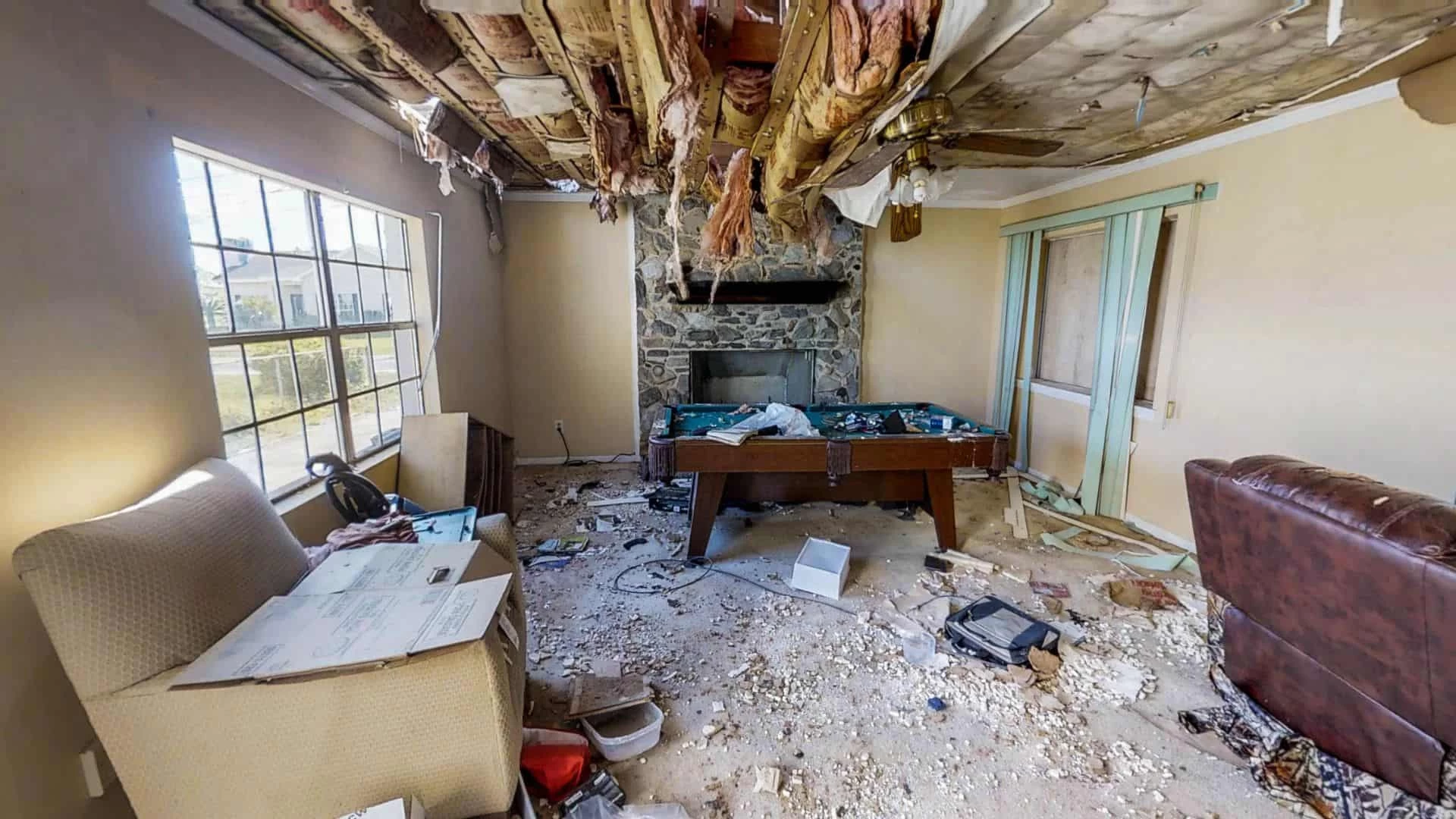
When water damage is handled properly, you get your home back not just dried out, but actually restored. Flooring replaced. Drywall repaired. Moisture verified gone with commercial-grade detection equipment, not a visual guess. The difference between a home that’s truly restored and one that quietly grows mold behind the baseboards for six months comes down to how thoroughly the job was done the first time.
For Babylon homeowners specifically, proper restoration also means accounting for what’s already in the walls. A significant share of homes in the village were built before 1939, and much of the surrounding housing stock went up in the 1950s and 1960s. That means asbestos-containing materials and lead paint are common findings when walls get opened up. Knowing that going in and having a team that can handle it without calling in a second contractor is what makes the difference between a clean restoration and a complicated one.
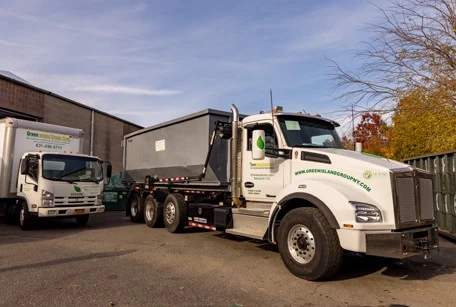
We’re a Long Island-based environmental and property restoration company not a franchise with a call center routing your job to whoever’s available. When you call, you reach our team. When we show up, those are our technicians. When the job is done, the same people who started it are accountable for how it finished.
We serve Babylon and the surrounding South Shore communities, including West Babylon, North Babylon, Bay Shore, and Brightwaters. We know what it means when the Great South Bay rises and the storm drains start backing up. We know the housing stock here the pre-war village homes, the post-war Cape Cods, the older plumbing and the shallow foundations. That local knowledge shapes how we approach every job.
Beyond water damage, we handle mold remediation, asbestos testing and abatement, lead paint compliance, and air quality testing all in-house. For a community where so much of the housing was built before 1978, that matters more than most people realize until they’re already in the middle of a restoration.
From Your First Call to Final Walkthrough Here's What Happens
It starts with a call any time, day or night. A real person picks up, gets the details, and dispatches a team. For emergency situations, we move fast. Water doesn’t wait, and neither do we.
When we arrive, the first step is a full assessment. That means more than looking at what’s visibly wet. We use commercial moisture meters and thermal imaging to find water that’s migrated behind walls, under flooring, and into insulation the kind of saturation that a shop vac and a box fan will never reach. In Babylon’s older homes, this step is especially important because water travels far and hides well in older construction materials.
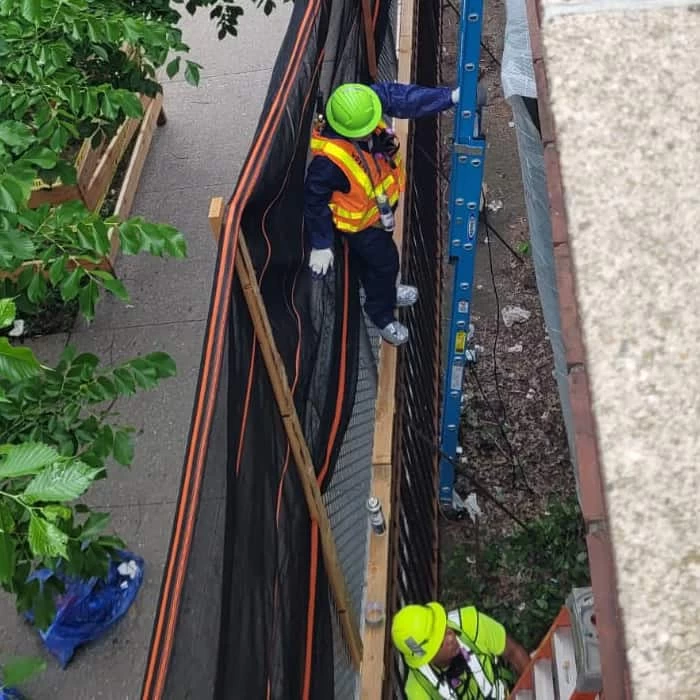
Once we know the full scope, we extract standing water, set up industrial drying equipment, and begin the controlled drying process. This phase takes time typically several days depending on the extent of the damage and we monitor moisture levels throughout rather than pulling equipment early and hoping for the best. If the assessment reveals materials that may contain asbestos or lead paint, we handle testing and abatement before any demolition work begins, which keeps the job compliant with New York State Department of Labor requirements and EPA RRP rules. After drying is complete and verified, we move into repair and restoration replacing what was damaged and returning your home to the condition it was in before the water arrived. You’ll know where things stand at every step.
Built for Babylon's Homes, Not a Generic Checklist
Water damage restoration in Babylon isn’t a one-size-fits-all service. The flooding risks here are specific tidal backflow from the Great South Bay, high water tables in properties south of Montauk Highway, and aging infrastructure that doesn’t always drain the way it should. The Town of Babylon’s own Department of Public Works has documented that saltwater from the bay surges back through underground drainage pipes during heavy rain, creating flooding pressure both above and below ground simultaneously. That’s not a problem you’ll find in Dix Hills or Hauppauge. It’s a Babylon problem, and the restoration approach needs to account for it.
Our water damage restoration service covers emergency water extraction, structural drying, moisture verification, mold prevention treatment, and full repair and reconstruction including drywall, flooring, insulation, and any structural components that were compromised. For homes in the village and surrounding hamlets where pre-1978 construction is common, we also provide in-house asbestos testing, licensed abatement, and lead paint compliance under one roof. You don’t need to coordinate separate contractors or wait for a hazmat company to clear the site before repairs can begin.
We also assist with insurance documentation throughout the process including properties carrying National Flood Insurance Program policies, which are common in Babylon’s designated flood zones. We handle the paperwork, communicate with adjusters, and keep the process moving so the claim doesn’t become a second full-time job on top of an already stressful situation.
How fast does mold actually start growing after water damage in Babylon?
According to IICRC S500 standards the industry benchmark for water damage restoration mold can begin colonizing within 24 to 48 hours of water exposure under the right conditions. In Babylon, those conditions are frequently already present before a flooding event even occurs. The water table in much of the town, particularly south of Montauk Highway, sits just one to two feet below grade. That means ambient humidity in basements and crawl spaces is already elevated, and when water intrudes, mold has an ideal environment to establish itself quickly.
This is why the speed of the response matters so much. Getting water extracted and drying equipment running within the first few hours dramatically reduces mold risk. Waiting a day or two whether because you’re trying to manage it yourself or waiting on a contractor who isn’t available can turn a water damage job into a water damage and mold remediation job, which is a significantly larger and more expensive undertaking. If you’re dealing with water damage in Babylon, the clock is already running.
Does homeowners insurance cover basement flooding in Babylon, NY?
It depends on the cause of the flooding, and this distinction matters a lot for Babylon homeowners. Standard homeowners insurance typically covers sudden and accidental water damage a burst pipe, a failed washing machine hose, or an appliance leak. It generally does not cover flooding caused by surface water, storm surge, or rising groundwater. For that type of flooding, which is exactly what many Babylon properties south of Montauk Highway experience during heavy rain or coastal storm events, you need a separate flood insurance policy typically through the National Flood Insurance Program, or NFIP.
Many Babylon homeowners carry both types of policies, especially those in designated FEMA flood zones. The challenge is that the two policies interact in ways that aren’t always intuitive, and documenting damage correctly for both adjusters requires knowing what each policy covers and what it excludes. We assist with insurance documentation from the start of the job, which helps ensure that what’s covered actually gets claimed and that nothing falls through the gap between two separate policies.
My Babylon home was built in the 1950s does that affect water damage restoration?
Yes, and it’s worth understanding why before any restoration work begins. Homes built in the 1950s and 1960s in Babylon and there are a lot of them, particularly in West Babylon and the surrounding hamlets very commonly contain asbestos-containing materials. Floor tiles, ceiling tiles, pipe insulation, joint compound, and roofing materials from that era frequently tested positive for asbestos when they were manufactured. Lead paint is also standard in homes built before 1978. Neither of these materials is an immediate health hazard when left undisturbed, but water damage restoration often requires opening walls, removing flooring, and cutting into materials that may contain them.
Under New York State Department of Labor regulations, licensed asbestos abatement is required before disturbing asbestos-containing materials. EPA Renovation, Repair and Painting rules also apply to lead paint in pre-1978 homes. We are licensed and equipped to handle both in-house, which means testing happens before demolition, abatement is done correctly and legally, and the restoration work proceeds without putting you, your family, or our crew at risk. It also means you’re not waiting on a second contractor to clear the site before repairs can move forward.
How long does water damage restoration typically take in Babylon?
The honest answer is that it depends on the scope of the damage, but here’s a realistic framework. Emergency extraction and initial setup getting the water out and drying equipment running typically happens within the first day. The structural drying phase generally takes three to five days for moderate damage, though it can run longer for severe flooding or for homes with older construction where water has migrated deeper into walls and subfloors. Moisture levels are monitored throughout, and equipment stays until readings confirm the structure is genuinely dry not just surface dry.
Repair and reconstruction happens after drying is complete and verified. That timeline depends on what was damaged replacing drywall and flooring in one room is a different scope than rebuilding a finished basement. For Babylon homes that also require asbestos or lead paint testing and abatement, add time for that phase before demolition work begins. In total, a moderate water damage restoration job in a Babylon home typically runs one to two weeks from first call to final walkthrough, though larger or more complex jobs can take longer. We’ll give you a clear picture of the timeline after the initial assessment.
Can water damage restoration help prevent the flooding from happening again?
Restoration addresses the damage that already occurred it doesn’t change the underlying geography that made your property vulnerable in the first place. That said, part of a thorough restoration process is identifying how the water got in and flagging what can be improved. For Babylon properties, common contributing factors include failed or undersized sump pumps, compromised foundation waterproofing, deteriorated window wells, and drainage grading that directs water toward the foundation rather than away from it.
Some of these are fixable at the property level. A sump pump upgrade, a battery backup system, improved foundation sealing, or corrected grading can meaningfully reduce the risk of repeat flooding. Others like the tidal backflow problem that affects properties south of Montauk Highway when the Great South Bay rises are structural to the area’s geography and can’t be engineered away entirely. What you can do is make sure your home is as prepared as possible and that your sump system is reliable. We’ll point out what we see during the restoration process and let you decide how to address it.
Why should I call Green Island Group instead of a national franchise in Babylon?
The practical difference comes down to accountability and scope. National franchise operators like SERVPRO and PuroClean both have Babylon-area locations, and they’re competent at standard water extraction and drying. But franchise models mean the company whose name is on the truck may be a small owner-operator who subcontracts work when volume is high, and the national brand behind them has no direct accountability for what happens on your job.
We are a single Long Island company with a defined team. When something needs to be addressed, you’re reaching the same people who did the work not a customer service line routing your call to a franchise support desk. Beyond that, our in-house capability across water damage, mold remediation, asbestos abatement, and lead paint compliance matters specifically in Babylon, where the housing stock regularly turns up hazardous materials the moment walls get opened. A water-only restoration company has to stop work and call someone else when that happens. We don’t. For homeowners in a community where the average home value is pushing $826,000, that difference in scope and accountability is worth paying attention to.