Water Damage Restoration in Cold Spring Harbor, NY
When Harbor Humidity and Old Pipes Collide, You Need More Than a Fan and a Dehumidifier
Cold Spring Harbor homes carry real history and real risk. We deliver water damage restoration that goes all the way, from extraction to full recovery, so your home comes back the way it should be.
I needed a professional consultation explanation of procedure for safe removal of Asbestos in my apartment complex. Without having an account yet, I was very impressed with the caring, knowledgeable and generous advice offered by Jessica, and will look forward to doing business in the future. Thank you so much! I feel much more informed about a sometimes scary endeavor. Peace. Nancy Silva Mineola, NY.
Mia Munoz
Used this company to clean up some water flood in my house. They were fast and easy to work with.very professional, Would recommend to anyone!
Nini Valle
Great company, had a flood and they responded quickly and efficiently. Billed my insurance company directly. I highly recommend this company!
joe colapietro, jr
I had pipe freeze in my basement right before a snow storm and they made to within an hour to help start the clean up process. They we by our side throughout the entire process and even helped with the insurance company. They did such a great job with the cleanup, repair, remidiation, I contracted them to perform the repairs and finishes in the basement. They came with enough manpower and material to get the job done. Leo and Jessica were nothing but a pleasure to deal with!!
Cristian Arredondo c
I had some water damage in my home and Green Island was able to take care of my issue quickly and effectively. I am very pleased with the work they did. They responded quickly and were very professional.
Michael M
Outstanding service! From the office to the field crew everyone was friendly, helpful and responsive. I highly recommend Green Island Group.
What a Fully Restored Cold Spring Harbor Home Actually Feels Like
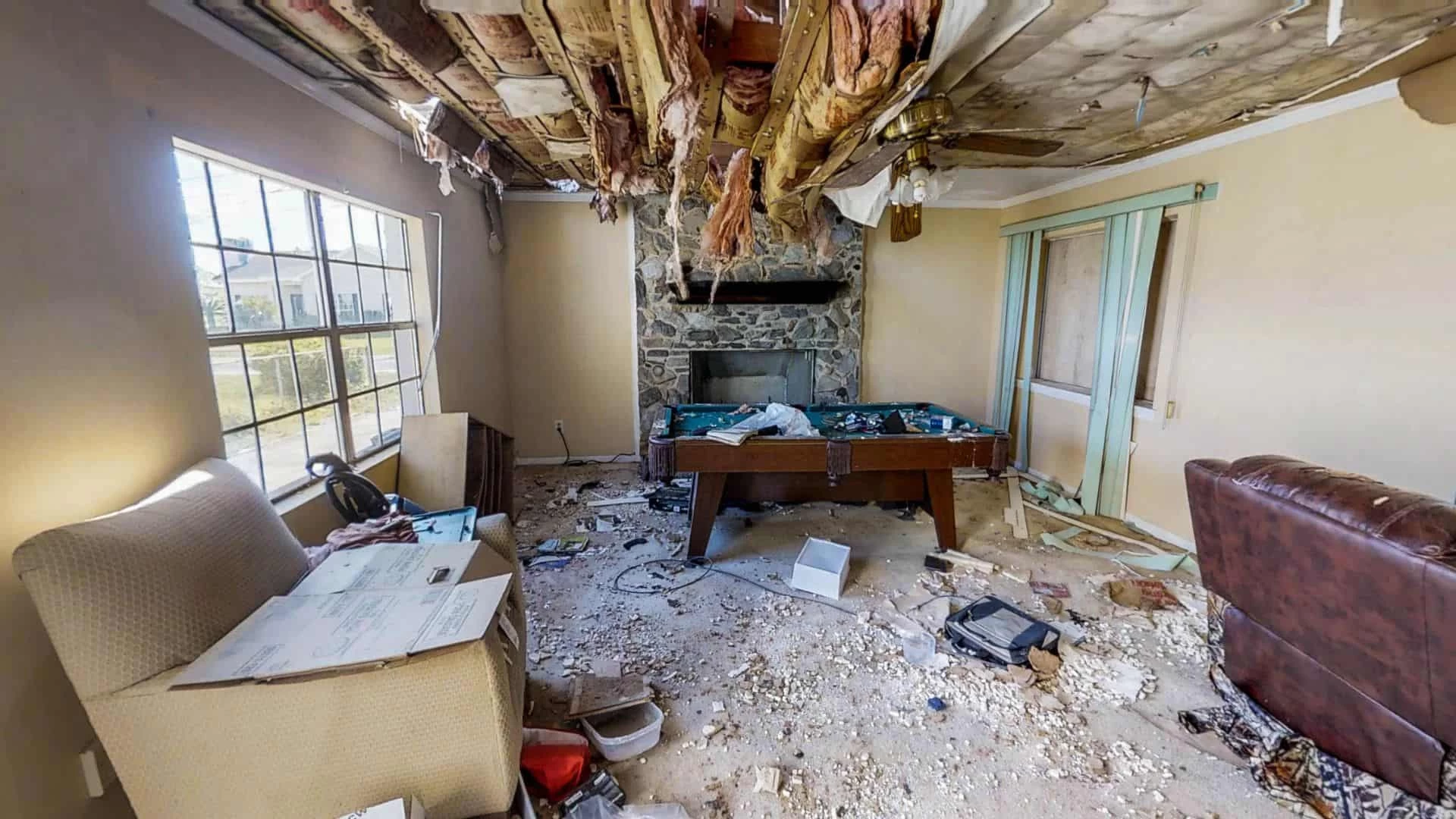
When water damage is handled the right way, you stop finding new problems weeks later. No musty smell creeping back. No soft spots under the floor. No mystery stains reappearing on the ceiling. That’s what a complete job looks like and it’s a different experience than what most restoration calls end with.
Cold Spring Harbor’s older housing stock changes the equation. A significant portion of homes here were built before 1950, which means water damage rarely stops at the surface. When saturated walls need to come down or flooring has to be pulled, there’s a real chance you’re dealing with asbestos-containing materials or lead paint underneath. A company that can only dry things out has to stop right there and hand you off to someone else. That gap costs time, and time is exactly what you don’t have when mold can start forming within 24 to 48 hours.
The harbor itself adds another layer. The ambient humidity along Cold Spring Harbor’s tidal inlet runs higher than most inland Long Island towns, especially in warmer months. That accelerates everything. Getting the moisture out fast and verifying it with actual readings, not guesswork is what separates a job that holds from one that quietly fails behind your walls.
Water Restoration Company Serving Cold Spring Harbor
One Call Covers the Whole Job, Start to Finish
We’re a Long Island environmental and restoration company not a franchise, not a national call center. When you call us about water damage in Cold Spring Harbor, you reach people who actually work here, know this area, and show up accountable for the result.
What makes the difference in a place like Cold Spring Harbor is scope. Most restoration companies handle water and stop. We handle water damage, mold remediation, asbestos abatement, lead paint removal, and air quality testing all in-house. For homes along Route 25A and the wooded hillsides above the harbor, where pre-war construction is common and older infrastructure is the norm, that full-service capability isn’t a bonus. It’s what makes a complete restoration possible.
There are no handoffs to outside contractors, no delays while you wait for a separate crew to come in and clear the asbestos before the drywall can go back up. The whole process moves as one, under one company, with one point of contact throughout.
Water Damage Restoration Process, Cold Spring Harbor
From the First Call to the Final Walkthrough Here's What Happens
It starts with a call any time, day or night. We run 24/7 emergency response because burst pipes and basement floods don’t schedule themselves. January cold snaps hit Cold Spring Harbor hard, and the older plumbing in many homes here galvanized steel, aging cast iron doesn’t always survive them. When that call comes at 2am, a real crew gets dispatched, not a voicemail.
On arrival, the first step is a full assessment using professional moisture meters and thermal imaging cameras. This matters because water in an older home travels in ways you can’t see through plaster walls, under original hardwood floors, into wall cavities that look dry from the outside. The assessment maps all of it before anything is touched. From there, extraction and structural drying begin using industrial-grade equipment, and the timeline is tracked against actual moisture readings, not guesswork.
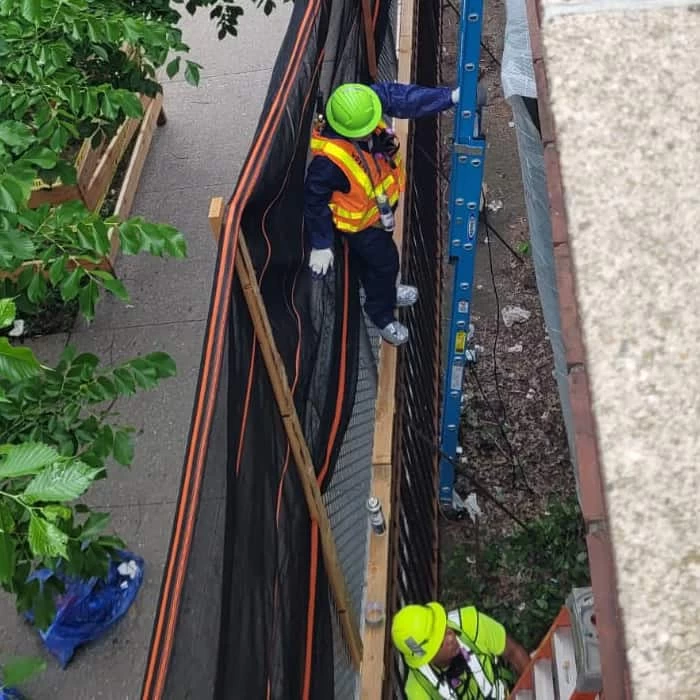
If the damage involves materials that require licensed handling asbestos floor tiles, lead paint on disturbed drywall that work happens in sequence, in-house, without stopping the clock to find another contractor. Once the structure is clean and dry, restoration brings the space back: drywall, flooring, paint, and a final inspection with documentation. In Cold Spring Harbor, where the Town of Huntington’s building permit requirements apply to structural work, the process is handled with those regulations already accounted for.
Water Damage Restoration Services, Cold Spring Harbor, NY
The Full Scope, Not Just the Surface Work
Our water damage restoration covers the complete range emergency water extraction, structural drying, moisture mapping, mold remediation, and full reconstruction. But in Cold Spring Harbor, the service goes further than most, because the homes here require it.
With over a quarter of the hamlet’s housing stock predating 1950, restoration work frequently uncovers asbestos-containing materials: floor tiles, pipe insulation, joint compound, ceiling materials. It also means lead paint is a real possibility on any wall that gets opened up. We hold the New York State Department of Labor asbestos licensing and EPA Renovation, Repair and Painting certification required to handle these materials legally and safely. That’s not something most water damage companies can say. It means the job doesn’t stop mid-project waiting for a separate abatement crew to come in everything moves forward under one licensed team.
Mold remediation is part of the same process when conditions call for it. Given the persistent harbor humidity that comes with living in this part of the North Shore, mold risk after a water event is higher here than in drier, inland communities. Air quality testing is also available to verify the environment is clean before the space is handed back. Every job is documented thoroughly moisture readings, photos, scope of work which matters when you’re working through a homeowner’s insurance claim on a property worth close to two million dollars.
How quickly does mold start growing after water damage in Cold Spring Harbor homes?
Mold can begin forming within 24 to 48 hours of a water event and in Cold Spring Harbor, that window is compressed by the ambient humidity that comes with living near the harbor. The tidal inlet creates a persistently moist microclimate, particularly in summer, that gives mold exactly the conditions it needs to establish quickly behind walls and under floors.
This is why the first response matters so much. Getting extraction and drying equipment running fast not the next business day, but within hours is the difference between a water damage job and a water damage plus mold remediation job. The two aren’t the same in terms of cost, scope, or how long your home is affected. If there’s any delay, or if the drying is done with consumer-grade equipment that doesn’t reach structural saturation, mold can establish itself in places you won’t find for months. By then, what started as a manageable event has become a much larger problem.
Does homeowners insurance typically cover water damage restoration in Cold Spring Harbor, NY?
Most standard homeowners insurance policies cover sudden and accidental water damage a burst pipe, an appliance failure, a roof leak from a storm. What they typically don’t cover is gradual damage that developed over time, like a slow leak that went unnoticed for months, or flooding from groundwater or storm surge, which usually requires separate flood insurance.
For Cold Spring Harbor homeowners, this distinction matters. Properties near the harbor or on lower lots with high groundwater exposure remember, the town is literally named for the natural springs that flow through the area may face water intrusion scenarios that fall into a gray area between covered and uncovered. We document everything from the first day: photos, moisture readings, a full scope of damage. That documentation is what gives your adjuster what they need to process the claim correctly and ensures you’re not leaving covered damage on the table. Having that record also protects you if questions come up later about pre-existing conditions versus storm-related damage.
My Cold Spring Harbor home was built in the 1950s does that affect the restoration process?
It does, and it’s worth understanding before work begins. Homes built in the 1950s and earlier, which describes a significant portion of Cold Spring Harbor’s housing stock commonly contain asbestos in floor tiles, pipe insulation, ceiling materials, and joint compound. Lead-based paint is also likely on walls, trim, and window frames in any home built before 1978.
When water damage requires opening walls, pulling flooring, or disturbing any of these materials, New York State law requires licensed handling. A restoration company without that licensing has to stop the job and bring in a separate abatement contractor which means delays, gaps in the work, and more time for mold to spread while you wait. We hold the NYSDOL asbestos licensing and EPA RRP certification to handle these materials in-house. The restoration process doesn’t pause. It continues in the right sequence, with the right credentials, so the job gets done completely rather than handed off mid-project.
What's the difference between water mitigation and full water damage restoration?
Mitigation is the emergency phase stopping the damage from getting worse. That means extracting standing water, removing saturated materials that can’t be saved, and getting drying equipment running to pull moisture out of the structure. It’s essential, but it’s not the whole job.
Restoration is what comes after: repairing or replacing the drywall that came down, putting the flooring back, repainting, and returning the space to the condition it was in before the event. Some companies only offer mitigation and leave you to find a contractor for the rebuild. We handle both sides of the process. For Cold Spring Harbor homeowners dealing with a finished basement or a well-maintained historic home, that continuity matters. You’re not managing two separate vendors, two separate timelines, and two separate invoices. The job moves from emergency response to full recovery under one company, with one point of contact.
How do you know if water damage is fully dry, or just dry on the surface?
Surface drying and structural drying are two very different things. A floor can feel dry to the touch while the subfloor underneath is still holding significant moisture. A wall can show no visible staining while the insulation inside is saturated. This is where consumer-grade fans and hardware store dehumidifiers fall short they address what’s on the surface, not what’s inside the structure.
We use professional moisture meters and thermal imaging cameras to measure what’s actually happening inside walls, under floors, and in cavities that aren’t visible. Thermal imaging shows temperature differentials that indicate moisture presence even where there’s no visible sign of damage. Readings are taken throughout the drying process and documented, so there’s a clear record of when the structure reached acceptable moisture levels not just when it looked dry. In an older Cold Spring Harbor home with plaster walls and original hardwood floors, this matters. Those materials hold moisture differently than modern drywall, and they need to be monitored accordingly.
How do I choose between water damage restoration companies serving Cold Spring Harbor?
The most important questions to ask are about licensing, scope, and local presence. For a Cold Spring Harbor home, you want a company that holds New York State asbestos abatement licensing and EPA RRP certification not just because it’s legally required when those materials are disturbed, but because it tells you the company is equipped to handle what’s actually inside older homes here, not just the water itself.
Scope matters because water damage in this area rarely stops at drying. Mold risk is elevated near the harbor, older homes complicate structural work, and a complete job often involves more than one trade. A company that handles water, mold, asbestos, and reconstruction in-house moves faster and creates fewer gaps than one that subcontracts or stops partway through. Local presence matters in a community this size Cold Spring Harbor is a small hamlet where reputation is everything, and a company with real roots on Long Island is accountable in a way that a national franchise rotating crews through the area simply isn’t. Ask for credentials, ask what happens if asbestos is found, and ask who your point of contact will be throughout the job.