When Your Basement Floods at Midnight, You Need Someone Local
East Farmingdale’s older homes and clay-heavy soils make water damage a when, not an if. We respond fast and handle everything from water extraction to mold prevention under one roof.
I needed a professional consultation explanation of procedure for safe removal of Asbestos in my apartment complex. Without having an account yet, I was very impressed with the caring, knowledgeable and generous advice offered by Jessica, and will look forward to doing business in the future. Thank you so much! I feel much more informed about a sometimes scary endeavor. Peace. Nancy Silva Mineola, NY.
Mia Munoz
Used this company to clean up some water flood in my house. They were fast and easy to work with.very professional, Would recommend to anyone!
Nini Valle
Great company, had a flood and they responded quickly and efficiently. Billed my insurance company directly. I highly recommend this company!
joe colapietro, jr
I had pipe freeze in my basement right before a snow storm and they made to within an hour to help start the clean up process. They we by our side throughout the entire process and even helped with the insurance company. They did such a great job with the cleanup, repair, remidiation, I contracted them to perform the repairs and finishes in the basement. They came with enough manpower and material to get the job done. Leo and Jessica were nothing but a pleasure to deal with!!
Cristian Arredondo c
I had some water damage in my home and Green Island was able to take care of my issue quickly and effectively. I am very pleased with the work they did. They responded quickly and were very professional.
Michael M
Outstanding service! From the office to the field crew everyone was friendly, helpful and responsive. I highly recommend Green Island Group.
When water gets into your home, the clock starts immediately. Mold can begin growing on saturated drywall, wood framing, and insulation within 24 to 48 hours and in East Farmingdale’s humid summer months, that window feels even shorter. Getting the right team in fast is the difference between a manageable extraction job and a remediation project that costs three to five times more.
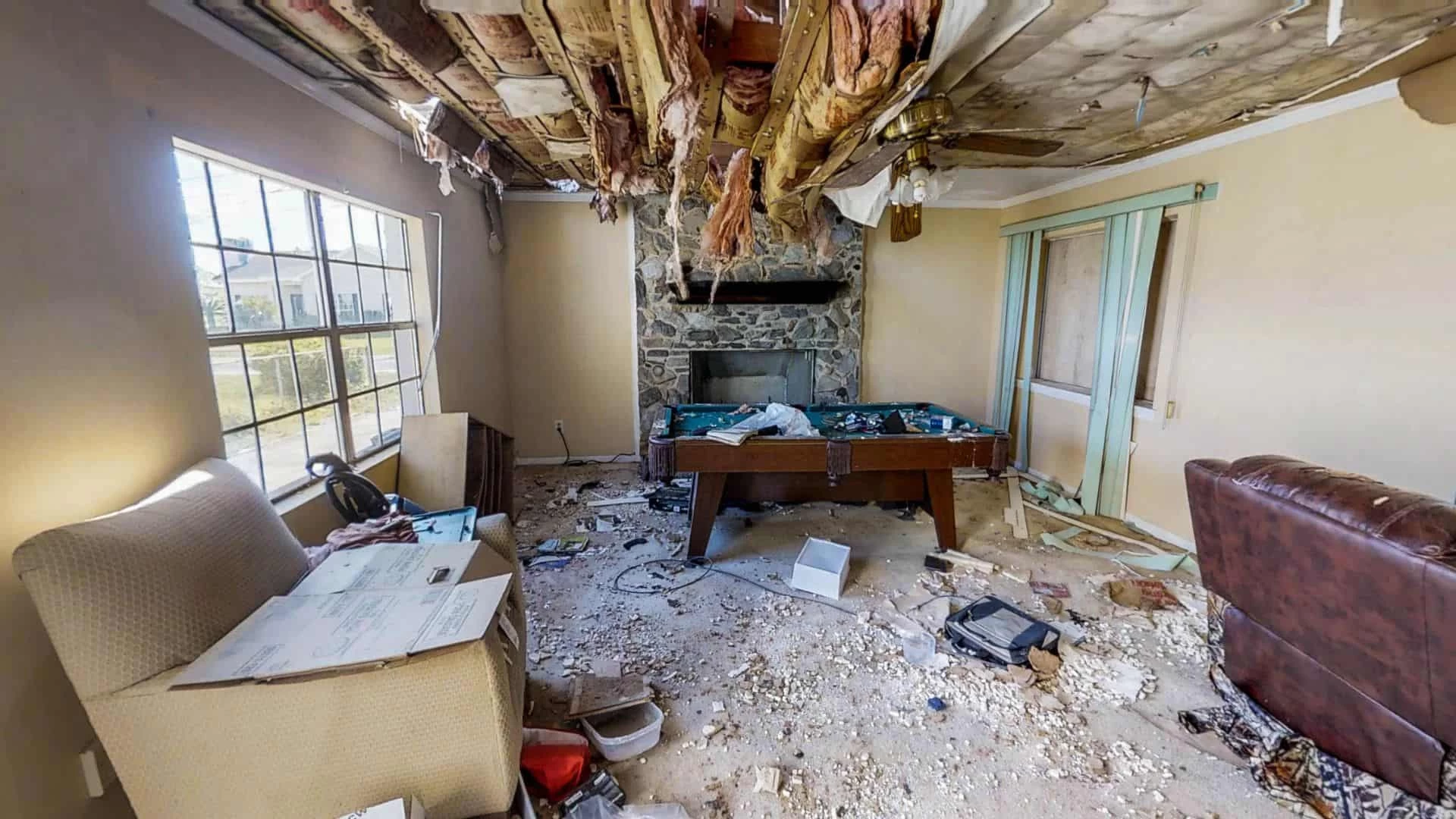
Most of East Farmingdale’s housing stock was built between the 1950s and 1970s Cape Cods, colonials, hi-ranches, and ranch-style homes that were constructed with galvanized plumbing that is now well past its intended lifespan. When those pipes fail, water doesn’t just sit on the floor. It wicks into subfloors, travels behind walls, and soaks into the framing of finished lower levels before you’ve even had a chance to call anyone. That’s the reality of water damage in this neighborhood, and it’s why surface-level drying isn’t enough.
What you actually get at the end of this process is a home that’s been fully dried, moisture-mapped, and cleared not just one that looks dry. You get documentation our insurance company can use, a clear explanation of what was found and what was done, and the confidence that nothing was left behind the walls to become a problem six months from now.
Local Water Restoration Companies in East Farmingdale
One Call Covers Water, Mold, Asbestos, and More
We’re a Long Island-based environmental and property restoration company not a national franchise, not a call center routing your job to a subcontractor. When you call, you reach a local team that knows the difference between a hi-ranch lower level in East Farmingdale and a finished basement in Melville, and why that distinction matters when water gets in.
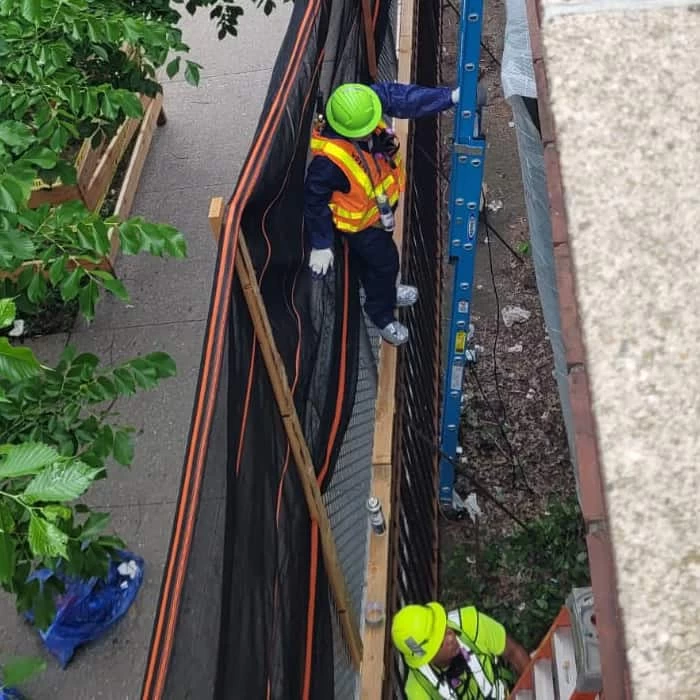
What sets us apart from most restoration operators is the scope of what we handle in-house. Water damage in a pre-1980 home which describes a large share of the housing stock near Wellwood Avenue and throughout the Town of Babylon can uncover asbestos in floor tiles, pipe insulation, or joint compound the moment demo begins. We’re licensed for asbestos testing and abatement under New York State Department of Labor requirements, and certified for lead paint work in pre-1978 homes. That means the job doesn’t stop when the water is gone it continues until the property is fully safe.
No second contractor. No project delays waiting on someone else to mobilize. One team, one timeline, one point of contact from the first call to the final inspection.
Water Damage Restoration Service East Farmingdale NY
What Happens From Your First Call to the Final Walkthrough
The first thing that happens when you call is a real conversation not a form submission, not a callback queue. Someone walks you through what you’re dealing with, asks the right questions, and gets a crew moving toward East Farmingdale. Response time matters here, especially during spring when the water table rises after heavy rain and sump pumps are working overtime across the hamlet, or in winter when a hard freeze can split a galvanized pipe in an older home without any warning.
When our team arrives, the first step is a full assessment not just what’s visible, but what the moisture meters and thermal imaging cameras are showing inside the walls, under the subfloor, and in the ceiling cavities. This is where a lot of companies cut corners. Drying what you can see without mapping what you can’t leaves hidden moisture that becomes a mold problem weeks later. Every area of saturation gets documented before any equipment goes down.
From there, commercial-grade extraction equipment removes standing water, and industrial drying systems are positioned based on the specific layout of your home. In a finished hi-ranch lower level, that setup looks different than it does in an unfinished utility basement and we adjust accordingly. If the scope of work requires structural repairs, we coordinate with Town of Babylon permitting requirements so nothing gets done out of order. When drying is complete, a final moisture verification confirms that everything is back within normal range before the job is closed.
Water Restoration Service near East Farmingdale NY
Built for Long Island's Older Homes, Not Generic Restoration Jobs
Water damage restoration in East Farmingdale isn’t a one-size-fits-all job. The homes here have specific vulnerabilities aging plumbing, block foundation walls that absorb hydrostatic pressure, finished lower levels in hi-ranch designs that take on water fast during a sump pump failure and the restoration process has to account for all of it. Our approach covers full water extraction, structural drying, moisture mapping, content assessment, and post-drying verification as standard parts of every job.
Because so much of the housing stock in this area predates 1980, asbestos and lead paint are active considerations on any job that involves opening walls or removing flooring. We handle both in-house under the required New York State and EPA certifications, which means you’re not waiting on a separate abatement contractor before restoration can begin. That matters when every day of delay increases the mold risk inside your home.
Insurance coordination is also part of our process. We work directly with all major carriers, document the damage in the format adjusters need, and handle the billing communication so you’re not stuck in the middle trying to translate between a restoration crew and an insurance company. Whether it’s a burst pipe in a 1965 colonial near the Route 110 corridor or a flooded finished basement off Conklin Street, the goal is the same: your property restored to its pre-loss condition, fully documented, and cleared for safe occupancy.
Does homeowner's insurance cover water damage from a burst pipe in East Farmingdale?
In most cases, yes but the details matter. Standard homeowner’s insurance policies in New York typically cover sudden and accidental water damage, which includes burst pipes, appliance failures, and sudden roof leaks. What they generally do not cover is gradual damage a slow leak behind a wall that’s been dripping for months, or water intrusion from long-term foundation issues. The distinction between “sudden” and “gradual” is where a lot of claims get disputed, and it’s one of the first things an adjuster will look at.
For East Farmingdale homeowners dealing with a sump pump failure, there’s an additional wrinkle: standard policies typically exclude flooding caused by sump pump overflow unless you have a specific water backup rider on your policy. Given how common sump pump failures are in this part of Suffolk County where the clay-heavy soils raise groundwater levels quickly after heavy rain it’s worth reviewing your policy before you need to file. We document damage thoroughly from the moment we arrive, which gives you the strongest possible foundation for a successful claim regardless of which carrier you’re working with.
How quickly does mold start growing after water damage in my home?
The IICRC S500 Standard the technical benchmark for professional water damage restoration documents that mold can begin colonizing saturated porous materials within 24 to 48 hours of initial water exposure. That includes drywall, wood framing, carpet padding, and insulation. In East Farmingdale’s warmer months, when indoor humidity is already elevated, that window can feel even tighter.
The part that catches most homeowners off guard is that mold doesn’t start where the water is visible it starts where the moisture has traveled and no air is moving. Inside wall cavities, under subfloor sheathing, behind baseboards, inside ceiling assemblies. By the time you see a stain or smell something musty, the mold has typically been growing for days or weeks. This is exactly why moisture mapping with professional equipment matters more than just extracting the standing water. Getting the full picture of where moisture has migrated and drying all of it, not just the surface is what actually stops the mold clock.
What should I do first if my basement floods in East Farmingdale?
The first thing to do is make sure it’s safe to enter. If there’s any chance the water has reached an electrical outlet, panel, or appliance, don’t go in until the power to that area is shut off. Standing water and live electricity is the most dangerous combination in a flooded basement, and it’s not worth the risk.
Once it’s safe, call a restoration company before you start trying to clean it up yourself. The instinct to grab a wet vac and start pulling water out is understandable, but consumer-grade equipment doesn’t come close to the extraction rate of commercial units, and more importantly, it doesn’t address the moisture that’s already inside your walls and under your floor. In an East Farmingdale hi-ranch or finished basement, that hidden moisture is where the real damage happens. Document everything with photos before anything is moved or touched your insurance claim will be stronger for it. Then let a professional team handle the extraction, drying, and moisture mapping so the job is done completely, not just visibly.
Does water damage restoration in older East Farmingdale homes involve asbestos concerns?
It can, and it’s something every homeowner in this area should be aware of before any restoration work begins. Homes built before the mid-1980s which covers a large portion of East Farmingdale’s housing stock may contain asbestos in floor tiles, pipe insulation, joint compound, ceiling tiles, and attic insulation. Asbestos-containing materials are generally safe when left undisturbed, but the moment a restoration crew starts tearing out wet drywall, pulling up saturated flooring, or removing damaged ceiling material, those materials can become a hazard.
In New York State, asbestos handling and abatement requires specific licensing from the New York State Department of Labor this is a legal requirement, not a voluntary credential. We hold that licensing, which means we can test for asbestos before demolition begins, handle abatement safely and legally if it’s present, and continue straight into the restoration work without stopping to wait for a separate contractor. For East Farmingdale homeowners with older properties, this matters both for safety and for timeline. You don’t want to be three days into a water damage job before anyone realizes there’s asbestos in the floor tiles that need to come up.
How long does the water damage restoration process typically take?
The honest answer is that it depends on how much water got in, how long it sat before extraction started, and what materials were affected. A straightforward water extraction in an unfinished basement where the sump pump failed overnight might be fully dried and cleared within three to five days. A finished lower level in a hi-ranch where water sat for 24 hours or more before anyone noticed saturating drywall, carpet, and subfloor is a longer job, often running seven to ten days for the drying phase alone, before any structural repairs begin.
The single biggest factor in timeline is how quickly the process starts. Every hour of delay after water intrusion increases the depth of saturation in porous materials and raises the risk of secondary mold growth, which adds remediation scope and time to the project. In East Farmingdale’s spring season, when groundwater is high and sump pump failures are most common, getting a crew on-site the same day isn’t just about convenience it’s what keeps a manageable job from becoming a significantly larger one. Our 24/7 emergency response exists specifically for that reason.
Can we handle both water damage and mold remediation in East Farmingdale?
Yes, and for most water damage jobs in East Farmingdale’s older housing stock, that combination is exactly what’s needed. Water damage and mold aren’t separate problems one leads directly to the other when drying is incomplete or delayed. Handling both under one company means there’s no gap in accountability, no waiting for a second team to assess what the first team left behind, and no disagreement between contractors about what caused what.
We perform full mold remediation in addition to water damage restoration, using containment, HEPA filtration, and post-remediation air quality testing to confirm that the affected area is clear before the space is reoccupied. In a community where a significant share of homes are occupied by families with young children East Farmingdale’s median age skews notably younger than most Long Island hamlets the health dimension of mold is a real concern for parents who want to know their home is actually safe, not just visually clean. Having one company that can take the job from initial water extraction through final air quality clearance means you get a complete answer, not a partial one.