When a 1960s Greenlawn Home Gets Hit, Drying Isn't Enough
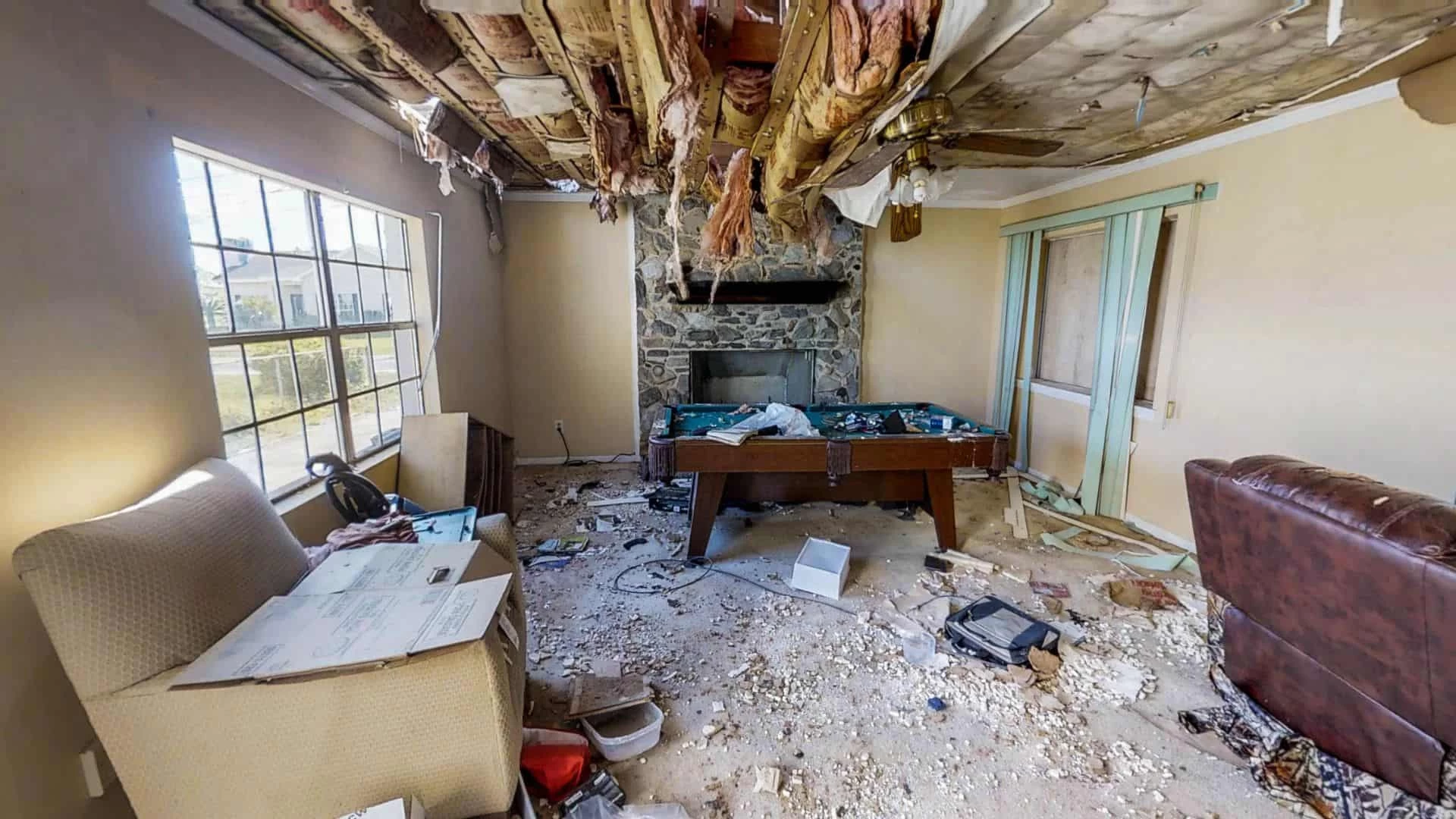
Most water damage restoration stops at surface dry. In Greenlawn, where the majority of homes were built before 1965, that’s where the real problems start hidden moisture, aging materials, and hazards behind the walls that a basic crew won’t catch. We handle the full picture.
I needed a professional consultation explanation of procedure for safe removal of Asbestos in my apartment complex. Without having an account yet, I was very impressed with the caring, knowledgeable and generous advice offered by Jessica, and will look forward to doing business in the future. Thank you so much! I feel much more informed about a sometimes scary endeavor. Peace. Nancy Silva Mineola, NY.
Mia Munoz
Used this company to clean up some water flood in my house. They were fast and easy to work with.very professional, Would recommend to anyone!
Nini Valle
Great company, had a flood and they responded quickly and efficiently. Billed my insurance company directly. I highly recommend this company!
joe colapietro, jr
I had pipe freeze in my basement right before a snow storm and they made to within an hour to help start the clean up process. They we by our side throughout the entire process and even helped with the insurance company. They did such a great job with the cleanup, repair, remidiation, I contracted them to perform the repairs and finishes in the basement. They came with enough manpower and material to get the job done. Leo and Jessica were nothing but a pleasure to deal with!!
Cristian Arredondo c
I had some water damage in my home and Green Island was able to take care of my issue quickly and effectively. I am very pleased with the work they did. They responded quickly and were very professional.
Michael M
Outstanding service! From the office to the field crew everyone was friendly, helpful and responsive. I highly recommend Green Island Group.
What Complete Restoration Actually Looks Like in Greenlawn
When water damage is handled properly, you stop worrying. The walls are dry not surface dry, structurally dry. There’s no mold forming behind the drywall, no moisture sitting under the subfloor, and no disclosure problem waiting for you when it’s time to sell. That’s the outcome worth paying for.
Greenlawn’s housing stock makes this more complicated than it sounds. The median home here was built in 1963, which means most of these houses have original plumbing that’s now over 60 years old, waterproofing that gave out years ago, and building materials pipe insulation, floor tiles, ceiling tiles that commonly contain asbestos. When water gets into a home like that and someone just pulls out the moisture and leaves, they’ve missed the job. You need someone who understands what’s actually inside these walls before the first one comes down.
The other thing Greenlawn homeowners deal with is the season. Long Island’s North Shore winters are hard on older homes. Nor’easters, freeze-thaw cycles, and uninsulated crawl spaces in post-war construction are a reliable recipe for burst pipes. Spring snowmelt pushes water into basements. Sump pumps fail during power outages. When it happens, the clock starts immediately mold can begin colonizing within 24 to 48 hours. A fast, complete response isn’t just convenient. In a market where home values regularly exceed $700,000, it’s the difference between a manageable repair and a much larger problem.
Local Accountability, Not a Franchise on the Other End of an 800 Number
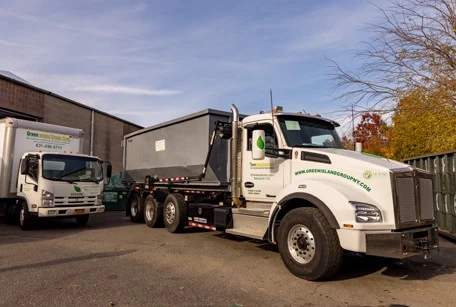
We’re a Long Island-based environmental and restoration company not a national franchise routing calls through a dispatch center. When you call 631-256-5711, you reach a local team that operates throughout the Town of Huntington and knows Greenlawn and the surrounding North Shore the way a local company should.
That matters in Greenlawn specifically. The homes here are older, the materials are more complex, and the regulatory requirements Town of Huntington building permits, NYS asbestos licensing, EPA lead paint rules for pre-1978 construction add layers that a generic restoration crew isn’t equipped to handle. We bring water damage, mold remediation, asbestos testing and abatement, and lead paint services under one roof. You don’t have to coordinate three contractors while your home is still wet.
Our reviews reflect that. Customers consistently name specific staff members and describe a team that treats the job seriously not a crew that shows up, pulls the moisture, and disappears. That’s the standard we maintain, from the first call to the final walkthrough.
From the First Call to a Dry, Safe Home Here's Our Process
It starts with the call. We respond 24 hours a day, seven days a week, because water damage in Greenlawn doesn’t wait for business hours especially during a nor’easter or a late-night pipe failure in January. When you call, you reach someone who can dispatch immediately and give you real information about what to expect, not a script.
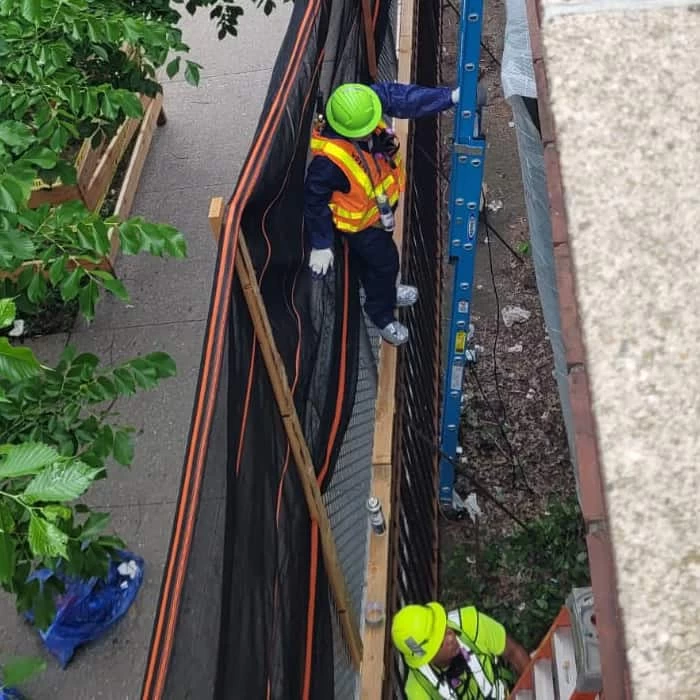
On arrival, the first step is a full assessment not just the visible damage, but what’s behind it. For homes in Greenlawn built before 1980, that assessment includes checking for asbestos-containing materials in any area where demolition or disturbance may be required. This isn’t optional. Under New York State law, asbestos abatement requires licensed contractors, and skipping that step creates serious liability. The same applies to lead paint in pre-1978 homes, which covers the majority of Greenlawn’s housing stock. We handle both in-house, so the assessment informs the full scope of work before anything is touched.
From there, it’s extraction, structural drying with professional-grade equipment, and post-drying verification using moisture meters and thermal imaging not a visual check. If mold is present or at risk of developing, that’s addressed as part of the same project. Structural repairs, drywall replacement, and full restoration back to pre-loss condition follow. Throughout the process, we work directly with your insurance company, handle documentation, and keep you informed at every step. The Town of Huntington permitting process is something we navigate regularly you won’t be left managing that on your own.
Every Hazard Accounted For, Every Layer of Damage Addressed
Water damage restoration in Greenlawn isn’t a one-size job. The age of the housing stock, the regulatory environment in Suffolk County, and the specific climate risks of the North Shore all shape what a complete restoration actually requires here. Our scope of service reflects that reality.
Emergency water extraction and structural drying are the foundation using industrial dehumidifiers, air movers, and moisture mapping to confirm the structure is genuinely dry, not just visually dry. But in a community where most homes were built during the era of asbestos and lead, that foundation has to sit on top of a proper hazardous materials assessment. We perform asbestos testing and abatement and lead paint testing and removal in-house, which means if your 1960s Greenlawn home has materials that need to be addressed before walls come down, that work happens as part of the same coordinated project not as a separate engagement with a separate contractor.
Mold remediation is included when needed, and post-remediation air quality testing confirms the space is safe before the job is considered complete. Fire and smoke restoration and sewage cleanup are also part of our capabilities for situations where water damage is part of a larger event. The end goal is always the same: your home returned to the condition it was in before the damage occurred, with documentation that supports your insurance claim and protects your investment in one of Long Island’s most established residential communities.
How quickly should I call after water damage in my Greenlawn home?
As fast as possible and that’s not an exaggeration. Mold can begin colonizing within 24 to 48 hours of water exposure according to IICRC standards. In a Greenlawn home with older construction and limited airflow in crawl spaces or finished basements, that window can feel even shorter. The longer moisture sits in walls, under floors, or in insulation, the more extensive and expensive the damage becomes.
Beyond mold, standing water in an older Greenlawn home creates immediate structural risk. Subfloors, framing, and original plaster in homes built in the 1950s and 1960s absorb water quickly and degrade fast. Calling immediately gives a restoration team the best chance to stop the damage before it compounds. We respond 24/7, so whether your pipe burst at 2am during a January nor’easter or your basement flooded on a Sunday afternoon, the response time is the same.
Does homeowners insurance cover water damage restoration in New York?
It depends on the source of the water. Most standard homeowners insurance policies in New York cover sudden and accidental water damage a burst pipe, an appliance failure, an ice dam that forces water through the roof. What they typically don’t cover is flooding from outside the home, which requires a separate flood insurance policy through the National Flood Insurance Program.
The claims process itself is where a lot of homeowners run into trouble. Insurers will send their own adjuster, and that adjuster’s job is to document the damage from the insurer’s perspective not yours. We work directly with insurance companies, handle the documentation, and advocate for a complete restoration scope rather than a minimum payout. In a market like Greenlawn where home values regularly exceed $700,000, getting the full scope of your claim approved matters. Don’t sign anything or agree to a scope of work before a restoration company you trust has reviewed the damage.
My Greenlawn home was built in the 1960s do I need asbestos testing before repairs?
If any part of the restoration requires opening walls, removing flooring, disturbing ceiling materials, or cutting into pipe insulation, then yes asbestos testing is strongly recommended and in many cases legally required before that work begins. Homes built before approximately 1980 commonly contain asbestos in floor tiles, ceiling tiles, pipe insulation, joint compound, and roofing materials. Greenlawn’s median construction year is 1963, which means the majority of homes in the hamlet fall squarely in that range.
Under New York State Labor Law and Industrial Code Rule 56, asbestos abatement must be performed by licensed contractors. A restoration crew that disturbs asbestos-containing materials without proper assessment and handling creates a serious health hazard and significant legal liability for everyone involved. We perform asbestos testing and abatement in-house, which means this step is built into the restoration process not an afterthought you have to chase down separately after the damage is already spreading.
How do I know if there's water damage hidden behind my walls?
The short answer is that you often can’t tell without the right equipment. Visible water stains, warped drywall, or buckled flooring are obvious signs, but moisture that has migrated into wall cavities, under subfloors, or into insulation frequently shows no visible signs at all at least not immediately. By the time you see discoloration or smell mold, the damage has usually been building for a while.
Professional restoration teams use moisture meters and thermal imaging cameras to map saturation that isn’t visible to the naked eye. Thermal imaging in particular can identify temperature differentials in walls and ceilings that indicate trapped moisture even in areas that look completely dry on the surface. This is especially relevant in Greenlawn’s older homes, where original plaster walls, dense insulation, and multi-layer flooring systems can mask moisture for weeks. We use this equipment as a standard part of every assessment, not as an upsell because finding all the moisture the first time is the only way to actually finish the job.
How long does water damage restoration typically take?
The drying phase alone typically takes three to five days for a standard water damage event and that’s with professional-grade dehumidifiers and air movers running continuously. The full restoration timeline, including structural repairs, drywall replacement, and finishing work, can range from one to several weeks depending on the extent of the damage and what’s discovered during the assessment.
In Greenlawn specifically, a few factors can affect that timeline. If asbestos testing reveals materials that need to be abated before demolition can begin, that adds steps but it’s the right call, and it’s far better than discovering the issue mid-project. Insurance documentation and adjuster coordination can also affect scheduling, particularly if the scope needs to be revised after the initial assessment reveals hidden damage. We keep you informed throughout so there are no surprises. The goal is always to move as efficiently as possible while doing the job completely not to rush through a job that ends up requiring a second visit.
What's the difference between water mitigation and full water damage restoration?
Water mitigation is the emergency phase stopping the source, extracting the water, and drying the structure to prevent further damage. It’s critical and it needs to happen fast, but it’s not the end of the job. Full water damage restoration picks up where mitigation leaves off: repairing or replacing damaged drywall, flooring, insulation, and structural elements, and returning the home to its pre-loss condition.
A lot of homeowners in Greenlawn don’t realize they’re only getting half the job until they’re left with a dried-out shell and a list of contractors to call for the rebuild. We handle both phases mitigation and full restoration under one project. That matters practically because it means one point of contact, one consistent assessment of the damage, and one team that understands the full scope from day one. For a home in an established Greenlawn neighborhood where the structure, the finishes, and the history of the property all have real value, that continuity makes a genuine difference in the final result.