When Water Enters a 1960s Cape Cod, It Doesn't Wait
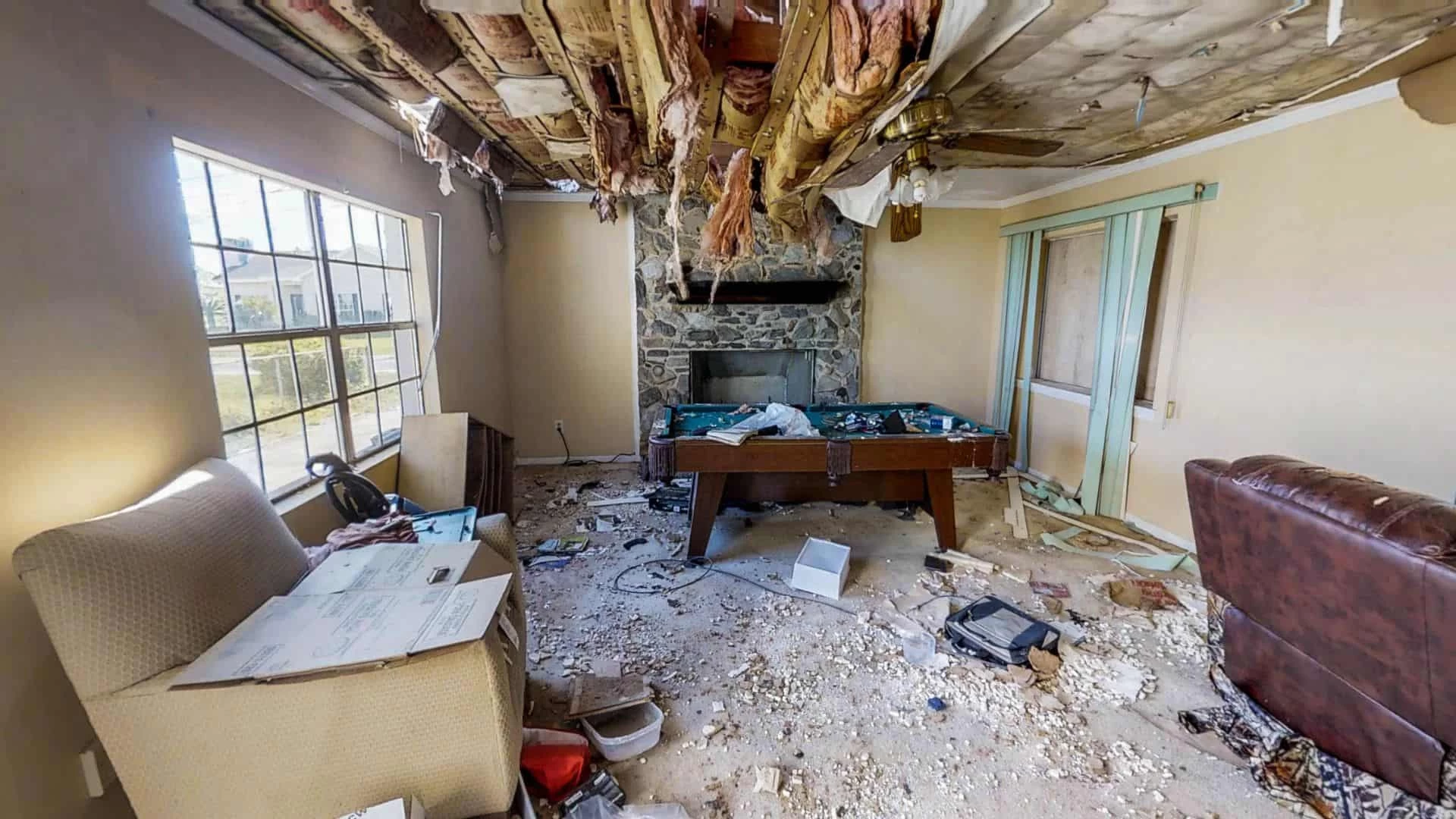
When water gets into a 1960s Cape Cod or split-level in Holbrook, it doesn’t just sit there it moves fast through plaster, wood lath, and insulation. We respond 24/7 with the equipment and licensing to handle everything your home throws at us. Most homeowners don’t realize how far the water has traveled before they notice it, and by then, the damage is already spreading behind walls you can’t see.
I needed a professional consultation explanation of procedure for safe removal of Asbestos in my apartment complex. Without having an account yet, I was very impressed with the caring, knowledgeable and generous advice offered by Jessica, and will look forward to doing business in the future. Thank you so much! I feel much more informed about a sometimes scary endeavor. Peace. Nancy Silva Mineola, NY.
Mia Munoz
Used this company to clean up some water flood in my house. They were fast and easy to work with.very professional, Would recommend to anyone!
Nini Valle
Great company, had a flood and they responded quickly and efficiently. Billed my insurance company directly. I highly recommend this company!
joe colapietro, jr
I had pipe freeze in my basement right before a snow storm and they made to within an hour to help start the clean up process. They we by our side throughout the entire process and even helped with the insurance company. They did such a great job with the cleanup, repair, remidiation, I contracted them to perform the repairs and finishes in the basement. They came with enough manpower and material to get the job done. Leo and Jessica were nothing but a pleasure to deal with!!
Cristian Arredondo c
I had some water damage in my home and Green Island was able to take care of my issue quickly and effectively. I am very pleased with the work they did. They responded quickly and were very professional.
Michael M
Outstanding service! From the office to the field crew everyone was friendly, helpful and responsive. I highly recommend Green Island Group.
Most homeowners who call us don’t realize how far the water traveled before they noticed it. A burst pipe in a finished basement or a slow roof leak from a nor’easter doesn’t just wet the surface it saturates the wall cavity, soaks the subfloor, and sits inside insulation where no fan can reach it. By the time you see the damage, the moisture has usually been moving for hours.
That’s the real problem with Holbrook’s housing stock. Homes built in the 1950s and 1960s along the corridors off Veterans Memorial Highway and Patchogue-Holbrook Road weren’t built with modern moisture barriers. They were built to last, and they have but aging galvanized pipes, original drywall, and wood framing don’t respond well to prolonged water exposure. The difference between a contained remediation and a full gut job often comes down to how fast the drying started.
When the job is done right, you get your home back not just dried out, but structurally sound, tested for moisture, and cleared for any secondary issues like mold or, in older Holbrook homes, disturbed asbestos materials. You also get documentation your insurance company will actually accept. That’s the outcome that matters.
One Call That Covers the Whole Job From Holbrook to Central Suffolk County
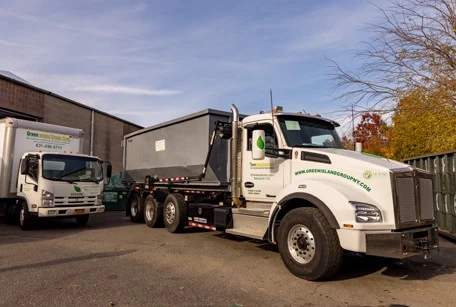
We’re a Long Island-based environmental and restoration company not a franchise, not a call center, not a crew dispatched from three counties away. When you call our 631 number at 2am during a January cold snap, you’re reaching someone who actually dispatches from Suffolk County and knows Holbrook’s neighborhoods.
What separates us from most water restoration companies in the Holbrook area isn’t just response time. It’s what we can legally handle once we’re inside your home. A significant portion of homes in Holbrook were built before 1978, which means water damage remediation sometimes uncovers asbestos floor tiles, pipe insulation, or lead paint in wall layers. Most water-only contractors stop the job when that happens. We’re licensed to handle asbestos abatement and lead paint work in-house, under the same roof, without adding weeks of delay or a second contractor to coordinate.
We’ve worked throughout central Suffolk County from Timber Ridge to the neighborhoods around Sachem schools and we know what these homes contain. That local knowledge isn’t a marketing line. It changes how we assess the job from the first hour.
When you call, the first thing we do is ask the right questions not to qualify you for a sales pitch, but to understand what we’re walking into. A sump pump failure during a spring thaw behaves differently than a burst pipe in an unheated garage in February, and the equipment we bring reflects that.
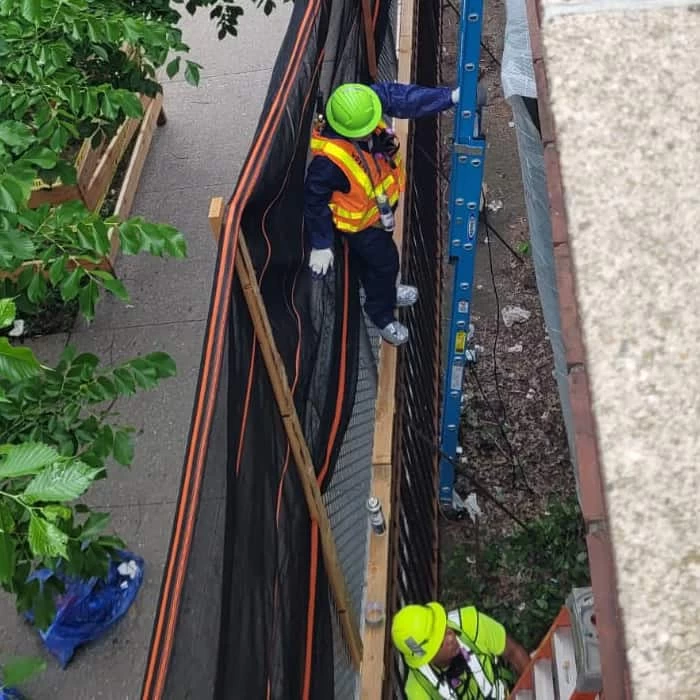
Once we’re on-site, we run a full moisture assessment before anything else. That includes thermal imaging and moisture metering inside wall assemblies, not just surface readings. In Holbrook’s older homes, water migrates through plaster and wood lath in ways that aren’t visible to the eye, and skipping this step is how jobs get missed. If we find anything that suggests asbestos-containing materials in the affected area which is a real possibility in pre-1978 construction we address it as part of the scope, not as a surprise add-on later.
From there, we set up commercial extraction and drying equipment sized to the actual job. We document everything as we go photos, moisture readings, scope notes in a format that supports your insurance claim. Holbrook properties in the Towns of Islip and Brookhaven may require building permits for structural repairs following remediation, and we’ll walk you through what applies to your specific property. When we clear the job, you’ll have documentation that shows the work was done to IICRC standards, which matters when your adjuster reviews the claim.
Water damage restoration isn’t one thing it’s a sequence of decisions that either contain the problem or let it grow. What we bring to a Holbrook job covers the full sequence: emergency water extraction, structural drying, moisture mapping, mold assessment, and where needed, asbestos or lead paint abatement handled in-house under New York State licensing.
For homes in Holbrook’s 11741 ZIP code particularly those built during the post-war buildout of the 1950s through early 1970s the scope of a water damage job often extends beyond what’s visible. Finished basements with original flooring, older pipe systems running through unheated spaces, and wall assemblies that haven’t been opened in decades can all complicate a job that looks simple on the surface. We account for that from the start, not after the walls are already open.
We also work directly with your insurance company. That means we handle the documentation, communicate with your adjuster, and bill directly where possible so you’re not caught between a contractor and an insurer trying to figure out what’s covered. New York State law requires licensed mold assessors and remediators for remediation projects above a certain threshold, and all of our mold work is performed in full compliance with Article 32 of the New York Labor Law. You won’t need to verify that separately it’s built into how we operate.
How quickly does mold start growing after water damage in my Holbrook home?
Mold can begin colonizing wet organic material within 24 to 48 hours of water exposure that’s the documented timeline from the IICRC S500 Standard, which is the industry’s governing protocol for water damage response. The reason this matters specifically in Holbrook is the age of the housing stock. Homes built in the 1950s and 1960s have wood framing, plaster walls, and original drywall that give mold abundant organic material to grow on once moisture gets inside the wall assembly.
Surface drying with a box fan doesn’t stop the clock. If the interior of the wall cavity stays wet which it often does after a pipe failure or basement flood mold growth can begin behind surfaces that look and feel dry to the touch. Professional moisture metering and thermal imaging are the only reliable way to confirm that the structure is actually dry, not just the surface. The sooner that process starts, the smaller the remediation scope tends to be.
Will my homeowner's insurance cover water damage restoration costs in New York?
It depends on the cause of the damage, and the distinction matters more than most homeowners realize. Standard homeowner’s insurance policies in New York typically cover sudden and accidental water damage a burst pipe, a washing machine supply line failure, an appliance leak. They generally do not cover gradual leaks that went unaddressed, sewer backups (unless you have a separate rider), or flooding from outside the home, which requires a separate flood insurance policy through the NFIP.
For Holbrook homeowners, the most common covered scenarios involve burst pipes during winter cold snaps, appliance failures, and storm-related roof or window intrusion. The documentation you submit to your insurer is critical adjusters work from photos, moisture readings, and scope notes, and a poorly documented claim is a common reason for underpayment. We handle that documentation as part of the job, communicate directly with your adjuster, and bill insurers directly where the policy allows. You focus on your home; we handle the paperwork side of the claim.
My basement flooded in Holbrook is that covered differently than other water damage?
Basement flooding is one of the trickier coverage questions in New York because the source of the water determines whether your policy responds. If your basement flooded because a pipe burst or your water heater failed, that’s typically covered under a standard homeowner’s policy as sudden and accidental damage. If it flooded because groundwater rose through the foundation or surface water came in through a window well during a heavy rain event, that’s generally classified as flooding and flood damage requires a separate NFIP flood insurance policy to be covered.
Holbrook’s relatively flat terrain and proximity to the Connetquot River watershed mean that after significant rain events, groundwater tables in parts of the community can rise enough to overwhelm sump systems. Sump pump failure itself the pump failing during a storm rather than groundwater intrusion directly may be covered if you have a water backup rider on your policy. It’s worth reviewing your policy before you need it. Either way, the extraction and drying process is the same regardless of coverage and we can help you document the source clearly so your claim is as strong as possible.
What should I do immediately after discovering water damage in my home?
The first priority is stopping the source if you can do it safely. If it’s a burst pipe, shut off the main water supply. If it’s an appliance, disconnect it. Don’t enter a basement with standing water if there’s any possibility of electrical contact water and live circuits are a serious hazard, and it’s worth waiting for a professional rather than risking it.
Once the source is controlled, call a restoration company before you start moving things or running fans. The reason is documentation your insurance claim is stronger when the initial condition is photographed and assessed by a professional before anything is disturbed. Consumer fans can also push moisture deeper into wall assemblies if they’re not positioned correctly, which can worsen the damage rather than reduce it. In Holbrook’s older homes especially, the impulse to “dry it out fast” with whatever’s available can complicate the remediation scope. A professional assessment in the first few hours is almost always worth more than a few hours of DIY drying.
Can water damage restoration uncover asbestos in a Holbrook home built before 1978?
Yes, and it’s more common than most homeowners expect. The majority of homes in Holbrook were built during the post-war suburban buildout of the 1950s through early 1970s, and construction materials from that era frequently included asbestos in floor tiles, pipe insulation, ceiling texture, and joint compound. When water damage remediation requires opening walls, removing flooring, or disturbing ceiling materials in these homes, there’s a genuine possibility of encountering asbestos-containing materials.
Under New York State Department of Labor regulations, asbestos abatement requires a licensed contractor. Most water damage companies are not licensed for this work which means they either stop the job when they find it or, worse, disturb it without the proper protocols. We hold the NYS DOL licensing required to legally identify and abate asbestos in-house, as part of the same job. That means no delays waiting for a separate abatement contractor, no coordination between two companies with different schedules, and no gap in the chain of responsibility. For a community with Holbrook’s housing age profile, this isn’t a niche capability it’s something that comes up regularly.
How do I choose a water damage restoration company in Holbrook, NY I can actually trust?
The most important things to verify are licensing, local presence, and scope of capability. In New York State, mold remediation above a certain project size requires a licensed mold remediator under Article 32 of the New York Labor Law ask any company you’re considering whether they hold that license before you hire them. If they do mold work without it, that’s a legal compliance issue that can create problems for you as the homeowner.
Local presence matters in Holbrook specifically because the housing stock here has characteristics that a generic restoration franchise may not be equipped for. Post-war construction with aging plumbing, potential asbestos-containing materials, and finished basements that have never been opened requires a company that understands what they’re likely to find not one that’s learning on your job. A company with a 631 area code that dispatches from Suffolk County will also respond faster than one routing calls through a national center. Beyond licensing and location, look at whether we offer direct insurance billing and adjuster communication because navigating a claim on top of a water emergency is genuinely difficult, and a company that handles that side of the process is providing real value, not just a convenience.