When Water Hits a 1960s Holtsville Home, Speed Matters
When water hits a home built in the 1960s or 70s the kind most of Holtsville is made of the damage moves fast and hides deep. We respond 24/7 with the equipment and credentials to stop it before it becomes something far worse.
I needed a professional consultation explanation of procedure for safe removal of Asbestos in my apartment complex. Without having an account yet, I was very impressed with the caring, knowledgeable and generous advice offered by Jessica, and will look forward to doing business in the future. Thank you so much! I feel much more informed about a sometimes scary endeavor. Peace. Nancy Silva Mineola, NY.
Mia Munoz
Used this company to clean up some water flood in my house. They were fast and easy to work with.very professional, Would recommend to anyone!
Nini Valle
Great company, had a flood and they responded quickly and efficiently. Billed my insurance company directly. I highly recommend this company!
joe colapietro, jr
I had pipe freeze in my basement right before a snow storm and they made to within an hour to help start the clean up process. They we by our side throughout the entire process and even helped with the insurance company. They did such a great job with the cleanup, repair, remidiation, I contracted them to perform the repairs and finishes in the basement. They came with enough manpower and material to get the job done. Leo and Jessica were nothing but a pleasure to deal with!!
Cristian Arredondo c
I had some water damage in my home and Green Island was able to take care of my issue quickly and effectively. I am very pleased with the work they did. They responded quickly and were very professional.
Michael M
Outstanding service! From the office to the field crew everyone was friendly, helpful and responsive. I highly recommend Green Island Group.
Most water damage jobs look finished before they are. The floor feels dry. The walls look fine. But inside the framing, behind the drywall, under the subfloor moisture is still sitting there. And in a Holtsville home where the basement is the first thing to flood and the last thing to fully dry, that hidden saturation is exactly where mold starts.
What you get from a real restoration isn’t just dry surfaces. It’s confirmation with moisture meters and thermal imaging that the structure itself is dry. It’s knowing that the framing behind your finished basement wall isn’t quietly growing something your family will breathe for the next six months.
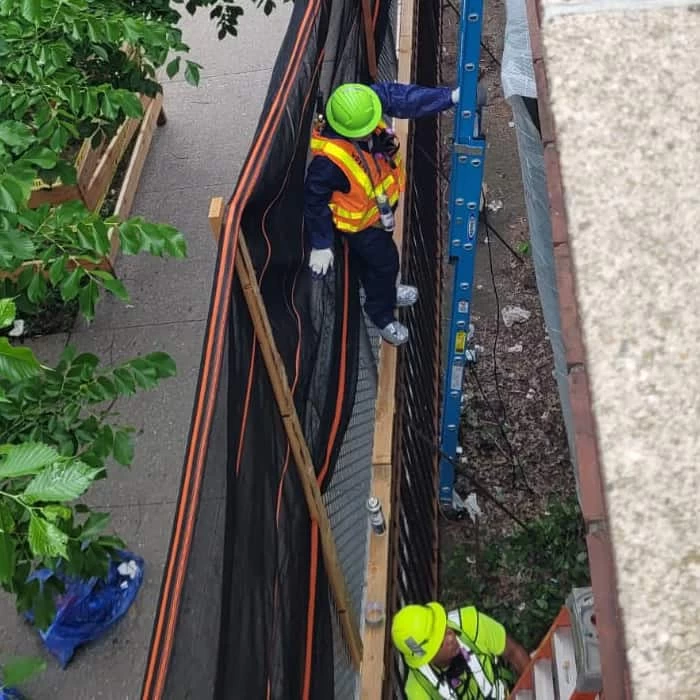
For homes in Holtsville built before 1980, there’s another layer to this. Water damage that requires opening walls or pulling flooring can disturb asbestos or lead paint materials common in our area’s housing stock. We handle testing and abatement in-house, so you’re not scrambling to coordinate a second company while your home sits open and exposed. One call, one team, full scope.
Local to Holtsville, Not a National Franchise Hotline
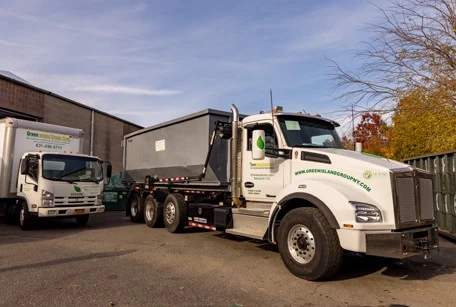
We’re a Long Island company with a 631 number not a national brand routing your call to a dispatch center three states away. We serve homeowners across Holtsville and central Suffolk County, and we’ve built our reputation on handling jobs completely, not just quickly.
What sets us apart isn’t a tagline. It’s the fact that we do water damage restoration, mold remediation, asbestos abatement, lead testing, and air quality assessment under one roof all with the New York State and EPA credentials required to do that work legally. For a community where most homes were built before 1978, that matters more than most homeowners realize until they’re already mid-job.
When you call us, someone picks up. When we show up, we stay until the job is done right.
From the First Call to a Dry, Safe Holtsville Home
When you reach out whether it’s 2 p.m. or 2 a.m. we start by understanding what happened and how long the water has been sitting. That timeline matters. According to IICRC standards, mold can begin colonizing within 24 to 48 hours of a water event. The faster we get there, the more of your home we can protect.
On arrival, we assess the full scope before we touch anything. That means moisture readings, thermal imaging to find saturation behind walls and under floors, and in older Holtsville homes a check for any hazardous materials that could be disturbed during the work. If your home falls under the Town of Brookhaven or Town of Islip jurisdiction (Holtsville sits across both), we handle the permitting requirements for structural repairs so that doesn’t fall on you.
From there, we extract standing water, deploy commercial-grade drying equipment, and monitor moisture levels until the structure not just the surface hits safe readings. If walls, flooring, or ceilings need to be repaired or replaced, we see that through too. You’re not handed off to a general contractor at the end. We finish what we start.
Water Damage Restoration Companies in Holtsville, NY
Everything Water Damage Uncovers, We Handle
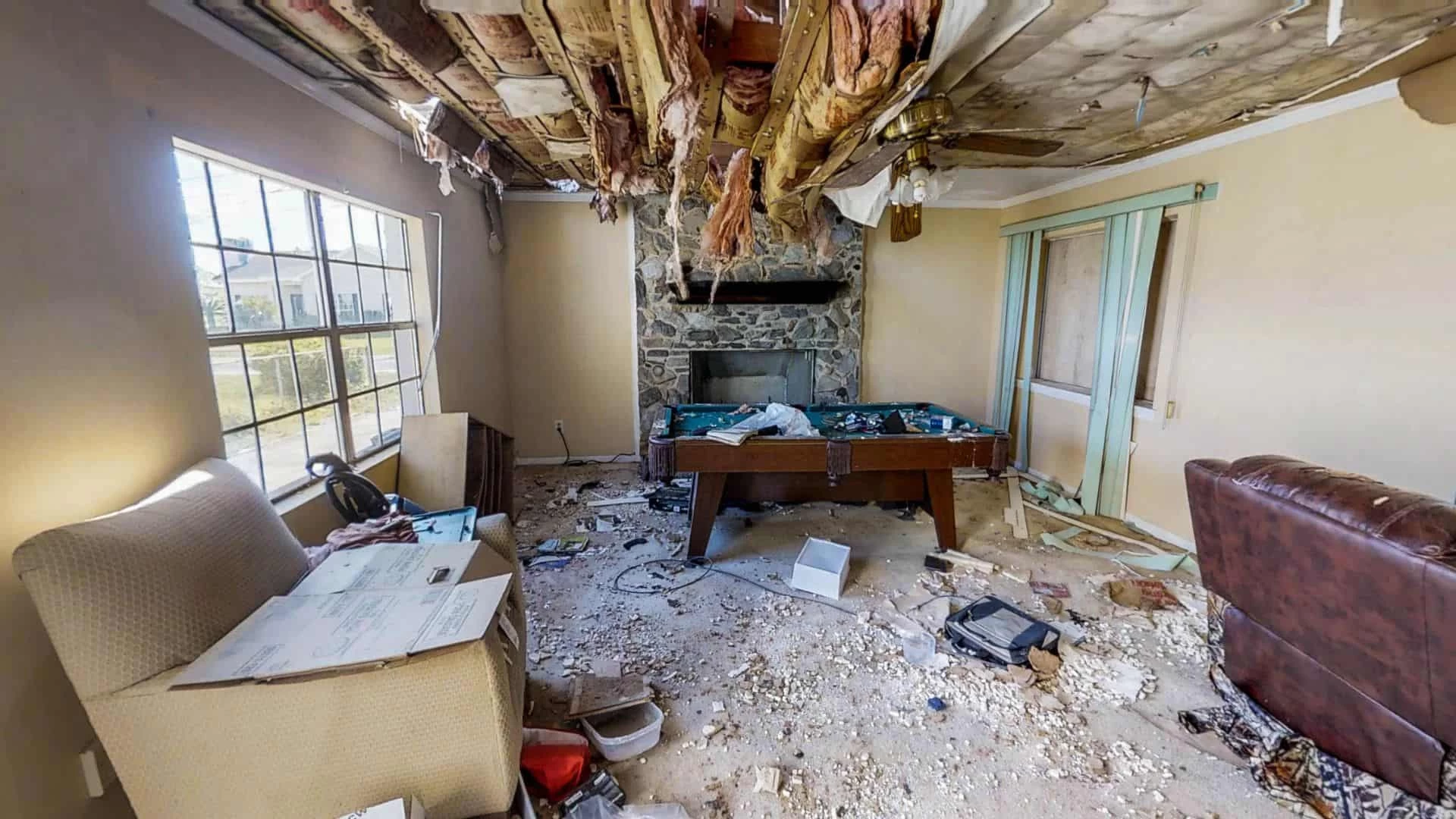
Water damage rarely stops at the water. Especially in a Holtsville home where the basement is the most vulnerable room, the pipes may be original, and the walls might be hiding materials that haven’t been touched since the Eisenhower administration one event can open up a much bigger picture than it first appears.
Our water damage restoration service covers extraction, structural drying, moisture verification, mold remediation, and full property restoration including drywall, flooring, and finish work. For homes built before 1980, we also provide in-house asbestos testing and abatement, lead paint testing and removal, and indoor air quality assessment. That’s not a list of upsells it’s the realistic scope of what water damage can require in a pre-1980 home, and having one company handle all of it prevents the gaps, delays, and liability issues that come from coordinating multiple contractors.
We also work directly with insurance carriers. We document the damage, communicate with your adjuster, and handle direct billing where applicable. For most Holtsville homeowners, insurance is covering a significant portion of the job and having a company that knows how to support your claim, not just complete your repair, is the difference between a smooth process and a frustrating one.
How quickly can a water damage company reach my home in Holtsville, NY?
Response time is one of the most important factors in a water damage situation not because it sounds urgent, but because it actually is. Mold can begin developing within 24 to 48 hours of water exposure, and every hour of delay increases the likelihood that your drywall, insulation, and framing are absorbing moisture that a dehumidifier won’t fully reach.
We operate 24/7 and serve Holtsville directly from our Suffolk County base. With access via the Long Island Expressway at Exit 62, we can reach central Holtsville efficiently day or night, weekday or weekend. When you call, you’re not leaving a message with a national call center. You’re reaching a local team that can give you a realistic arrival window and start the process immediately over the phone while we’re on our way.
Does water damage automatically lead to mold in a Holtsville home?
Not automatically but the window to prevent it is shorter than most people expect. The IICRC, which sets the professional standard for water damage restoration, identifies 24 to 48 hours as the critical period before mold colonization can begin. On Long Island, where humidity levels are already elevated compared to inland regions, that window can feel even tighter during warmer months.
The bigger risk in a Holtsville home specifically is hidden moisture. A basement that looks dry after water is extracted may still have saturated wall framing, wet insulation behind finished walls, or damp subfloor sheathing that consumer fans can’t reach. That’s where mold takes hold not on the visible surface, but inside the structure. Professional drying with commercial-grade equipment, combined with thermal imaging to locate hidden saturation, is what actually closes the mold risk. Surface dry is not the same as structurally dry.
My Holtsville home was built in the 1960s does that affect the restoration process?
Yes, and it’s worth knowing before work begins. Homes built before 1978 may contain lead paint, and homes built before 1980 commonly contain asbestos in floor tiles, pipe insulation, joint compound, and ceiling materials. In Holtsville, where a significant portion of the housing stock dates to the 1950s through 1970s, this is a realistic consideration for many water damage jobs not a rare edge case.
When water damage requires opening walls, pulling flooring, or disturbing original building materials, those hazardous materials can be released if they’re not properly identified and handled first. New York State requires licensed contractors for asbestos abatement, and EPA RRP rules apply to lead paint work in pre-1978 homes. We handle both in-house, which means you don’t need to pause the restoration, locate a separate abatement company, and wait for them to complete their work before ours can continue. It’s all handled by one team under one set of credentials.
Will my homeowners insurance cover water damage restoration in New York?
It depends on the cause, and the distinction matters. Most standard homeowners insurance policies in New York cover sudden and accidental water damage a burst pipe, an appliance failure, an ice dam that forces water through the roof. What they typically don’t cover is flooding from outside the home, which requires a separate flood insurance policy through FEMA’s National Flood Insurance Program.
For Holtsville homeowners, the most common covered scenarios are burst pipes, sump pump failures (if you carry the sump pump rider, which not all policies include by default), and appliance-related leaks. The key to a successful claim is documentation detailed photos, moisture readings, and a clear record of the damage scope before any work begins. We document everything from the moment we arrive and work directly with adjusters to support your claim. If you’re unsure what your policy covers, we can help you understand the scope of the damage and what a claim would typically include before you file.
What happens if my Holtsville basement floods during a nor'easter and the power goes out?
This is one of the most common water damage scenarios we see across central Suffolk County, and Holtsville is no exception. Post-war homes in this area were built with basements that depend almost entirely on sump pump systems to manage groundwater. When a nor’easter knocks out power which happens regularly on Long Island those pumps stop at exactly the moment they’re needed most. The result is rapid basement flooding that can saturate framing, insulation, and contents within a few hours.
The first thing to do is stop the source if possible and move valuables out of standing water. Do not use standard household extension cords or electrical equipment in a flooded space. Then call for emergency extraction. We carry commercial-grade pumps and extraction equipment that can remove water at a volume and speed no consumer unit can match. Once the water is out, the drying process begins and that’s where the real work is, because a flooded Holtsville basement that isn’t fully dried within the first 48 hours is a basement that will likely develop a mold problem.
How long does water damage restoration actually take for a typical Holtsville home?
The honest answer is that it depends on how much water, how long it sat, and what it touched. For a contained event a washing machine overflow on a first floor, for example the drying process alone typically takes three to five days using professional equipment, followed by any needed repairs. For a flooded basement in a Holtsville home with finished walls and a drop ceiling, you’re often looking at a week or more just for structural drying, before any reconstruction begins.
The age of the home adds a variable too. If testing reveals asbestos or lead in the materials that need to be removed, that work has to be completed before reconstruction can start and that’s a step that can’t be rushed under New York State regulations. The full timeline from emergency response to a restored, move-back-in-ready space can range from one week to three or four weeks depending on scope. What we can tell you is that we don’t cut the drying phase short to move faster. Ending the job before the structure is genuinely dry is how water damage comes back and in a home worth $600,000 or more, that’s not a shortcut worth taking.