Most homes in Islip Terrace were built 50 to 70 years ago and the plumbing inside them wasn’t built to last forever. When something fails, we’re the local water damage restoration team that shows up fast and handles everything.
I needed a professional consultation explanation of procedure for safe removal of Asbestos in my apartment complex. Without having an account yet, I was very impressed with the caring, knowledgeable and generous advice offered by Jessica, and will look forward to doing business in the future. Thank you so much! I feel much more informed about a sometimes scary endeavor. Peace. Nancy Silva Mineola, NY.
Mia Munoz
Used this company to clean up some water flood in my house. They were fast and easy to work with.very professional, Would recommend to anyone!
Nini Valle
Great company, had a flood and they responded quickly and efficiently. Billed my insurance company directly. I highly recommend this company!
joe colapietro, jr
I had pipe freeze in my basement right before a snow storm and they made to within an hour to help start the clean up process. They we by our side throughout the entire process and even helped with the insurance company. They did such a great job with the cleanup, repair, remidiation, I contracted them to perform the repairs and finishes in the basement. They came with enough manpower and material to get the job done. Leo and Jessica were nothing but a pleasure to deal with!!
Cristian Arredondo c
I had some water damage in my home and Green Island was able to take care of my issue quickly and effectively. I am very pleased with the work they did. They responded quickly and were very professional.
Michael M
Outstanding service! From the office to the field crew everyone was friendly, helpful and responsive. I highly recommend Green Island Group.
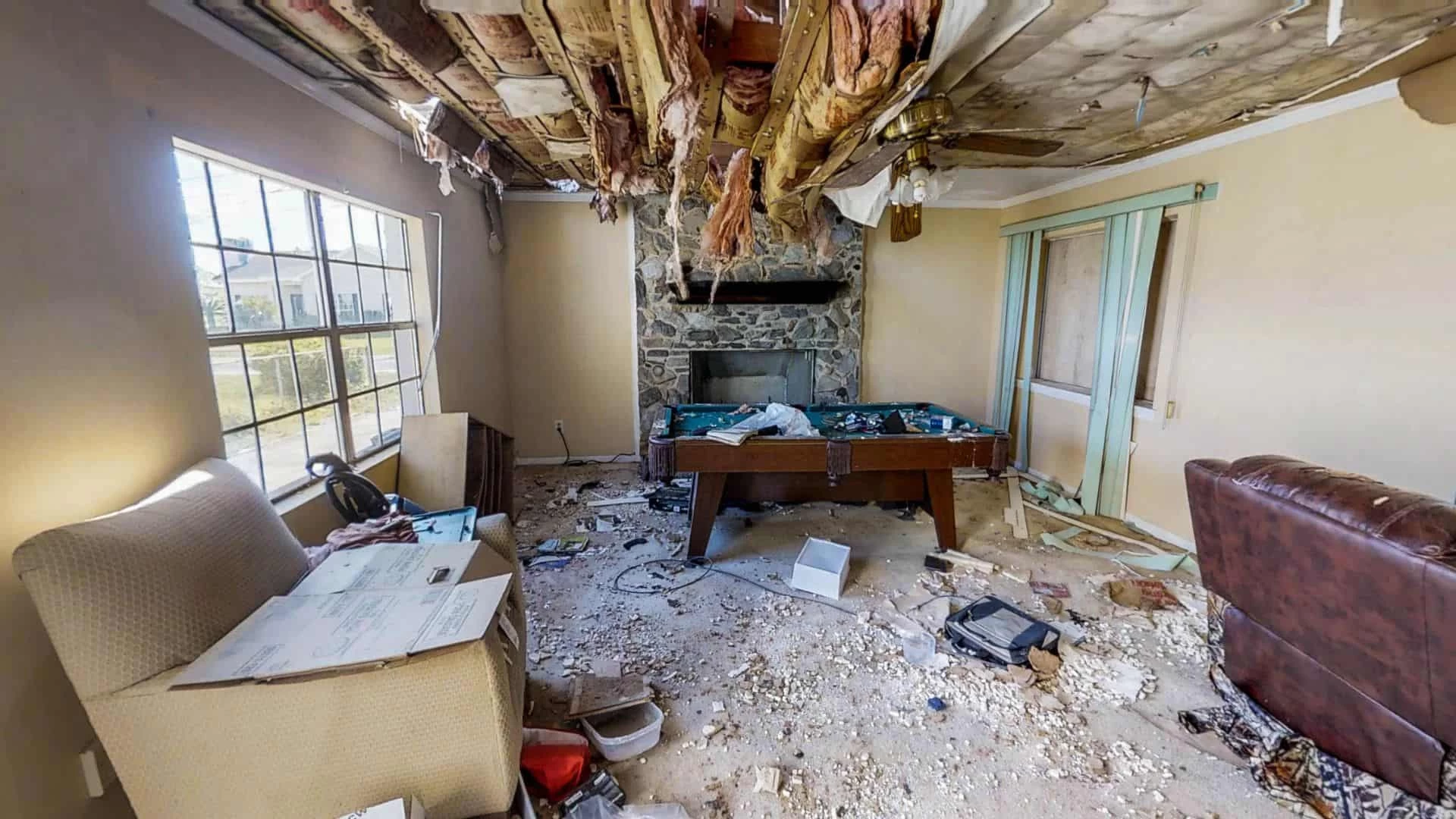
Water damage doesn’t wait. Once water gets into your walls, floors, or structural framing, the clock starts immediately and mold can begin growing in as little as 24 to 48 hours. The longer it sits, the more expensive and complicated the fix becomes. What might cost a few thousand dollars to resolve on day one can easily climb into five figures by the end of the week.
For Islip Terrace homeowners specifically, that risk is higher than most people realize. The ranch homes, Hi-Ranches, and colonials that fill this hamlet were built in the 1950s, 60s, and 70s. Cast-iron and galvanized steel pipes from that era are at or past their expected lifespan, and the clay-heavy South Shore soil shifts seasonally, putting added pressure on underground lines. Local plumbing contractors have documented that pipe failures and tree root intrusion are persistent problems in Islip Terrace not rare exceptions.
When the job is done right, what you’re left with is a dry, structurally sound home with no hidden moisture, no mold risk, and no question marks. Your floors are solid. Your walls are intact. Your family isn’t breathing anything they shouldn’t be. That’s what a real water damage restoration looks like not just a surface dry-out, but a complete return to normal.
Local Water Restoration Companies in Islip Terrace
A Long Island Company With Real Stakes in Islip Terrace
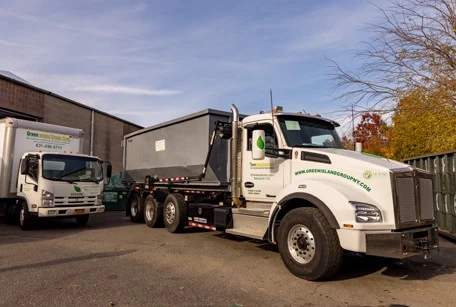
We aren’t a franchise. There’s no national call center routing your emergency to a subcontracted crew. When you call, you reach a real Long Island team one that knows the Town of Islip’s permitting process, understands what’s inside the walls of a mid-century South Shore home, and has a local reputation that depends on doing the job right.
That matters in Islip Terrace. This is a tight-knit hamlet where neighbors talk, word travels fast, and a company that cuts corners doesn’t last long. We serve homeowners throughout Suffolk County, and the residents near Beaver Dam Park and the East Islip school district are exactly the kind of established, invested homeowners who deserve a restoration company that takes their home as seriously as they do.
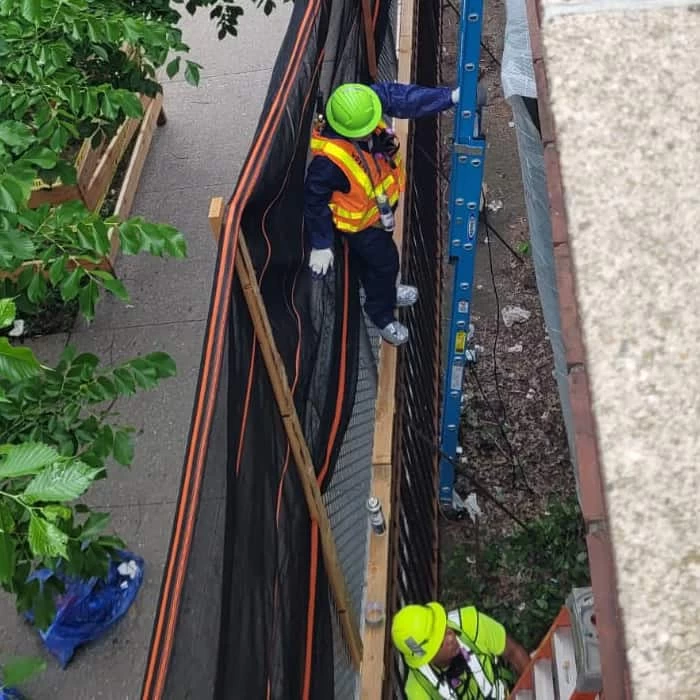
Beyond water damage, we also handle mold remediation, asbestos abatement, lead paint testing, and air quality work all under one roof. For pre-1978 homes in Islip Terrace, that’s not a bonus feature. It’s a real protection against the complications that come with opening walls in older homes.
No Guesswork Here's What Happens From Your First Call to Finished Job
It starts the moment you call. We operate 24 hours a day, seven days a week, because a pipe doesn’t burst on a schedule and a nor’easter doesn’t wait for business hours. Someone answers, you describe what’s happening, and a technician is dispatched not tomorrow, not after a callback queue, but as fast as possible.
When we arrive, the first priority is stopping the source and assessing the full scope of the damage. This is where professional equipment makes a real difference. Moisture meters and thermal imaging cameras find water that’s hidden inside wall cavities, beneath flooring, and behind the thick plaster walls common in Islip Terrace’s older homes. What looks dry on the surface is often saturated underneath, and missing that moisture is how mold problems start.
From there, extraction and structural drying begin using industrial-grade equipment not consumer dehumidifiers. The drying process is monitored daily until every moisture reading clears. If the job involves opening walls in a pre-1978 home, we check for asbestos-containing materials before anything is disturbed, which is both legally required under New York State NYSDOL rules and simply the right way to protect your family. Once everything is dry and cleared, full restoration follows: drywall, flooring, paint whatever it takes to bring the space back to what it was before.
Water damage restoration in Islip Terrace isn’t always a straightforward dry-out. In a community where the majority of homes were built before 1978, opening a wall or pulling up a floor can reveal asbestos floor tiles, lead-based paint, or mold that’s been growing quietly behind decades-old drywall. A company that only handles water leaves you stranded at that point scrambling for a second contractor, losing time, and watching secondary damage compound while you wait.
We handle the full scope: water extraction, structural drying, mold remediation, asbestos testing and abatement, lead paint testing and removal, and complete property restoration. That includes the physical repairs drywall replacement, flooring, painting so you’re not handed back a dried-out shell and told you’re done. The goal is to return your home to its pre-damage condition, not just get the moisture readings to zero.
We also work directly with insurance adjusters throughout the process. Water damage is the second most common homeowner insurance claim in the country, and the average claim runs between $11,000 and $13,000. Knowing how to document damage correctly, communicate with adjusters, and protect your claim from the start makes a real difference in what you actually recover. For Islip Terrace homeowners carrying significant equity in homes valued between $400,000 and $850,000, that kind of advocacy matters.
How quickly can we reach Islip Terrace when you call?
Response time is one of the most important factors in a water damage situation not just for your peace of mind, but because every hour of delay increases the cost and complexity of the job. We operate 24/7 and serve Islip Terrace as part of our core Suffolk County service area, which means response times are measured in hours, not days.
Islip Terrace sits right off NY Route 111 and Suffolk County Route 17, which makes it straightforward to reach from multiple directions regardless of traffic. When you call, we move. There’s no call center handoff, no waiting for a franchise coordinator to find an available subcontractor. A local Long Island crew gets dispatched directly, and the goal is always to get eyes on the damage before the situation worsens.
Does homeowners insurance cover water damage restoration in New York?
It depends on the cause, and that distinction matters more than most homeowners realize. Standard homeowners insurance policies in New York typically cover sudden and accidental water damage a burst pipe, a washing machine hose that fails, a water heater that gives out. What they generally don’t cover is gradual damage from a slow leak that went unaddressed, or flooding from an outside water source, which requires separate flood insurance.
For Islip Terrace homeowners, the most common insurance-covered scenarios involve exactly the kind of sudden pipe failures that are well-documented in the hamlet’s aging housing stock. Cast-iron and galvanized pipes from the 1950s and 60s can fail without warning, and when they do, that’s typically a covered event. We work directly with insurance adjusters to document the damage correctly from the start, which protects your claim and helps ensure you’re not leaving money on the table. New York homeowners are not required to use an insurer’s preferred contractor you have the right to choose who does the work.
Can water damage in an older Islip Terrace home expose asbestos or lead paint?
Yes, and this is one of the most important things to understand if you own a home built before 1978 in Islip Terrace. Asbestos was commonly used in floor tiles, pipe insulation, ceiling tiles, and joint compound in homes built through the mid-1970s. Lead-based paint was standard in homes built before 1978. When water damage requires opening walls, removing flooring, or disturbing ceilings which it often does there’s a real possibility of encountering these materials.
New York State requires licensed contractors for asbestos abatement work, and the EPA’s Renovation, Repair, and Painting Rule requires certified contractors for renovation work in pre-1978 homes. A restoration company that isn’t equipped to handle these materials legally cannot complete the full scope of the job. We handle asbestos testing and abatement, lead paint testing and removal, and water damage restoration under one roof, which means the job doesn’t stall when something unexpected turns up inside the walls of a mid-century Islip Terrace home.
How do I know if there's hidden moisture or mold after a water damage event?
The honest answer is that you usually can’t tell just by looking. Water moves through building materials in ways that aren’t visible on the surface saturating floor joists, wicking up wall studs, and pooling inside insulation while the finished surface appears dry. This is especially true in the older homes throughout Islip Terrace, where thick plaster walls and original subflooring can hold moisture invisibly for days or weeks.
Professional moisture detection uses calibrated moisture meters and thermal imaging cameras to find every pocket of hidden water before it becomes a mold problem. Mold can begin colonizing within 24 to 48 hours of water exposure according to the IICRC S500 Standard the governing document for professional water damage restoration. A surface-level dry-out that misses hidden moisture doesn’t solve the problem; it delays it and makes it more expensive. Our technicians take moisture readings throughout the affected area and monitor them daily until every reading clears, not just the visible ones.
What causes most basement flooding in Islip Terrace homes?
Basement flooding in Islip Terrace typically comes from one of three sources: heavy rainfall overwhelming aging drainage systems, sump pump failures during spring snowmelt or storm events, and plumbing failures from pipes that are past their expected lifespan. The South Shore of Long Island has a relatively high water table, and the clay-heavy soil common in this area doesn’t drain quickly so when a major rain event hits, water has nowhere to go except down and in.
The hamlet’s housing stock adds another layer of risk. Homes built in the 1950s and 60s often have original sump pump systems that are undersized for modern drainage demands, and cast-iron or clay drain lines that have been weakened by decades of use and tree root intrusion. Local plumbing contractors have specifically identified Islip Terrace as an area where these issues are persistent. Nor’easters and tropical systems that come up the coast bring sustained heavy rainfall that can overwhelm even functioning drainage systems, which is why our 24/7 availability during storm events is not just a convenience it’s the difference between catching a problem early and dealing with a major structural remediation.
How much does water damage restoration typically cost in Islip Terrace, NY?
Cost varies based on the size of the affected area, how long the water has been present, what materials were damaged, and whether secondary issues like mold or hazardous materials are involved. For a standard residential water damage job in the New York metro area, most homeowners are looking at somewhere between $3,500 and $12,000. The average insurance claim nationally runs between $11,000 and $13,000, which reflects how quickly costs can climb when damage is caught late or when structural materials need to be replaced.
In Islip Terrace specifically, pre-1978 homes add a variable that doesn’t exist in newer communities. If asbestos or lead paint is present and needs to be addressed as part of the restoration, that adds cost but it’s a necessary cost, and skipping it creates legal and health liability that far exceeds the remediation expense. The most important thing you can do to control cost is call early. A job addressed in the first 24 hours is almost always significantly less expensive than the same job addressed three or four days later, after mold has started and structural materials have fully saturated. We provide clear estimates before work begins so you understand what you’re looking at before any decisions are made.