Lake Grove's Older Homes Don't Get a Second Chance After a Flood
When water gets into a 1960s finished basement, the clock starts immediately. We respond 24/7 across Lake Grove and central Suffolk County before mold makes a bad situation worse.
I needed a professional consultation explanation of procedure for safe removal of Asbestos in my apartment complex. Without having an account yet, I was very impressed with the caring, knowledgeable and generous advice offered by Jessica, and will look forward to doing business in the future. Thank you so much! I feel much more informed about a sometimes scary endeavor. Peace. Nancy Silva Mineola, NY.
Mia Munoz
Used this company to clean up some water flood in my house. They were fast and easy to work with.very professional, Would recommend to anyone!
Nini Valle
Great company, had a flood and they responded quickly and efficiently. Billed my insurance company directly. I highly recommend this company!
joe colapietro, jr
I had pipe freeze in my basement right before a snow storm and they made to within an hour to help start the clean up process. They we by our side throughout the entire process and even helped with the insurance company. They did such a great job with the cleanup, repair, remidiation, I contracted them to perform the repairs and finishes in the basement. They came with enough manpower and material to get the job done. Leo and Jessica were nothing but a pleasure to deal with!!
Cristian Arredondo c
I had some water damage in my home and Green Island was able to take care of my issue quickly and effectively. I am very pleased with the work they did. They responded quickly and were very professional.
Michael M
Outstanding service! From the office to the field crew everyone was friendly, helpful and responsive. I highly recommend Green Island Group.
Standing water is the part you can see. What you can’t see is the moisture sitting behind drywall, wicking up into subfloor material under carpet, or saturating the wood framing inside a wall that looks completely dry on the surface. That’s where the real damage lives and that’s what separates a proper restoration from someone running a dehumidifier and calling it done.
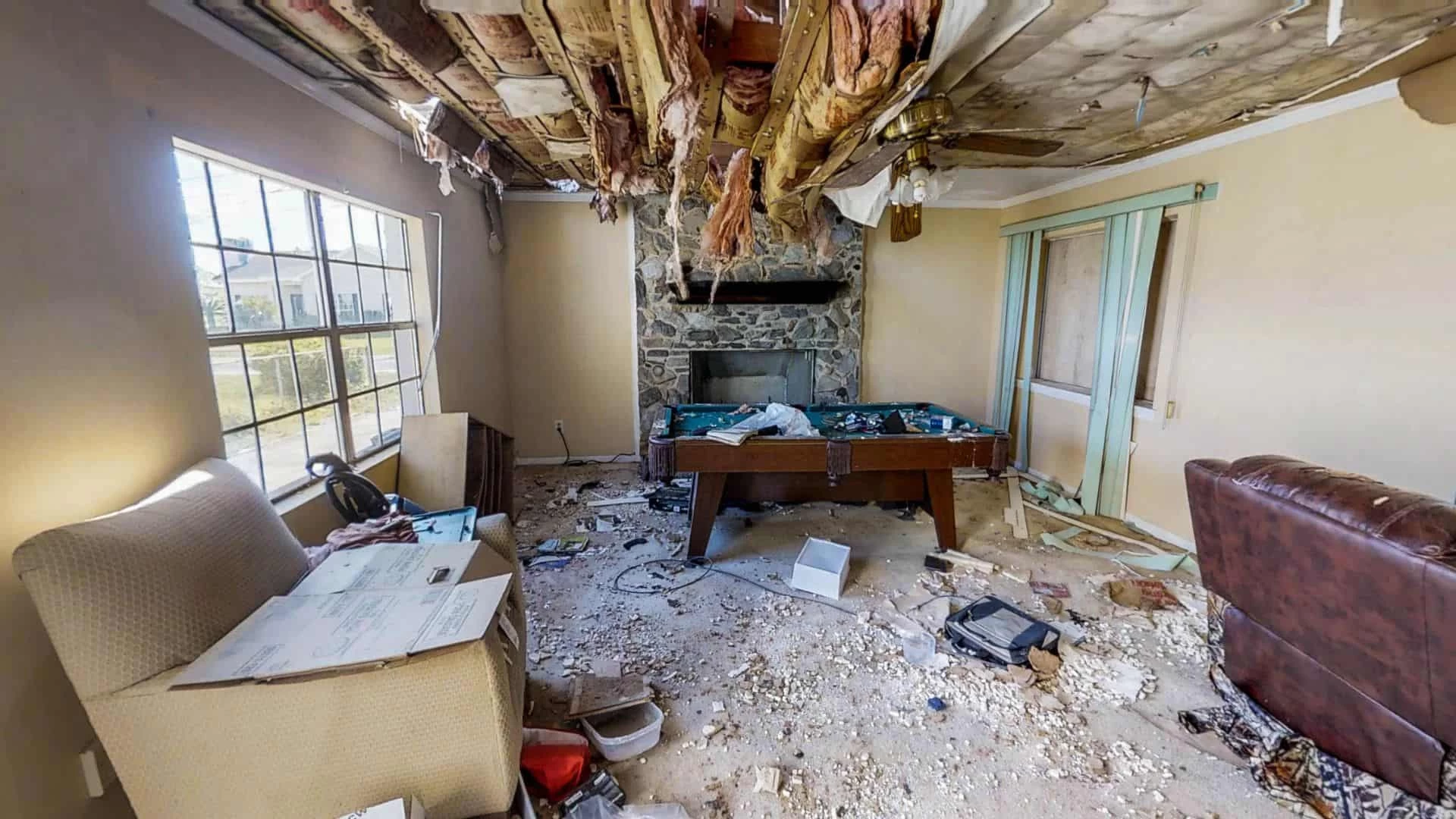
Most homes in Lake Grove were built in the 1950s and 1960s. That means original or aging plumbing, older waterproofing that was never designed to handle today’s storm loads, and finished basements that represent decades of investment. When a sump pump fails during a nor’easter or a pipe lets go in January, you’re not just dealing with wet carpet. You’re dealing with drywall, drop ceilings, paneling, electrical, and HVAC all of it vulnerable, all of it on the clock.
When the job is done right, you get your space back. Dry walls, verified moisture readings, no hidden saturation waiting to turn into a mold problem three weeks later. For a home built before 1978 which covers nearly every house in this village that also means having someone who knows how to handle what’s behind those walls safely, without creating a second problem while fixing the first.
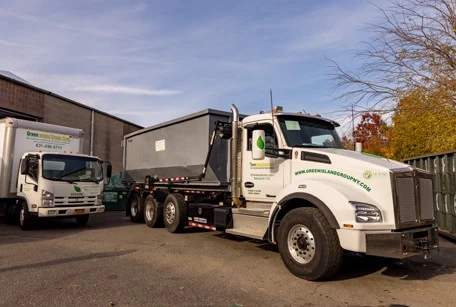
We’re an independent, Long Island-based restoration company not a franchise dispatched from a national call center. When you call, you’re reaching a team that actually knows central Suffolk County, knows the housing stock along Stony Brook Road and the neighborhoods off Route 347, and has handled the exact kind of water damage that Lake Grove homes deal with.
The difference matters more than it sounds. A national franchise has a brand. A local company has a reputation and in a village of just over 11,000 people, that reputation is built job by job. We cover water damage, mold remediation, asbestos testing and abatement, lead paint testing, and air quality verification, all under one roof. For a home built in 1962, that’s not a bonus that’s a necessity.
You’re not getting handed off to a second contractor when something unexpected turns up inside a wall. You’re working with one team, start to finish, who already knew what to expect before we arrived.
The first step is assessment, and it’s more thorough than most people expect. Our technicians use thermal imaging cameras and calibrated moisture meters to map every zone of saturation not just what’s visible, but what’s hiding behind walls, under flooring, and inside ceiling cavities. In a finished basement, this step is what separates a complete restoration from one that leaves moisture behind to grow mold over the next few weeks.
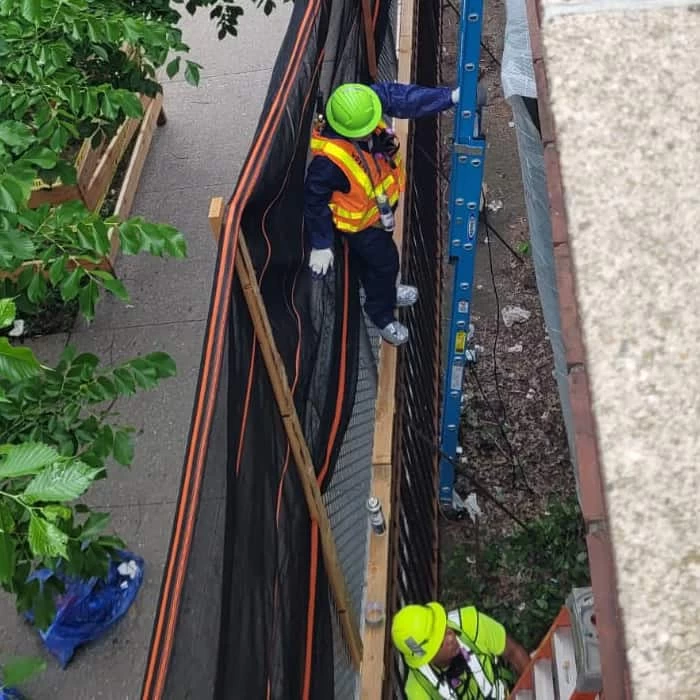
Once the full scope is documented, extraction begins. Standing water comes out first, then the drying process starts industrial air movers and dehumidifiers positioned specifically based on the moisture map, not just set up in the middle of the room and left. In Lake Grove homes built before 1978, if the damage involves disturbing walls, pipe insulation, or flooring, our team assesses for asbestos-containing materials and lead paint before anything gets torn out. New York State requires NYSDOL-licensed handling for asbestos abatement, and EPA RRP certification for lead work we hold both.
Throughout the process, moisture readings are documented and tracked. Drying isn’t declared complete until the numbers confirm it not when the surface looks dry. Once the structure is verified dry, restoration work begins: drywall replacement, flooring, ceiling tiles, whatever the job requires. And because Lake Grove is an incorporated village with its own building authority, any structural repairs that require a permit get handled with that in mind from the start.
One Call Handles Water, Mold, and What's Behind the Walls
Water damage restoration in Lake Grove isn’t a single-scope job for most homes here. The housing stock is old enough that opening a wall to dry it out often means encountering pipe insulation that contains asbestos, or paint that contains lead. A restoration company that only handles water damage will stop, hand you a referral, and leave you coordinating a second contractor while mold continues to develop. We handle the full scope water extraction and structural drying, mold testing and remediation, asbestos testing and abatement, and air quality verification so there’s no gap in the work and no gap in accountability.
For insurance purposes, the documentation process starts at the assessment and runs through completion. We work directly with insurance adjusters, handle billing on your behalf, and help you understand what your policy actually covers because in New York, a pipe failure is typically a covered loss, but groundwater intrusion often isn’t, and knowing the difference before you file matters.
Whether the job is a burst pipe in January, a sump pump failure during a spring storm off the Long Island Sound, or a slow appliance leak that’s been saturating a wall for weeks without anyone noticing, the process is the same: find everything, dry everything, document everything, and restore the space to what it was. No shortcuts, no partial jobs handed off to someone else.
How quickly does mold actually start growing after water damage in Lake Grove?
According to IICRC S500 standards the technical benchmark the restoration industry operates by mold can begin colonizing within 24 to 48 hours of water exposure. That’s not a worst-case scenario. That’s the standard timeline under normal indoor conditions.
In Lake Grove’s older homes, that window is especially unforgiving. Finished basements with carpet over concrete, drywall walls, and drop ceiling tiles are all highly mold-friendly surfaces. Add decades of organic material inside wall cavities and you have an environment where mold doesn’t need much of an invitation. The faster extraction and drying begin, the more of the space you’re likely to save.
Does homeowners insurance cover water damage from a burst pipe in New York?
Water damage claims are among the most common homeowner insurance claims in the country second only to wind and hail damage nationally. But coverage depends heavily on the cause of the damage, not just the damage itself.
In New York, sudden and accidental water damage a burst pipe, a washing machine overflow, a dishwasher line that let go is typically covered under a standard homeowner’s policy. What’s usually not covered is groundwater intrusion: water that seeps in through foundation walls or comes up through a floor drain during a heavy storm. That distinction matters a lot in Lake Grove, where finished basement flooding from a sump pump failure during a nor’easter sits right at the edge of that line. Whether the pump failed mechanically (often covered) or was simply overwhelmed by volume (often not covered) can affect your claim. We document the cause and scope from the first assessment, which gives your adjuster exactly what they need to process the claim accurately.
What should I do in the first hour after my basement floods in Lake Grove?
The most important thing in the first hour is stopping the source if you can shut off the main water supply if it’s a pipe failure, or check your sump pump if it’s a storm event. After that, don’t go back into a flooded basement if there’s any possibility of electrical contact with standing water. Circuit breakers can be reset, but the water conducts current even when the panel is off if appliances or outlets are submerged.
Once it’s safe to be in the space, document everything before you move anything photos and video of the standing water, the affected materials, and any visible damage to walls, flooring, and belongings. This documentation is what your insurance claim is built on, and the more thorough it is, the smoother the process. Then call a restoration company. In a finished basement in a home this age, the damage compounds quickly. Every hour of standing water is an hour of saturation spreading into materials that are expensive to replace and favorable to mold.
Do older Lake Grove homes need asbestos testing before water damage restoration work begins?
If your home was built before 1978 which covers virtually the entire residential housing stock in Lake Grove the answer is yes, depending on what needs to be disturbed during the restoration. Homes built in the 1950s and 1960s commonly contain asbestos in pipe insulation, floor tiles, ceiling tiles, joint compound, and exterior siding materials. Lead-based paint is present in most pre-1978 homes as well.
New York State requires NYSDOL licensing for any asbestos abatement work, and EPA RRP (Renovation, Repair and Painting Rule) certification is required for any renovation or repair work in homes built before 1978 that disturbs painted surfaces. A restoration company that opens walls, pulls up flooring, or removes pipe insulation without these credentials isn’t just cutting corners they’re potentially exposing you to hazardous materials and legal liability. We hold the required state and federal credentials and test before disturbing any suspect materials, so the restoration doesn’t create a second problem while solving the first.
How long does water damage restoration take for a finished basement?
The honest answer is that it depends on how much moisture is actually in the structure not just what’s visible on the surface. A finished basement that took on several inches of standing water during a nor’easter can take anywhere from three to five days of active drying before moisture readings come down to an acceptable level. If the drywall, framing, or subfloor has been saturated for an extended period before remediation started, that timeline can stretch.
The drying phase isn’t complete until moisture meters confirm it not when the air feels dry or the carpet looks dry. After drying is verified, the restoration phase begins: replacing drywall, flooring, ceiling tiles, and any other materials that couldn’t be saved. For a fully finished basement in a Lake Grove home, total restoration from water event to completed repairs can run two to three weeks depending on scope, material availability, and whether secondary issues like mold or asbestos are involved. A clear timeline gets established after the initial assessment, once the full scope is mapped.
Can I choose my own water damage restoration company instead of using my insurer's contractor?
Yes in New York State, you have the legal right to choose your own restoration contractor. Your insurance company may recommend or even push a preferred vendor, but that recommendation is not a requirement, and you are not obligated to use their contractor.
Insurance company preferred vendors are typically national franchise operations whose volume relationships with insurers are built around efficiency and cost control which doesn’t always align with getting your specific home fully restored. Choosing an independent company like Green Island Group means your contractor’s obligation is to you and your property, not to a preferred vendor arrangement. This is especially relevant in Lake Grove, where older homes frequently present secondary issues mold, asbestos, lead that a water-damage-only franchise isn’t equipped to handle in-house. Having one local company manage the full scope, document everything for your claim, and communicate directly with your adjuster tends to produce better outcomes than coordinating between multiple contractors while your adjuster waits on paperwork.