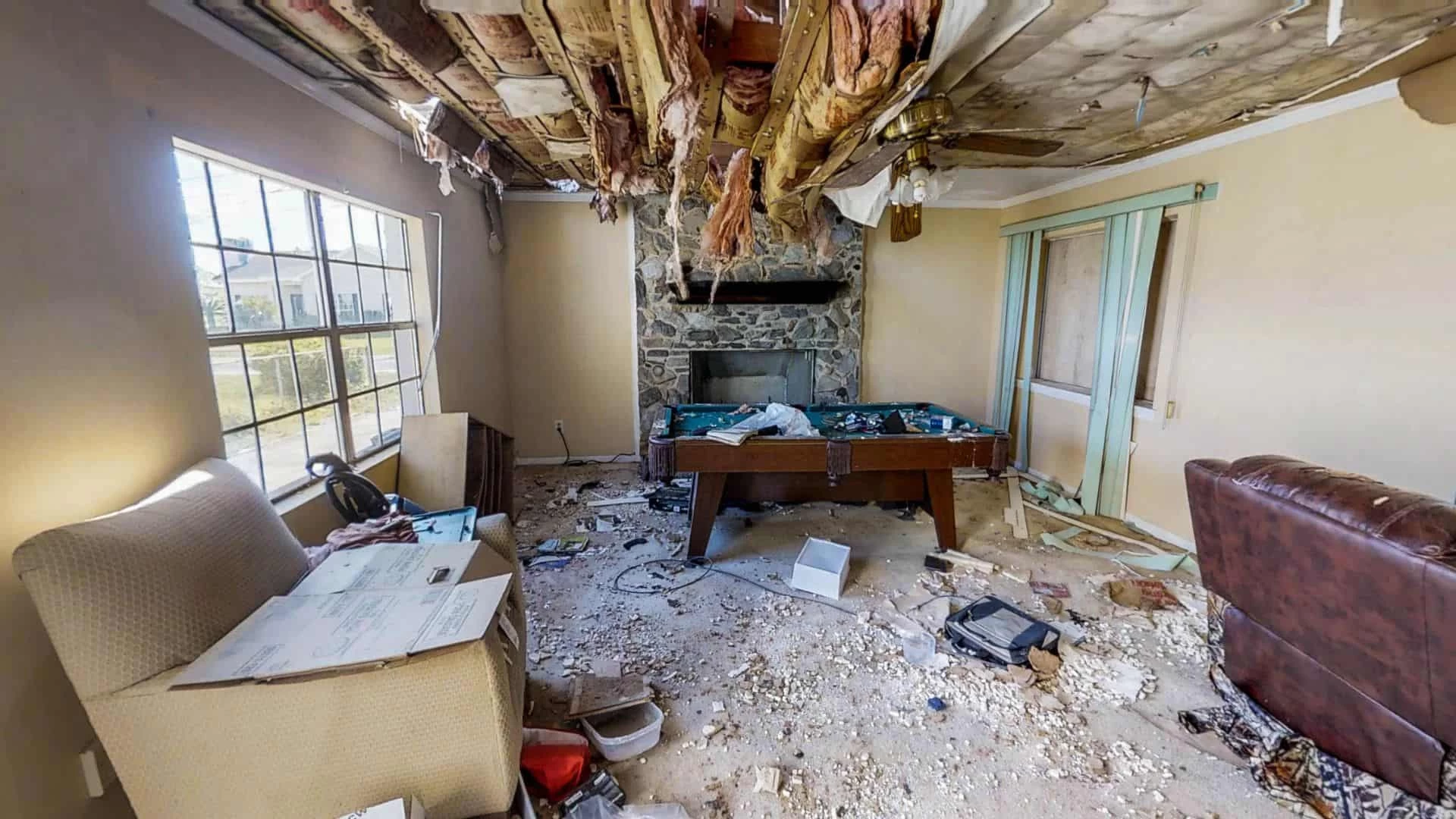
Lake Ronkonkoma basements don’t flood by accident they flood by geology. When the water rises, you need water damage restoration that understands why it happened, not just what to mop up. We respond 24/7, extract water immediately, and dry your home completely not just the surfaces, but the walls, framing, and subfloors where mold takes root if moisture is left behind.
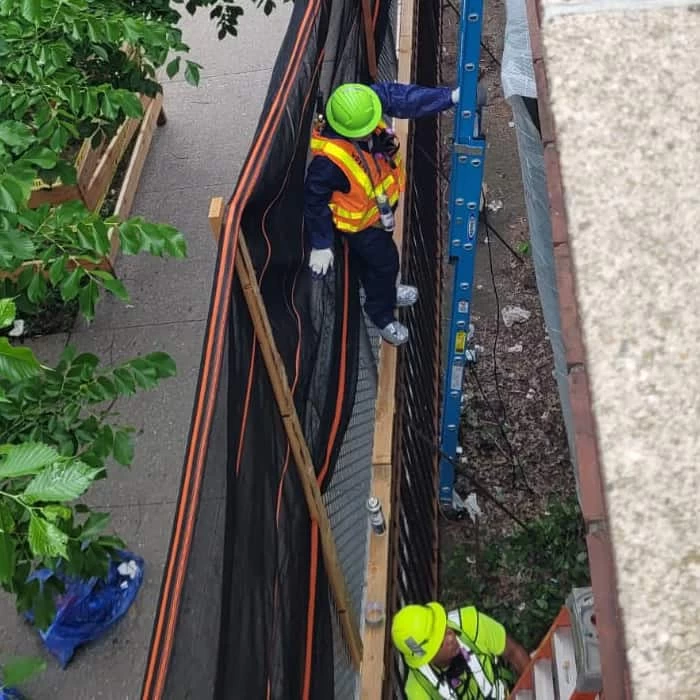
I needed a professional consultation explanation of procedure for safe removal of Asbestos in my apartment complex. Without having an account yet, I was very impressed with the caring, knowledgeable and generous advice offered by Jessica, and will look forward to doing business in the future. Thank you so much! I feel much more informed about a sometimes scary endeavor. Peace. Nancy Silva Mineola, NY.
Mia Munoz
Used this company to clean up some water flood in my house. They were fast and easy to work with.very professional, Would recommend to anyone!
Nini Valle
Great company, had a flood and they responded quickly and efficiently. Billed my insurance company directly. I highly recommend this company!
joe colapietro, jr
I had pipe freeze in my basement right before a snow storm and they made to within an hour to help start the clean up process. They we by our side throughout the entire process and even helped with the insurance company. They did such a great job with the cleanup, repair, remidiation, I contracted them to perform the repairs and finishes in the basement. They came with enough manpower and material to get the job done. Leo and Jessica were nothing but a pleasure to deal with!!
Cristian Arredondo c
I had some water damage in my home and Green Island was able to take care of my issue quickly and effectively. I am very pleased with the work they did. They responded quickly and were very professional.
Michael M
Outstanding service! From the office to the field crew everyone was friendly, helpful and responsive. I highly recommend Green Island Group.
When water gets into your home, the clock starts immediately. Mold can begin colonizing within 24 to 48 hours of exposure and in Lake Ronkonkoma’s finished basements, which sit below grade in a community built over one of Long Island’s highest water tables, that window closes fast. We move quickly because we understand what’s at stake.
Our goal isn’t just to extract the water. It’s to stop what comes next. What you get after a proper restoration job is a home that’s genuinely dry not surface dry, but structurally dry. That means no hidden moisture sitting inside your walls or under your subfloor waiting to turn into a mold problem six weeks from now. It means your finished basement, which represents real invested value in this market, is restored to the condition it was in before the water came in.
For homeowners in the neighborhoods surrounding Lake Ronkonkoma itself, this matters more than it does almost anywhere else on Long Island. The lake has no surface inlet or outlet its water level is a direct reflection of the regional water table. When that table rises after a wet spring or a hard snowmelt, it pushes against your foundation walls from the outside. That’s not a plumbing problem. That’s geology, and we understand the difference between a burst pipe and hydrostatic pressure because the approach to each is completely different.
Local Long Island Knowledge, Not a Franchise Playbook
We’re a Long Island restoration company not a national franchise, not a call center routing jobs to whoever’s available. When you call, you reach a local team that knows Lake Ronkonkoma, knows its building stock, and knows the specific water damage risks that come with living near the largest freshwater lake on Long Island.
That local knowledge matters in Lake Ronkonkoma specifically. A large portion of the homes here were built in the 1950s through 1970s, which means aging plumbing, potential asbestos-containing materials behind the walls, and foundations that were never designed with today’s water table dynamics in mind. We handle water damage, mold remediation, asbestos abatement, and air quality testing all under one roof, all with the proper New York State licensing. When something unexpected turns up mid-job, the work doesn’t stop while you find a second contractor.
The community here spans three town jurisdictions Brookhaven, Smithtown, and Islip and the permitting requirements for restoration work differ depending on which side of the line your property falls. That’s the kind of detail a company with genuine local roots already knows.
The first thing that happens when you call is a 24/7 emergency response dispatch. Water damage doesn’t wait for business hours, and neither do we. A technician arrives, assesses the full scope of the damage, and begins extraction immediately. The faster water is removed, the smaller the restoration job and the lower the risk that you’re dealing with mold on top of everything else.
Once the standing water is out, we move into full diagnostic work. We use thermal imaging cameras and calibrated moisture meters to map exactly where saturation has spread including inside wall cavities, under flooring, and behind finished surfaces. This step matters enormously in Lake Ronkonkoma’s older homes, where plaster walls and multi-layer floor assemblies can trap moisture in places a standard visual inspection would never catch. What our equipment finds, we dry completely. What gets missed becomes your next problem.
After structural drying is confirmed, we move into full restoration reinstalling drywall, repairing or replacing flooring, matching paint, and returning the space to its original finished condition. If the job involves opening walls in a pre-1978 home, we handle asbestos testing in-house before any demo begins, which is a legal requirement in New York and a step that out-of-area operators frequently overlook. Throughout the entire process, we handle the insurance documentation and adjuster communication directly, so you’re not managing that on top of everything else.
Every Service Built for What Lake Ronkonkoma Actually Throws at You
Water damage restoration in Lake Ronkonkoma isn’t one-size-fits-all. The service that a home near the lake’s north shore needs after a spring groundwater event is different from what a 1960s Cape Cod on a residential side street needs after a burst pipe in February. Our restoration services are built around the full range of water damage scenarios this community actually experiences not a generic checklist.
Emergency water extraction, structural drying, moisture mapping, mold assessment, full material restoration, and insurance billing are all included as part of our restoration process. For homes in the Sachem Central School District area and throughout the surrounding neighborhoods, where pre-1978 construction is common, we also provide in-house asbestos and lead paint testing when demo work requires it no waiting on a separate environmental contractor to clear the job before we can proceed.
Our water damage restoration service covers sewage backup cleanup, appliance failures, storm-related flooding, and sump pump overflow the full range of events that send water where it doesn’t belong. If your home is in the lower-lying areas near the lake where hydrostatic pressure is a recurring issue, we can also walk you through what a long-term solution looks like beyond the immediate restoration, so you’re not calling us again next spring for the same reason.
Why does my Lake Ronkonkoma basement keep flooding even without a plumbing problem?
Lake Ronkonkoma is a groundwater lake it has no surface water inlet or outlet, which means its water level rises and falls directly with the regional water table. When the table rises after heavy rain, snowmelt, or a prolonged wet stretch, it creates hydrostatic pressure against the exterior of your basement walls and foundation floor. That pressure pushes water through concrete block walls, floor slab cracks, and window wells even in homes where the plumbing is in perfect condition.
This is a documented, recurring dynamic in the neighborhoods surrounding the lake. Some homeowners in the lowest-lying areas have dealt with it severely enough to fill their basements with concrete entirely. For most homes, the answer isn’t that extreme but it does mean that standard water extraction alone isn’t a complete solution. We assess the source of the pressure and evaluate your drainage, sump pump capacity, and foundation integrity alongside the immediate cleanup.
How quickly does mold start growing after water damage in my home?
According to IICRC standards the industry benchmark for water damage restoration mold colonization can begin within 24 to 48 hours of water exposure. That’s not a worst-case scenario. That’s the documented baseline under typical conditions. In a finished basement that sits below grade, where humidity is naturally higher and airflow is limited, conditions are closer to ideal for mold than they are in an above-grade living space.
This is why response time is the single most important variable in any water damage event. The longer water sits, the more likely you are to be dealing with a combined water and mold remediation job which can cost three to five times more than a water-only restoration handled promptly. If you’ve noticed water in your home and it’s been more than a day, mold assessment should be part of the conversation from the first call.
Does homeowner's insurance cover basement flooding from groundwater in New York?
This is one of the most important questions Lake Ronkonkoma homeowners ask, and the answer depends on the specific cause and your policy language. Standard homeowner’s insurance in New York typically covers sudden and accidental water damage a burst pipe, an appliance failure, a roof leak that drives water inside. It generally does not cover flooding caused by rising groundwater or surface water intrusion, which falls under flood insurance through the National Flood Insurance Program (NFIP) or a private flood policy.
The distinction matters in Lake Ronkonkoma specifically because the community’s most common water damage scenario hydrostatic pressure from a rising water table is often classified as groundwater flooding, which standard homeowner’s policies exclude. That said, coverage determinations depend on the specific event, your policy terms, and how the damage is documented. We handle insurance documentation and adjuster communication directly, and we can help you understand what your claim is likely to cover before you commit to a course of action. The worst outcome is assuming you’re covered, doing nothing, and finding out later that the delay voided your claim.
How long does water damage restoration take for a typical home in Lake Ronkonkoma?
The timeline depends on the extent of the damage, the materials affected, and how long the water was present before restoration began. For a straightforward water intrusion event a burst pipe, an appliance overflow, or a single-room flooding event caught quickly structural drying typically takes three to five days using professional equipment. Full restoration of finished surfaces like drywall, flooring, and paint adds additional time depending on the scope.
For the basement flooding scenarios more common in Lake Ronkonkoma, where water may have saturated concrete block walls, wood framing, insulation, and multiple layers of flooring, the drying phase can run five to seven days or longer. Older homes with plaster walls and original hardwood floors over concrete slabs take longer to dry than newer construction with standard drywall and vinyl flooring. If asbestos testing is required before demo work can begin which applies to pre-1978 homes when wall or ceiling materials need to be disturbed that adds time to the front end of the job. We factor all of this into the initial assessment so you have a realistic timeline from day one.
What's the difference between water mitigation and full water damage restoration?
Water mitigation is the emergency phase extracting standing water, setting drying equipment, and stopping the damage from spreading further. It’s the triage step. Mitigation alone leaves you with a structurally dried but unfinished space: missing drywall, bare concrete, exposed framing. The job is technically done from a drying standpoint, but your home isn’t livable in the affected area.
Full water damage restoration takes the job the rest of the way. That means reinstalling drywall, repairing or replacing flooring, repainting, and returning the space to its pre-damage condition. For Lake Ronkonkoma homeowners with finished basements which are common in this market and represent significant invested value in homes worth over $500,000 stopping at mitigation means living with an incomplete basement until you find and coordinate a separate general contractor. We handle both phases under one roof, which means the job moves from emergency response to finished restoration without you managing the handoff between companies.
Do I need a permit for water damage repairs in Lake Ronkonkoma, and who issues it?
Whether a permit is required depends on the scope of the work and which jurisdiction your property falls under and Lake Ronkonkoma is one of the few communities on Long Island where that question isn’t straightforward. The hamlet spans three town boundaries: most of the CDP falls under the Town of Brookhaven, the northwestern section falls under the Town of Smithtown, and the lake itself is under Town of Islip jurisdiction. Each town has its own building department, its own permit requirements, and its own inspection process.
For most water damage restoration work that involves opening walls, replacing structural materials, or any electrical or plumbing work that was exposed by the damage, a permit is typically required. Cosmetic repairs repainting, replacing a section of drywall that doesn’t involve structural framing may not require one, but the line isn’t always obvious. Working without a required permit creates problems when you sell the home and the work shows up without a certificate of completion. We know which building department applies to your specific address in Lake Ronkonkoma and handle the permit process as part of the restoration so you’re not navigating three different municipal websites trying to figure out who has jurisdiction over your street.