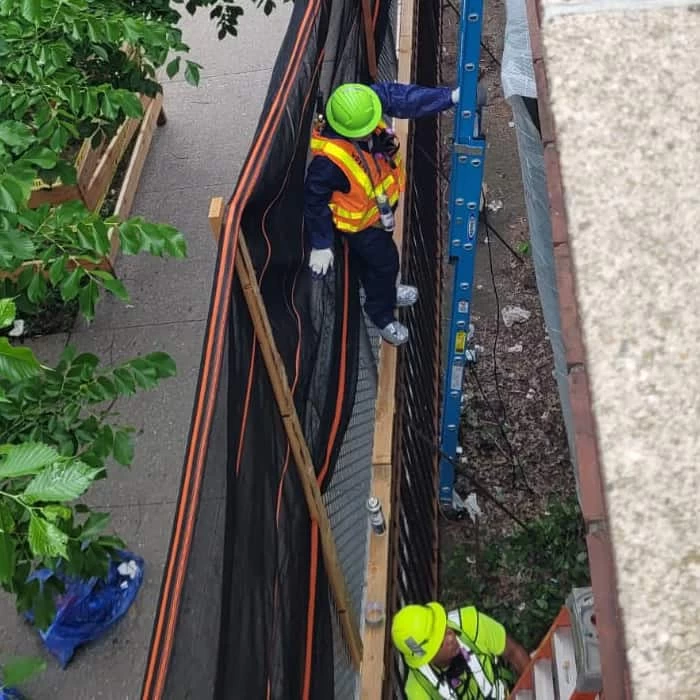
I needed a professional consultation explanation of procedure for safe removal of Asbestos in my apartment complex. Without having an account yet, I was very impressed with the caring, knowledgeable and generous advice offered by Jessica, and will look forward to doing business in the future. Thank you so much! I feel much more informed about a sometimes scary endeavor. Peace. Nancy Silva Mineola, NY.
Mia Munoz
Used this company to clean up some water flood in my house. They were fast and easy to work with.very professional, Would recommend to anyone!
Nini Valle
Great company, had a flood and they responded quickly and efficiently. Billed my insurance company directly. I highly recommend this company!
joe colapietro, jr
I had pipe freeze in my basement right before a snow storm and they made to within an hour to help start the clean up process. They we by our side throughout the entire process and even helped with the insurance company. They did such a great job with the cleanup, repair, remidiation, I contracted them to perform the repairs and finishes in the basement. They came with enough manpower and material to get the job done. Leo and Jessica were nothing but a pleasure to deal with!!
Cristian Arredondo c
I had some water damage in my home and Green Island was able to take care of my issue quickly and effectively. I am very pleased with the work they did. They responded quickly and were very professional.
Michael M
Outstanding service! From the office to the field crew everyone was friendly, helpful and responsive. I highly recommend Green Island Group.
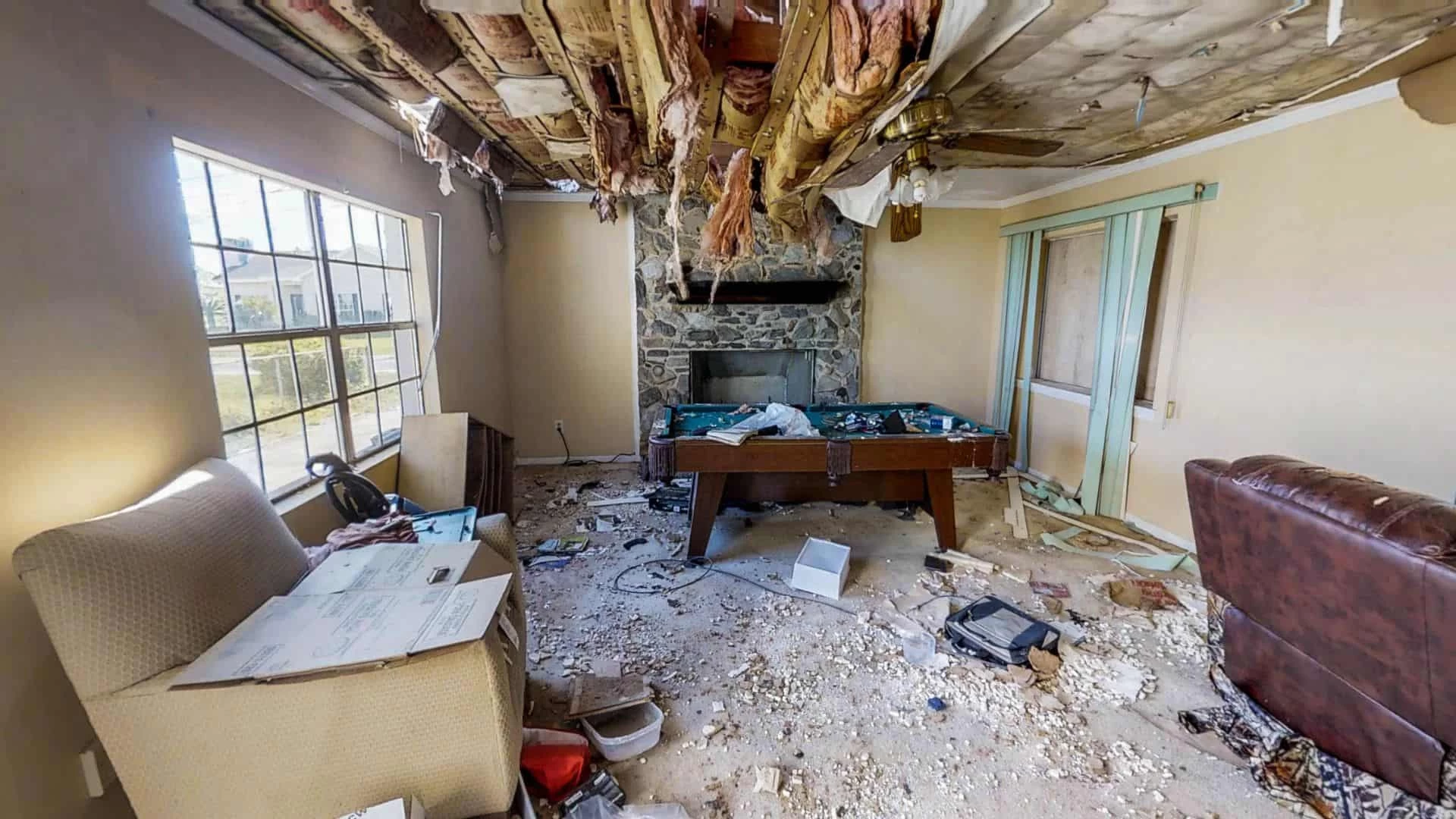
When the water’s gone, the real question is what’s still hiding. Behind the drywall of a 1950s Cape Cod on the south side of Montauk Highway, moisture doesn’t just sit it works. It moves into framing, settles under subfloors, and starts growing mold within 48 hours of the first drop. By the time you can smell it, you’ve already got a bigger problem than the original leak.
That’s the reality for most Lindenhurst homeowners. The housing stock here is old roughly 80% of homes were built before 1970 and older homes absorb water differently than new construction. The materials hold moisture longer, the basements were never designed to modern waterproofing standards, and the high water table throughout the village means groundwater is already close to the surface before a storm even starts. What looks dry on the surface often isn’t.
What you get when the job is done right isn’t just extracted water. It’s a fully dried structure, verified with moisture meters and thermal imaging, documented for your insurance claim, and checked for mold before anyone walks out the door. That’s the difference between a restoration and a band-aid.
Local Knowledge That Franchise Operators Don't Have
We’re a Long Island-based environmental and restoration company not a national franchise, not a call center with subcontractors. When you call, you’re reaching people who know Suffolk County, who understand what South Shore flooding looks like, and who have worked in homes just like yours throughout Lindenhurst and the surrounding villages in the Town of Babylon.
That matters more here than most places. Lindenhurst isn’t just any suburb. It’s a waterfront village with real canals, a Great South Bay exposure, and a Sandy story that 1,600 families south of Montauk Highway lived through firsthand. Our team understands that history and knows how to work in pre-1970 homes where water damage can uncover asbestos, lead paint, or compromised framing that a generalist restorer isn’t equipped to handle.
Every job is managed by accountable, named staff. Customers in reviews call out individuals by name not because we ask them to, but because that’s what happens when the work is done by people who treat your home like it matters.
The first call is simple. You tell us what happened, we ask a few quick questions, and we dispatch day or night. If you’re on the LIRR heading home from the city and a neighbor just texted you that water is coming in, call us from the train. We can have a crew at your door before you pull into the driveway.
When we arrive, the first thing we do is assess the full scope not just what’s visible. Thermal imaging and moisture meters map what’s happening inside the walls, under the floors, and in the cavities you can’t see. In Lindenhurst’s older homes, that step isn’t optional. Water travels through aged framing and original insulation in ways that surface inspection misses entirely. We document everything as we go, which matters when you’re filing with your homeowner’s insurance, your NFIP flood policy, or both.
From there, we extract standing water, set industrial drying equipment, and monitor moisture levels until the structure is fully dry not approximately dry, actually dry. If demo is required and we find suspect materials like asbestos floor tile or pipe insulation common in pre-1980 homes, we handle testing and abatement in-house. No stopping the job to find a separate contractor. No gaps in your timeline.
Water damage restoration in Lindenhurst isn’t a one-step job, and any company that treats it like one is leaving you exposed. We cover the full scope: emergency water extraction, structural drying, mold inspection and remediation, asbestos testing, lead paint compliance for pre-1978 homes, air quality testing, and final restoration drywall, flooring, painting, structural repair back to livable condition.
For homeowners in American Venice or Venetian Shores, where canal-front exposure means saltwater intrusion is a real possibility during storm events, our full-scope capability matters even more. Saltwater damage affects materials differently than freshwater and can accelerate corrosion and mold in ways that a standard extraction-only response won’t catch. We account for that.
On the insurance side, we work directly with adjusters whether that’s your standard homeowner’s policy or your NFIP flood insurance policy, which many Lindenhurst properties south of Montauk Highway carry separately. We handle the documentation, communicate with adjusters on your behalf, and bill directly so you’re not fronting costs and waiting on reimbursement. The goal is that you’re focused on getting your home back, not managing paperwork while your basement is still wet.
How quickly does mold start growing after water damage in Lindenhurst?
Mold can begin growing within 24 to 48 hours of water exposure and in Lindenhurst, that window is tighter than it sounds. The village sits on the Great South Bay, and the ambient humidity throughout the area, especially in the warmer months, creates conditions where mold establishes itself faster than it would in a drier inland community. If your basement flooded during a nor’easter or you’ve had a slow leak behind a wall for even a few days, mold is already a real possibility, not just a future concern.
That’s why response time matters so much here. Getting water extracted quickly is step one, but the more important step is verifying that the structure is fully dry not surface dry before closing anything up. We use moisture meters and thermal imaging to confirm dryness inside walls and under floors, because mold doesn’t grow where you can see it. It grows where you can’t. If there’s any indication of mold presence during the drying process, we address it before the job is considered complete.
Does my insurance cover water damage restoration, and how does the claims process work?
It depends on the source of the damage, and this is where a lot of Lindenhurst homeowners run into confusion. A standard homeowner’s insurance policy typically covers sudden and accidental water damage a burst pipe, an appliance failure, a roof leak during a storm. It generally does not cover flooding from outside the home, which is where a separate NFIP flood insurance policy comes in. Many homeowners south of Montauk Highway carry both, and the two policies have different coverage scopes, different deductibles, and different adjusters.
We help you navigate both. When we arrive, we document the damage in a way that supports your claim photos, moisture readings, scope of work and we communicate directly with your adjuster so you’re not doing that alone while also dealing with an active water emergency. We also bill insurance directly in most cases, which means you’re not out of pocket waiting on a reimbursement check. If you’re not sure what your policy covers, call us anyway we can help you figure out what you’re working with before you file.
What happens if asbestos or lead paint is found during water damage repairs in my Lindenhurst home?
This comes up more often than most homeowners expect, and it’s one of the more important reasons to work with a company that handles environmental services in-house. About 80% of Lindenhurst’s housing stock was built before 1970, which means a large portion of homes contain asbestos in floor tiles, pipe insulation, ceiling tiles, or joint compound and lead paint in walls and trim. When water damage restoration requires demo work, those materials get disturbed, and at that point you’re dealing with New York State Department of Labor licensing requirements for asbestos abatement and EPA RRP certification requirements for lead paint work.
A general contractor or a restoration company that doesn’t hold those credentials legally cannot continue the job once suspect materials are identified. That means your project stops, you find a separate environmental contractor, and you wait. We handle asbestos testing, abatement, and lead paint compliance in-house, so the job doesn’t stop. We test before demo begins, address whatever we find, and continue the restoration without a gap in your timeline or an additional contractor to coordinate.
How bad was flooding in Lindenhurst during Sandy, and are those homes still at risk today?
Sandy was severe and specific. A storm surge of nearly 9 feet flooded approximately 1,600 Lindenhurst properties south of Montauk Highway homes in American Venice, Venetian Shores, and the Beach Street area were among the hardest hit. The Great South Bay at Lindenhurst reached 7.73 feet during the storm, approaching the FEMA 100-year base flood elevation. That’s not a once-in-a-lifetime scenario for this part of Long Island it’s an extreme version of a pattern that repeats at smaller scales with nor’easters and heavy rain events every year.
Yes, those homes are still at risk. Many have been elevated since Sandy, which reduces storm surge exposure, but elevated homes still face water damage from internal sources plumbing failures, appliance leaks, roof intrusion and the high water table throughout the village means basement flooding remains a real risk across the entire community, not just in the obvious flood zones. American Venice also experiences sunny-day tidal flooding during normal high tides now, which is a sign of how the area’s flood exposure has continued to evolve.
How long does water damage restoration typically take for a Lindenhurst home?
The honest answer is that it depends on how much water there was, how long it sat, and what’s behind the walls. For a straightforward basement flood caught quickly a sump pump failure during a storm, for example extraction and full structural drying typically takes three to five days. For situations where water sat longer, where there’s mold present, or where demo reveals additional issues like damaged framing or environmental materials that need abatement, the timeline extends accordingly.
In Lindenhurst’s older homes, we almost always find that the drying phase takes longer than it would in newer construction. The materials original wood framing, older insulation, vinyl flooring over wood subfloors hold moisture differently than modern materials, and rushing the drying phase is how you end up with a mold problem six weeks after the job is “done.” We don’t close out a job until moisture readings confirm the structure is actually dry. That sometimes means a few extra days of equipment run time, but it’s the right call every time.
Do you handle water damage restoration for homes near the American Venice canals?
Yes, and it’s work we’re specifically familiar with. American Venice is one of Lindenhurst’s most distinctive neighborhoods and one of its most flood-exposed. The canals connect directly to the Great South Bay, which means flooding in that area isn’t always tied to a major storm. Sunny-day tidal flooding during normal high tides has become increasingly common there, and when bay water enters a home, you’re dealing with saltwater intrusion rather than freshwater a meaningful difference in how materials are affected and how the restoration needs to be handled.
Saltwater accelerates corrosion in metal components, degrades certain building materials faster, and carries a higher contamination load than rainwater or a burst pipe. The drying and remediation process has to account for that. We also understand that homes in that neighborhood tend to be older, often sit on lower ground relative to the canal, and may have crawl spaces or slab foundations that complicate the drying process compared to a standard basement. If you’re in American Venice or anywhere near the Venetian Shores waterfront and you’ve had water come in from a storm, a tide event, or anything else call us and we’ll assess the full picture.