Northport's Harbor Homes Deserve More Than a Basic Dry-Out
When water gets into a century-old Northport home, it doesn’t just sit there it hides. We provide water damage restoration built for the older, more complex homes on the North Shore, with 24/7 emergency response and real local accountability.
I needed a professional consultation explanation of procedure for safe removal of Asbestos in my apartment complex. Without having an account yet, I was very impressed with the caring, knowledgeable and generous advice offered by Jessica, and will look forward to doing business in the future. Thank you so much! I feel much more informed about a sometimes scary endeavor. Peace. Nancy Silva Mineola, NY.
Mia Munoz
Used this company to clean up some water flood in my house. They were fast and easy to work with.very professional, Would recommend to anyone!
Nini Valle
Great company, had a flood and they responded quickly and efficiently. Billed my insurance company directly. I highly recommend this company!
joe colapietro, jr
I had pipe freeze in my basement right before a snow storm and they made to within an hour to help start the clean up process. They we by our side throughout the entire process and even helped with the insurance company. They did such a great job with the cleanup, repair, remidiation, I contracted them to perform the repairs and finishes in the basement. They came with enough manpower and material to get the job done. Leo and Jessica were nothing but a pleasure to deal with!!
Cristian Arredondo c
I had some water damage in my home and Green Island was able to take care of my issue quickly and effectively. I am very pleased with the work they did. They responded quickly and were very professional.
Michael M
Outstanding service! From the office to the field crew everyone was friendly, helpful and responsive. I highly recommend Green Island Group.
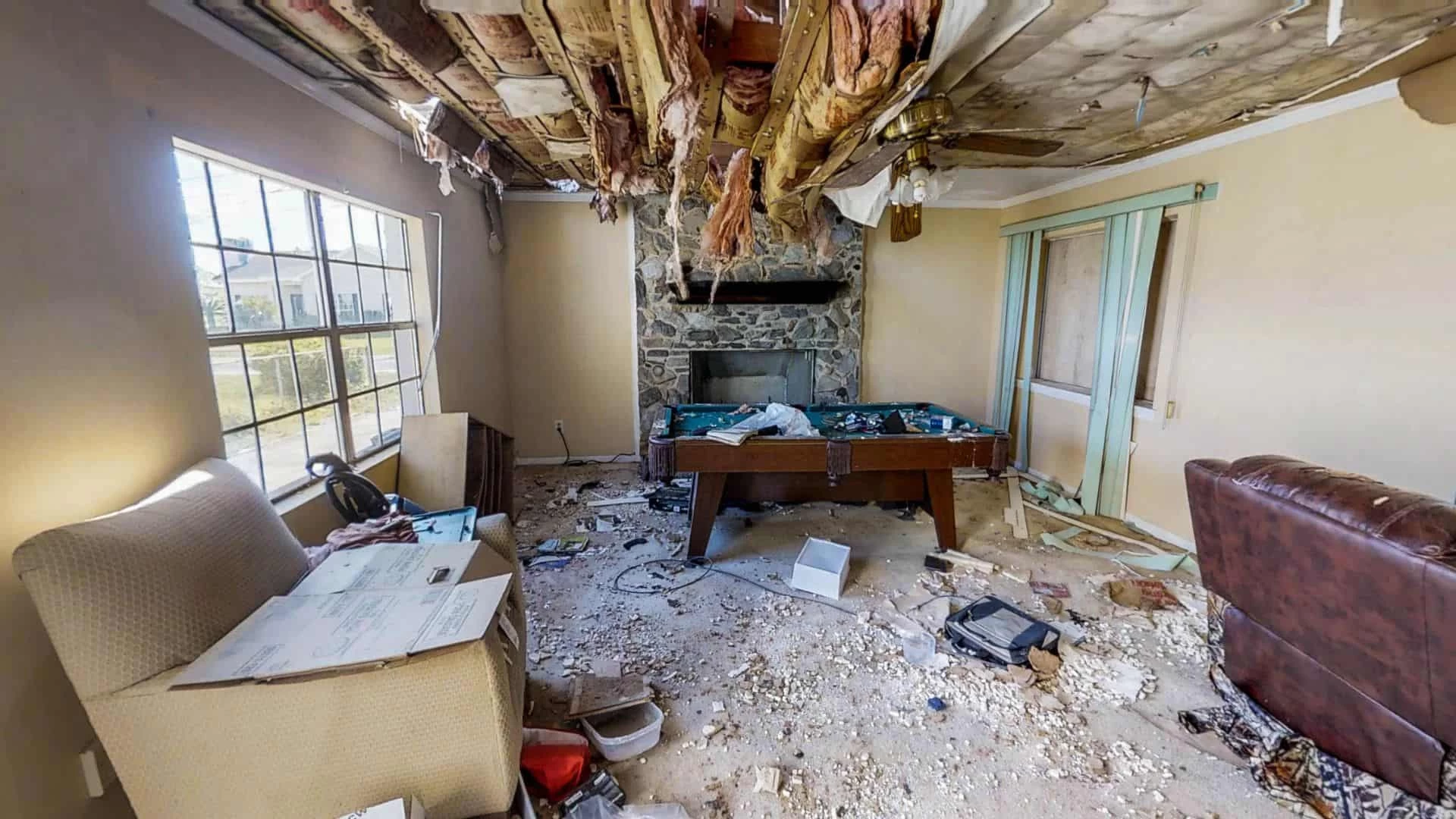
Water damage in Northport isn’t the same as water damage in a newer suburban town. When a nor’easter pushes storm surge up Northport Harbor, when a pipe bursts inside a plaster wall of an 1890s Victorian on a side street off Route 25A, or when a sump pump fails during a spring storm the water doesn’t just sit on the surface. It moves into materials that were never designed to shed moisture quickly. Horsehair plaster, original wood lath, aged subfloors these absorb and hold water in ways that modern drywall simply doesn’t. And what looks dry on the surface can be saturated two inches in.
When the restoration is done correctly, you’re not just looking at dry walls. You’re looking at a home that’s been checked for hidden moisture behind surfaces, dried with commercial-grade equipment that actually pulls water from inside wall cavities, and documented throughout the process so you have proof for your insurance company and confidence that the job was complete. That last part matters more than most people realize until they’re dealing with mold growth six weeks later in a wall they thought was fine.
For a home in Northport where the median property value is approaching $807,000 and a significant portion of the housing stock predates 1978 the stakes of an incomplete restoration are real. Getting it right the first time protects the value of your property, the integrity of original materials that can’t simply be replaced at a hardware store, and the health of everyone living inside.
We’re a Long Island-based environmental and property restoration company not a national franchise, not a call center with a local area code. When you call, you’re reaching a team that actually operates on the North Shore and understands what it means to work in Northport, Centerport, and the harbor-adjacent neighborhoods where older construction and coastal exposure go hand in hand.
The reason that matters is straightforward. A Victorian home near Northport’s Main Street is not the same job as a 1990s ranch in a flat inland town. The materials are different, the risks are different, and the process has to reflect that. We handle water damage, mold remediation, asbestos abatement, and lead paint removal under one roof which means when a job in a pre-1978 Northport home uncovers something unexpected inside the walls, there’s no handoff to a second contractor and no gap in accountability.
One company, one point of contact, from the first call to the final walkthrough.
From the First Call to a Fully Dried, Documented Home
It starts with emergency response any time, day or night. When you call, you’re not navigating a phone tree or waiting for a callback from a regional dispatch center. You’re reaching a local team that can mobilize quickly, which matters when you’re watching water rise in a basement off Reservoir Road at midnight during a nor’easter.
Once on-site, our first priority is stopping the source and assessing the full scope of the damage. That means more than a visual walkthrough. We use professional moisture meters and thermal imaging to find water that’s already migrated behind plaster walls, under original hardwood floors, or into the cavities between joists places a visual inspection will miss and a consumer dehumidifier will never reach. In Northport’s older homes, this step is what separates a real restoration from a surface-level dry-out that leaves hidden moisture behind.
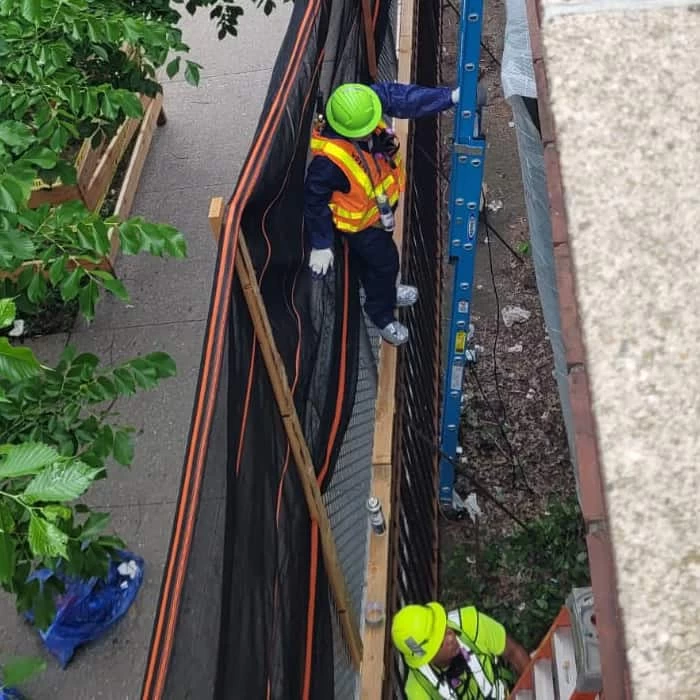
From there, commercial extraction equipment removes standing water, and industrial drying systems run until moisture readings confirm the structure is genuinely dry not just surface-dry. Throughout the process, everything is documented: moisture levels before, during, and after. That documentation supports your insurance claim and gives you a clear record of what was done. If the job uncovers mold, asbestos in pipe insulation, or lead paint on original trim all real possibilities in Northport’s housing stock we handle that work in-house under the appropriate New York State licensing, without delays from contractor handoffs. Reconstruction and finishing follow once the structure is confirmed dry and clear.
Built for North Shore Homes, Not Just Standard Jobs
Water damage restoration in a community like Northport requires a broader scope than most restoration companies are set up to deliver. Our service covers emergency water extraction, structural drying with commercial-grade equipment, full moisture mapping and documentation, mold assessment and remediation, and reconstruction all under one company. For properties in Northport’s designated Special Flood Hazard Areas, we’re familiar with the Village’s Floodplain Management ordinance requirements, including the floodplain development permits that may be required for repair work in those zones. That’s not something every contractor walking into a Northport job is prepared to navigate.
Because a significant portion of Northport’s homes were built before 1978 and many date back to the late 1800s asbestos testing, asbestos abatement, and lead paint testing and removal are included in the scope of services when the job calls for it. Cutting into a wall in a pre-1978 home without testing first isn’t just a health risk it’s a liability issue. We handle that testing and any necessary abatement in-house, under NYSDOL licensing and EPA RRP compliance, so the restoration doesn’t stall waiting for a separate abatement contractor to get scheduled.
Insurance coordination is also part of our process. We work directly with insurance companies on documentation, adjuster communication, and billing so you’re not managing the claim on top of managing the disruption to your home.
How quickly can mold develop after water damage in a Northport home?
Mold can begin colonizing wet materials within 24 to 48 hours of water exposure. In a newer home with drywall and concrete, that window is already tight. In a Northport home with horsehair plaster walls, wood lath, and original hardwood floors, the risk compounds because those materials absorb and retain moisture at a much higher rate than modern construction. What feels dry to the touch on day two can still be saturated behind the surface.
This is why response time matters so much in older North Shore homes. The faster water is extracted and commercial drying begins, the smaller the window for mold to establish. If you’re dealing with a water event in Northport whether it’s from storm surge near the harbor, a burst pipe in a wall cavity, or a failed sump pump during a spring storm getting a professional on-site quickly prevents a secondary remediation job that’s significantly more disruptive and expensive than the original water damage.
Does homeowners insurance cover water damage restoration in Northport, NY?
It depends on the source of the water, and the distinction matters more than most homeowners expect. Standard homeowners insurance in New York typically covers sudden and accidental water damage a burst pipe, an appliance failure, a roof leak from storm damage. It generally does not cover flooding from an external source, like storm surge from Northport Harbor or groundwater backup into a basement. For that type of coverage, you’d need a separate flood insurance policy through FEMA’s National Flood Insurance Program, which is directly relevant for properties in Northport’s designated Special Flood Hazard Areas along the harbor and lower-lying areas of the village.
The other thing worth knowing is that coverage for secondary damage mold remediation, for example often depends on whether the initial water damage was addressed promptly and professionally. An insurer can deny a mold claim if they determine the water damage was left untreated long enough that mold growth was foreseeable. Having professional documentation of the restoration process, including moisture readings and drying logs, protects your claim. We handle that documentation and work directly with insurance adjusters, which takes a significant piece of the process off your plate.
What makes water damage restoration in older Northport homes more complicated?
The materials and the construction methods are fundamentally different from what most modern restoration protocols are built around. Horsehair plaster walls, original wood lath, cast-iron or galvanized plumbing, unfinished stone-walled basements, complex Victorian rooflines with dormers and valleys all of these behave differently when they get wet, and all of them require a different approach to drying than a standard drywall-and-carpet job.
Plaster walls, for example, absorb water differently than drywall and can hold moisture for a much longer period before the surface shows any visible sign of saturation. That means a moisture meter reading is essential you cannot rely on a visual inspection or a surface touch test to confirm a plaster wall is actually dry. Wood lath behind plaster can stay wet for days after the surface feels fine. Beyond the drying challenges, older Northport homes built before 1978 may contain asbestos in pipe insulation, floor tiles, or other building materials, and lead paint on original woodwork. Any restoration work that involves cutting into walls or removing materials in those homes needs to account for that before the work begins not after.
Do I need a permit for water damage repairs in Northport Village?
For emergency mitigation work water extraction, structural drying, removing wet materials to stop further damage you generally don’t need a permit to get started. The priority is stopping the damage, and that work can and should begin immediately. Where permits become relevant is in the reconstruction phase, particularly for properties located within Northport’s designated Special Flood Hazard Areas.
The Village of Northport has a formal Floodplain Management ordinance Chapter 32 of the Village Code that requires a floodplain development permit for repair work within those zones. If your property is in a flood zone near the harbor or in one of the lower-lying areas of the village, that permit requirement applies to the repair and reconstruction work, not just new construction. We’re familiar with these requirements and can help navigate the permit process as part of the restoration, so you’re not discovering a compliance issue mid-project. If you’re unsure whether your property falls within a designated flood zone, the Village’s Building Department can confirm your flood zone status.
Can water damage restoration be done without replacing original woodwork and historic materials?
In many cases, yes and in a community like Northport, where homes with original Victorian trim, period hardwood floors, and historic architectural details are common, this is a question worth asking upfront. Our goal is to return the property to its pre-damage condition, which in a historic Northport home means preserving original materials wherever structurally and practically possible, not defaulting to replacement.
Whether original materials can be saved depends on the extent of the saturation, how long the moisture has been present, and whether mold has begun to develop. Wood that has been wet for an extended period may be structurally compromised. Plaster that has fully saturated and begun to separate from the lath may need to come down. But with fast response and proper drying techniques, a significant amount of original material can often be dried in place rather than removed. The assessment we conduct at the start of the job using moisture meters and thermal imaging gives a clear picture of what can be saved and what can’t, so you’re making decisions based on actual data rather than guesswork or a contractor’s preference to demo and replace.
How does Green Island Group handle water damage jobs that also involve asbestos or lead paint in Northport?
This comes up more often in Northport than in most Long Island communities, simply because of the age of the housing stock. Homes built before 1978 may contain lead paint, and homes built before the mid-1980s may contain asbestos in pipe insulation, floor tiles, joint compound, or other building materials. When water damage restoration involves cutting into walls, removing flooring, or disturbing pipe insulation which it frequently does those materials can be exposed. In Northport, where some homes date back to the 1800s, this is a routine consideration, not an edge case.
We handle asbestos testing, asbestos abatement, and lead paint testing and removal in-house, under New York State Department of Labor licensing and in compliance with EPA Renovation, Repair, and Painting rules. That means when testing on a Northport job comes back positive, the abatement work doesn’t require scheduling a second contractor, pulling a second set of permits, or waiting for an outside crew to get available. The same team that’s managing your restoration manages the hazardous material work, which keeps the project moving and keeps accountability in one place from start to finish.