Water Damage Restoration in Port Jefferson Station, NY
When a 1960s Long Island Home Floods, Every Hour Counts
Port Jefferson Station’s older homes don’t forgive slow responses. We deliver 24/7 water damage restoration built for the housing stock, the weather, and the homeowners here.
I needed a professional consultation explanation of procedure for safe removal of Asbestos in my apartment complex. Without having an account yet, I was very impressed with the caring, knowledgeable and generous advice offered by Jessica, and will look forward to doing business in the future. Thank you so much! I feel much more informed about a sometimes scary endeavor. Peace. Nancy Silva Mineola, NY.
Mia Munoz
Used this company to clean up some water flood in my house. They were fast and easy to work with.very professional, Would recommend to anyone!
Nini Valle
Great company, had a flood and they responded quickly and efficiently. Billed my insurance company directly. I highly recommend this company!
joe colapietro, jr
I had pipe freeze in my basement right before a snow storm and they made to within an hour to help start the clean up process. They we by our side throughout the entire process and even helped with the insurance company. They did such a great job with the cleanup, repair, remidiation, I contracted them to perform the repairs and finishes in the basement. They came with enough manpower and material to get the job done. Leo and Jessica were nothing but a pleasure to deal with!!
Cristian Arredondo c
I had some water damage in my home and Green Island was able to take care of my issue quickly and effectively. I am very pleased with the work they did. They responded quickly and were very professional.
Michael M
Outstanding service! From the office to the field crew everyone was friendly, helpful and responsive. I highly recommend Green Island Group.
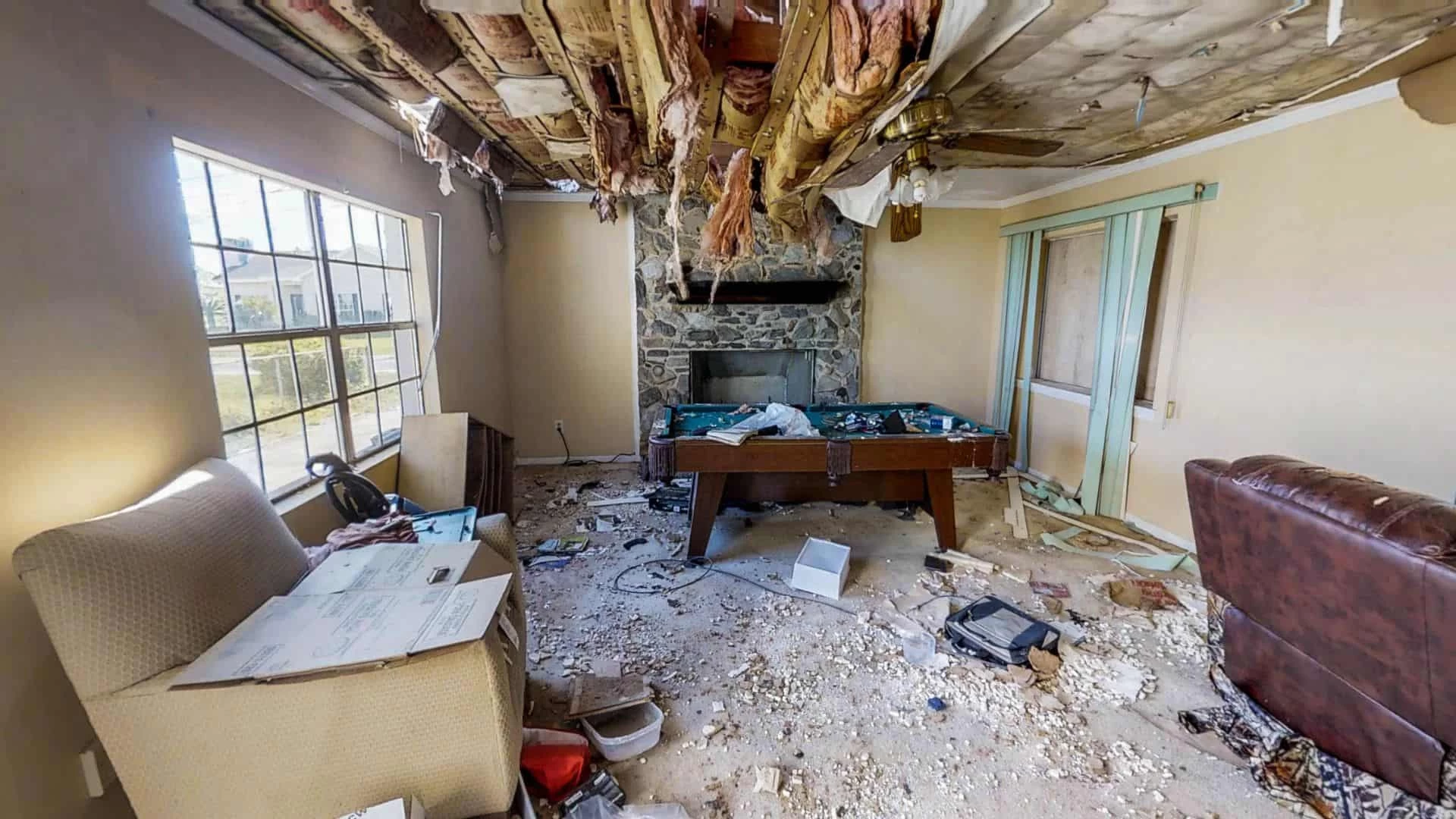
Most homeowners call about water damage expecting someone to show up with fans and a dehumidifier. That’s not restoration that’s surface-level drying that leaves hidden moisture inside your walls, under your subfloor, and behind your insulation. In a Port Jefferson Station home built in the 1950s or 1960s, that hidden moisture doesn’t stay quiet. It becomes mold, rot, and a problem that shows up on your next home inspection.
The homes along the streets feeding off Route 112 and Nesconset Highway weren’t built with modern waterproofing in mind. Original wood subfloors, crawl space foundations, and decades-old plumbing systems mean water travels further and faster than you’d expect. Professional moisture mapping finds it all not just what’s visible, but what’s soaking into the structure behind the drywall.
When the job is finished, your home should be back to what it was before the water hit or better. That means dried, repaired, documented, and closed out with your insurance company. That’s the standard, not the exception.
Local Water Restoration Company in Port Jefferson Station
One Local Call Covers the Whole Job
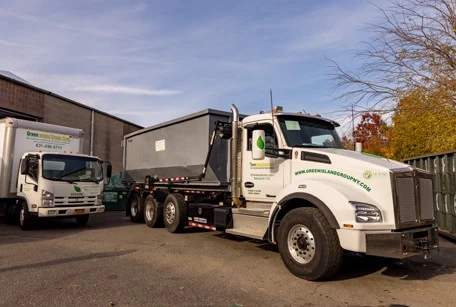
We’re a Long Island-based environmental and property restoration company not a franchise, not a call center, not a crew dispatched from somewhere three counties over. When you call the 631 number, a real person answers. When our crew shows up, they’re accountable to you directly.
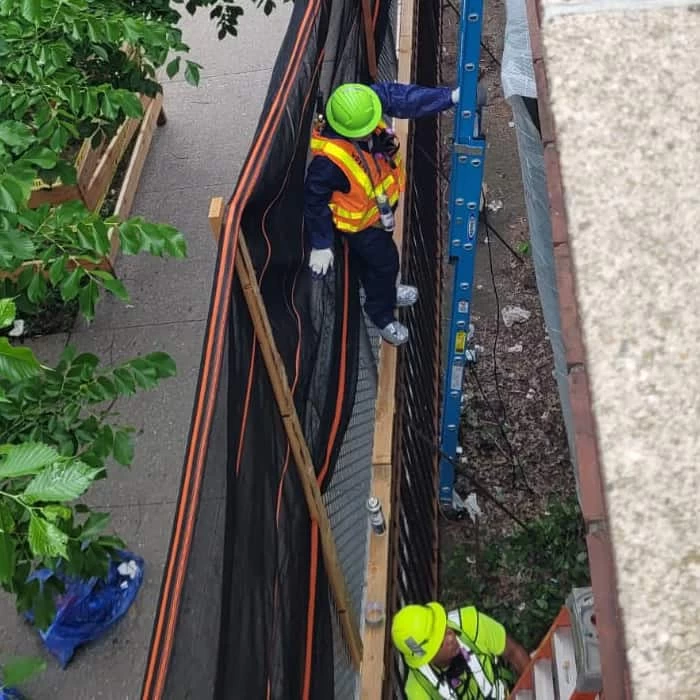
What makes a real difference in Port Jefferson Station specifically is the scope of what we handle under one roof. Water damage in a pre-1978 home and most homes in this hamlet are exactly that can uncover asbestos-containing materials, lead paint, or mold the moment demo begins. Most restoration companies stop there and hand you off to a specialist. We handle water extraction, structural drying, mold remediation, asbestos abatement, and lead paint compliance without the handoffs, without the delays, and without the gaps in accountability.
Brookhaven Town has its own permitting requirements for structural repairs. We know them. We work within them. And we make sure your job is documented the right way from start to finish.
Emergency Water Damage Process in Port Jefferson Station
What Actually Happens From First Call to Final Walkthrough
The first call starts the clock in the right direction. You reach a real person, describe what’s happening, and we get someone moving toward Port Jefferson Station day, night, weekday, or weekend. The goal at that stage is simple: stop the damage from getting worse.
Once on-site, the first thing we do is assess the full scope using thermal imaging cameras and calibrated moisture meters. This isn’t optional it’s the only way to know what you’re actually dealing with. Water in a 1960s ranch doesn’t stay where you see it. It travels through original wood framing, pools in crawl spaces, and saturates fiberglass insulation that holds moisture for days. We map every affected zone before a single piece of drywall is touched.
From there, extraction and structural drying begin with commercial-grade equipment not consumer fans. As the drying progresses, we document everything for your insurance claim: photos, moisture readings, scope of work, and daily logs that adjusters actually accept. If the job involves any structural repair, mold remediation, or hazardous material concerns common in Port Jefferson Station’s older housing stock that work is coordinated in sequence, not handed off. When we do the final walkthrough, you’ll know exactly what was done, why, and what your insurance covered.
Water Restoration Services in Port Jefferson Station, NY
Built for Older Homes, Coastal Weather, and Real Insurance Claims
Port Jefferson Station sits close enough to Long Island Sound that nor’easters hit hard here. The fire department on Route 112 has flooded during major rainfall events. Sump pumps get overwhelmed. Pipes in unheated crawl spaces freeze in January. These aren’t rare scenarios they’re the calls we get from this hamlet every single season.
The water damage restoration service we provide covers the full range: emergency water extraction, structural drying, dehumidification, moisture mapping, mold remediation, and complete structural repair. For homes built before 1978 which is most of Port Jefferson Station we’re also licensed to handle asbestos abatement and lead paint compliance under New York State Department of Labor requirements, so if demo work uncovers either one, the job doesn’t stop. It continues under the same crew, the same accountability, and the same timeline.
On the insurance side, we handle documentation and communicate directly with your adjuster. New York homeowners have the right to choose their own restoration contractor you’re not locked into whoever your insurance company recommends. We work with your policy, not around it, and we make sure the full covered scope gets documented and submitted correctly. For a home valued at $600,000 or more, that process matters more than most people realize until they’re in the middle of a claim.
How quickly can a water damage restoration company reach Port Jefferson Station, NY?
Response time matters more in water damage than almost any other home emergency. Mold can begin growing within 24 to 48 hours of water exposure that’s the documented standard from the IICRC, the industry’s leading certification body. Every hour of standing water or wet material increases the depth of saturation and the likelihood that you’re looking at mold remediation on top of water restoration.
We operate 24/7 with a local Long Island presence, which means response to Port Jefferson Station is real and direct not routed through a national call center that dispatches whoever’s available in the region. When you call the 631 number, you’re reaching someone who can actually tell you when our crew will be at your door, not give you a four-hour window and hope for the best. If you’re dealing with an active flood, a burst pipe, or a sump pump failure during a nor’easter, the faster you make that call, the more of your home we can protect.
Does homeowners insurance cover water damage from a burst pipe in Port Jefferson Station?
Generally, yes sudden and accidental water damage from a burst pipe is covered under most standard homeowners insurance policies in New York. The key word is “sudden.” Insurance companies draw a firm line between sudden pipe failures and gradual leaks that developed over time. If an adjuster can argue the damage was slow-building and you should have caught it earlier, they may dispute or reduce the claim.
In Port Jefferson Station, where a large portion of the housing stock has galvanized steel supply pipes that are 50 to 70 years old, that line gets tested regularly. Older pipes corrode from the inside, and what looks like a sudden failure to a homeowner may show signs of long-term degradation that an adjuster will flag. This is exactly why thorough documentation from the start of the restoration process matters not just photos of the damage, but a professional scope of work that establishes the nature and cause of the loss. We handle that documentation directly and communicate with your adjuster so the claim reflects what actually happened.
Can a flooded basement in Port Jefferson Station lead to mold, and how fast?
Yes, and faster than most homeowners expect. The 24 to 48 hour mold colonization window is real, and in a finished basement the kind found in most Port Jefferson Station homes built in the 1950s and 1960s the conditions are almost ideal for it. Carpet, drywall, wood framing, and fiberglass insulation all hold moisture and provide organic material for mold to feed on. Once it starts, it spreads.
The bigger issue is that consumer-grade drying box fans, a rented dehumidifier, wet-vac rental from the hardware store on Route 112 rarely gets the moisture that’s already wicked into the structure. You can dry the surface and still have saturated subfloor joists and wet insulation behind the walls. That’s where mold establishes itself, out of sight, until it shows up as a smell, a stain, or a surprise on a home inspection. Professional structural drying with commercial equipment and moisture meters is the only way to confirm the job is actually done not just visually dry.
My Port Jefferson Station home was built in the 1960s does water damage restoration work differently in older homes?
It does, in a few important ways. Homes built in the 1950s and 1960s the primary development era for Port Jefferson Station following the construction of Nesconset Highway often have construction materials and systems that aren’t found in newer builds. Galvanized steel plumbing, original wood subfloors, crawl space or slab foundations without modern moisture barriers, and older insulation materials all affect how water moves through the structure and how long it takes to dry properly.
The bigger complication is what demo work can uncover. Homes built before 1978 may contain asbestos in floor tiles, pipe insulation, joint compound, or ceiling tiles. Lead paint is also common in this era. When water damage restoration requires opening walls or replacing flooring which it often does disturbing those materials without proper handling is both a health risk and a legal issue under New York State Department of Labor regulations and the EPA’s RRP Rule. We’re licensed for asbestos abatement and lead paint compliance, which means if those materials turn up during your restoration, the job doesn’t stop or get handed to a different contractor. It continues safely and legally under the same team.
What's the difference between water mitigation and full water damage restoration?
Water mitigation is the emergency phase stopping the damage from getting worse. That includes water extraction, initial drying, and protecting the structure from further loss. It’s critical, and it needs to happen fast, but it’s not the finish line.
Full water damage restoration is everything that comes after: repairing or replacing damaged drywall, flooring, insulation, and structural elements, bringing the property back to its pre-loss condition. For a Port Jefferson Station homeowner, that distinction matters because some companies stop at mitigation and leave you to coordinate the rebuild separately. That creates gaps between the drying crew and the repair crew, between what was documented and what actually gets submitted to insurance, and between what you were told and what you end up with. We handle both phases under one roof, from the first emergency call through the final structural repair and insurance closeout. You shouldn’t have to manage multiple contractors to get your home back to normal.
How do I choose a water damage restoration company in Port Jefferson Station, NY?
The most important thing to look for is whether the company can actually complete the full scope of work your home may need not just the surface-level drying. In Port Jefferson Station, where most homes are 60 or more years old, a water damage job can quickly involve mold remediation, asbestos abatement, or lead paint compliance. If the company you hire isn’t licensed for those services, they’ll either stop work mid-job or proceed without the proper credentials neither of which is a good outcome for you.
Beyond licensing, look for a company with a real local presence. A 631 area code and a crew that actually knows Brookhaven Town’s permitting requirements is not a small detail it means faster response, direct accountability, and a team that won’t disappear after the fans are picked up. Ask whether they handle insurance documentation directly and whether they communicate with your adjuster. Ask for specific credentials, not just a logo on a truck. And pay attention to whether the reviews mention real names and specific situations that kind of detail is harder to fake and tells you more about how the company actually operates than any marketing language will.