When Water Enters a Riverhead Home, Here's What Happens Next
Water damage in Riverhead moves fast and so does mold. We provide certified water damage restoration that covers everything from the first call to the final inspection.
I needed a professional consultation explanation of procedure for safe removal of Asbestos in my apartment complex. Without having an account yet, I was very impressed with the caring, knowledgeable and generous advice offered by Jessica, and will look forward to doing business in the future. Thank you so much! I feel much more informed about a sometimes scary endeavor. Peace. Nancy Silva Mineola, NY.
Mia Munoz
Used this company to clean up some water flood in my house. They were fast and easy to work with.very professional, Would recommend to anyone!
Nini Valle
Great company, had a flood and they responded quickly and efficiently. Billed my insurance company directly. I highly recommend this company!
joe colapietro, jr
I had pipe freeze in my basement right before a snow storm and they made to within an hour to help start the clean up process. They we by our side throughout the entire process and even helped with the insurance company. They did such a great job with the cleanup, repair, remidiation, I contracted them to perform the repairs and finishes in the basement. They came with enough manpower and material to get the job done. Leo and Jessica were nothing but a pleasure to deal with!!
Cristian Arredondo c
I had some water damage in my home and Green Island was able to take care of my issue quickly and effectively. I am very pleased with the work they did. They responded quickly and were very professional.
Michael M
Outstanding service! From the office to the field crew everyone was friendly, helpful and responsive. I highly recommend Green Island Group.
Your Riverhead Home Dried Out, Documented, and Back to Normal
When water gets into your Riverhead home whether it’s from a burst pipe on a January night or a storm that pushed the Peconic River into your basement the clock starts immediately. Mold can begin growing within 24 to 48 hours of water exposure. That’s not optional biology, and it’s the reason a fast, thorough response matters more than anything else in those first hours.
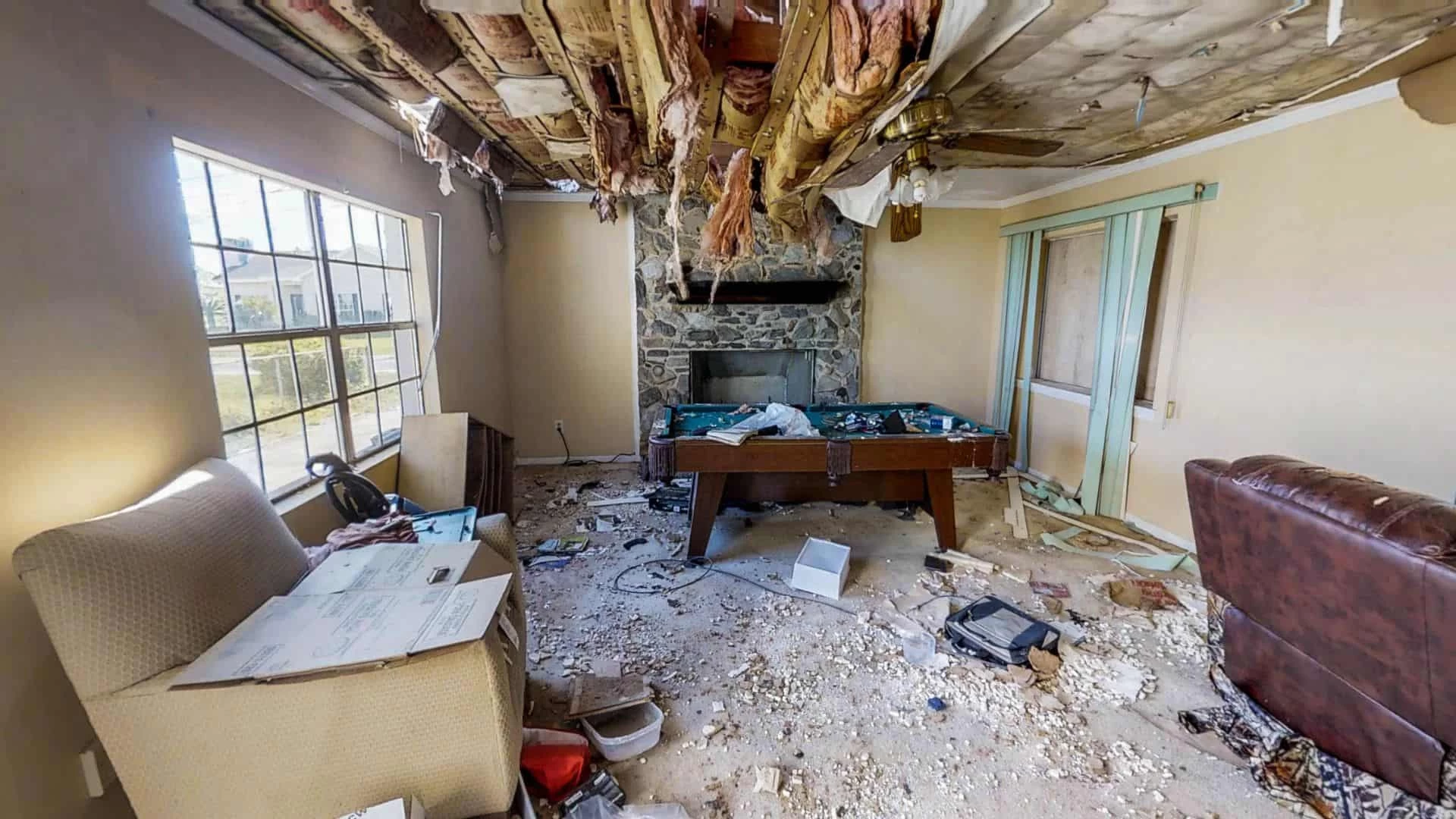
For homeowners in the downtown hamlet, Polish Town, and the river-corridor neighborhoods, that window is especially tight. Older homes in this part of Riverhead many built in the early 1900s have wall construction that absorbs moisture quickly and holds it longer than modern builds. Plaster walls, original hardwood floors over wood subfloors, minimal insulation in wall cavities water doesn’t just sit on the surface here. It moves deep, fast, and invisibly.
What you get when the job is done right: a fully dried structure confirmed by moisture readings, no hidden saturation left behind walls, clear documentation for your insurance claim, and the confidence that you’re not going to find mold two months from now. That’s the outcome. Everything else is just the process of getting there.
We’re an independent, full-service environmental and property restoration company serving Long Island and New York City. Not a franchise. Not a call center routing your job to whoever’s available. When you call, you’re reaching a team that actually knows Riverhead including what it means to restore a pre-war home in Polish Town or deal with the kind of flooding that shut down Peconic Lane during Sandy.
What sets us apart in Riverhead specifically is the scope of what we handle under one roof. Water damage in an older home here often means you’re one wall opening away from discovering asbestos-containing materials or lead paint both of which are regulated under New York State law and require licensed contractors to handle legally. We’re licensed for asbestos abatement and lead paint removal in addition to water damage restoration and mold remediation. That means no delays waiting on a second contractor, no liability gaps, and no one passing the problem off.
We’ve worked across Riverhead from the downtown hamlet to the outlying areas of Calverton, Aquebogue, and Jamesport and that geographic reach across the full township is backed by 24/7 emergency availability, every day of the year.
From Standing Water to Signed Off Here's the Full Picture
The first step is assessment, and it goes deeper than what you can see. We use thermal imaging cameras and calibrated moisture meters to map the full extent of saturation behind plaster walls, under flooring, inside structural cavities. In Riverhead’s older housing stock, this step is especially important. Surface drying is not enough when moisture has already penetrated original lath-and-plaster construction or traveled under hardwood floors. The equipment shows exactly where the water went, so nothing gets missed.
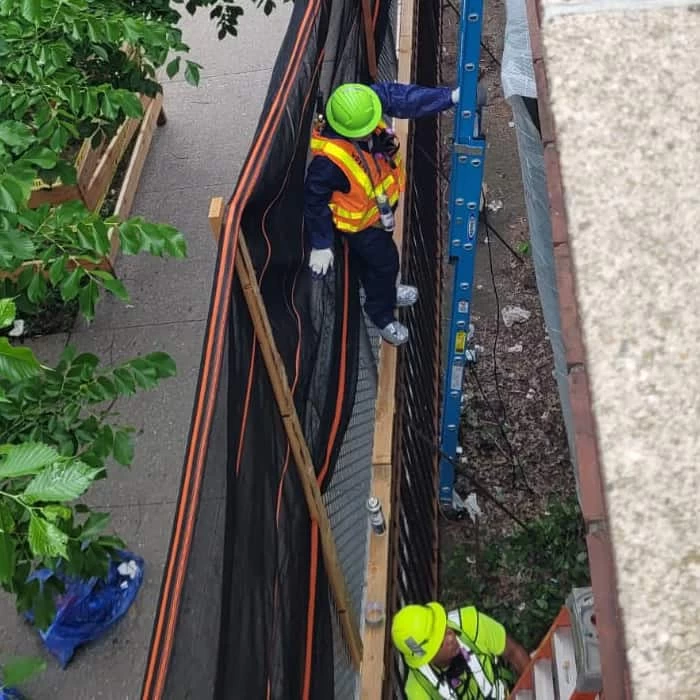
Once the scope is confirmed, we begin water extraction and structural drying. Industrial-grade air movers and dehumidifiers run continuously until moisture readings confirm the structure has reached safe drying standards per IICRC guidelines. If the job involves pre-1978 construction which applies to a large portion of homes in the hamlet and surrounding areas any materials that need to be removed are handled in compliance with New York State NYSDOL asbestos regulations and EPA RRP lead paint requirements. That’s not optional under state law, and we handle it in-house rather than handing it off.
Throughout the process, we document everything moisture logs, photo records, scope of loss in the format insurance adjusters need. For properties in Riverhead’s designated flood zones along the Peconic River corridor, that documentation is particularly important, since flood insurance claims through the NFIP operate differently than standard homeowners claims and require more detailed loss reporting to process correctly.
Emergency Water Damage Restoration in Riverhead, NY
What's Actually Included When You Call Us
Water damage restoration here covers the full scope not just the extraction, but everything that follows. We provide moisture mapping with thermal imaging, water removal, structural drying with industrial equipment, antimicrobial treatment to prevent mold growth, and final clearance testing to confirm the structure meets drying standards before the job is closed. Every step is documented with the kind of detail that holds up when you’re working through an insurance claim.
For Riverhead properties specifically, our service extends to the hazardous material concerns that come with older construction. Homes in Polish Town and the downtown hamlet were largely built before 1978, which means lead paint is a real possibility in any wall or surface that gets disturbed during restoration. Structures from before 1980 may contain asbestos in floor tiles, pipe insulation, joint compound, or ceiling materials. Our in-house licensing for both asbestos abatement and lead paint removal means those issues get handled by the same team, on the same timeline, without pulling in outside contractors and waiting on their schedules.
We also offer mold remediation in-house if testing confirms active growth which matters because in Riverhead’s older, less-ventilated construction, a water event that isn’t fully dried and treated can turn into a mold problem faster than most homeowners expect. The full-service model exists specifically for situations like these, where one problem has a way of uncovering the next.
Does homeowners insurance cover water damage from Peconic River flooding in Riverhead?
This is one of the most important distinctions for Riverhead homeowners to understand before a loss happens, not after. Standard homeowners insurance policies do not cover flooding meaning water that enters your home from an overflowing river, storm surge, or rising groundwater. For properties in the flood zones along the Peconic River corridor and Peconic Bay waterfront areas in Riverhead, flood coverage requires a separate policy through the National Flood Insurance Program (NFIP) or a private flood insurer.
What standard homeowners insurance typically does cover is sudden and accidental water damage from internal sources a burst pipe, a failed appliance, an ice dam that forces water through the roof. If you’re not sure which type of policy you have or what it covers, that’s worth confirming before the next nor’easter season. When a loss does occur, we handle documentation and adjuster communication for both types of claims, including the more detailed scope-of-loss reporting that NFIP flood claims require.
How quickly can mold develop after a water damage event in my Riverhead home?
Mold can begin colonizing within 24 to 48 hours of water exposure and in Riverhead’s older housing stock, that timeline can feel even shorter. Homes with original plaster-on-lath walls, minimal wall insulation, and older wood framing absorb and retain moisture in ways that newer construction doesn’t. Once moisture is trapped inside a wall cavity or under flooring, the conditions for mold growth darkness, organic material, and moisture are all present. Surface drying alone won’t stop it.
That’s why the response timeline matters as much as anything else. A water damage event that gets professional attention within the first few hours is a very different job than one that sits for a day or two. If you’re dealing with an active water event or you’ve discovered damage that’s been sitting for a while the sooner a professional assessment happens, the better your options are.
My Riverhead home was built before 1978 does that affect the restoration process?
Yes, and it’s something every homeowner in Polish Town, the downtown hamlet, and the surrounding mid-century residential areas should understand going in. Homes built before 1978 are presumed to contain lead paint under EPA regulations, and any restoration work that disturbs painted surfaces requires compliance with the EPA’s Renovation, Repair and Painting (RRP) rule. Contractors performing that work must be EPA RRP certified it’s not a recommendation, it’s a legal requirement.
Beyond lead paint, homes built before 1980 may contain asbestos in floor tiles, ceiling tiles, pipe insulation, joint compound, or other building materials. When water damage restoration requires opening walls or removing flooring in these Riverhead homes, any suspect materials need to be tested and if positive abated by a New York State NYSDOL licensed asbestos contractor before the work can continue. We hold both certifications, which means these requirements are handled in-house rather than creating a multi-contractor coordination problem that adds weeks to your timeline.
How does the drying process actually work, and how long does it take?
Structural drying is not just running fans until things feel dry. The process starts with moisture mapping using thermal imaging cameras and calibrated moisture meters to document exactly where saturation exists, including inside wall cavities, under flooring, and in structural framing that isn’t visible to the eye. That baseline reading determines where equipment gets placed and what the drying targets need to be.
Industrial air movers and commercial dehumidifiers then run continuously typically for three to five days, though the exact timeline depends on the extent of the damage, the materials involved, and the ambient conditions. In Riverhead, seasonal humidity levels matter here: a summer loss during a stretch of humid North Fork weather takes longer to dry than the same job in February. Equipment placement is adjusted daily based on moisture readings, and the job isn’t considered complete until final readings confirm the structure has reached IICRC drying standards throughout not just on the surface.
What should I do immediately after discovering water damage in my home?
The first thing is to stop the source if you can shut off the water supply valve if it’s a burst pipe, or avoid the area if it’s storm-related flooding. Don’t run HVAC systems that could spread contaminated air through the home, and don’t use household fans or vacuums on standing water they’re not built for this and can make things worse by spreading moisture into unaffected areas.
Document everything before anything gets moved or cleaned up. Photos and video of the damage as you found it are important for your insurance claim, and the more thorough the documentation, the better. Then call a professional. In Riverhead, where a lot of homes have older construction that doesn’t telegraph the full extent of water penetration on the surface, a professional moisture assessment is the only reliable way to know how far the damage actually goes. Waiting to see if it dries on its own is the decision that most often turns a manageable remediation into a full mold abatement project.
Can water damage restoration be done while I'm still living in my Riverhead home?
In most cases, yes though it depends on the extent of the damage and what materials are involved. For straightforward water damage without hazardous materials, the drying equipment runs in the affected areas while the rest of the home remains livable. The equipment is loud and the affected rooms will be off-limits during active drying, but full displacement isn’t usually necessary for a contained loss.
Where it gets more complicated is when the job involves asbestos abatement or lead paint work, both of which are common in Riverhead’s older housing stock. Those phases require containment barriers and specific air handling protocols under New York State law, and depending on where in the home the work is being done, temporary relocation may be the safer and more practical option. That determination gets made during the initial assessment, so you’ll know what to expect before work begins not in the middle of the project. If displacement is necessary, your insurance policy may cover temporary housing costs as part of the loss of use provision, which is worth reviewing with your adjuster.