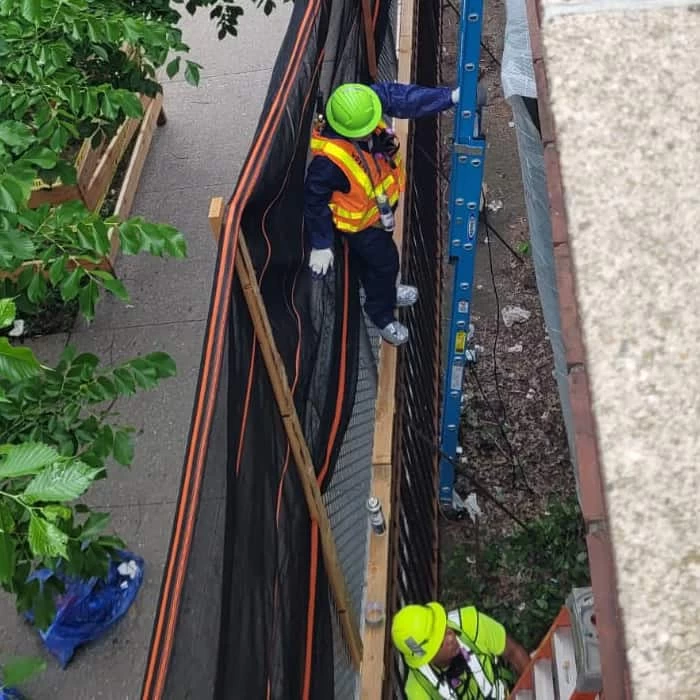
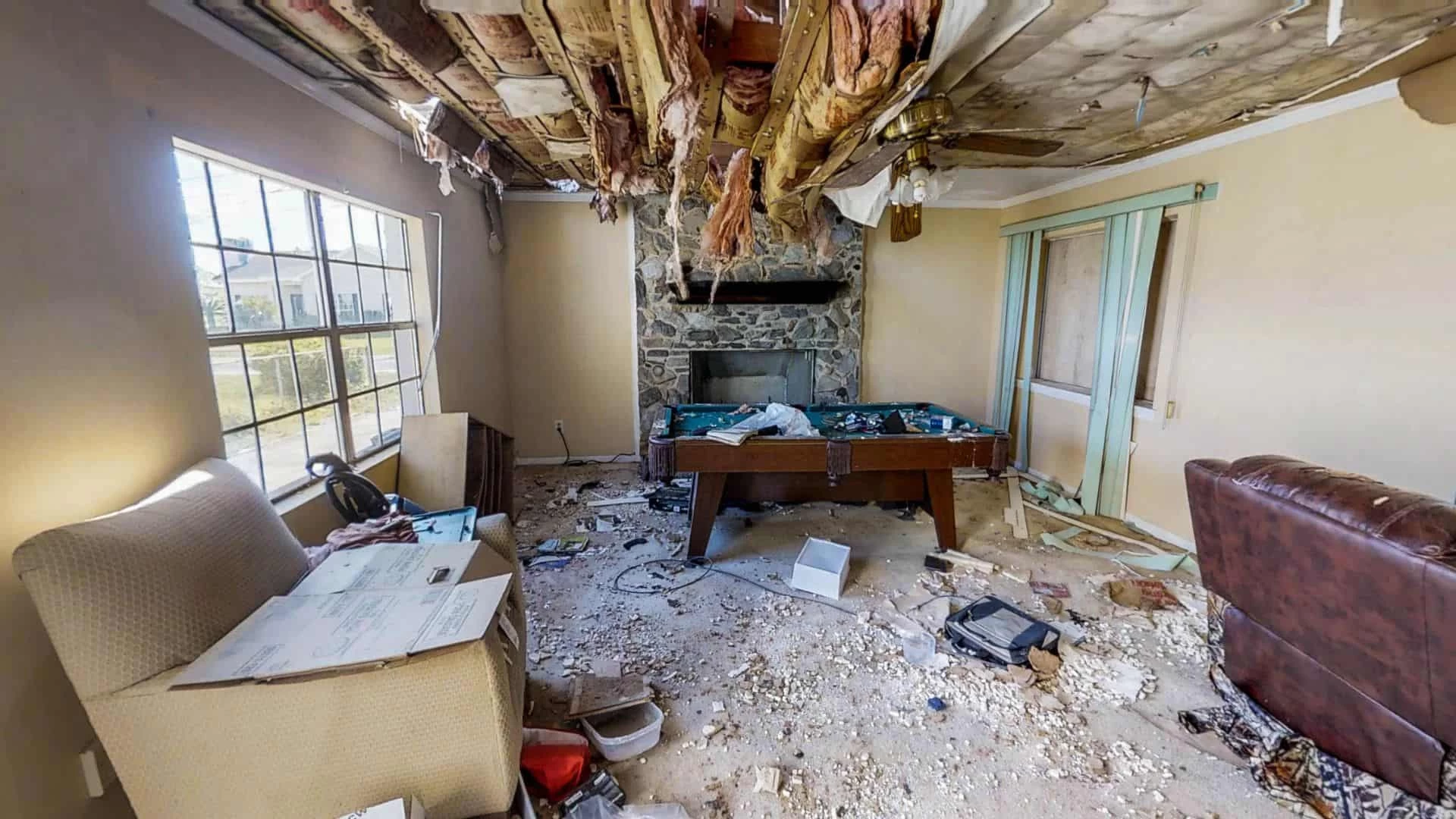
I needed a professional consultation explanation of procedure for safe removal of Asbestos in my apartment complex. Without having an account yet, I was very impressed with the caring, knowledgeable and generous advice offered by Jessica, and will look forward to doing business in the future. Thank you so much! I feel much more informed about a sometimes scary endeavor. Peace. Nancy Silva Mineola, NY.
Mia Munoz
Used this company to clean up some water flood in my house. They were fast and easy to work with.very professional, Would recommend to anyone!
Nini Valle
Great company, had a flood and they responded quickly and efficiently. Billed my insurance company directly. I highly recommend this company!
joe colapietro, jr
I had pipe freeze in my basement right before a snow storm and they made to within an hour to help start the clean up process. They we by our side throughout the entire process and even helped with the insurance company. They did such a great job with the cleanup, repair, remidiation, I contracted them to perform the repairs and finishes in the basement. They came with enough manpower and material to get the job done. Leo and Jessica were nothing but a pleasure to deal with!!
Cristian Arredondo c
I had some water damage in my home and Green Island was able to take care of my issue quickly and effectively. I am very pleased with the work they did. They responded quickly and were very professional.
Michael M
Outstanding service! From the office to the field crew everyone was friendly, helpful and responsive. I highly recommend Green Island Group.
Most water damage restoration companies do the visible part extract the standing water, drop some equipment, and hand you a bill. What they leave behind is the problem. Moisture hiding inside wall cavities, soaked subfloor sheathing under your finished basement carpet, and saturated insulation behind drywall that was installed in 1968. None of that shows up until it becomes mold.
In Ronkonkoma, that risk is real. A significant share of homes here were built between the 1950s and 1970s construction that predates modern insulation standards, uses materials that absorb and hold moisture aggressively, and in many cases sits on ground with a naturally elevated water table near Lake Ronkonkoma. When water gets in, it doesn’t just sit on the surface. It travels, and older homes give it more places to go.
When the job is done right, you get your basement back the finished room your family actually uses, not a gutted shell waiting on a second contractor. You get confirmation, through thermal imaging and calibrated moisture readings, that the moisture is gone not just the moisture you could see. And if the demo work uncovers anything else, like asbestos-containing joint compound or lead paint in a pre-1978 home, that gets handled too. One call, one company, no gaps.
We Know Ronkonkoma's Jurisdictional Splits and Groundwater Challenges
We are a Long Island-based environmental and property restoration company serving Suffolk County homeowners and commercial property owners. We handle the full scope of what water damage actually involves extraction, structural drying, mold remediation, asbestos abatement, lead paint assessment, and air quality testing all under one roof.
That matters in Ronkonkoma specifically. This hamlet straddles both the Town of Islip and the Town of Brookhaven, which means permit requirements and building code compliance differ depending on which side of the line your home sits on. A company that doesn’t know that distinction can create delays and compliance problems that fall back on you. We know both sides.
Our customers name individual staff members in their reviews. They describe being walked through the process clearly, not handed off to an anonymous crew. In a community where word of mouth carries real weight and where neighbors talk that kind of accountability is not a small thing.
No Surprises Here Is Exactly What Happens from First Call to Final Walkthrough
When you call, the first thing that happens is an honest assessment not a sales pitch. A technician comes to your home, walks the affected areas, and uses thermal imaging cameras and moisture meters to map the full extent of the damage. What you can see is rarely all of it, especially in Ronkonkoma’s older homes where moisture migrates into wall cavities, under floors, and behind finishes before it ever shows on the surface.
From there, extraction and drying begin. Industrial-grade equipment pulls the water out and drives moisture levels down to safe, documented thresholds not just “feels dry.” The drying phase typically takes several days depending on the scope, and you’ll know what’s happening throughout. If the work involves structural repairs, plumbing modifications, or electrical work, we handle the permit process through the appropriate Town of Islip or Town of Brookhaven building division, along with any Suffolk County Department of Health Services requirements for sanitary construction.
If demo work uncovers asbestos or lead paint which is a realistic possibility in homes built before 1978, and Ronkonkoma has plenty of them we handle that work in-house under proper New York State licensing. Nothing gets handed off to a third party, and nothing gets skipped because it’s inconvenient. The final walkthrough confirms every affected area has been addressed before the job is closed.
Water damage in a Ronkonkoma home built in the 1960s or 1970s is almost never just a water problem. Wet drywall in a home that age may contain asbestos-bearing joint compound. Disturbed flooring can reveal lead paint. Hidden moisture becomes mold within 24 to 48 hours a window that closes fast, especially in finished basements where air circulation is limited and materials are dense.
We provide water damage restoration covering the full scope: emergency water extraction, structural drying with documented moisture mapping, mold remediation, asbestos testing and abatement under NYS Department of Labor licensing, EPA RRP-compliant lead paint handling, and post-remediation air quality testing. For homeowners near Lake Hills or in the Lake Ronkonkoma East area, where hydrostatic pressure against older foundation walls is a documented local issue, we account for the specific groundwater dynamics of those neighborhoods not a generic drying protocol copied from elsewhere.
For commercial property owners in the MacArthur Airport industrial corridor the warehouses, flex-industrial buildings, and logistics operations along Veterans Memorial Highway and the I-495 service roads we also handle large-scale commercial water damage restoration. That includes industrial extraction, contents protection, and full insurance documentation to support your claim and minimize business interruption. Residential or commercial, the process is the same: thorough, documented, and done once.
How fast does mold actually start growing after a basement flood in Ronkonkoma?
The IICRC standard is clear on this: mold colonization can begin within 24 to 48 hours of water exposure. That is not a worst-case scenario that is the documented baseline under normal conditions. In Ronkonkoma’s older finished basements, where drywall may be decades old, insulation is less effective, and air movement is limited, conditions can accelerate that timeline.
The practical implication is that waiting to see if things dry out on their own is not a neutral decision. Every hour between the flood and professional extraction is an hour mold has to establish itself behind your walls, under your floors, and inside your ceiling cavities. By the time you can see or smell it, it has already been there for a while. Calling as soon as the water appears not after you’ve tried the shop-vac for two days is the difference between a drying job and a mold remediation job. Those are not the same cost.
Does homeowners insurance cover water damage from a burst pipe or sump pump failure?
Generally, yes sudden and accidental water damage from a burst pipe is covered under a standard homeowners insurance policy in New York. A pipe that freezes and bursts during a January cold snap, a water heater that fails without warning, a washing machine supply line that lets go these are typically covered events. What is not covered under a standard policy is flooding from an external source, like groundwater rising into your basement from the elevated water table near Lake Ronkonkoma, or stormwater backing up through a drain.
Sump pump failure is a specific case worth understanding. Standard homeowners policies often exclude sump pump overflow unless you have a separate water backup endorsement added to your policy. If your finished basement flooded because the sump pump gave out during a heavy rain, the coverage question depends on what riders you carry. We work directly with insurance carriers documenting the damage, communicating with adjusters, and handling the billing so you are not navigating that process alone while also dealing with a flooded home.
How long does it take to fully dry out a finished basement after water damage?
The honest answer is that it depends on how much water got in, how long it sat before extraction started, and what materials are involved. A finished basement with carpeting, drywall, and a drop ceiling absorbs and holds moisture differently than an unfinished concrete space. In most residential jobs, the structural drying phase runs three to five days with professional equipment but that timeline assumes extraction started quickly. A basement that sat wet for 48 hours before anyone called is going to take longer and may require more demo to reach the moisture trapped inside the wall assembly.
The equipment used matters too. Consumer-grade dehumidifiers and box fans are not drying equipment they move air and reduce surface humidity, but they do not drive moisture out of wall cavities or subfloor sheathing. Professional drying uses high-capacity dehumidifiers, air movers positioned to create specific airflow patterns, and daily moisture readings to confirm the drying curve is progressing correctly. The job is not done when things feel dry. It is done when calibrated moisture meters confirm that readings are within acceptable thresholds throughout the affected area.
What happens if asbestos or lead paint is found during water damage restoration in my Ronkonkoma home?
If your home was built before 1980, asbestos is a realistic possibility in joint compound, floor tiles, pipe insulation, and ceiling materials. If it was built before 1978, lead paint may be present on any painted surface. Water damage jobs that involve demo removing wet drywall, pulling up flooring, opening wall cavities can disturb these materials. Under New York State law, asbestos abatement requires a licensed contractor through the NYS Department of Labor. The EPA’s Renovation, Repair and Painting Rule requires certified contractors for work disturbing lead paint in pre-1978 homes.
We hold the environmental credentials to handle both in-house. That matters because a restoration company that is not licensed for asbestos or RRP-certified for lead cannot legally complete a full restoration job in many of Ronkonkoma’s older homes and stopping mid-job to wait for a second company creates delays, additional costs, and gaps in the chain of documentation that can complicate your insurance claim. When everything is handled under one roof, the job moves forward without those interruptions.
Can I stay in my house during the water damage restoration process?
In most cases, yes particularly when the water damage is confined to one area of the home, like a finished basement or a single bathroom. The drying equipment runs continuously and is loud, but it does not require the home to be vacated. Your daily routine will be disrupted, but you can typically remain in the unaffected portions of the house throughout the process.
The exception is when hazardous materials are involved. If asbestos abatement or lead paint remediation is required as part of the restoration, the affected areas must be properly contained and isolated, and depending on the scope, temporary relocation may be necessary for the duration of that specific phase. Our restoration team will be clear about this before work begins not after. If your insurance policy includes loss of use coverage, temporary housing costs during a mandatory displacement may be reimbursable. We can help you document that portion of the claim as well.
How do I choose the right water restoration company in Ronkonkoma, NY?
Start with a few concrete questions. Are the technicians IICRC-certified? That credential from the Institute of Inspection, Cleaning and Restoration Certification means the company follows documented, science-based drying protocols rather than guessing. Does the company carry the environmental licenses required for asbestos and lead paint work in New York State? In Ronkonkoma, where a large share of the housing stock predates 1980, this is not a hypothetical it is a practical requirement for a complete job.
Also consider whether the company is genuinely local or routing your call through a national dispatch center. Ronkonkoma straddles the Town of Islip and the Town of Brookhaven, and permit requirements differ between them. A company unfamiliar with that jurisdictional split or with the groundwater conditions near Lake Ronkonkoma, or with how hydrostatic pressure affects older foundations in the Lake Hills area is going to treat your home like a generic job. The right company already knows this area, has worked in it, and brings that knowledge to your specific situation from the first call.