Water damage in Sayville moves fast and so does mold. We provide emergency water damage restoration for South Shore homes, with local crews ready around the clock.
I needed a professional consultation explanation of procedure for safe removal of Asbestos in my apartment complex. Without having an account yet, I was very impressed with the caring, knowledgeable and generous advice offered by Jessica, and will look forward to doing business in the future. Thank you so much! I feel much more informed about a sometimes scary endeavor. Peace. Nancy Silva Mineola, NY.
Mia Munoz
Used this company to clean up some water flood in my house. They were fast and easy to work with.very professional, Would recommend to anyone!
Nini Valle
Great company, had a flood and they responded quickly and efficiently. Billed my insurance company directly. I highly recommend this company!
joe colapietro, jr
I had pipe freeze in my basement right before a snow storm and they made to within an hour to help start the clean up process. They we by our side throughout the entire process and even helped with the insurance company. They did such a great job with the cleanup, repair, remidiation, I contracted them to perform the repairs and finishes in the basement. They came with enough manpower and material to get the job done. Leo and Jessica were nothing but a pleasure to deal with!!
Cristian Arredondo c
I had some water damage in my home and Green Island was able to take care of my issue quickly and effectively. I am very pleased with the work they did. They responded quickly and were very professional.
Michael M
Outstanding service! From the office to the field crew everyone was friendly, helpful and responsive. I highly recommend Green Island Group.
Your Home Dried Out, Cleared Out, and Back to Normal
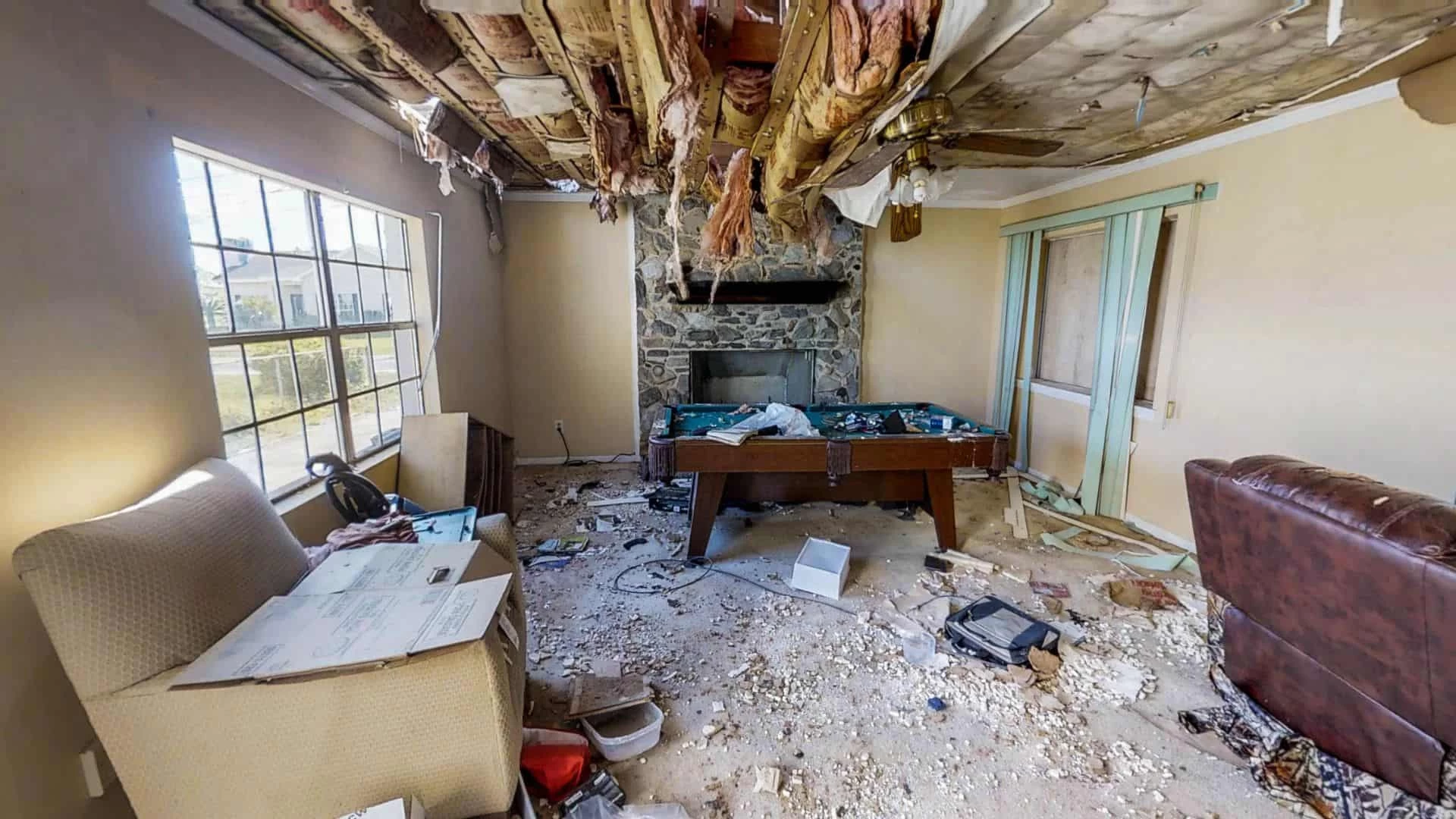
When water gets into your home whether it’s bay flooding pushing up from the south end of town, a burst pipe in a 100-year-old Victorian off Greene Avenue, or a sump pump that gave out during a nor’easter the clock starts immediately. Mold can begin growing inside wall cavities and under subfloors within 24 to 48 hours. By the time you can smell it, you’re already dealing with a second problem on top of the first one.
What you get on the other side of a proper restoration isn’t just dry walls. It’s knowing the moisture is actually gone not just off the surface, but behind the drywall, under the flooring, and inside the framing where consumer fans and box store dehumidifiers never reach. That’s the difference between a job that’s done and a job that looks done.
Sayville’s housing stock makes this especially important. A lot of the most desirable homes here were built between 1880 and the mid-20th century beautiful properties with plaster walls, original hardwood floors, and layered renovation history. Older construction holds moisture differently than modern builds, and it often hides it better too. Getting it right the first time means you’re not dealing with a mold remediation call three months from now.
We’re a Long Island environmental and restoration company not a national franchise, not a call center routing jobs to whoever’s available. When you call, you’re reaching a local team that knows Suffolk County, knows the Town of Islip, and knows what South Shore homes in Sayville actually deal with.
That matters here more than it might somewhere else. Sayville’s coastal position on the Great South Bay means flooding events aren’t hypothetical they’re part of life on this stretch of the South Shore. The community felt Sandy in a way that’s hard to forget, and nor’easters push bay water into the southern end of town on a near-annual basis. A restoration company that understands that history brings a different level of readiness to the job.
Beyond water damage, we handle mold remediation, asbestos testing and abatement, lead paint services, fire and smoke damage, and air quality testing all under one roof. For a community where a large portion of the housing stock predates 1978, that matters. Water damage in an older Sayville home can uncover materials that require licensed environmental handling, and you shouldn’t have to find a second company mid-project to deal with it.
What Actually Happens From First Call to Finished Job
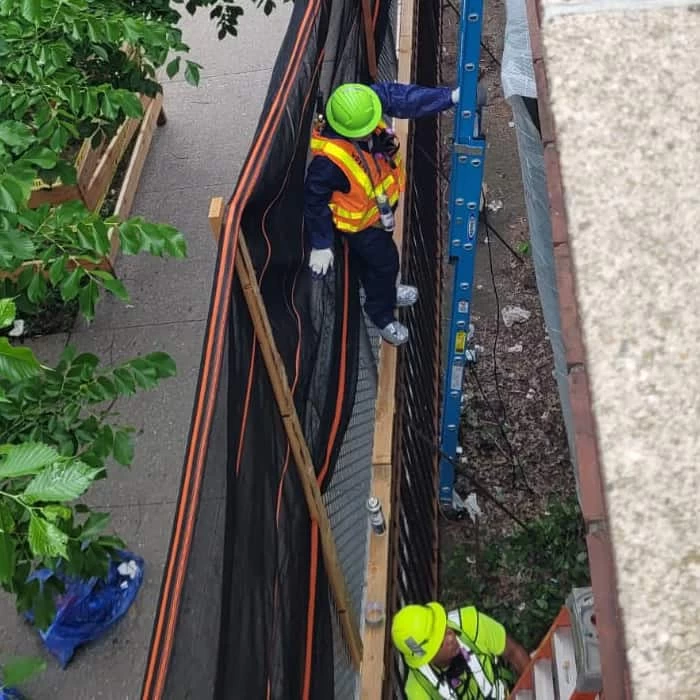
The first call triggers an emergency response. A crew is dispatched not scheduled for next week, not added to a queue. When the situation is active, response time is everything, and that’s how we treat it. Once on-site, our first priority is stopping any ongoing water intrusion and assessing the full scope of damage, including areas you can’t see. Moisture meters and thermal imaging identify saturation inside walls, beneath floors, and inside structural cavities before any drying equipment is placed.
From there, industrial-grade air movers and dehumidifiers are set up to pull moisture out of the structure systematically not just the air in the room. This phase takes time, and it’s monitored with readings, not guesswork. In Sayville’s older homes, this step is especially important because original construction materials wood lath, plaster, old-growth hardwood behave differently under saturation than modern drywall and engineered flooring.
Once drying is confirmed complete, the restoration phase begins: replacing damaged materials, addressing any mold that developed, and returning the space to its pre-loss condition. If the job involves structural repairs, we’re familiar with the Town of Islip Building Department’s permit requirements and can navigate that process so it doesn’t stall your project. If asbestos or lead paint is encountered which is a real possibility in pre-1978 homes throughout Sayville that’s handled in-house with the proper licensing, not handed off or ignored.
One Company Handles the Water, the Mold, and Everything After
Water damage restoration in Sayville isn’t a single-step job, and the scope of what’s needed depends heavily on the property. For homes south of Montauk Highway with direct bay exposure, storm surge events can affect multiple levels of a structure simultaneously. For the older neighborhoods closer to Town Center, the concern is often hidden moisture in plaster walls and wood subfloors that standard drying equipment doesn’t reach without proper placement and monitoring.
Our service covers the full range: emergency water extraction, structural drying, moisture documentation, mold remediation, asbestos and lead paint handling for older homes, odor removal, material replacement, and complete finish restoration. Insurance claims assistance is included we work directly with adjusters, document damage thoroughly, and handle direct billing so you’re not managing that process on top of everything else. For homeowners near the water who carry both standard homeowner’s insurance and separate flood insurance, that support is especially valuable given how complex NFIP claims can be.
The goal isn’t to hand you back a dry house and leave. It’s to return your property to the condition it was in before any of this happened which, for a home worth $700,000 or more on the South Shore, is the only standard that makes sense.
How quickly does mold start growing after water damage in a Sayville home?
Mold can begin colonizing wet structural materials within 24 to 48 hours of initial water exposure and in Sayville’s coastal climate, that window is tight. The humidity levels along the Great South Bay don’t give saturated materials much of a chance to dry on their own, especially in older homes where wall cavities and subfloor assemblies trap moisture effectively.
This is why response time matters so much. The longer water sits in a structure, the more likely you are to be dealing with a mold remediation job on top of a water damage restoration job. Professional extraction and drying equipment significantly reduces that risk, but only if it’s deployed quickly. If you’re seeing standing water, wet drywall, or saturated flooring, the right move is to call immediately not after the weekend, not after the storm fully passes.
Does homeowner's insurance cover water damage restoration costs in Sayville, NY?
It depends on the source of the water. Standard homeowner’s insurance typically covers sudden and accidental water damage a burst pipe, an appliance failure, a roof leak from a storm. It generally does not cover flooding from an external source, which is where flood insurance (either through the NFIP or a private carrier) comes in.
For Sayville homeowners near the Great South Bay, this distinction is critical. Properties in FEMA-designated Special Flood Hazard Areas are required to carry flood insurance for federally backed mortgages, and many South Shore homeowners carry both policies. The NFIP claims process is notoriously complex and different from a standard homeowner’s claim. We work directly with adjusters on both types of claims, handle the damage documentation, and assist with direct billing which removes a significant burden from an already stressful situation.
What should I do immediately after discovering water damage in my home?
The most important thing is to act fast and not wait to see if it dries on its own. If it’s safe to do so, shut off the water source if the damage is from a pipe or appliance. Move valuables, documents, and electronics out of the affected area. Don’t run standard household fans over standing water they circulate air but don’t remove moisture from structural materials, and they can spread contaminants if the water source is a drain backup or sewage-related.
Call a professional restoration company as soon as possible. Take photos and video of the damage before anything is moved or touched this documentation is important for your insurance claim. Avoid removing wet materials yourself if your home was built before 1978, since disturbing older flooring, drywall, or pipe insulation without testing can expose asbestos or lead paint. In Sayville’s older housing stock, that’s a real consideration, not a remote one.
My Sayville home was built in the 1920s does that change what's involved in the restoration?
Yes, significantly. Homes built in the early 20th century and Sayville has a substantial number of them, particularly in the historic neighborhoods near Town Center were constructed with materials and methods that are very different from modern builds. Plaster walls, wood lath framing, old-growth hardwood floors, and original pipe insulation all respond to water damage differently than contemporary drywall and engineered materials. They hold moisture longer, dry more slowly, and require more careful monitoring to confirm complete drying.
More importantly, homes built before 1978 may contain asbestos in floor tiles, pipe insulation, joint compound, and textured ceilings and lead paint on trim, windows, and doors. Any water damage restoration that disturbs these materials requires licensed handling under New York State DOL regulations and the EPA’s Renovation, Repair and Painting Rule. We hold the required licensing to identify and handle these materials in-house, which means your restoration doesn’t stop mid-project while you track down a separate abatement contractor.
How long does water damage restoration typically take from start to finish?
The drying phase alone typically takes three to five days, depending on the extent of saturation, the materials involved, and the conditions inside the structure. Older homes which make up a large portion of Sayville’s most desirable residential properties often take longer because original construction materials retain moisture more stubbornly than modern ones. Drying is confirmed with moisture readings, not a calendar, so the timeline is driven by actual data rather than a fixed schedule.
After drying is complete, the restoration phase replacing damaged materials, addressing any mold, and finishing the space back to its pre-loss condition varies based on scope. A straightforward pipe leak with limited damage might be resolved in a week to ten days total. A storm surge event affecting multiple rooms in a waterfront property near the bay could take several weeks. If structural repairs require permits from the Town of Islip Building Department, that process is factored in from the start to avoid delays.
Can water damage restoration help prevent mold, or is it too late once the water is gone?
Proper restoration is specifically designed to prevent mold that’s one of its primary functions, not a secondary benefit. The key is confirming that moisture is fully eliminated from inside the structure, not just off the visible surfaces. Mold grows in wall cavities, under subfloors, and inside framing where the air looks and feels dry but the materials are still holding moisture. Professional moisture meters and thermal imaging catch those areas. Standard drying without that level of monitoring is what leads to mold appearing weeks later behind a wall that felt fine to the touch.
If mold has already begun developing by the time restoration starts which can happen if there was a delay between the water event and the call that’s handled as part of the same project. Our mold remediation capability means you’re not starting over with a second company. In Sayville’s humid, bay-adjacent climate, the combination of fast response, thorough drying, and integrated mold remediation is what actually closes the loop on a water damage event rather than just delaying the next problem.