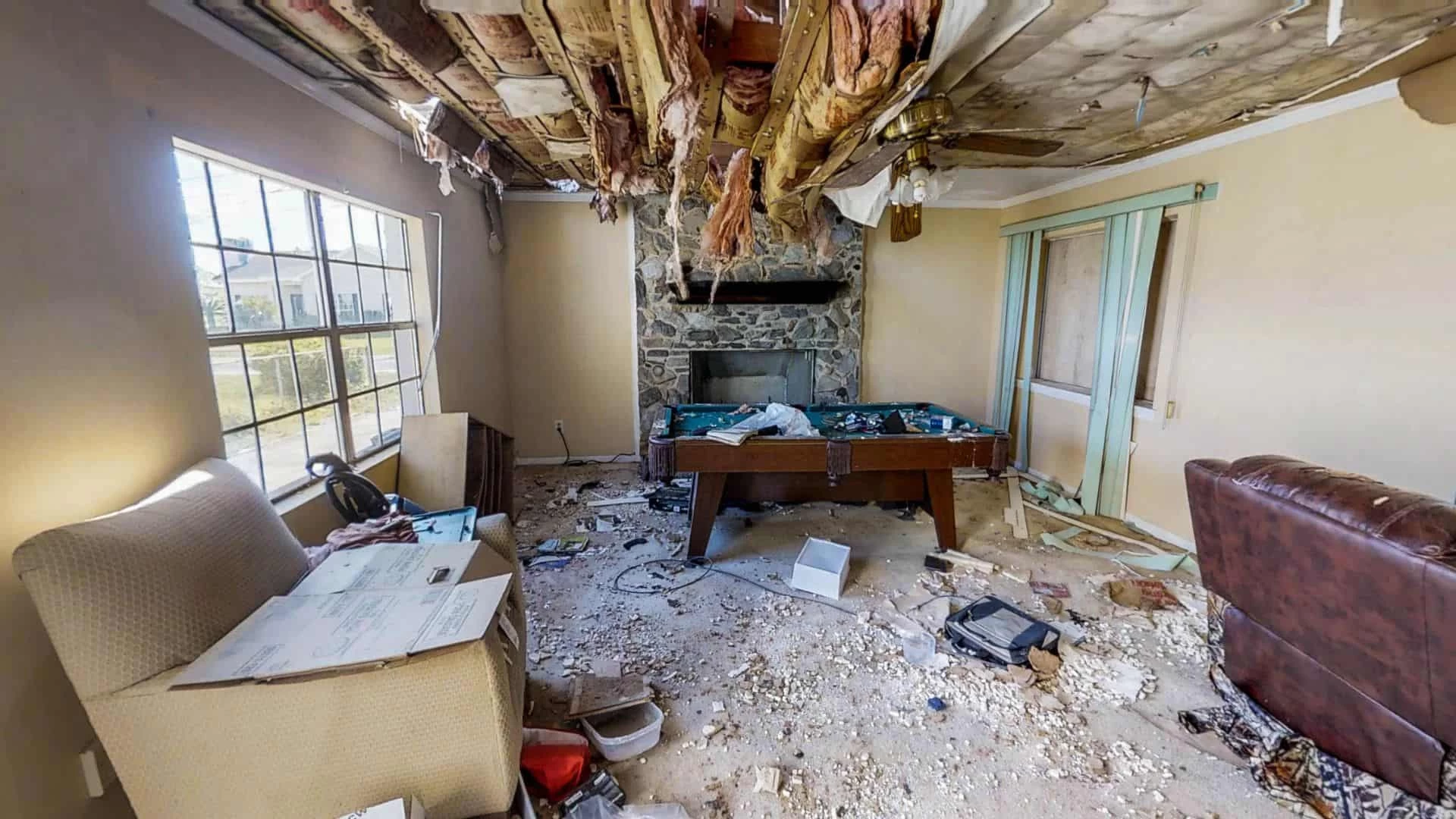
When water gets into a 1960s Colonial on a wooded acre in West Hills, the clock starts immediately. We respond 24/7 with local technicians who know exactly what these homes are made of and what it takes to restore them right.
I needed a professional consultation explanation of procedure for safe removal of Asbestos in my apartment complex. Without having an account yet, I was very impressed with the caring, knowledgeable and generous advice offered by Jessica, and will look forward to doing business in the future. Thank you so much! I feel much more informed about a sometimes scary endeavor. Peace. Nancy Silva Mineola, NY.
Mia Munoz
Used this company to clean up some water flood in my house. They were fast and easy to work with.very professional, Would recommend to anyone!
Nini Valle
Great company, had a flood and they responded quickly and efficiently. Billed my insurance company directly. I highly recommend this company!
joe colapietro, jr
I had pipe freeze in my basement right before a snow storm and they made to within an hour to help start the clean up process. They we by our side throughout the entire process and even helped with the insurance company. They did such a great job with the cleanup, repair, remidiation, I contracted them to perform the repairs and finishes in the basement. They came with enough manpower and material to get the job done. Leo and Jessica were nothing but a pleasure to deal with!!
Cristian Arredondo c
I had some water damage in my home and Green Island was able to take care of my issue quickly and effectively. I am very pleased with the work they did. They responded quickly and were very professional.
Michael M
Outstanding service! From the office to the field crew everyone was friendly, helpful and responsive. I highly recommend Green Island Group.
Mold can begin growing within 24 to 48 hours of a water intrusion event. That’s the IICRC standard, and it’s the reason response time is the single most important variable in how this ends for you. The faster the water is extracted and the drying process begins, the more of your home you keep. Floors, walls, ceilings, structural framing all of it is recoverable when the right equipment shows up in time.
West Hills presents specific conditions that most restoration companies aren’t prepared for. The homes here were largely built between 1940 and 1969, which means original cast-iron plumbing, wood lath and plaster walls, and hardwood subfloors materials that absorb water quickly and hold it longer than modern construction. When those materials get saturated, water travels far from its source before it ever becomes visible. A slow leak behind a second-floor bathroom wall can silently saturate the subfloor, the ceiling cavity below, and the wall framing between floors before you see a single stain.
The terrain adds another layer. West Hills sits on the Harbor Hill moraine the highest, hilliest ground on Long Island and the soil composition here is geologically variable. Some areas drain quickly, others don’t drain at all. That variability affects how water behaves around your foundation, which affects how basement intrusion happens and how it needs to be addressed. A company that treats every job the same regardless of location will miss things in West Hills that a locally experienced team won’t.
Local Knowledge You Can't Fake on a Franchise Form
We are a Long Island-based environmental and restoration company not a national franchise, not a call center with rotating subcontractors. The team that answers your call and the team that shows up to your home are the same people, working under the same roof, accountable to the same standard.
We’ve been restoring properties across western Suffolk County for years, and West Hills is a community we know well. We understand the difference between a water job in a newer build off Round Swamp Road and a full remediation in a 1950s cape in the Cold Spring Hills development. We know that homes in West Hills often have asbestos-containing materials pipe insulation, floor tiles, joint compound that have to be identified and handled before restoration work can proceed. That’s not a complication we hand off. We handle it in-house.
Customers who’ve worked with us describe our team as caring, knowledgeable, and responsive and they name specific people when they say it. That kind of accountability matters when your home is the one on the line.
The first thing we do when we arrive is assess not assume. Using professional-grade moisture meters and thermal imaging cameras, we map where the water actually went, not just where it’s visible. In West Hills’s older homes, that matters more than most places. Water migrates through original plaster walls and hardwood subfloors in ways that modern drywall simply doesn’t, and a restoration that only addresses the visible wet area will leave hidden moisture behind to become a mold problem three weeks later.
Once we have a full picture of the damage, extraction and drying equipment goes in industrial dehumidifiers, air movers, and where needed, specialized drying systems for wall cavities and subfloor assemblies. We monitor moisture levels throughout the drying process, not just at the start. Every reading is documented, which matters when your insurance adjuster is reviewing the claim.
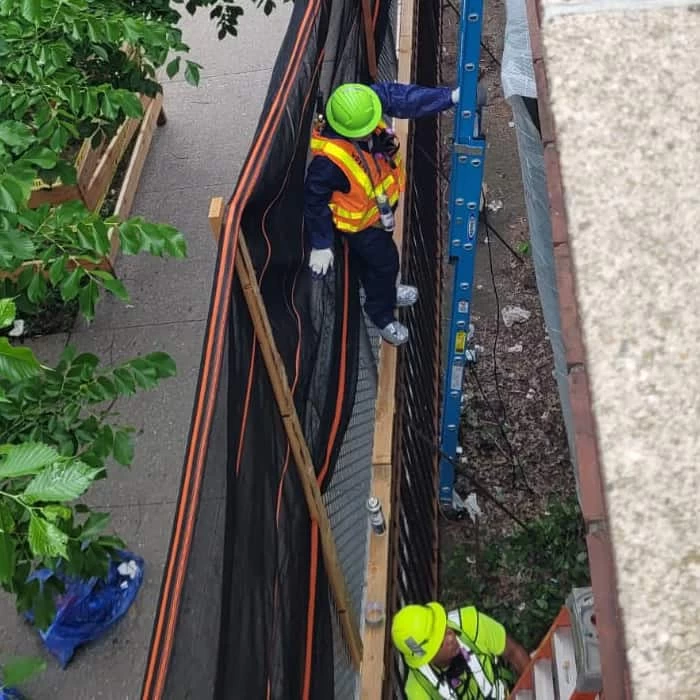
If the assessment turns up asbestos-containing materials which is a realistic finding in any West Hills home built before 1978 we don’t stop work and hand you a referral. We’re licensed by the New York State Department of Labor for asbestos abatement and can manage that scope in-house before restoration continues. Structural repairs following water damage in the Town of Huntington require building permits, and we’re familiar with that process. You won’t be left navigating the Town of Huntington Building Department on your own.
Water damage restoration is rarely just about the water. In West Hills, where the dominant housing stock predates modern building materials and where large wooded lots mean mature root systems, clogged drainage channels, and variable soil conditions, a single water event can quickly involve mold remediation, asbestos abatement, air quality testing, or sewage cleanup sometimes all in the same job. We are built to handle all of it without bringing in outside contractors or creating gaps in the process.
Our water damage restoration service covers emergency water extraction, structural drying, moisture mapping, content protection, mold prevention treatment, and full documentation for your insurance claim. For homes in West Hills dealing with Category 3 water damage sewage backup from a failed septic system, which is more common here than in communities with full municipal sewer service we follow biohazard-protocol remediation from start to finish. That’s not something every restoration company is equipped or licensed to do.
We also work directly with your insurance company. We handle the documentation, the adjuster communication, and the scope of loss reporting so the claim reflects what actually happened to your home, not a minimized version of it. New York homeowners have the right to choose their own restoration contractor regardless of what their insurance company suggests, and choosing a company that advocates for your property makes a real difference in how that claim resolves.
How quickly can water damage turn into a mold problem in West Hills homes?
The IICRC S500 standard the industry’s governing protocol for water damage restoration documents that mold colonization can begin within 24 to 48 hours of a water intrusion event. In West Hills, that window is particularly unforgiving because of how the homes here are built. Original wood lath and plaster walls, hardwood subfloors, and concrete block foundations common in 1940s through 1960s construction absorb and retain moisture far longer than modern materials. Water that gets into a wall cavity or under a subfloor in one of these homes can stay there for days without being visible on the surface.
The heavily wooded setting of most West Hills properties also contributes to ambient humidity levels that are naturally higher than in more open suburban areas. That combination older absorbent materials plus elevated ambient moisture means the 24-hour window is not a worst-case scenario here. It’s a realistic one. If you’ve had a water event and it’s been more than a day, calling sooner rather than later is the right move.
Does homeowner's insurance cover water damage restoration in West Hills, NY?
Whether your insurance covers water damage depends on the source. Sudden and accidental water damage a burst pipe, a failed appliance, an overflowing fixture is typically covered under a standard homeowner’s policy. Gradual damage from a slow leak that went unaddressed, or flooding from an external source like groundwater or surface runoff, is generally not covered under a standard policy and requires separate flood insurance through the National Flood Insurance Program.
For West Hills homeowners, this distinction matters. The morainal soils and hilly terrain here create drainage patterns that can push water toward foundations during heavy rain events in ways that look like flooding but may technically be classified differently by an adjuster. Getting the source of the intrusion documented accurately and early affects how the claim is categorized and what gets covered. We handle all insurance documentation and adjuster communication directly, and we make sure the scope of loss is reported completely and accurately so your claim reflects the full extent of the damage.
What makes water damage in older West Hills homes more complicated to restore?
The age of the housing stock in West Hills creates several layers of complexity that newer construction simply doesn’t have. The average home here was built in 1961, and many were built in the 1940s and 1950s. That era of construction used materials that are no longer standard cast-iron plumbing that’s now 60 or more years old and increasingly prone to failure, wood lath and plaster walls that absorb water differently than drywall, and original hardwood subfloors that require specific drying protocols to avoid permanent warping or delamination.
There’s also the asbestos question. Homes built before 1978 commonly contain asbestos in pipe insulation, floor tiles, ceiling tiles, and joint compound. When water damage requires opening walls or removing flooring, those materials can be disturbed. New York State requires licensed contractors for asbestos abatement it’s not optional, and it’s not something a water-only restoration company can legally handle. We hold the NYSDOL licensing to identify and abate asbestos in-house, which means the restoration process doesn’t have to stop and restart when a complication is found.
My basement flooded after a heavy rain is that covered, and what should I do first?
Basement flooding from a heavy rain event is one of the most common calls we receive from West Hills homeowners, and the first thing to understand is that the cause of the flooding determines both the remediation approach and the insurance coverage. If the flooding came from a failed sump pump during a storm, that may be covered under a sump pump rider on your homeowner’s policy. If it came from groundwater pushing through your foundation walls which is a real possibility in West Hills given the morainal soils and variable drainage conditions here that typically falls under flood insurance, not a standard homeowner’s policy.
Regardless of coverage, the immediate priority is the same: get the water out and get drying equipment running as fast as possible. Every hour of standing water in a basement increases the likelihood of mold, increases the saturation of structural materials, and increases the scope of the restoration. Call us first we’ll assess the source, begin extraction, and help you understand exactly what happened and how it’s likely to be covered before you’re deep into the claim process.
Can water damage restoration disturb asbestos or lead paint in my West Hills home?
Yes, and this is one of the most important questions to ask before any restoration company starts opening walls or removing flooring in a pre-1978 home. West Hills has one of the oldest housing stocks in western Suffolk County the majority of homes were built before 1978, and many contain asbestos-containing materials in pipe insulation, vinyl floor tiles, ceiling tiles, textured coatings, and joint compound. Lead-based paint is also common in homes of this era, and the EPA’s Renovation, Repair and Painting Rule requires certified contractors for any work that disturbs lead-containing surfaces in pre-1978 homes.
A restoration company that isn’t licensed for asbestos abatement or EPA RRP-certified for lead paint will either stop work when these materials are found leaving your home mid-remediation or worse, proceed without the proper protocols and create a hazardous exposure situation. We hold both the NYSDOL asbestos abatement licensing and EPA RRP certification, and our assessment process identifies these materials before demolition begins. You don’t have to manage a second contractor or worry about a regulatory gap in the middle of your restoration.
How do you handle water damage restoration when a septic system backs up in West Hills?
Septic system backups are categorized as Category 3 water damage also called black water because the contamination involves sewage, which carries bacteria, pathogens, and other biological hazards. This is a more serious situation than a burst supply pipe or appliance overflow, and it requires a different level of response. Standard drying equipment isn’t enough. The affected area needs full containment, removal of contaminated materials, antimicrobial treatment, and air quality verification before the space is safe to occupy.
West Hills has a higher rate of septic system use than most communities in western Suffolk County because many properties here are not connected to municipal sewer lines large lots, older development patterns, and the semi-rural character of the hamlet mean private septic systems are common. During periods of high groundwater, which happen regularly in spring and after heavy rain events, septic systems can fail and back up into basements. We are equipped and licensed to handle Category 3 remediation from start to finish, following biohazard protocols throughout. If your basement has sewage backup, don’t attempt to clean it yourself the health risk is real, and the remediation requirements go well beyond what a shop vac and a bottle of bleach can address.