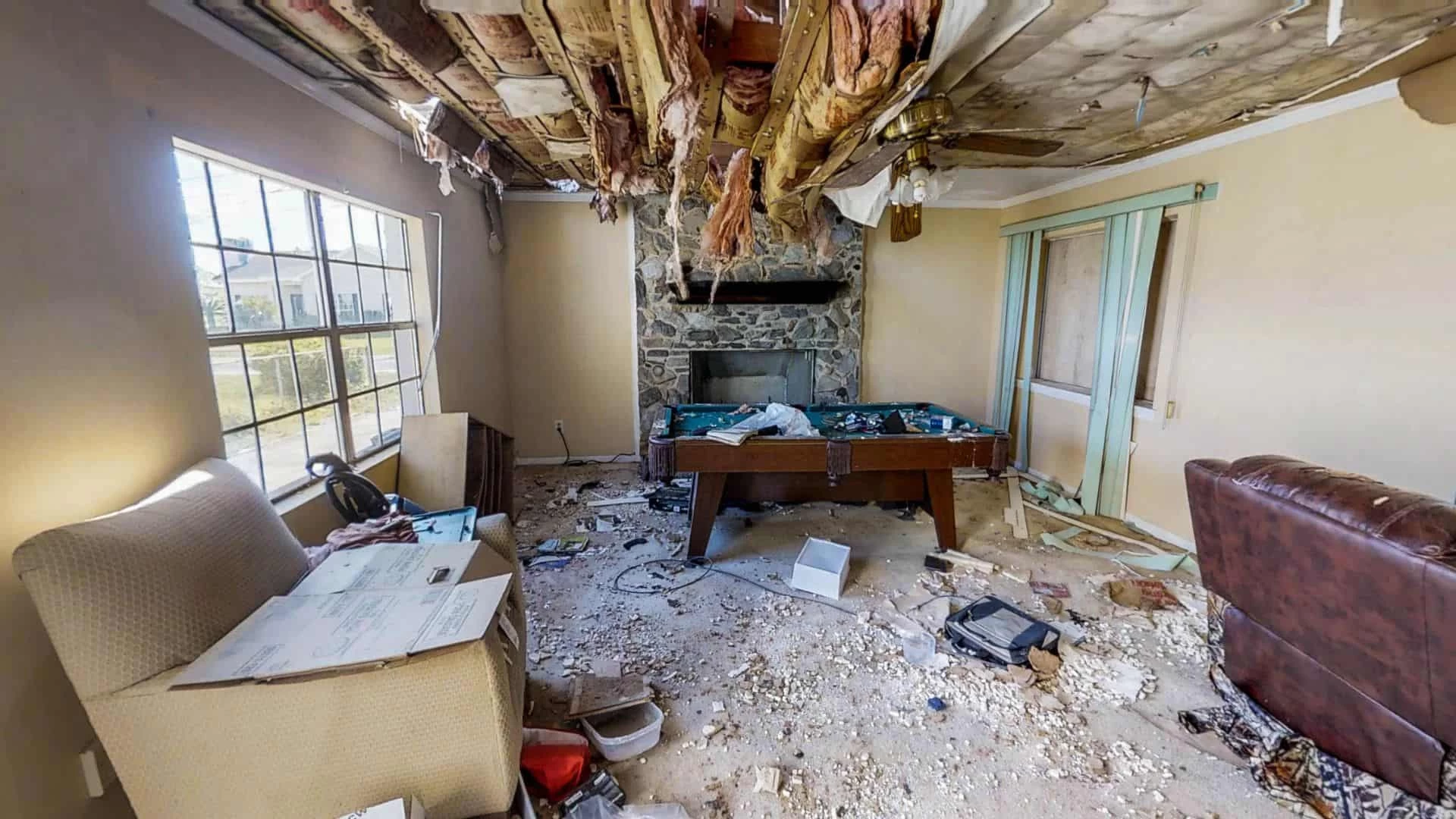
When water gets into a West Islip home, the clock starts immediately. We respond 24/7 with the equipment, credentials, and local knowledge to stop the damage before it compounds.
I needed a professional consultation explanation of procedure for safe removal of Asbestos in my apartment complex. Without having an account yet, I was very impressed with the caring, knowledgeable and generous advice offered by Jessica, and will look forward to doing business in the future. Thank you so much! I feel much more informed about a sometimes scary endeavor. Peace. Nancy Silva Mineola, NY.
Mia Munoz
Used this company to clean up some water flood in my house. They were fast and easy to work with.very professional, Would recommend to anyone!
Nini Valle
Great company, had a flood and they responded quickly and efficiently. Billed my insurance company directly. I highly recommend this company!
joe colapietro, jr
I had pipe freeze in my basement right before a snow storm and they made to within an hour to help start the clean up process. They we by our side throughout the entire process and even helped with the insurance company. They did such a great job with the cleanup, repair, remidiation, I contracted them to perform the repairs and finishes in the basement. They came with enough manpower and material to get the job done. Leo and Jessica were nothing but a pleasure to deal with!!
Cristian Arredondo c
I had some water damage in my home and Green Island was able to take care of my issue quickly and effectively. I am very pleased with the work they did. They responded quickly and were very professional.
Michael M
Outstanding service! From the office to the field crew everyone was friendly, helpful and responsive. I highly recommend Green Island Group.
Surface drying is not restoration. A fan running for three days in a finished basement might feel like progress, but if the subfloor is still holding moisture and the wall cavity behind the drywall never dried out, you’re not done you’re just waiting for mold to show up. That’s the part most homeowners don’t find out until six weeks later, and by then the scope has tripled.
West Islip’s housing stock makes this especially relevant. The majority of homes here were built between the mid-1950s and mid-1970s wood-framed construction with plaster walls, older insulation, and subfloor assemblies that absorb water differently than modern builds. When moisture gets in, it travels. We use professional moisture meters and thermal imaging cameras to find where it went, not just where it started. That’s the difference between a complete dry-out and a hidden mold problem waiting to surface.
For homes in the canal neighborhoods south of Montauk Highway, the risk goes a layer deeper. Tidal surge, drainage backflow, and a naturally high water table mean that flooding events here often involve prolonged saturation not a burst pipe that’s over in an hour, but water that has been sitting and wicking for hours or days. Getting ahead of that damage requires commercial-grade extraction and structural drying, not rental equipment. When the job is done correctly, you get your home back dry walls, finished floors, and documentation that satisfies your insurance adjuster.
We are a Long Island environmental and restoration company not a franchise, not a call center, not a subcontractor chain. When you call, you reach someone local. When our crew shows up, we’re accountable to a company with a real Long Island reputation to protect.
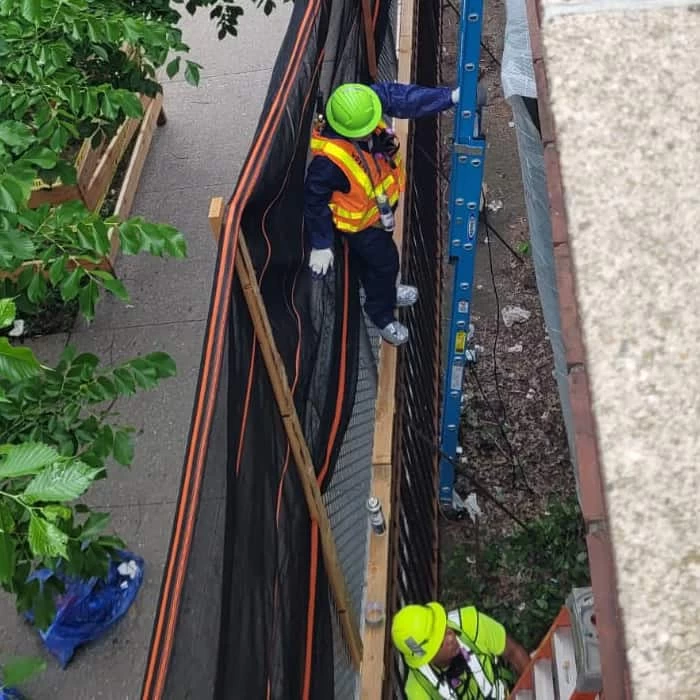
What sets us apart in West Islip specifically is our multi-service capability. Water damage restoration in a 1962 Cape Cod or hi-ranch off Union Boulevard doesn’t always stay a water job. The moment demo begins on original floor tiles or pipe insulation in a home of that era, you’re potentially dealing with asbestos-containing materials and that requires licensed abatement, not a workaround. We hold New York State Department of Labor licensing for asbestos abatement and EPA RRP certification for lead paint work, in addition to IICRC certification for water damage restoration and mold remediation. That means one scope, one point of contact, and no delays waiting on a second contractor to come in and finish what we had to stop.
Suffolk County homeowners with real equity in their homes deserve a restoration company that can actually see the job through to the end.
From First Call to Finished Home Here's Our Process
It starts with the call. Whether it’s 2 a.m. after a pipe bursts in a finished basement or the morning after a nor’easter pushes water through the canal system and into the first floor, the process begins the same way a real person picks up, gets the details, and dispatches a crew. No hold queues, no national routing, no waiting until business hours.
When our team arrives, the first priority is stopping active water intrusion and assessing the full extent of the damage. That means moisture readings, thermal imaging, and a complete walkthrough not just a visual inspection of what’s visible. In West Islip’s older homes, water travels in ways that aren’t obvious from the surface, and our assessment reflects that. If the job involves materials that require asbestos or lead testing before demo can proceed which is common in any home built before 1978 we handle that in-house rather than pausing the job for a separate contractor.
From there, extraction and structural drying begin with commercial-grade equipment sized to the actual scope. We maintain drying logs throughout, which matters when it comes time to document the insurance claim. Once the structure is confirmed dry, restoration work brings the home back to its pre-damage condition drywall, flooring, paint, whatever the job requires. The goal isn’t a dried-out shell. It’s your home, back to what it was.
Water Damage Restoration Service in West Islip, NY
Built for What West Islip Homes Actually Face
Water damage restoration here isn’t a one-size-fits-all service, because the conditions in West Islip aren’t one-size-fits-all. Canal-area properties south of Montauk Highway deal with tidal flooding, saltwater intrusion, and prolonged saturation that accelerates mold growth and corrodes building materials faster than a standard freshwater event. Homes north of Sunrise Highway deal more with burst pipes, sump pump failures, and appliance leaks but in a housing stock that’s 60-plus years old, the structural implications are just as serious. We size our service around what’s actually happening in the home, not a checklist.
Our water damage restoration scope covers emergency water extraction, structural drying with commercial dehumidifiers and air movers, moisture mapping, mold prevention treatment, and full property restoration to pre-loss condition. For West Islip properties in FEMA-designated flood zones which applies to a meaningful portion of the canal-area homes in the Town of Islip the documentation we generate throughout the process also supports NFIP compliance and insurance claim filing. That’s not a side benefit. For homeowners carrying flood insurance on a $725,000 to $750,000 property, it’s the difference between a complete settlement and a disputed one.
For jobs that uncover asbestos-containing materials or lead paint during demo a realistic scenario in nearly any West Islip home built before 1978 we handle abatement under the same scope without stopping the job. One crew, one timeline, one company responsible for the outcome.
How quickly can water damage lead to mold in a West Islip home?
According to IICRC S500 standards, mold can begin colonizing within 24 to 48 hours of water exposure. In West Islip’s older homes most of which were built between the 1950s and 1970s that window is especially critical because the construction materials absorb and hold moisture in ways that modern builds don’t. Plaster walls, older wood framing, and subfloor assemblies from that era create more surface area for mold to take hold once moisture gets in.
The other factor specific to West Islip is the nature of the flooding itself. Canal-area properties south of Montauk Highway often experience prolonged saturation during storm events, not a quick burst that’s over in minutes. The longer water sits in a structure, the deeper it penetrates and the faster mold can establish in wall cavities, insulation, and structural framing that you can’t see from the surface. Calling a professional within the first few hours isn’t overcautious. It’s the decision that keeps a manageable water job from becoming a full mold remediation.
Does homeowners insurance cover water damage restoration in West Islip, NY?
It depends on the source of the water. Standard homeowners insurance typically covers sudden and accidental water damage a burst pipe, a washing machine overflow, a water heater failure. It does not cover flooding from external sources like storm surge or tidal overflow, which is where a separate flood insurance policy through the National Flood Insurance Program becomes relevant. For West Islip homeowners in canal-area neighborhoods designated as FEMA Special Flood Zones, that distinction matters a great deal.
What most homeowners don’t realize is that the quality of documentation submitted with the claim has a direct impact on the settlement. Insurance adjusters are trained to minimize scope, and without professional moisture logs, thermal images, and a detailed material inventory, it’s easy for a claim to get underpaid. We document every step of the process from the initial assessment forward and work directly with adjusters to support a complete claim. On a home worth $725,000 to $750,000, that advocacy isn’t a minor convenience it’s real money.
What's the difference between water mitigation and full water damage restoration?
Mitigation is the emergency phase stopping the damage from getting worse. That includes water extraction, removing saturated materials, and getting drying equipment running. It’s critical, and it has to happen fast, but it’s not the finish line. Restoration is everything that comes after: repairing or replacing the drywall, subfloor, flooring, and any structural elements that were damaged, and returning the home to its pre-loss condition.
Some companies stop at mitigation and hand you back a gutted, dried-out space with open walls and missing flooring. That’s not a restored home. For West Islip homeowners who have invested years into a property whether it’s a waterfront canal home or a finished-basement Cape Cod the job isn’t done until the house looks and functions the way it did before the damage. We handle both phases under one scope, which means you’re not coordinating between a mitigation company and a separate general contractor to get your home back.
My West Islip home was built in the 1960s does that affect the restoration process?
Yes, and it’s worth understanding before any demo work begins. Homes built in the 1960s commonly contain asbestos-containing materials 9-inch vinyl floor tiles, pipe insulation, joint compound, and vermiculite insulation are the most frequent ones found in West Islip homes of that era. They also contain lead paint in any pre-1978 painted surfaces. Neither of these is an emergency on its own, but the moment water damage restoration requires cutting into walls, removing flooring, or demolishing any original building material, those hazardous materials can become a legal and health issue if they’re not handled properly.
New York State requires licensed asbestos handlers and specific disposal protocols for any abatement work. The EPA’s Renovation, Repair and Painting Rule requires certified renovators for work disturbing lead paint in pre-1978 homes. A water-only restoration company that doesn’t hold these licenses has to stop the job and bring in a separate abatement contractor which adds days and coordination complexity at exactly the wrong time. Because we’re a full environmental services company, these situations are handled in-house without pausing the restoration.
How long does water damage restoration typically take from start to finish?
The drying phase alone typically takes three to five days for most residential water damage scenarios, though that timeline extends for larger losses or situations involving prolonged saturation which is common in West Islip canal-area properties after a significant storm event. Commercial drying equipment runs continuously during this phase, and we take moisture readings daily to confirm the structure is drying at the right rate. Cutting corners on drying time is one of the most common reasons mold shows up weeks after a “completed” job.
Once the structure is confirmed dry, the restoration phase repairing drywall, replacing flooring, repainting depends on the scope of the damage. A contained basement pipe burst might take another three to five days to restore. A first-floor flood in a South Shore home that sat in water during a storm event could take two to three weeks for full restoration. The honest answer is that timeline is tied to scope, and scope is something we assess on-site before committing to a schedule not something estimated over the phone without seeing the damage.
Can water damage in West Islip be fully restored, or will there always be lingering issues?
When water damage is addressed quickly and completely meaning professional extraction, thorough structural drying confirmed with moisture meters, and proper restoration of affected materials there’s no reason a home can’t be returned to its pre-damage condition without lasting issues. The problems that linger are almost always tied to incomplete drying, missed moisture pockets, or surface-only repairs that left wet material behind walls or under flooring.
For West Islip homes with a history of flooding particularly those south of Montauk Highway that experienced damage during Hurricane Sandy in 2012 there’s an additional consideration. Homes that were improperly or incompletely remediated after Sandy may still carry hidden moisture damage, compromised structural elements, or dormant mold in wall cavities. If you’re dealing with a new water event in a home that flooded before, it’s worth having a thorough moisture assessment done on the full affected area, not just the new damage. Saltwater intrusion, which is common in Great South Bay flooding events, accelerates both mold growth and material corrosion and it requires a different remediation approach than standard freshwater damage. Getting it right the first time is always less expensive than addressing what was missed.