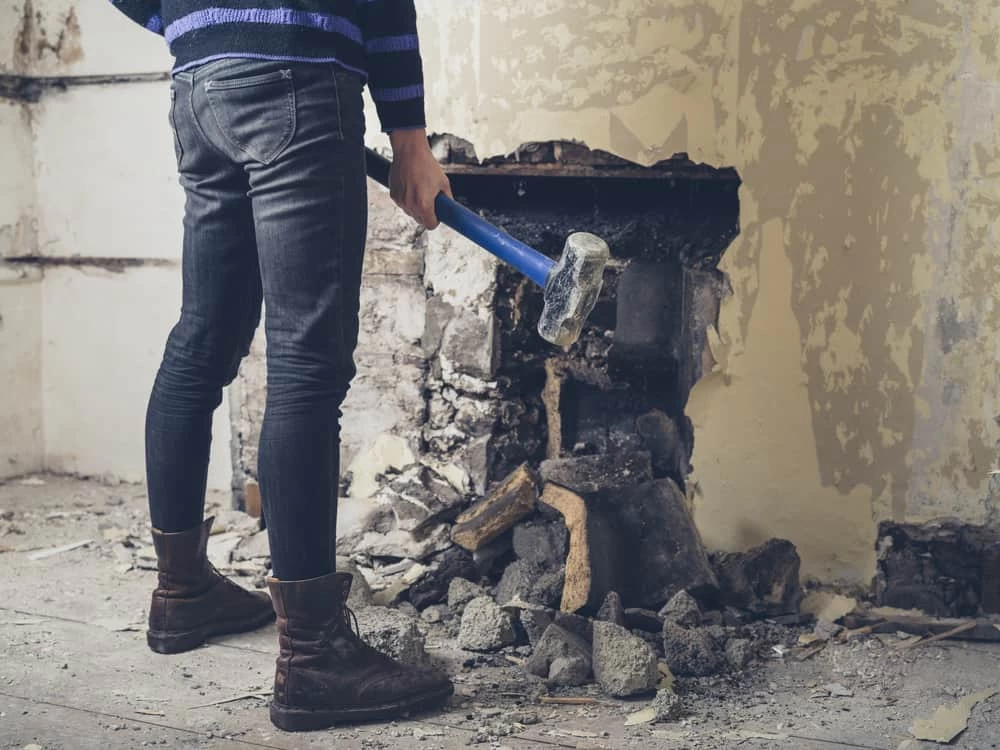
East Norwich Homes Built Before 1960 Need More Than a Quick Patch Job
When a storm hits a pre-1960s home on the North Shore, the damage you can see is rarely the whole story. We handle everything from emergency storm damage repair to full structural restoration — so nothing gets missed.
I needed a professional consultation explanation of procedure for safe removal of Asbestos in my apartment complex. Without having an account yet, I was very impressed with the caring, knowledgeable and generous advice offered by Jessica, and will look forward to doing business in the future. Thank you so much! I feel much more informed about a sometimes scary endeavor. Peace. Nancy Silva Mineola, NY.
Mia Munoz
Used this company to clean up some water flood in my house. They were fast and easy to work with.very professional, Would recommend to anyone!
Nini Valle
Great company, had a flood and they responded quickly and efficiently. Billed my insurance company directly. I highly recommend this company!
joe colapietro, jr
I had pipe freeze in my basement right before a snow storm and they made to within an hour to help start the clean up process. They we by our side throughout the entire process and even helped with the insurance company. They did such a great job with the cleanup, repair, remidiation, I contracted them to perform the repairs and finishes in the basement. They came with enough manpower and material to get the job done. Leo and Jessica were nothing but a pleasure to deal with!!
Cristian Arredondo c
I had some water damage in my home and Green Island was able to take care of my issue quickly and effectively. I am very pleased with the work they did. They responded quickly and were very professional.
Michael M
Outstanding service! From the office to the field crew everyone was friendly, helpful and responsive. I highly recommend Green Island Group.
The storm is over. Now the clock starts. Water that got in through a lifted shingle or a cracked soffit doesn’t just sit there — it moves. It travels along rafters, pools in wall cavities, and soaks into insulation that was already aging before the storm hit. In a home built before 1960, which describes most of the housing stock in East Norwich, that moisture doesn’t have modern vapor barriers to slow it down. It has horsehair plaster, older wood framing, and cellulose insulation — materials that hold water and feed mold growth within 24 to 48 hours.
That’s the part most homeowners don’t find out until months later, when there’s a smell, a stain, or a home inspection that turns up something they didn’t expect. The goal of real storm damage restoration isn’t just to close the hole in your roof — it’s to find everything the storm set in motion and stop it before it compounds.
East Norwich’s terrain adds another layer to this. The hamlet sits on the Harbor Hill Moraine, the glacial ridge that gives the North Shore its hills and its drainage problems. After a heavy storm, water doesn’t drain away quickly here. It pools against foundations, pushes into basements, and saturates the ground around older structures. Addressing the visible damage without accounting for what’s happening below grade isn’t a complete job — it’s a delayed problem.
Every License This Work Actually Requires — We Hold Them
We’re a full-service disaster restoration and remediation company licensed across Nassau County, Suffolk County, and New York City. That licensing stack matters more in East Norwich than almost anywhere else on Long Island, because the homes here were built when asbestos insulation, asbestos roofing materials, and lead paint were standard. When storm damage disturbs those materials — and it often does — New York State requires specific credentials to handle them legally. We hold the NYS DOL Mold Remediation License, the NYS DOL Asbestos Handler License, the USEPA Lead Certification, and the USEPA RRP certification. We’re also approved as an NYS Office of General Services Emergency Response Contractor, which is a government-level vetting process, not a self-applied badge.
What that means for you practically is that we can handle the entire damage chain in-house — from emergency securing and debris removal through water extraction, mold remediation, asbestos assessment, and structural rebuild — without handing any phase off to a subcontractor you’ve never met. One company. One point of accountability. And we bill your insurance directly, so you’re not fronting costs while your home is being restored.
From the First Call to a Fully Restored East Norwich Home — Here's the Sequence
When you call, we respond — day or night, including weekends. The first priority is always securing the property: emergency tarping, board-up, and temporary weatherproofing to stop additional water from entering while the full assessment gets underway. If a tree came through your roof at 11 PM on a January night, that’s when we show up, not the next business day.
Once the property is secured, we do a thorough damage assessment using thermal imaging cameras and moisture meters. This is where we find the water that isn’t visible yet — the moisture sitting inside wall cavities, saturating floor joists, or working its way toward your foundation. In East Norwich’s older housing stock, this step is non-negotiable. What looks like a contained roof breach on the surface is often a much larger moisture event inside the structure.
From there, we pull the necessary permits through the Town of Oyster Bay’s Building Department — a step that unlicensed contractors skip, and one that creates real problems for homeowners at resale or during future insurance claims. Remediation and structural repair happen in the correct sequence, with the right licensed personnel handling each phase. Before we close out the job, you get documentation: mold clearance reports, permit sign-offs, and a complete record of what was done and how. That paper trail protects you long after the work is finished.
Storm Damage Restoration Company Near East Norwich
The Full Scope of What Storm Restoration Covers Here
Storm damage restoration in East Norwich isn’t a single-trade job. A nor’easter that lifts a section of roofing on a 1950s home doesn’t just create a carpentry problem — it potentially creates a mold problem, an asbestos problem, and a lead paint problem simultaneously, all governed by different New York State regulations. Handling only the part you can see, with a contractor who only holds a general contractor license, leaves the rest of the damage chain unaddressed and the homeowner holding the liability.
What we handle includes emergency response and property securing, full water extraction and structural drying, mold prevention and remediation with licensed personnel, asbestos assessment and abatement where required, lead-safe repair practices under USEPA RRP guidelines, structural repair and rebuild, roof repair and replacement, siding and soffit repair, and final restoration to pre-storm condition. We use industrial dehumidifiers, commercial air movers, and thermal imaging throughout the drying process — not because it’s impressive equipment, but because it’s what actually works in the wall assemblies and insulation types common to North Shore homes built before 1960.
We also work directly with your insurance company. We document the damage, prepare the scope of loss, and bill the carrier — which means your out-of-pocket exposure during the restoration process is minimized. If you’re in the 11732 ZIP code — whether you’re in East Norwich proper, Muttontown, or the Oyster Bay side of the corridor — the process is the same and the coverage is the same.
Does homeowners insurance cover storm damage repair in East Norwich, NY?
In most cases, yes — but the specifics depend on your policy and how the damage is documented. Wind damage, fallen trees, and water intrusion caused directly by a storm event are typically covered under standard homeowners insurance policies. What gets disputed is the scope: insurers will sometimes push back on secondary damage like mold or structural deterioration, especially if there’s any argument that the damage wasn’t addressed promptly. That’s why documentation matters from the moment you call.
We handle the documentation process as part of the job. We photograph and record all damage before any work begins, prepare a detailed scope of loss, and communicate directly with your adjuster. We also bill the insurance company directly, so you’re not in the position of paying out of pocket and waiting for reimbursement. If your adjuster underestimates the scope — which happens — we have the licensing credentials and documentation to support a supplemental claim. East Norwich homeowners with pre-1960s homes should also know that if storm damage disturbs asbestos or lead materials, that remediation work is often covered under the same claim, provided it’s properly documented by a licensed contractor.
How quickly does mold start growing after storm water gets into my East Norwich home?
Mold can begin colonizing in as little as 24 to 48 hours after water intrusion — and that window doesn’t pause while you’re waiting for a contractor to call you back or an adjuster to schedule an inspection. Once mold establishes itself in insulation, framing, or drywall, the remediation scope — and cost — increases significantly. A storm event that causes $3,000 in structural damage can become a $15,000 or more remediation job if water is left unaddressed for several days.
This is especially relevant for East Norwich’s housing stock. Homes built before 1960 typically have older insulation types and construction assemblies that absorb and hold moisture far longer than modern materials. The Harbor Hill Moraine’s clay-rich soils also mean that ground saturation after a heavy storm stays elevated longer than it would on the flat outwash plain of the South Shore — which keeps the moisture environment around and under older foundations elevated for days after the storm passes. The practical takeaway: if you’ve had any water intrusion, don’t wait to find out if it’s a problem. The 24-hour window is real, and starting the drying process immediately is the single most effective way to prevent a mold situation from developing.
Can storm damage to an older East Norwich home disturb asbestos or lead paint?
Yes, and it happens more often than most homeowners expect. Homes built before 1960 — which describes the majority of East Norwich’s housing stock — were constructed with asbestos-containing insulation, asbestos roofing materials, asbestos floor tiles, and lead paint as standard building materials. When a storm tears back a roof section, punches a hole through an exterior wall, or forces water through an attic, it can disturb these materials in ways that create a regulatory and health issue on top of the structural one.
New York State law requires a licensed contractor to handle any work that disturbs asbestos — that’s the NYS DOL Asbestos Handler License. Any renovation or repair work in a pre-1978 home that disturbs lead paint requires USEPA RRP certification. These aren’t optional — they’re legal requirements, and a contractor who works without them exposes you to liability even if you didn’t know the materials were present. We hold both credentials, which means we can assess, contain, and remediate these materials as part of the storm restoration process rather than stopping work and leaving you to find a separate licensed contractor to handle the next phase.
Do I need a permit for storm damage repairs in the Town of Oyster Bay?
Yes. Structural repairs, roof replacements, and any work affecting the building envelope in East Norwich require permits from the Town of Oyster Bay’s Building Department. This applies even in emergency situations — the emergency nature of the work may allow for expedited review, but the permits still need to be pulled and inspections need to be completed before the job is formally closed out.
This is one of the most common ways homeowners get into trouble after a storm. An unlicensed contractor — or a licensed contractor from another county who isn’t authorized to pull Nassau County permits — does the work, skips the permit process, and leaves. Months or years later, when you’re refinancing, selling, or filing a new insurance claim, the unpermitted work surfaces and creates a real problem. We hold the Nassau County General Contractor License required to pull Town of Oyster Bay building permits, and we manage the entire permit and inspection process as part of the restoration job. You don’t have to navigate that separately — it’s included.
What does storm damage restoration typically cost on Long Island?
The range is wide because the scope varies so much. For contained damage — a section of missing shingles, a broken soffit, minor water intrusion caught quickly — restoration costs can run $2,500 to $5,000. Mid-range events involving structural damage, significant water intrusion, and drying work typically fall between $8,000 and $22,000. When secondary damage like mold remediation or asbestos abatement is involved, costs can exceed $40,000 to $60,000 depending on the extent of contamination.
The single biggest cost driver isn’t the initial storm damage — it’s delayed response. Every day that water sits in an East Norwich home’s wall cavities or attic insulation is a day that the eventual remediation scope grows. Homeowners who call within the first few hours of discovering damage consistently see lower total costs than those who wait several days, even when the initial storm event was equally severe. The other cost factor specific to this area is the age of the housing stock — pre-1960s homes require licensed asbestos and lead assessments as a standard part of any significant repair, and those assessments need to be factored into the overall scope from the beginning, not discovered mid-project when a contractor who isn’t licensed to handle them has to stop work.
How do I know if a storm damage contractor is actually licensed to work in East Norwich?
The most important credential to verify for structural repair work in East Norwich is the Nassau County General Contractor License. This is the county-level license required for any structural restoration work in the Town of Oyster Bay, and it’s verifiable — you can ask for the license number and confirm it. A contractor operating without it isn’t legally authorized to pull the permits your job requires, which means any work they do creates a compliance gap that follows your property.
Beyond the GC license, ask specifically about mold and asbestos credentials if your home was built before 1978 — and in East Norwich, that’s most homes. The NYS DOL Mold Remediation License and NYS DOL Asbestos Handler License are separate from the general contractor license and required by New York State law for those specific scopes of work. After Superstorm Sandy and every major nor’easter since, Long Island has seen a consistent wave of out-of-area contractors working without verifiable local credentials. They’re often gone within weeks of the storm event. The practical test is straightforward: ask for the license numbers, verify them, and confirm the contractor carries full liability insurance and workers’ compensation. If they hesitate on any of those, that’s your answer.