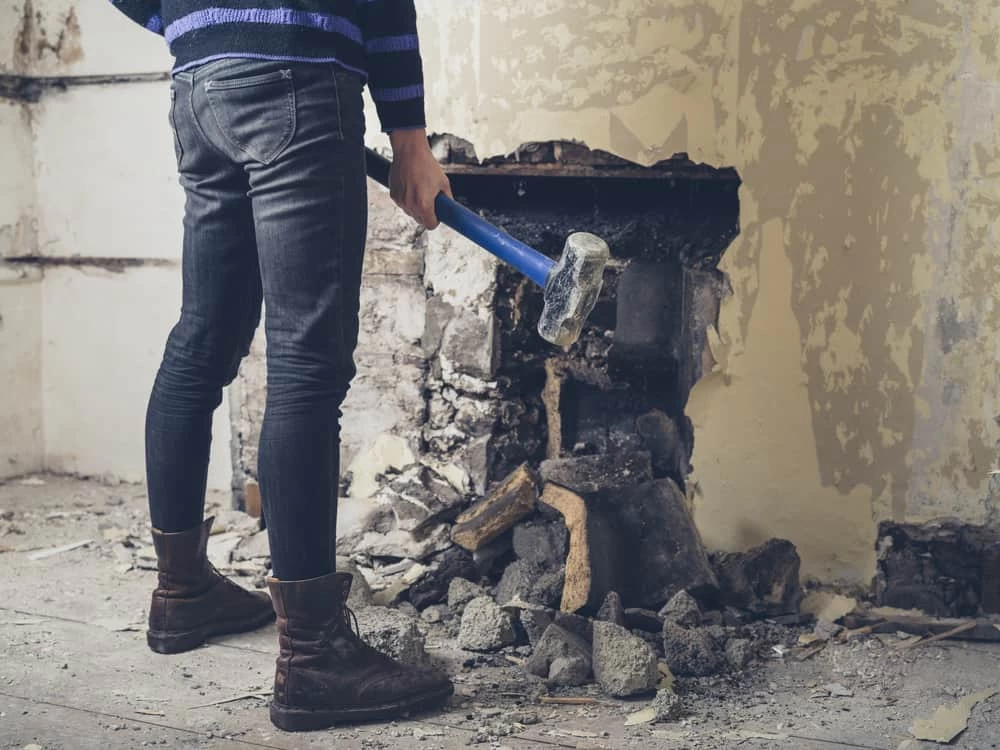
Your 1950s Cape Cod Deserves More Than a Quick Fix
Storm damage in Garden City South doesn’t stop at the roof — in homes this age, it goes deeper. We handle the full picture, from emergency storm damage repair to what’s hiding behind your walls.
I needed a professional consultation explanation of procedure for safe removal of Asbestos in my apartment complex. Without having an account yet, I was very impressed with the caring, knowledgeable and generous advice offered by Jessica, and will look forward to doing business in the future. Thank you so much! I feel much more informed about a sometimes scary endeavor. Peace. Nancy Silva Mineola, NY.
Mia Munoz
Used this company to clean up some water flood in my house. They were fast and easy to work with.very professional, Would recommend to anyone!
Nini Valle
Great company, had a flood and they responded quickly and efficiently. Billed my insurance company directly. I highly recommend this company!
joe colapietro, jr
I had pipe freeze in my basement right before a snow storm and they made to within an hour to help start the clean up process. They we by our side throughout the entire process and even helped with the insurance company. They did such a great job with the cleanup, repair, remidiation, I contracted them to perform the repairs and finishes in the basement. They came with enough manpower and material to get the job done. Leo and Jessica were nothing but a pleasure to deal with!!
Cristian Arredondo c
I had some water damage in my home and Green Island was able to take care of my issue quickly and effectively. I am very pleased with the work they did. They responded quickly and were very professional.
Michael M
Outstanding service! From the office to the field crew everyone was friendly, helpful and responsive. I highly recommend Green Island Group.
Most storm damage calls in Garden City South start the same way — a nor’easter comes through, a tree branch comes down on a roof, water gets in, and suddenly you’re staring at a problem that’s bigger than it looked from the outside. The issue isn’t just the visible damage. It’s what that water does inside a home that was built in the 1950s, with original insulation, original sheathing, and materials that were never designed to sit wet.
When water gets into a wall cavity in a Garden City South home from that era, mold can start forming in as little as 24 to 48 hours. And because most of these homes predate 1978, there’s a real chance that any structural disturbance — a lifted roof section, a damaged soffit, a breached wall — is also touching lead paint or asbestos-containing materials. It’s just the reality of the housing stock on these streets, and it’s exactly why the contractor you call matters.
When the job is done right, your home is actually dry — not just visually repaired. Every wet surface behind your walls has been found, documented, and treated. Any environmental hazard has been handled legally and safely. Your insurance claim has been filed and managed. And your home is structurally sound, properly permitted through the Town of Hempstead, and ready for whatever the next nor’easter brings.
Licensed for Everything a Nassau County Storm Uncovers
We are a full-service disaster restoration and remediation company serving Nassau County, Suffolk County, Queens, and New York City. We hold a Nassau County General Contractor license, a New York City General Contractor license, and a Suffolk County General Contractor license — along with NYS DOL Mold Remediation, NYS DOL Asbestos Handler, USEPA Lead, and USEPA RRP certifications. We’re also an NYS Office of General Services Approved Emergency Response Contractor, which is a state-level credential that most restoration companies operating in Nassau County simply don’t have.
That full license stack isn’t something we lead with to impress you. It’s what allows us to legally handle the entire damage chain in a pre-1978 home in Garden City South — from the storm entry point through water intrusion, mold growth, and any asbestos or lead disturbance — without stopping mid-job to call in a subcontractor. For homeowners on the tree-lined streets off Nassau Boulevard, that matters. One company. One point of accountability. No gaps.
When you call us after a storm, the first thing we do is get someone to your property fast. If it’s the middle of the night after a nor’easter — which is exactly when these calls tend to come in — that’s fine. We’re available 24 hours a day. The priority on that first visit is stopping any ongoing damage: emergency tarping, board-up, water extraction, whatever the situation requires. Temporary protective measures are allowed immediately after a storm in Garden City South, and we move on those right away.
From there, we do a thorough assessment — and that includes thermal imaging. In a 1950s home, the water you can see is rarely all the water that got in. Thermal cameras find the moisture that’s already moved into wall cavities and insulation, which is where mold problems start. We document everything, which also feeds directly into your insurance claim. We handle the paperwork and bill your insurance company directly, so you’re not fronting costs or chasing adjusters while you’re trying to get to work on the LIRR.
Once the assessment is complete and the scope is clear, we pull the necessary permits through the Town of Hempstead Building Department — because Garden City South is an unincorporated hamlet, not a village, and permits go through the Town, not a village hall. Permanent repairs don’t start until the permits are in place. Then we work through the full restoration: structural repairs, roofing, siding, mold remediation if needed, and any required asbestos or lead abatement — all under one roof, all under one license.
Every License the Job Legally Requires, Already in Hand
Storm damage restoration in Garden City South covers a wider scope than most homeowners expect going in. Wind damage and roof breaches are the entry point, but in a community where virtually every home was built before 1978, the restoration work almost always involves more than roofing and siding. Water intrusion into original wall assemblies, disturbed insulation, and compromised structural elements can trigger mold remediation requirements, asbestos handling protocols, and lead-safe work practices — all of which are governed by New York State law and require specific licenses to perform legally.
We hold every license that scope requires. Our NYS DOL Asbestos Handler certification means we can legally identify and remediate asbestos-containing materials that get disturbed during storm repairs — something that comes up regularly in the split-levels and Cape Cods throughout Garden City South. Our USEPA Lead and RRP certifications cover the lead-safe work practices required in any pre-1978 home. And our NYS DOL Mold Remediation license covers the assessment and remediation work that often follows water intrusion in older construction.
Beyond the licensing, what you get is a company that handles the insurance side of the job. We document the damage, prepare the claim, and bill your insurance company directly. Most storm damage restoration in Nassau County is an insurance event — the average job runs between $2,600 and $22,000 depending on scope — and having a contractor who manages that process removes the single most stressful part of the experience. You don’t have to be the go-between.
Does storm damage in Garden City South require a permit from the town?
Yes — and this is one of the most important things to get right before any permanent repair work begins. Garden City South is an unincorporated hamlet within the Town of Hempstead, which means all building permits are issued by the Town of Hempstead Building Department, not by any village authority. There is no village hall for Garden City South, and contractors who apply a generic “village permit” process to this area are working from the wrong framework.
Temporary protective measures — emergency tarping, board-up, water extraction — are allowed immediately after a storm without a permit. But permanent repairs, including full roof replacements, structural work, material changes, and anything involving added roof penetrations, all require Town of Hempstead permits before work begins. Skipping that step creates real problems: code violations, complications with your insurance claim, and potential liability issues if the work ever comes up during a home sale. We pull the correct permits from the correct office before any permanent restoration work starts.
How quickly does mold start growing after storm water gets into my home?
Mold can begin colonizing within 24 to 48 hours of water intrusion — and in a 1950s Garden City South home, the conditions are almost ideal for it. Original fiberglass and cellulose insulation from that era is highly absorbent and nearly impossible to dry in place once it’s saturated. That means water that gets in through a storm-damaged roof or wall doesn’t just sit there — it wicks into the insulation and wall cavity and starts feeding mold growth before you can even get a contractor on the phone.
This is why the timing of your first call matters. The longer you wait, the more the damage spreads — and what starts as a wind and water claim can become a full mold remediation job. We’re available around the clock for exactly this reason. Getting someone to your property the same night the storm hits isn’t just about stopping the visible damage — it’s about preventing the secondary damage that costs significantly more to fix.
Could storm damage disturb asbestos or lead paint in my Garden City South home?
If your home was built before 1978 — which describes the overwhelming majority of homes in Garden City South — the answer is yes, and it’s something that needs to be taken seriously. Asbestos was commonly used in insulation, floor tiles, pipe wrap, roofing materials, and joint compound in homes built through the late 1970s. Lead-based paint was standard on virtually all painted surfaces in homes built before 1978. When a storm lifts a roof section, opens a wall, or causes structural damage, it can disturb those materials.
Under New York State law, any contractor performing work that may disturb asbestos-containing materials must hold an NYS DOL Asbestos Handler license. Work in pre-1978 homes that disturbs painted surfaces requires USEPA Lead and RRP certification. These aren’t optional — they’re legal requirements. A contractor without those credentials cannot legally perform the work, and a homeowner who hires one takes on significant liability. We hold both certifications, which means we can assess and handle whatever the storm damage uncovers without stopping the job or calling in a separate crew.
Will my homeowners insurance cover storm damage repairs in Nassau County?
In most cases, yes — standard homeowners insurance policies cover storm damage caused by wind, hail, falling trees, and related water intrusion. What gets covered depends on your specific policy, your deductible, and how the damage is documented. That last part is where a lot of homeowners run into trouble: if the damage isn’t properly documented before repairs begin, the insurance company has less to work with, and claims can get underpaid or disputed.
We handle the documentation and claim process on your behalf. That means photographing and cataloging all damage before anything is touched, preparing the claim paperwork, and communicating directly with your insurance adjuster throughout the process. We bill your insurance company directly, which eliminates the out-of-pocket cost during your emergency. If you’re a homeowner in Garden City South with a home valued anywhere from $575,000 to well over a million dollars, having that claim handled correctly — not just quickly — makes a significant financial difference.
What should I do immediately after storm damage to my home in Garden City South?
The first thing to do is make sure the home is safe to enter — downed power lines, structural instability, and standing water all create hazards that need to be assessed before you walk through the door. Once it’s safe, document everything you can see with your phone before anything is moved or cleaned up. That documentation is valuable for your insurance claim, and the more you capture before any work begins, the stronger your claim will be.
After that, call a licensed restoration contractor as quickly as possible — not to rush into repairs, but to get temporary protective measures in place and stop any ongoing damage. In Garden City South’s older housing stock, every hour of open exposure to the elements increases the risk of water spreading into wall cavities and insulation. We can tarp, board up, and begin water extraction the same night you call. We’ll also start the insurance documentation process from the first visit, so nothing falls through the cracks while you’re focused on your family and your commute.
How do I know if a storm damage contractor is actually licensed to work in Garden City South?
This is worth checking before you sign anything, especially after a major storm when Nassau County tends to see an influx of out-of-state contractors and unlicensed operators. For work in Garden City South, the relevant credentials are a Nassau County General Contractor license, full liability insurance, and workers’ compensation coverage. For any home built before 1978 — which is most of Garden City South — you should also confirm that the contractor holds NYS DOL Asbestos Handler certification and USEPA Lead and RRP certifications. And for any mold-related work, New York State requires an NYS DOL Mold Remediation license.
You can verify contractor licenses through Nassau County and the New York State Department of Labor directly. If a contractor can’t provide license numbers on request, that’s a clear signal to keep looking. We hold all of the above, plus an NYS Office of General Services Approved Emergency Response Contractor designation — a state-level credential that reflects government vetting well before you ever picked up the phone. For a homeowner in a community like Garden City South, where homes carry significant value and the housing stock carries real environmental risk, those credentials aren’t a formality. They’re what makes the work legal, safe, and covered.