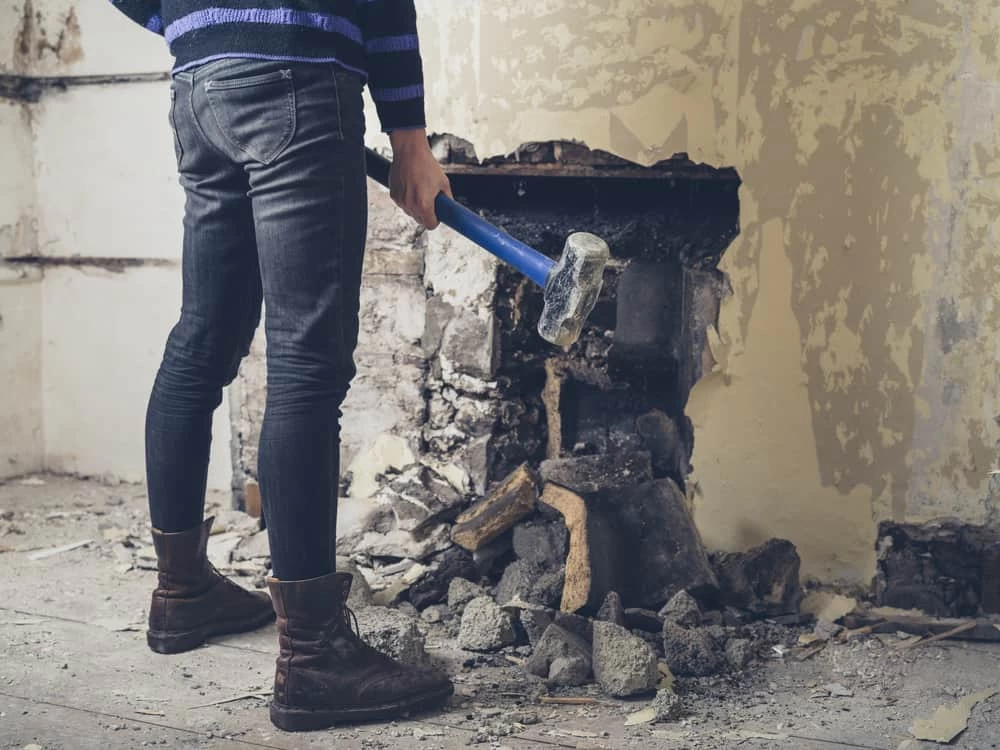
When Your 1950s Cape Cod Takes a Hit, Every Hour Counts
Storm damage in South Hempstead moves fast — water gets in, mold follows within 48 hours, and older homes hide the worst of it behind walls. We respond around the clock with the licenses to handle all of it, start to finish.
I needed a professional consultation explanation of procedure for safe removal of Asbestos in my apartment complex. Without having an account yet, I was very impressed with the caring, knowledgeable and generous advice offered by Jessica, and will look forward to doing business in the future. Thank you so much! I feel much more informed about a sometimes scary endeavor. Peace. Nancy Silva Mineola, NY.
Mia Munoz
Used this company to clean up some water flood in my house. They were fast and easy to work with.very professional, Would recommend to anyone!
Nini Valle
Great company, had a flood and they responded quickly and efficiently. Billed my insurance company directly. I highly recommend this company!
joe colapietro, jr
I had pipe freeze in my basement right before a snow storm and they made to within an hour to help start the clean up process. They we by our side throughout the entire process and even helped with the insurance company. They did such a great job with the cleanup, repair, remidiation, I contracted them to perform the repairs and finishes in the basement. They came with enough manpower and material to get the job done. Leo and Jessica were nothing but a pleasure to deal with!!
Cristian Arredondo c
I had some water damage in my home and Green Island was able to take care of my issue quickly and effectively. I am very pleased with the work they did. They responded quickly and were very professional.
Michael M
Outstanding service! From the office to the field crew everyone was friendly, helpful and responsive. I highly recommend Green Island Group.
What Getting It All Done Right Actually Looks Like in South Hempstead
Most South Hempstead homeowners don’t realize how far storm damage travels until someone with a thermal camera shows them. Water comes in through a compromised roof or aging siding, moves through wall cavities that were never built with modern moisture barriers, and sits there — invisible — until mold takes hold or a wall starts to fail. By the time you see a stain, the damage behind it is usually already weeks old.
The homes in South Hempstead were built mostly between the 1940s and 1960s. That’s not a knock — it’s just a fact that changes what a proper restoration looks like here. Pre-1978 construction means lead paint is a realistic concern. Pre-1980 means asbestos in insulation, floor tiles, and roofing materials is possible. A contractor who holds only a general contractor license can’t legally address those materials. That’s not a technicality — it’s the law, and it’s your family’s health.
When the job is done right, you’re not just back to where you were before the storm. You’re back with a home that’s been fully assessed, properly dried, tested for hidden moisture, and restored to code — with documentation your insurance company can actually use. That’s the difference between a patch and a real fix.
The License Stack That Most Contractors in South Hempstead Can't Match
We’re a Nassau County-licensed restoration contractor — not a national franchise routing calls through a 1-800 number, and not a storm chaser who showed up after the last nor’easter. Our team holds a Nassau County General Contractor license, a NYS DOL Mold Remediation license, a NYS DOL Asbestos Handler license, and both USEPA Lead and RRP certifications. That full combination is rare in South Hempstead and the surrounding area, and it matters specifically here where the majority of homes were built before those regulated materials were phased out.
We’re also an NYS Office of General Services Approved Emergency Response Contractor — a state-level designation that requires real vetting, not just a paid listing. Serving South Hempstead and throughout the Town of Hempstead and broader Nassau County, we know this area’s housing stock, understand the Town of Hempstead’s permit process, and handle your insurance claim directly so you’re not stuck managing paperwork while your home is exposed.
Emergency Storm Damage Restoration Process Nassau County
No Guesswork — Here's Exactly How We Handle Your South Hempstead Storm Damage
It starts with a call — any time, any day. When a storm rolls through South Hempstead, whether it’s a summer thunderstorm off the Atlantic or a nor’easter that came in overnight, the first step is getting eyes on the damage fast. The longer a compromised roof or flooded basement sits unaddressed, the more the scope of work grows. We dispatch quickly and start with a full assessment, including thermal imaging to find water intrusion that visual inspection alone would miss entirely.
Once the scope is clear, we handle emergency stabilization first — tarping, board-up, water extraction, whatever stops the damage from spreading. From there, the restoration work begins in the right sequence: structural drying, mold testing if needed, material removal where required, and rebuilding to current code. If your home was built before 1978 or 1980, we follow proper protocol for lead and asbestos — which means testing before disturbing, containment during removal, and documentation after. That’s not optional under New York State law, and it’s not something every contractor in this area is equipped to handle.
The Town of Hempstead requires permits for structural repairs and roof replacements. We manage that process directly, so the work is inspectable, documented, and clean when it comes time to sell or file a future claim.
Storm Damage Cleanup and Restoration South Hempstead
Full-Scope Restoration Built for South Hempstead's Older Homes
Storm damage restoration in South Hempstead isn’t a one-size situation. The work here covers roof damage from wind and falling trees, water intrusion through aging siding and compromised flashing, basement flooding from the kind of extreme rainfall events that have hit Nassau County hard — the August 2014 storms set a New York State 24-hour precipitation record — and the secondary damage that follows all of it: mold, structural deterioration, and in older homes, disturbed regulated materials.
Every job includes a full moisture assessment using thermal imaging, not just a visual walkthrough. Emergency water extraction and structural drying happen before any rebuild work begins, because rebuilding over hidden moisture is how you end up with a mold problem six months later. Where mold is found, we handle licensed remediation in-house — no subcontracting, no gaps in accountability. The same goes for asbestos and lead: if the work requires it, we’re licensed and certified to handle it legally and safely under one roof.
We offer direct insurance billing as standard. Our team documents everything your adjuster needs, communicates directly with your carrier, and works to make sure the claim reflects the full scope of the damage — not just what’s visible on the surface. For South Hempstead homeowners with significant equity in their properties, that thoroughness is what protects the investment long-term.
How quickly does mold actually start growing after storm damage in South Hempstead?
Mold can begin growing within 24 to 48 hours of water intrusion — and that window doesn’t care whether it’s a weekend, a holiday, or 2 AM after a nor’easter. In South Hempstead’s older housing stock, where wall cavities and attic spaces were built without modern vapor barriers, moisture travels fast and hides well. By the time you see visible mold or smell something off, the growth behind the wall may already be significant.
That’s why the timeline between a storm event and a professional assessment matters so much. The faster water extraction and structural drying begin, the smaller the mold risk stays. We operate 24/7 specifically because storm damage doesn’t follow business hours, and every hour of delay in a home that’s already moisture-compromised increases both the health risk and the restoration cost.
Does homeowners insurance cover storm damage repairs in Nassau County, NY?
Most standard homeowners insurance policies do cover storm damage — wind damage, roof damage from fallen trees, and water intrusion caused by a storm event are typically included. What gets complicated is the documentation. Insurers want to see a clear record of what was damaged, how it was damaged, and what the full scope of repair requires. If the assessment is incomplete, the claim often comes back short.
We handle insurance billing directly and build the documentation your adjuster needs to process a full and accurate claim. This includes thermal imaging results showing hidden moisture, written assessments of all damaged materials, and a clear scope of work. For South Hempstead homeowners, where median home values are substantial and the cost of a full storm restoration can range from several thousand to over twenty thousand dollars depending on the scope, having someone manage that process correctly from the start makes a real financial difference.
My South Hempstead home was built in the 1950s — does that affect storm damage repairs?
It does, and it’s worth understanding before any contractor starts pulling materials. Homes built before 1978 may contain lead paint, and homes built before 1980 may contain asbestos in insulation, floor tiles, ceiling tiles, roofing felt, or pipe wrap. When storm damage requires opening walls, replacing flooring, or disturbing roofing materials, those regulated substances can be exposed. Under New York State law, handling them requires specific licensing — a NYS DOL Asbestos Handler license and USEPA Lead and RRP certifications — that a standard general contractor license does not cover.
Most of South Hempstead’s homes fall squarely in this age range. A contractor who isn’t licensed for these materials either has to stop work and subcontract, or — worse — proceeds without the proper credentials, which creates legal and health exposure for you as the homeowner. We hold all of those licenses in-house, so the job doesn’t stop, doesn’t get handed off, and doesn’t leave you with gaps in accountability.
Do I need a permit for storm damage repairs in the Town of Hempstead?
For minor repairs — patching a few shingles, sealing a small gap — a permit typically isn’t required. But for anything structural, including roof replacements, significant water damage repairs, or work that involves opening walls or replacing structural components, the Town of Hempstead Building Department does require permits. South Hempstead is an unincorporated hamlet, so all permitting flows through the Town of Hempstead, not a separate village authority.
Skipping the permit process is a real risk. Unpermitted work can create problems when you go to sell your home, file a future insurance claim, or if the Town conducts an inspection. We’re Nassau County-licensed and handle the permit process directly — submitting applications through the Town of Hempstead’s building portal, managing inspections, and making sure every repair is documented and code-compliant. You don’t have to navigate that process yourself.
How do I know if there's storm damage I can't see inside my walls or attic?
This is one of the most common situations after a storm, and it’s also where the most costly mistakes happen. Water that enters through a compromised roof, a cracked soffit, or aging siding doesn’t always show up as a visible stain right away. It travels through insulation, collects in wall cavities, and sits in attic spaces — sometimes for weeks — before any surface sign appears. By that point, mold may already be established and structural materials may be compromised.
Thermal imaging is the most reliable way to find it. Infrared cameras detect temperature differentials caused by moisture behind surfaces that look completely dry to the naked eye. We use thermal imaging as a standard part of every post-storm assessment in South Hempstead — not as an add-on, but as a baseline step. In a neighborhood where homes are 60 to 80 years old and were built without modern moisture management systems, assuming the damage is only what you can see is a costly assumption.
What should I do in the first hour after storm damage to my South Hempstead home?
The first thing is to make sure the home is safe to be in — check for structural issues, downed power lines near the property, or any smell of gas. Once it’s safe, document everything with photos before anything is moved or cleaned up. Your insurance company will want that record, and it helps establish the full scope of damage before any temporary repairs are made.
After that, call a licensed contractor as quickly as possible — not to start the full restoration, but to get emergency stabilization in place. That means tarping a compromised roof, boarding openings, and beginning water extraction if there’s standing water or significant moisture intrusion. In South Hempstead, where the housing stock is older and storm systems can drop serious rainfall in short windows, that first response window matters. We’re available around the clock for exactly this reason — the goal in the first hours is to stop the damage from spreading, not to wait until Monday morning to figure out next steps.