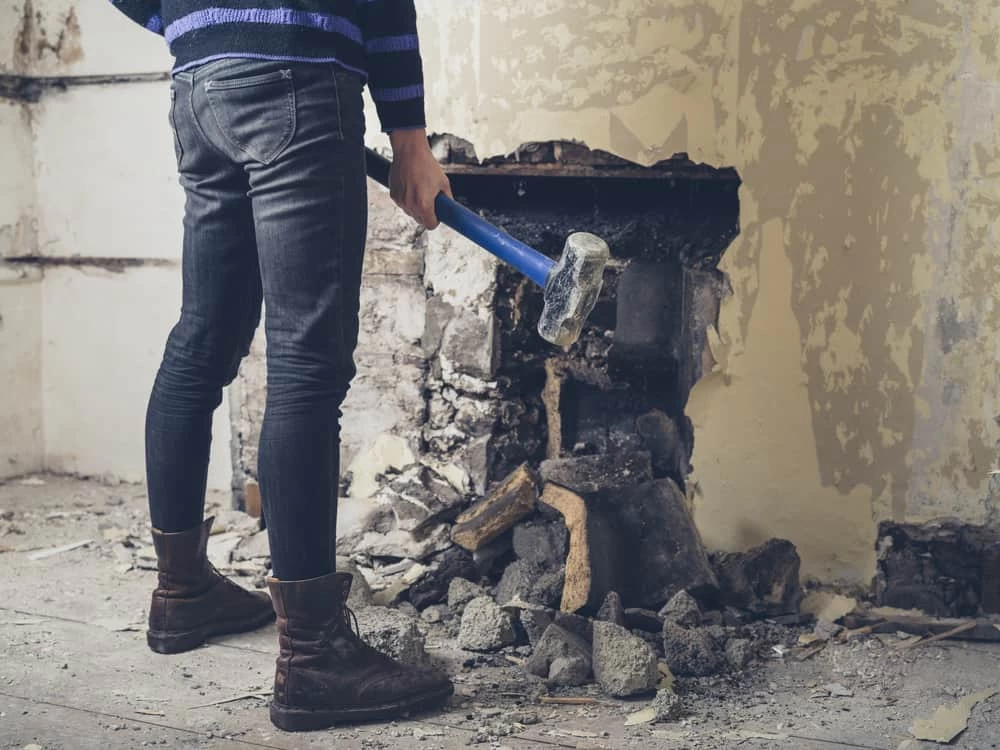
Whitestone's Waterfront Homes Deserve More Than a Quick Fix
When the East River pushes a storm into your neighborhood, the damage it leaves behind is rarely just what you can see. We respond fast, document everything, and handle the restoration from emergency stabilization through finished repairs including your insurance claim.
I needed a professional consultation explanation of procedure for safe removal of Asbestos in my apartment complex. Without having an account yet, I was very impressed with the caring, knowledgeable and generous advice offered by Jessica, and will look forward to doing business in the future. Thank you so much! I feel much more informed about a sometimes scary endeavor. Peace. Nancy Silva Mineola, NY.
Mia Munoz
Used this company to clean up some water flood in my house. They were fast and easy to work with.very professional, Would recommend to anyone!
Nini Valle
Great company, had a flood and they responded quickly and efficiently. Billed my insurance company directly. I highly recommend this company!
joe colapietro, jr
I had pipe freeze in my basement right before a snow storm and they made to within an hour to help start the clean up process. They we by our side throughout the entire process and even helped with the insurance company. They did such a great job with the cleanup, repair, remidiation, I contracted them to perform the repairs and finishes in the basement. They came with enough manpower and material to get the job done. Leo and Jessica were nothing but a pleasure to deal with!!
Cristian Arredondo c
I had some water damage in my home and Green Island was able to take care of my issue quickly and effectively. I am very pleased with the work they did. They responded quickly and were very professional.
Michael M
Outstanding service! From the office to the field crew everyone was friendly, helpful and responsive. I highly recommend Green Island Group.
What Changes When Storm Damage Restoration Is Done Completely
Whitestone sits at the northern tip of Queens, directly on the East River and that geography matters when a storm rolls through. Nor’easters come in from the north and northeast with nothing to slow them down. Storm surge travels up the river and hits the waterfront first. If you’re in Malba, near LeHavre on the Water, or anywhere along the northern edge of the neighborhood, you already know what that kind of exposure feels like after a bad storm.
What most homeowners in Whitestone don’t realize is how much of the damage stays hidden. Water gets under the roofing, behind the drywall, into the insulation and it sits there. Mold can start growing within 24 to 48 hours of water intrusion. A surface repair that looks finished can be covering moisture that quietly destroys the structure behind it. In a neighborhood where homes are valued well above $1 million, that’s not a small risk.
When storm damage restoration is done correctly, you’re not just patching what broke. You’re getting a home that’s fully dried, structurally sound, and protected against what comes next. No hidden moisture. No mold developing behind walls six months from now. No insurance underpayment because the scope wasn’t documented properly. Just a complete job the kind that holds up through the next nor’easter.
Every License Required to Restore Whitestone Homes Safely We Hold Them All
We are a fully licensed and certified storm damage restoration contractor serving Whitestone and the broader Queens area. That means IICRC certification for water and fire damage, a NYS DOL Mold License, a NYS DOL Asbestos License, USEPA Lead and RRP Certification, a NYC Business Integrity Commission Trade Waste License, and General Contractor licenses covering New York City, Nassau County, and Suffolk County. These aren’t extras in Whitestone’s older housing stock, where homes built in the 1940s and 1950s commonly contain asbestos and lead paint, they’re legally required for the work to be done safely and properly.
With 5,000+ completed restoration projects across New York, we’ve handled every storm type that hits this part of Queens surge events, nor’easters, summer microbursts, ice dam damage, and the kind of slow basement flooding that follows a heavy rain on already-saturated ground. We also hold NYS MBE/WBE and NYC MWBE certifications government-verified credentials that confirm this is a legitimate, established business, not a storm chaser working the neighborhood after a bad weekend.
From the First Call to the Final Walkthrough Here's How We Handle It
When you call, the response is immediate. We stage equipment across New York City and Queens, which means arrival within the hour is realistic not a marketing line. The first priority is stopping active damage: emergency board-up, tarping, water extraction, and structural stabilization. In Whitestone, where storm surge can infiltrate from the ground up and wind-driven rain can push water through aging roofing systems, that first response window is the most critical part of the entire job.
Once the emergency phase is handled, the real assessment begins. We use moisture meters and thermal imaging to identify water that has moved behind walls, under flooring, and into insulation the damage you can’t see from the surface. In homes built before 1980, which describes most of Whitestone’s single-family housing stock, that assessment also includes checking for asbestos and lead paint before any demolition or structural work begins. New York City requires permits for significant structural repairs, and our NYC General Contractor license means we pull those permits legally and handle the work without subcontracting it out.
From there, the restoration moves through drying, mold prevention, structural repair, and interior finishing all under one roof. At the same time, the insurance process runs in parallel. We document the full scope of damage, bill your insurance company directly, and coordinate with the adjuster so you’re not left navigating a large claim on your own.
Storm Damage Restoration Services in Whitestone, NY
The Full Scope, Not Just the Visible Damage
Storm damage restoration in Whitestone covers a lot of ground, and the scope depends on what the storm actually did not just what it looks like on the surface. We handle emergency board-up and tarping, debris and fallen tree removal, roof repair and full replacement, water extraction and structural drying, mold prevention and remediation, siding and window restoration, and complete interior reconstruction. Every phase is handled in-house, with no contractor handoffs and no gaps between the mitigation work and the rebuild.
Because Whitestone’s housing stock is predominantly pre-1980 construction, asbestos testing and lead-safe work practices are built into the process not added on as a separate conversation after the fact. If abatement is required, we handle it under our NYS DOL Asbestos License, which covers the rest of the job. Debris removal is covered under our NYC BIC Trade Waste License, which is required for legal hauling within New York City something many contractors operating in Queens quietly don’t carry.
The insurance side of the job gets the same attention as the physical work. We document damage thoroughly, coordinate directly with your adjuster, and bill your carrier directly. In a neighborhood like Whitestone, where storm damage claims on $1 million-plus homes can be substantial, having a contractor who advocates for the full documented scope rather than handing you a bill and stepping aside makes a real difference in what you actually recover.
What should I do immediately after storm damage hits my Whitestone home?
The first thing to do is call a licensed restoration contractor before you call your insurance company, and definitely before you attempt any cleanup yourself. The reason timing matters so much is that water moves fast. In Whitestone’s older homes, which often have less effective moisture barriers and aging insulation, water that enters through a compromised roof or storm surge at the foundation can travel into wall cavities and subfloor systems within hours. Mold can begin growing in as little as 24 to 48 hours after water intrusion, and once it’s behind the walls, the remediation scope grows significantly.
Document what you can see with photos and video before anything is touched. Don’t discard damaged materials insurance adjusters need to assess them. If there’s active water intrusion or structural instability, stay out of affected areas until a professional has evaluated them. We can be on-site within the hour, which in a post-storm situation is often the difference between a manageable claim and a much larger one.
Does homeowners insurance actually cover storm damage repair in Whitestone, NY?
Most standard homeowners insurance policies cover storm damage wind, hail, falling trees, and rain intrusion caused by storm-related roof damage are typically included. What gets complicated is the documentation. Insurance adjusters work from what they can see during their inspection, and in older Whitestone homes where water has moved into wall cavities or compromised the roof decking beneath intact-looking shingles, a surface-level inspection can miss a significant portion of the actual damage. That gap between what’s documented and what actually happened is where homeowners lose money on claims.
We handle the documentation and adjuster coordination directly. We use moisture meters and thermal imaging to identify hidden damage, photograph and document the full scope, and communicate that scope to your carrier. Roughly 59% of all restoration work in the country is insurance-funded meaning most homeowners in Whitestone are not paying out of pocket for this. Your deductible is typically your primary cost, and having a contractor who fights for the full documented scope protects you from absorbing losses that your policy should cover.
How do I know if my Whitestone home is at risk for storm surge flooding?
Whitestone’s position on the East River makes it one of the more storm-surge-exposed neighborhoods in Queens a fact that doesn’t always get the attention it deserves. When a nor’easter or tropical storm pushes water up the East River toward the Long Island Sound, Whitestone’s northern waterfront is in the direct path. Properties in Malba and along the waterfront sections of the neighborhood face the highest exposure, but storm surge effects can extend further inland depending on storm intensity and tidal timing.
The NYC Flood Hazard Mapper at nyc.gov is the most accurate tool for checking your specific parcel’s FEMA flood zone designation. Properties in Zone AE or VE carry mandatory flood insurance requirements if they carry a federally backed mortgage. Even if your property falls outside a designated flood zone, the combination of Whitestone’s geography, aging stormwater infrastructure, and increasingly intense rainfall events Queens’ storm drains were not designed for the rainfall rates that recent storms have delivered means basement flooding and water intrusion are genuine risks worth taking seriously regardless of your official flood zone status.
Why does it matter if my storm damage contractor has an asbestos license in New York?
In Whitestone, where the majority of single-family homes were built between the 1930s and 1960s, this question has a direct practical answer. Homes of that era commonly contain asbestos in floor tiles, pipe insulation, roofing materials, and joint compound. When storm damage requires demolition removing damaged drywall, replacing flooring, opening up ceiling cavities there is a real possibility of disturbing asbestos-containing materials. Under New York State law, that work requires a licensed asbestos contractor. Hiring someone without that license is not just risky to your health it can expose you to liability for unlicensed work and potentially void your insurance coverage for that portion of the job.
We hold the NYS DOL Asbestos License, which means if asbestos is identified during the restoration assessment, it gets handled legally and safely within the same project no separate contractor, no delay, no gap in the job. The same applies to lead paint: USEPA RRP certification is required for renovation work in pre-1978 homes, which again covers most of Whitestone’s housing stock. These aren’t edge cases in this neighborhood they’re standard considerations for almost any significant storm damage restoration job.
How long does storm damage restoration typically take in Whitestone, NY?
The honest answer is that it depends on what the storm actually did to the structure, and that’s often not fully clear until the assessment is complete. A roof repair with no interior water intrusion might be resolved in a few days. A job involving storm surge in the basement, compromised structural elements, mold prevention protocols, and interior reconstruction in a pre-1980 home with asbestos present could take several weeks. The scope drives the timeline, not the other way around.
What affects the timeline specifically in Whitestone is the age of the housing stock and the permitting process. Significant structural repairs in New York City require permits, and permit processing adds time to the schedule. Our NYC General Contractor license means we handle permitting directly but homeowners should factor that into their expectations. The other timeline variable is insurance: when documentation is thorough and adjuster coordination happens early in the process, approvals move faster. Delays in insurance approval are one of the most common reasons restoration timelines stretch out, and having a contractor who manages that process proactively keeps the job moving.
How do I spot a storm chaser contractor after a storm in Whitestone?
After any significant storm in Queens, unlicensed contractors move through affected neighborhoods quickly knocking on doors, offering fast and cheap repairs, and often collecting deposits before disappearing or doing substandard work. The FTC logged over 81,000 home repair fraud complaints in a single recent year, and the pattern is consistent: they show up when damage is visible, they create urgency, and they’re gone before the problems surface. In a neighborhood like Whitestone, where homes are worth over $1 million and storm damage can be extensive, the financial exposure from a bad contractor is significant.
The simplest protection is to verify license numbers before anyone starts work. A legitimate NYC contractor can provide their Department of Buildings license number, which you can verify at nyc.gov. Ask specifically for the NYC General Contractor license, NYS DOL Mold License if water damage is involved, and NYS DOL Asbestos License if the home was built before 1980. Our licenses are all verifiable through public records. Government-issued certifications like our NYS MBE/WBE and NYC MWBE designations add another layer of verification that a legitimate business has been vetted credentials that a storm chaser working the neighborhood cannot replicate.