When Bellerose Manor's Old Pipes and Aging Sewers Strike
Your basement didn’t flood because of bad luck. In Bellerose Manor, it flooded because the infrastructure under these 1930s and 1940s homes was never built for this. We handle flooded basement cleanup from the first call to the finished space licensed, fast, and without the handoff.
I needed a professional consultation explanation of procedure for safe removal of Asbestos in my apartment complex. Without having an account yet, I was very impressed with the caring, knowledgeable and generous advice offered by Jessica, and will look forward to doing business in the future. Thank you so much! I feel much more informed about a sometimes scary endeavor. Peace. Nancy Silva Mineola, NY.
Mia Munoz
Used this company to clean up some water flood in my house. They were fast and easy to work with.very professional, Would recommend to anyone!
Nini Valle
Great company, had a flood and they responded quickly and efficiently. Billed my insurance company directly. I highly recommend this company!
joe colapietro, jr
I had pipe freeze in my basement right before a snow storm and they made to within an hour to help start the clean up process. They we by our side throughout the entire process and even helped with the insurance company. They did such a great job with the cleanup, repair, remidiation, I contracted them to perform the repairs and finishes in the basement. They came with enough manpower and material to get the job done. Leo and Jessica were nothing but a pleasure to deal with!!
Cristian Arredondo c
I had some water damage in my home and Green Island was able to take care of my issue quickly and effectively. I am very pleased with the work they did. They responded quickly and were very professional.
Michael M
Outstanding service! From the office to the field crew everyone was friendly, helpful and responsive. I highly recommend Green Island Group.
A Dry, Safe Basement Before the 72-Hour Mold Clock Runs Out
Here’s what most homeowners don’t realize until it’s too late: mold doesn’t wait for you to figure out your insurance situation. In a Bellerose Manor home built in the 1940s with original plaster walls, older wood framing, and cellulose insulation moisture moves fast and hides well. The 72-hour window is real, and once it closes, you’re not just dealing with a wet basement anymore.
What you get on the other side of a proper cleanup is straightforward. The water is gone, the structure is dry, hidden moisture has been found and addressed, and there’s no mold starting behind your walls. Your home smells like a home again, not like a problem.
The older housing stock in Bellerose Manor also means there’s a very real chance your basement walls contain asbestos pipe insulation or lead-based paint materials that were standard in homes of this era. When those materials get disturbed during a flood, the cleanup stops being a simple drying job and becomes something that requires specific state and federal licensing. Getting that part right from the start protects your health, your home’s value, and your insurance claim.
Every License the Job Actually Requires No Exceptions
We’ve been serving the New York metro area for over 30 years. We’re not a franchise. We’re not a storm-chaser who showed up after the last nor’easter. We’re a licensed, certified restoration contractor with a physical operation and a track record that holds up.
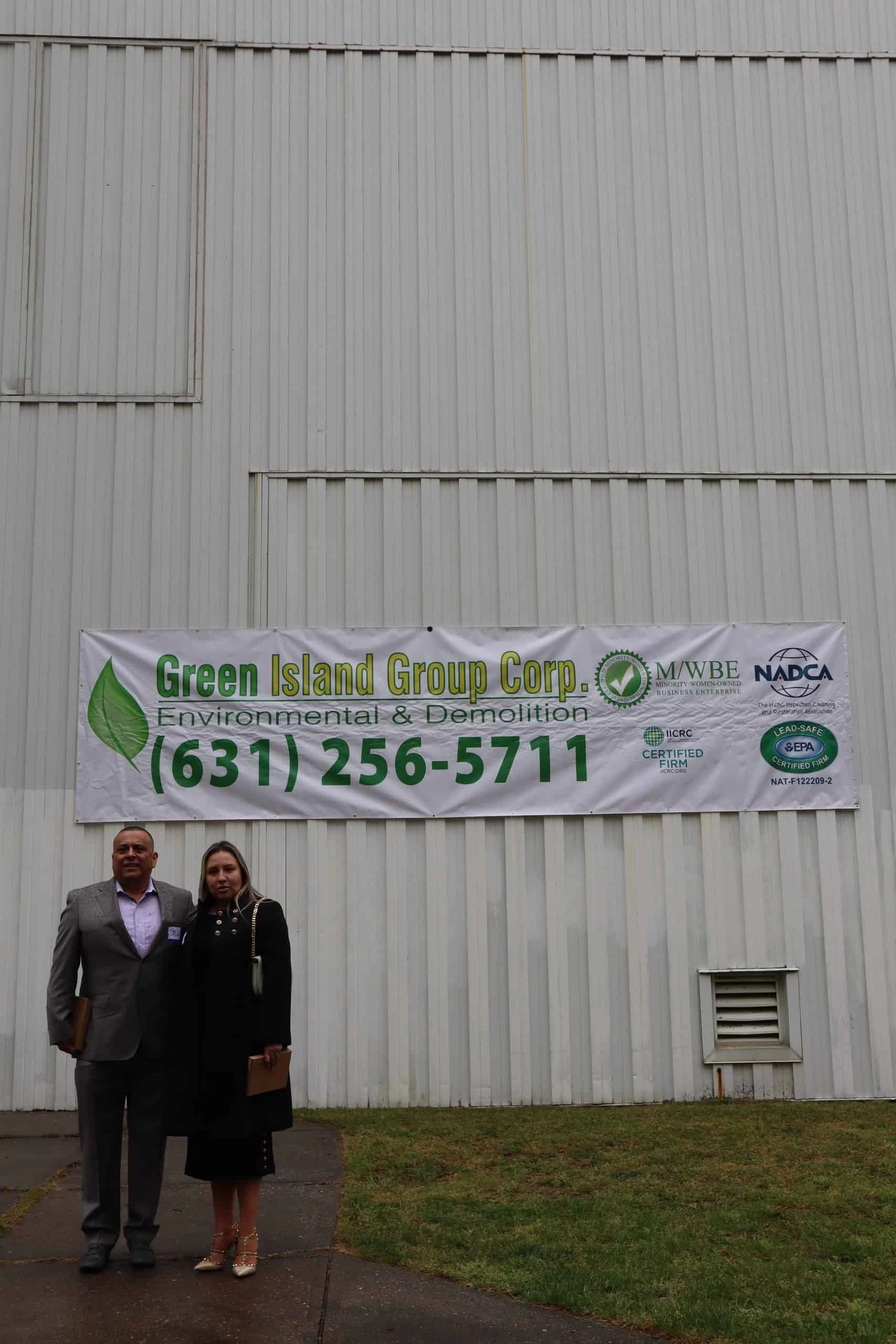
For Bellerose Manor specifically, the credentials matter more than almost anywhere else in Queens. The homes along these streets the Tudor colonials, the Spanish Colonial-influenced stuccos near the Queens County Farm Museum corridor, the Cape Cods off Braddock Avenue are old enough to carry regulated materials inside their walls. We hold the NYS DOL Mold License, NYS DOL Asbestos License, USEPA Lead and RRP certifications, IICRC Water/Fire Damage certification, and General Contractor licenses for both New York City and Nassau County.
That last point matters here. Bellerose Manor sits right at the Queens-Nassau border. Having a contractor licensed on both sides of that line isn’t a detail it’s how the job gets done legally and without delays.
Flooded Basement Cleaning Process in Bellerose Manor
From Standing Water to Finished Space Here's the Actual Process
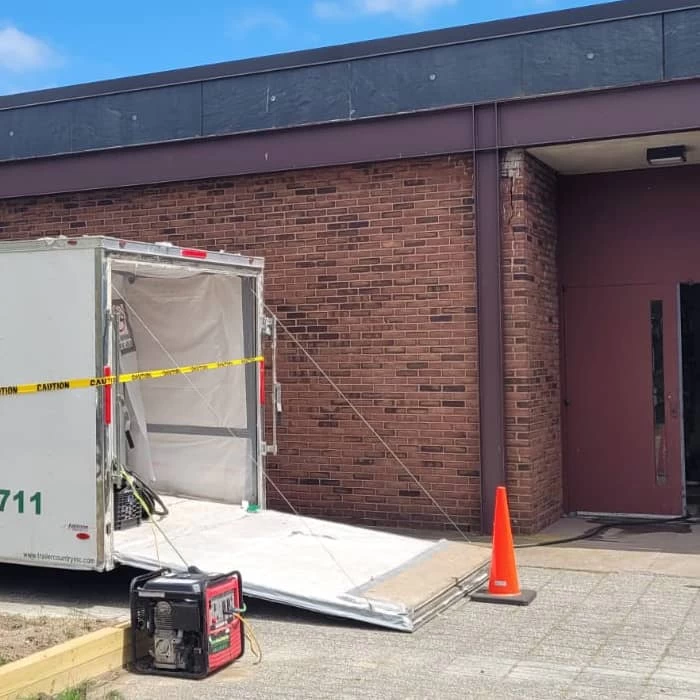
The first call triggers a response. We operate 24/7, and our documented response times run under an hour including during winter freeze events when Bellerose Manor’s older pipes are at their highest risk of failure. When our crew arrives, we assess the water source, the contamination category, and the extent of the damage before anything else happens.
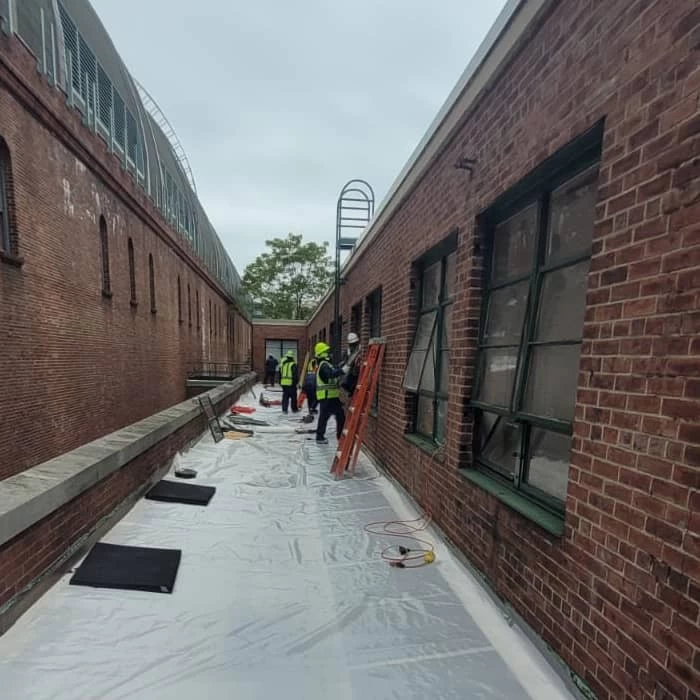
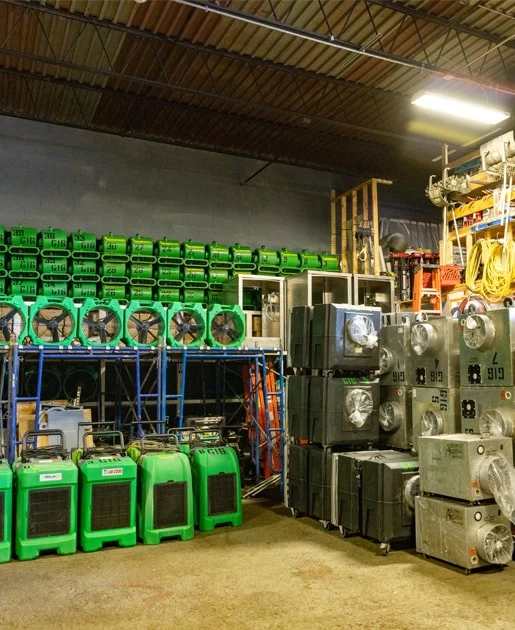
Water extraction comes first, followed by structural drying using industrial equipment placed strategically throughout the space. This isn’t just running a fan and calling it done. We use thermal imaging to find moisture inside wall cavities, under flooring, and behind original plaster surfaces the places a visual inspection will miss entirely. In a neighborhood where the sewage backup issue along the Queens Village and Bellerose Manor border has been documented by local news, a meaningful number of these jobs involve Category 3 contamination sewage water which requires a specific cleanup protocol, proper disposal, and licensed handling that most companies aren’t equipped to perform.
Once the space is dry and cleared, the reconstruction phase begins. Damaged drywall, flooring, framing, and finishes get restored. Because we hold an active NYC General Contractor license, we can pull the permits required for structural work in Queens something a mitigation-only company can’t do. You don’t need to find a second contractor. The job finishes with us.
Basement Flooding Remediation Services in Queens, NY
What's Actually Included When You Call Us
Flooded basement cleanup in Bellerose Manor isn’t a one-size job, and the scope of what’s needed depends on how the flooding happened, how long the water sat, and what’s inside the walls of your specific home. We handle the full arc: emergency water extraction, structural drying, mold assessment and remediation, hazardous material handling, content restoration, and complete reconstruction.
For homes in Bellerose Manor’s pre-war housing stock, hazardous material handling is often part of the job whether the homeowner expects it or not. Asbestos pipe insulation, asbestos floor tiles, and lead-based paint appear regularly in homes built between the 1930s and 1950s. New York State law requires that mold remediation and asbestos work be performed by specifically licensed contractors. We hold both the NYS DOL Mold License and the NYS DOL Asbestos License meaning we can legally perform the full scope of work without subcontracting the regulated portions to someone else.
Insurance billing is handled directly. We work with your adjuster, document the damage properly, and advocate for the full scope of your claim. For homeowners dealing with the kind of city sewer-related basement flooding that’s been reported along the 231st Street corridor near Bellerose Manor situations where the cause involves municipal infrastructure failure having a contractor who understands how to document and present a claim makes a tangible financial difference.
Does homeowners insurance cover flooded basement cleanup in Bellerose Manor, NY?
It depends on the cause, and that distinction matters a lot in Bellerose Manor. If the flooding came from a burst pipe, a failed appliance, or an internal plumbing failure, standard homeowners insurance typically covers the damage. If it came from a city sewer backup which has been a documented, ongoing issue along the Queens Village and Bellerose Manor border you may need a separate sewer backup rider on your policy for coverage to apply.
You don’t have to figure this out alone before calling. We work directly with insurance carriers, document the source and extent of damage in the format adjusters require, and help homeowners navigate the claims process from start to finish. Getting the documentation right from the first day on-site is often what determines whether a claim gets paid in full or gets disputed.
How quickly can mold grow after a basement flood in an older Queens home?
Mold can begin establishing itself within 24 to 48 hours of water exposure, and in a Bellerose Manor home built in the 1930s or 1940s, the conditions are particularly favorable for rapid growth. Original plaster walls, older cellulose insulation, and untreated wood framing absorb moisture quickly and hold it longer than modern building materials. By the 72-hour mark, mold can be actively growing inside wall cavities where you can’t see it.
The practical implication is that waiting to figure out insurance, to get multiple quotes, or simply because the visible water has been mopped up is one of the more expensive decisions a homeowner can make. What starts as a $4,000 to $8,000 cleanup can grow into a $15,000 or higher remediation project once mold has taken hold in the wall system.
My Bellerose Manor basement smells like sewage after heavy rain what does that mean?
That smell almost certainly means sewage water has backed up through your basement floor drain and it’s a problem that’s been affecting homeowners in this specific part of Queens for years. The Queens Village and Bellerose Manor area sits on a combined sewer system, meaning stormwater and sanitary sewage share the same pipes. During heavy rain events, that system gets overwhelmed and sewage gets pushed backward into basements through floor drains.
This is classified as Category 3 water damage the most hazardous category because it contains sewage pathogens including E. coli. It cannot be cleaned up with a shop vac and some bleach. It requires licensed contractors using proper protective equipment, specific disinfection protocols, and compliant waste disposal. We’re equipped and licensed to handle Category 3 cleanup safely and legally. If you’re in the area near 231st Street or anywhere along the Braddock Avenue corridor and this happens after a storm, don’t wait on it.
Does flooded basement cleanup in a pre-1978 home require special licensing in New York?
Yes, and this is one of the most important questions a Bellerose Manor homeowner can ask. Virtually every home in this neighborhood was built before 1978, which means lead-based paint is presumed present under federal EPA rules. Any renovation, repair, or cleanup work that disturbs painted surfaces including cutting into drywall, removing flooring, or accessing wall cavities requires the contractor to hold EPA RRP (Renovation, Repair and Painting) certification.
Beyond lead, homes from the 1930s through the 1950s commonly contain asbestos in pipe insulation, floor tiles, ceiling tiles, and joint compound. New York State requires a NYS DOL Asbestos License for any professional performing asbestos-related work. We hold both the EPA RRP certification and the NYS DOL Asbestos License. Hiring a contractor who lacks these credentials doesn’t just create a health risk it can create legal liability for the homeowner and potentially void the insurance claim if the work isn’t performed to the required standard.
How much does flooded basement cleanup typically cost in the Bellerose Manor area?
The range is wide because the scope varies significantly depending on how the flooding happened and what’s in the home. A straightforward burst pipe cleanup in an unfinished basement water extracted, space dried, mold prevented typically runs in the $3,000 to $8,000 range. A sewage backup in a partially finished basement with plaster walls, original flooring, and potential asbestos materials can reach $20,000 or more once the full remediation and reconstruction scope is factored in.
For most homeowners in Bellerose Manor, the more relevant number is what your insurance covers. When the cleanup is documented and performed by an IICRC-certified contractor which we are insurance carriers are far more likely to approve the full claim without dispute. Getting a licensed company on-site quickly also limits the total scope of damage, which directly affects the final cost regardless of who’s paying.
Can Green Island Group handle the full repair, or just the water removal and drying?
We handle the full project. This is one of the more meaningful differences between us and most of the water damage companies operating in eastern Queens. A lot of mitigation companies do the extraction and drying, hand you a moisture log, and leave you to find a general contractor for the actual repairs. That means a second hiring process, a second set of insurance conversations, and a longer timeline while your basement sits in a half-restored state.
We hold an active New York City General Contractor license, which authorizes us to perform and permit structural reconstruction work in Queens. We also hold a Nassau County General Contractor license relevant for a neighborhood that sits directly on the Queens-Nassau border and occasionally involves inspectors or permit requirements from both jurisdictions. From the night the basement floods through the day the finished space is restored, it’s one company, one point of contact, and one continuous process.